
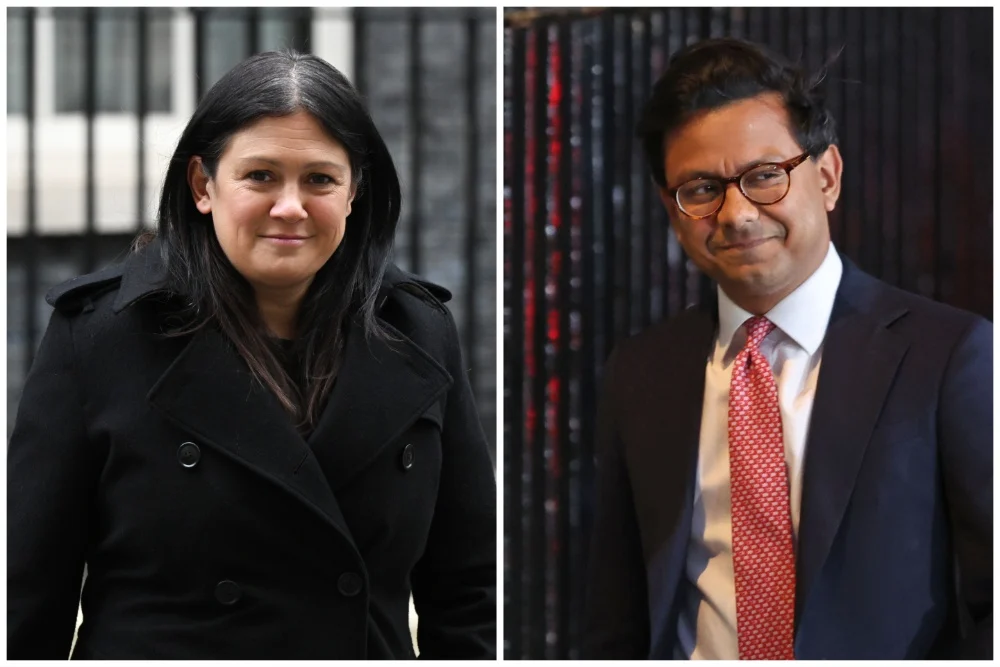
The United Kingdom’s cultural landscape is poised for a period of continuity at its helm, as new Prime Minister Andy Burnham has confirmed that Lisa Nandy will retain her position as Secretary of State for Culture, Media, and Sport. This decision comes amidst a comprehensive cabinet reshuffle following Labour’s recent general election victory, signaling a deliberate choice to maintain experienced leadership within a department navigating a complex and rapidly evolving sector. Nandy, a Member of Parliament for Wigan since 2010, was initially appointed to the role by former Prime Minister Keir Starmer in July 2024, marking her as the twelfth minister to hold this significant portfolio in less than two decades. Her tenure, now extending beyond two years, positions her as one of the longest-serving incumbents in a role historically characterized by frequent ministerial changes, a trend that has often been cited as a impediment to long-term strategic planning within the creative industries.
Nandy’s initial appointment coincided with a period of considerable turbulence for the UK’s screen sector. The reverberations of the Hollywood writer and actor strikes, coupled with the persistent economic headwinds of post-pandemic inflation and a significant downturn in the advertising market, had already placed considerable strain on broadcasters and streamers. Compounding these challenges, significant budget cuts from these key players further intensified the pressure on domestic production and content creation. It was within this demanding environment that Nandy assumed responsibility, inheriting a mandate to guide a sector vital to the UK’s cultural output and economic contribution.
Her current responsibilities underscore the critical nature of her role. Nandy is presently overseeing the intricate process of the BBC’s royal charter renewal, a process that inherently involves a thorough examination of its funding mechanisms and operational framework. This renewal is a quinquennial review, typically a period of intense scrutiny for the public broadcaster, and Nandy’s leadership is crucial in shaping its future. Simultaneously, she is deeply involved in the UK arm of the significant Paramount/Warner Bros. Discovery merger. Nandy has publicly stated her "mindedness to intervene" in this colossal deal, a clear indication of the government’s intent to scrutinize its implications for the UK market, including potential impacts on competition, content diversity, and jobs. This proactive stance reflects a broader governmental approach to ensuring that major media consolidations serve the public interest.
A Sector in Flux: Key Deals and Regulatory Challenges
The cultural and media landscape in the UK is currently a hotbed of significant corporate activity and potential regulatory interventions. Beyond the Paramount/Warner Bros. Discovery situation, another monumental deal is awaiting regulatory approval: Comcast-owned Sky’s recent acquisition of the public service broadcaster ITV. This proposed takeover, if greenlit by regulators, would represent a seismic shift in the UK’s broadcasting landscape, consolidating ownership of a major commercial broadcaster and a global media giant. The implications for content commissioning, advertising revenue, and the overall media ecosystem are substantial, and the regulatory scrutiny will be intense.
Adding to this dynamic environment is the impending spin-off of ITV Studios, ITV’s highly successful production arm. The prospect of ITV Studios operating independently has already attracted significant attention from potential bidders, signalling a keen interest in acquiring a globally recognized and prolific content producer. The future ownership of ITV Studios will undoubtedly shape the independent production sector, influencing investment, talent acquisition, and the types of content that will be commissioned and produced in the coming years.
A New Frontier: The Emergence of the AI Minister
In parallel with Nandy’s continued role in culture, Prime Minister Burnham has also made a notable appointment by creating the position of Minister for Artificial Intelligence (AI). Kanishka Narayan has been appointed to this inaugural role, with a joint portfolio spanning the Cabinet Office and the Department for Business, Innovation, Science and Trade. This move highlights the government’s recognition of AI as a transformative technology with profound implications across all sectors of the economy and society.
Narayan, who was elected as the Member of Parliament for the Vale of Glamorgan in July 2024, brings prior experience to this new portfolio, having served as Parliamentary Under-Secretary of State in the Department for Science, Innovation and Technology. His appointment suggests a strategic focus on harnessing the potential of AI while also addressing its challenges, including ethical considerations, workforce adaptation, and economic competitiveness. The establishment of a dedicated AI ministerial brief signals a commitment to developing a coherent and proactive national strategy for AI development and deployment.
Historical Context: Stability in a Volatile Department
The decision to retain Lisa Nandy as Culture Secretary is particularly significant when viewed against the backdrop of the department’s recent history. The statistic of twelve ministers in the post in less than as many years points to a consistent pattern of ministerial turnover. This frequent change in leadership has often been criticized for hindering the development and implementation of consistent, long-term cultural policies. Each new minister typically brings their own priorities and perspectives, leading to shifts in strategic direction and a lack of sustained focus on critical issues.
Nandy’s two-year tenure, therefore, represents a notable departure from this trend. Prior to her current role, she gained valuable experience in shadow government, serving as the Shadow Cabinet Minister for International Development and Shadow Housing Minister. These roles would have honed her understanding of policy development, parliamentary scrutiny, and the complexities of managing large governmental portfolios. Her background suggests a capacity for detailed policy work and a grasp of the interdependencies between different government departments.
Navigating the Challenges: The Screen Sector’s Precarious Position
The UK’s screen sector, a cornerstone of the nation’s creative economy and a significant contributor to its soft power, has faced an unprecedented confluence of challenges in recent years. The global impact of the COVID-19 pandemic disrupted production schedules and altered viewing habits. While the industry has shown resilience, the lingering effects of inflation have increased production costs across the board, from studio hire to talent wages. This inflationary pressure, combined with a contraction in the advertising market, has squeezed the revenue streams of broadcasters and the advertising-supported models of many digital platforms.
The Hollywood strikes, which saw writers and actors walk out over issues relating to compensation, residuals, and the impact of AI, had a ripple effect globally. While the UK’s industrial relations framework differs, the disputes highlighted fundamental questions about fair remuneration and the future of creative work in an era of rapid technological advancement. The resolution of these strikes brought a degree of relief, but the underlying concerns about the economic sustainability of creative careers remain.
For broadcasters and streamers, the response has often involved a recalcitrant approach to budgets. Reductions in commissioning budgets and a more selective approach to acquiring content have placed independent producers under immense pressure. This has led to concerns about a potential hollowing out of the UK’s vibrant independent production sector, which is a crucial incubator of talent and innovation.
The BBC’s Royal Charter: A Fundamental Review
The renewal of the BBC’s royal charter is a periodic, yet always consequential, event. The charter sets out the corporation’s public purposes, governance, and regulatory framework for a defined period, typically five years. The current process will involve a comprehensive review of the BBC’s remit, its role in the media landscape, and its financial sustainability. Nandy’s oversight of this process is critical.
Key areas of focus will likely include the BBC’s public service obligations, its competitive position against commercial rivals, and the adequacy of its current funding model, which relies on the licence fee. Debates around the licence fee’s fairness, its future collection methods, and potential alternative funding models are expected to be central to the charter renewal discussions. The government’s stance on these issues, and Nandy’s ability to broker consensus, will shape the future of public service broadcasting in the UK.
Media Consolidation and Competition Concerns
The proposed merger of Warner Bros. Discovery’s UK operations with Paramount Global’s UK assets, and Sky’s acquisition of ITV, represent significant moves towards consolidation within the media industry. These deals raise important questions about market concentration, competition, and the diversity of media ownership. Regulators, such as the Competition and Markets Authority (CMA), will be tasked with assessing whether these mergers are likely to harm competition, potentially leading to higher prices for consumers, reduced choice, or a diminished supply of diverse content.
Nandy’s "mindedness to intervene" in the Paramount/Warner Bros. Discovery deal signals a vigilant approach. This intervention could involve requiring divestitures of certain assets, imposing conditions on future programming, or imposing other remedies to mitigate potential anti-competitive effects. The government’s role in scrutinizing these deals is crucial for maintaining a healthy and competitive media market that serves the public interest.
The Rise of Artificial Intelligence and Government Strategy
The appointment of Kanishka Narayan as the first Minister for AI underscores the growing recognition of AI’s transformative potential and the need for dedicated government focus. AI is poised to revolutionize industries, from healthcare and education to finance and entertainment. The UK government, like many others globally, is grappling with how to foster innovation in AI while also addressing its ethical implications, such as bias in algorithms, job displacement, and the potential for misuse.
Narayan’s dual role in the Cabinet Office and the Department for Business, Innovation, Science and Trade suggests an integrated approach. The Cabinet Office provides a cross-governmental perspective, enabling the development of a cohesive national AI strategy, while the Department for Business, Innovation, Science and Trade focuses on fostering economic growth and technological advancement. This new ministerial brief is likely to oversee initiatives related to AI research and development, skills training, regulatory frameworks, and international collaboration. The challenges are immense, but the opportunity to position the UK as a leader in responsible AI development is significant.
Conclusion: A Period of Transition and Continuity
Prime Minister Andy Burnham’s initial cabinet appointments signal a commitment to both continuity and strategic adaptation. In retaining Lisa Nandy as Culture Secretary, he has opted for experienced leadership to navigate the complex challenges facing the UK’s vital cultural and media sectors. Her continued stewardship over the BBC’s charter renewal and major media mergers, alongside the establishment of a dedicated AI Minister, indicates a government that is acutely aware of the transformative forces shaping the modern landscape. As the UK navigates this period of significant media consolidation, technological advancement, and economic recalibration, the decisions made within the Department for Culture, Media, and Sport, and the broader government’s approach to emerging technologies like AI, will be instrumental in shaping the nation’s cultural future and its global standing.

