

The report, released in July, provides a granular look at the premium gap, revealing that homeowners in predominantly Hispanic ZIP codes pay, on average, 30 percent higher premiums—an annual increase of $950—compared to their counterparts in predominantly white communities. For homeowners in predominantly Black ZIP codes, the average premium is 16 percent higher, amounting to an additional $500 per year. When projected over the life of a standard 30-year mortgage, these discrepancies result in a staggering $28,500 cost burden for Hispanic homeowners and $15,000 for Black homeowners, respectively.
The Anatomy of an Insurance Disparity
To ensure the findings were not skewed by variations in home value, construction materials, or individual policy choices, the CFA researchers analyzed identical insurance policies across different demographic regions. By holding these variables constant, the report effectively isolated geography and race as the primary determinants of price variance. While the insurance industry frequently cites local risk factors—such as proximity to coastline or wildfire-prone areas—as the rationale for premium hikes, the report found that even when accounting for these objective risk markers, a substantial and unexplained pricing gap remains.
Sharon Cornelissen, director of housing at the CFA and a co-author of the study, emphasized that the conversation around the housing affordability crisis has historically overlooked the dimension of racial equity. "What we haven’t really talked about is the racially inequitable impacts of that, and that Black and Hispanic homeowners are particularly struggling," she noted.
A Chronology of Financial Exclusion
The current state of insurance pricing does not exist in a vacuum; it is deeply rooted in the historical practice of redlining. During the mid-20th century, the Home Owners’ Loan Corporation and other federal entities systematically designated minority-heavy neighborhoods as "hazardous" for mortgage lending. This practice effectively barred generations of Black and Hispanic families from wealth accumulation through homeownership.
The Fair Housing Act of 1968 officially outlawed these practices, but the structural legacy of redlining persists. Economists and urban planners have long pointed to this history as the primary driver behind modern-day inequities in public infrastructure, healthcare access, and environmental vulnerability. For instance, neighborhoods that were historically redlined are often the same areas now suffering from the "urban heat island" effect due to a lack of tree canopy and an abundance of heat-retaining asphalt.
The insurance industry’s relationship with these communities has been fraught for decades. In the 1990s, high-profile lawsuits brought the issue of "insurance redlining" into the public consciousness. Nationwide Insurance reached a $17.5 million settlement after being accused of discouraging agents from selling policies in Black neighborhoods and labeling those ZIP codes as "undesirable." Similarly, American Family Mutual Insurance Company paid over $16 million to settle claims that it provided inferior coverage or outright denied policies based on race.
Regional Variations and Data Breakdown
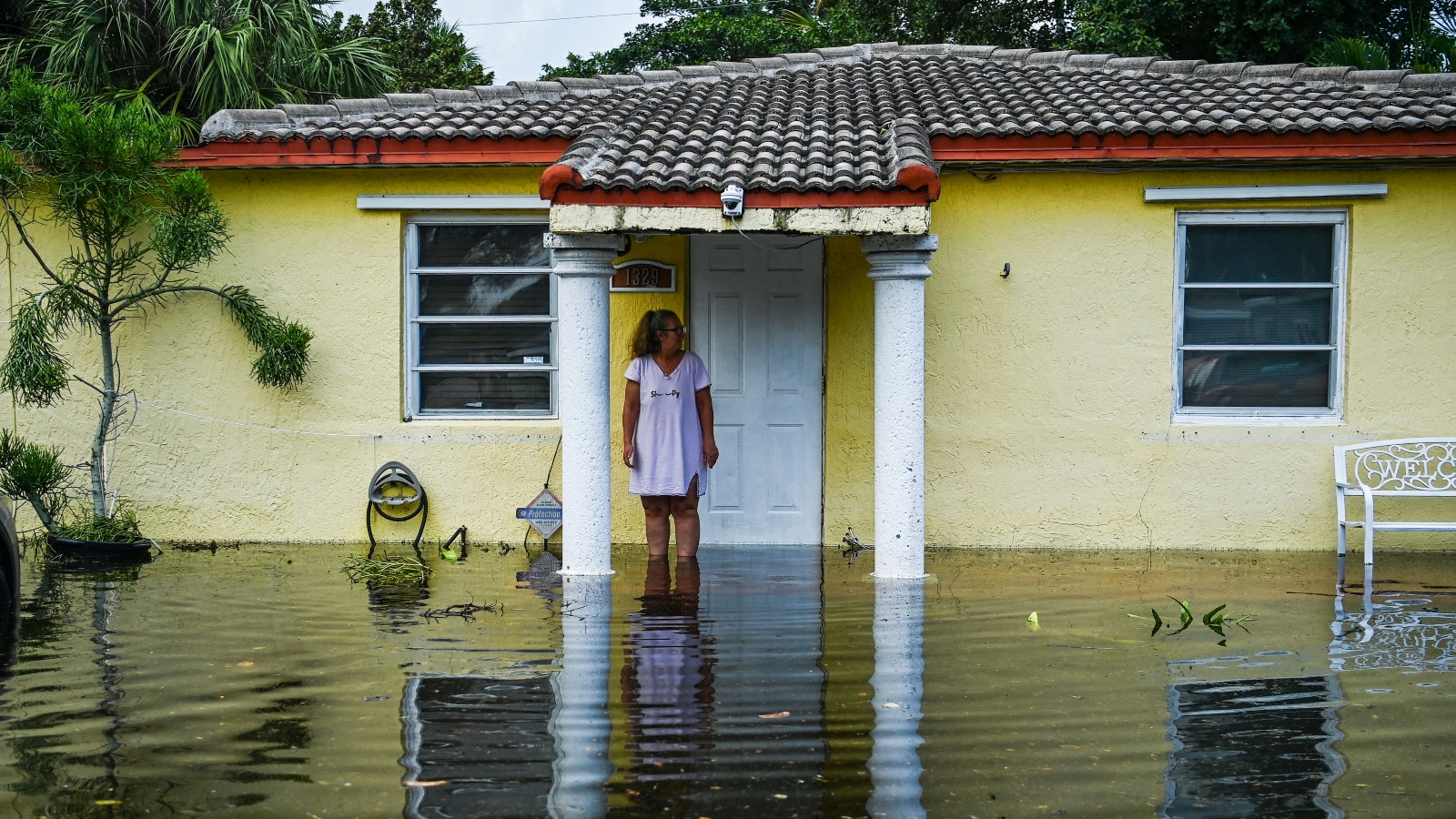
The report highlights that the disparity is not uniform, with certain states demonstrating much more extreme gaps than the national average. Florida, a state currently grappling with a severe insurance market crisis, leads the nation in disparities for Hispanic communities. Homeowners in predominantly Hispanic ZIP codes in Florida pay, on average, 58 percent more—or $5,014 annually—for the same coverage as those in white communities. Other states showing significant gaps include New York (20 percent), Washington (18 percent), Massachusetts (16 percent), and Kansas (15 percent).
For Black communities, the disparity is most acute in Michigan, where premiums are 74 percent higher, amounting to an annual difference of $1,768. Pennsylvania follows with a 57 percent gap ($1,048), while New Jersey, Massachusetts, and New York all report double-digit percentage differences.
Industry Perspectives and Regulatory Defense
The insurance industry, represented by groups such as the Insurance Information Institute (III), maintains that its pricing models are strictly actuarial and devoid of racial bias. Mark Friedlander, a spokesperson for the III, stated that the methodology used to calculate premiums is heavily regulated and grounded in objective data.
"Using race, or any proxy for race, to set insurance rates is illegal in every U.S. jurisdiction, and state insurance regulators review and approve the rating factors insurers use precisely to guard against that," Friedlander said. He argued that many of the communities identified in the report are located in areas with "objectively higher catastrophe exposure" or significantly higher costs associated with rebuilding after a climate-related loss.
From the industry’s perspective, the focus should remain on resilience. By investing in reinforced building codes and utilizing federal mitigation funding to harden infrastructure, the industry believes it can lower the collective risk profile of these communities, thereby stabilizing premiums for everyone.
The AI Frontier and Algorithmic Bias
A growing concern for researchers is the transition from traditional actuarial models to proprietary artificial intelligence (AI) and machine learning algorithms. These new methods analyze massive datasets to determine risk, but critics warn that they can unintentionally bake in historical biases.
A key focus of this concern is the use of credit scores in determining premiums. The CFA report notes that homeowners with lower credit scores pay an average penalty of $1,996 annually—a 99 percent increase. Given that systemic financial inequality has historically suppressed credit scores in communities of color, the use of credit-based insurance scoring can act as a modern, digitized proxy for the redlining of the past.
"I’m not saying that they have some secret race factor that they put into their model," Cornelissen explained. "A lot of this bias can kind of creep in if they’re not paying attention to potential unequal impacts. A lot of this could be through AI models or other factors that have a disproportionate impact on Black and Hispanic communities."
Broader Implications for Climate Resilience
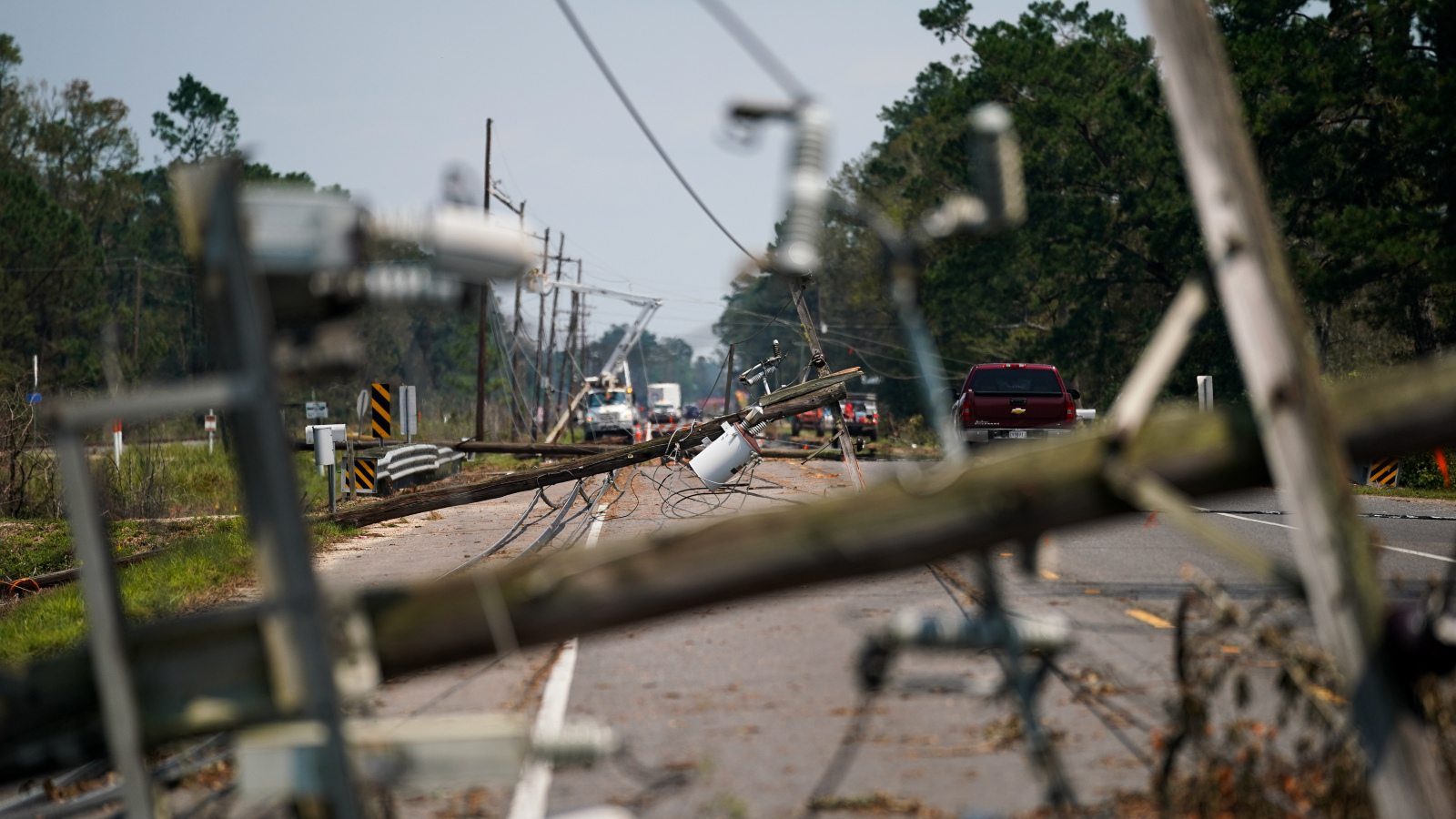
The convergence of climate change and insurance affordability presents a systemic risk to the American dream of homeownership. As greenhouse gas emissions continue to drive extreme weather events, the insurance industry is adjusting by raising rates or, in some cases, withdrawing from high-risk markets entirely.
For the communities identified in the report, this creates a "pincer movement": they are often located in areas most vulnerable to the physical effects of climate change, such as flooding and extreme heat, and they are simultaneously being charged the highest prices to protect their assets from those very risks.
Moira Birss, a senior fellow at the Climate and Community Institute, characterizes the situation as an unconscionable burden on families already struggling with inflation and a high cost of living. "When we’re thinking about how we’re having an affordability crisis in this country, that’s unconscionable," Birss said.
The report concludes with a call to action for state regulators to mandate greater transparency from insurance companies. Without more insight into the specific factors driving these premiums, the report argues, it is increasingly difficult to view these disparities as anything other than a continuation of systemic discrimination. As the climate continues to shift, the debate over who bears the cost of a changing world is likely to remain at the forefront of housing and economic policy for years to come. Whether the industry chooses to pivot toward more equitable modeling or remains committed to its current risk-based pricing, the societal cost of inaction—measured in both dollars and community stability—continues to climb.

