
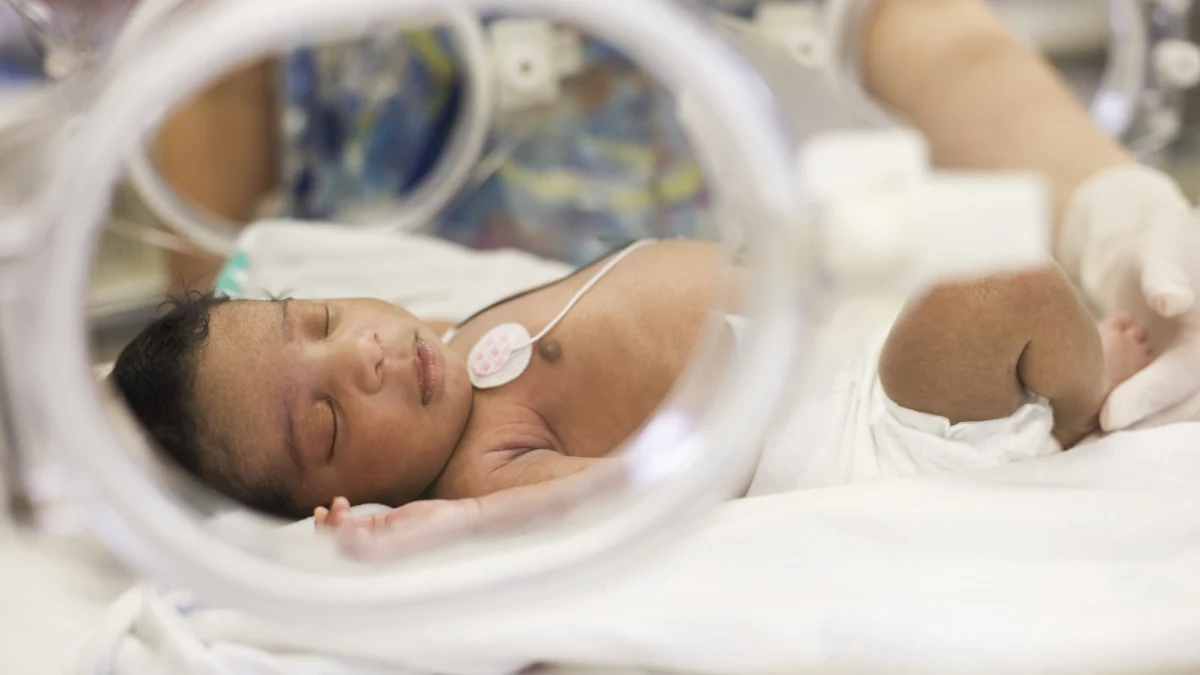
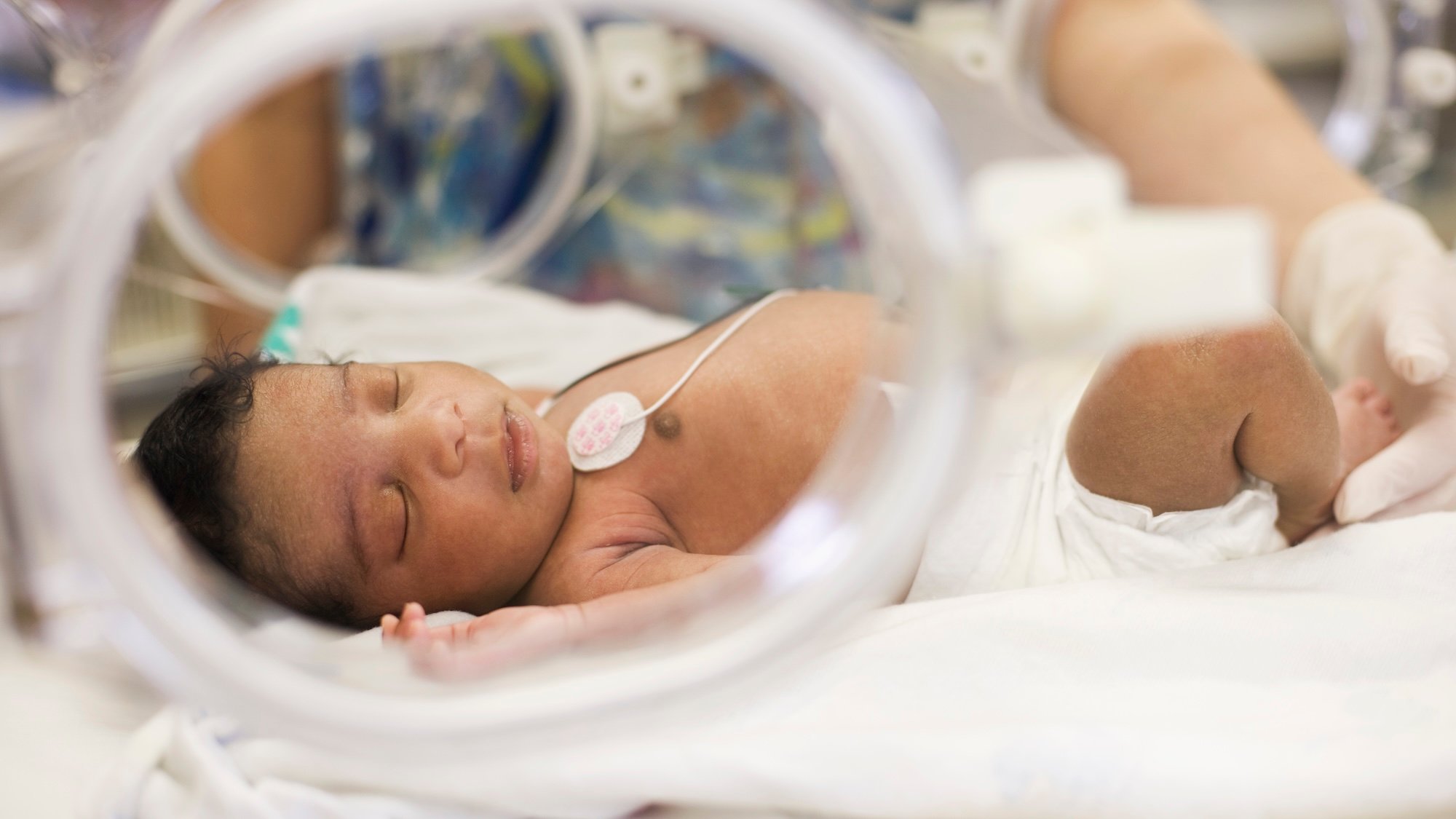
For decades, the neonatal intensive care unit (NICU) has stood as a bastion of modern medicine, utilizing sophisticated incubator technology to dramatically reduce infant mortality rates among premature births. These glass-enclosed environments provide the critical, life-sustaining support necessary for infants born before their systems are fully developed. Yet, despite their life-saving efficacy, traditional incubators have long presented a clinical paradox: they effectively isolate the infant from the essential, nurturing touch of their parents. A groundbreaking new medical device, the Skincubator, is poised to resolve this tension, offering a wearable solution that integrates advanced life support with the physiological benefits of extended skin-to-skin contact.
The clinical importance of skin-to-skin contact, often referred to as "kangaroo care," is well-documented in pediatric research. The World Health Organization (WHO) and various pediatric associations emphasize that infants born before 37 weeks gestation should receive a minimum of eight hours of skin-to-skin contact daily. This practice is not merely an emotional convenience; it is a clinical intervention that helps regulate the infant’s body temperature, bolsters the developing immune system, stabilizes heart rates, and encourages successful breastfeeding. Furthermore, for the parents, this intimate bond is a proven buffer against the high stress of the NICU environment and a potent tool in mitigating the risks of postpartum depression.
The Technological Challenge: Bridging Life Support and Physical Intimacy
The primary barrier to consistent skin-to-skin contact in a traditional NICU setting is the sheer complexity of the life-support equipment required by premature infants. A typical NICU patient may be tethered to a network of ventilators, arterial lines, catheter systems, and monitoring leads. Removing an infant from the controlled, sterile, and temperature-regulated environment of an incubator to place them against a parent’s chest poses significant risks of accidental extubation, thermal instability, or the disruption of critical medical lines.
For years, hospital staff and parents have been forced to navigate a difficult trade-off: prioritize the absolute stability of the machine-based microclimate or accept the inherent risks associated with manual transition for bonding. The Skincubator represents a paradigm shift by internalizing the incubator’s function within a wearable interface. This device functions as a mobile, portable NICU unit. It maintains a precise microclimate—sustaining humidity levels between 70 and 90 percent and temperatures between 84.2 and 87.8 degrees Fahrenheit—while ensuring the infant remains in a secure, stable, and anatomically correct fetal position.
By integrating the necessary ventilator tubes and monitoring lines directly into the wearable frame, the device allows parents to engage in extended physical contact without compromising the child’s medical stability. A specially engineered, retractable pad slides beneath the infant, enabling them to be held against the parent’s skin for hours at a time while remaining functionally connected to their life-support apparatus.
Chronology of Development and Regulatory Milestones
The trajectory of the Skincubator from a conceptual design to a clinical reality spans over four years of intensive research and development. The design process focused on balancing the miniaturization of life-support hardware with the ergonomic requirements of human-to-human contact.
Initial trials were conducted in European medical facilities, most notably in Germany, where researchers sought to quantify the impact of the device on infant vitals and parental stress levels. The data collected during these trials provided the necessary evidence for the Skincubator’s effectiveness. Following these successful international deployments, the developers sought approval in the United States.
In December 2025, the U.S. Food and Drug Administration (FDA) granted the device "Breakthrough Device" designation. This classification is reserved for medical devices that provide for more effective treatment of life-threatening or irreversibly debilitating human conditions. The designation acknowledges that the Skincubator offers significant advantages over existing alternatives, allowing for an expedited regulatory review process. This milestone set the stage for the first U.S.-based clinical trials, which are currently being hosted at prominent medical institutions, including Children’s Memorial Hermann Hospital in Houston.
Clinical Implications and Stakeholder Feedback
The introduction of this technology has been met with optimism from both clinical practitioners and the families participating in the initial trials. Tiffany Ikwuagwu, a mother of twins and one of the first participants in the U.S. trials, described the experience as a transformative shift in the NICU experience. "The fact that I can help regulate the babies’ hearts and help the babies relax, and just have that connection to them, is very special," she stated in a recent interview. Her testimony highlights the dual benefit of the device: it serves the medical needs of the infant while simultaneously facilitating the psychological needs of the parent, which is a critical, yet often overlooked, component of neonatal recovery.
From a clinical standpoint, the Skincubator’s ability to maintain a consistent, stable microclimate while enabling physical contact addresses a major gap in neonatal care. By reducing the frequency of incubator openings and closings—which often result in rapid temperature fluctuations and stress for the infant—the device may contribute to shorter hospital stays and improved developmental outcomes. Pediatricians have noted that the "calming effect" of the parent’s heartbeat and skin temperature often leads to more stable oxygen saturation levels in preterm infants, potentially reducing the duration of ventilation therapy.
Broader Impact on Neonatal Intensive Care
The implications of the Skincubator reach beyond individual patient care; they signal a potential shift in the architecture of NICU departments worldwide. If widespread adoption occurs, hospitals may need to reconsider the design of patient rooms, shifting from a model centered exclusively on static, high-tech hardware to one that accommodates mobile, wearable, and parent-integrated technology.

The economic and systemic impact of such a shift could be substantial. If the Skincubator can reliably reduce the complications associated with preterm birth or accelerate the timeline for transitioning infants to open-air settings, the aggregate cost savings for healthcare systems could be significant. More importantly, the long-term developmental advantages of early, consistent bonding are projected to have lasting positive effects on both the child’s cognitive development and the family’s mental health trajectory.
Looking Ahead: Scaling and Integration
As the Skincubator progresses through its U.S. testing phase, the focus of its creators is shifting toward collaboration with a wider network of healthcare providers. The goal is to standardize the use of the device in major pediatric centers, ensuring that it is not viewed merely as a novelty, but as a standard-of-care advancement.
However, the transition from trial to routine use will require robust training for nursing staff and clinical teams. Integrating a wearable incubator into the daily workflow of a busy NICU necessitates new protocols for patient monitoring and emergency response. As hospitals begin to adopt this technology, they will need to balance the benefits of parental presence with the rigorous safety standards required for the most vulnerable patients.
The evolution of the Skincubator underscores a broader trend in medical technology: the move toward "human-centric" design. For decades, the focus of medical engineering was almost exclusively on the efficacy of the machine. The current generation of medical devices, however, is increasingly focused on how that machine interacts with the human experience. By treating the presence of the parent as a therapeutic variable, the Skincubator is not just changing how we care for premature infants; it is fundamentally altering the environment of the neonatal intensive care unit to better align with the biology of human attachment.
As the device continues to gather data, the medical community will be watching closely to see if it can replicate its initial successes on a larger scale. If it succeeds, the Skincubator could become a cornerstone of modern neonatal care, ensuring that the technology meant to save a child’s life does not also inadvertently prevent the human connection that helps that child thrive. The next phase of development will likely involve long-term follow-up studies, aimed at measuring the impact of Skincubator-facilitated contact on neurological development and the long-term health of preterm infants, providing the empirical foundation for a new era of neonatal medicine.

