
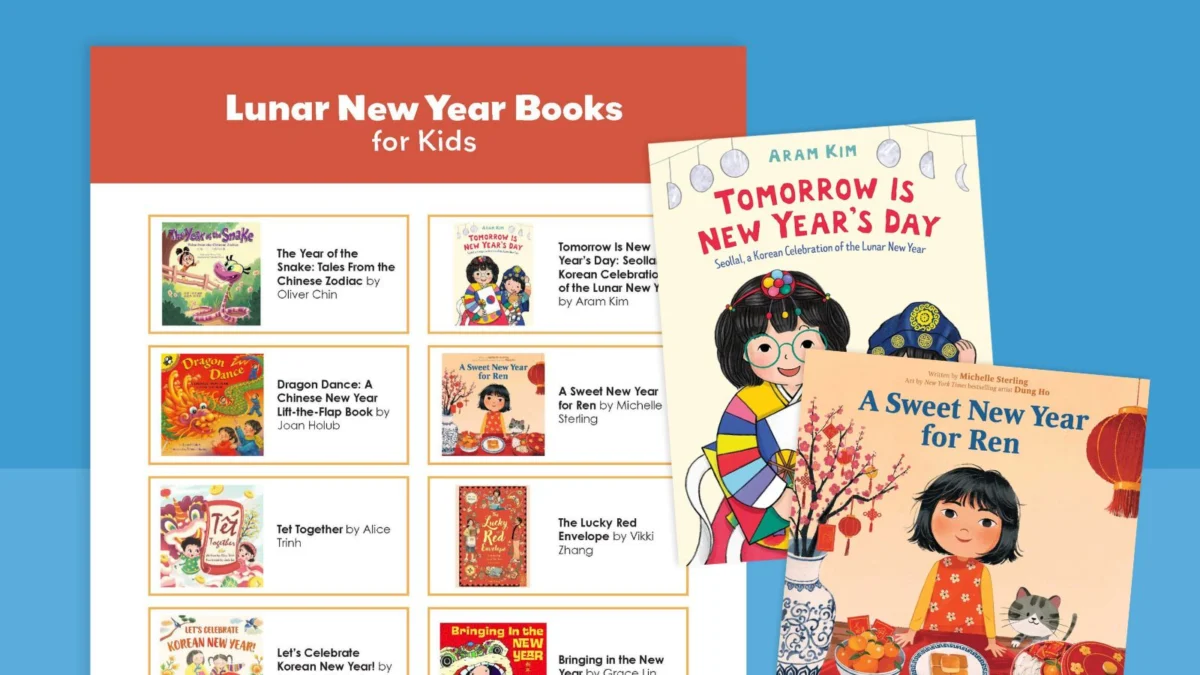
The Lunar New Year, an ancient celebration rooted in lunisolar calendars, serves as a cornerstone of cultural identity for billions of people across East and Southeast Asia and their global diasporas. In 2027, the festivities will culminate on February 6, marking the transition into the Year of the Goat. As schools and educational institutions prepare to integrate these cultural milestones into their curricula, educators are increasingly turning to literature and hands-on activities to foster cross-cultural understanding and global literacy among students.

The Historical and Cultural Significance of the Lunar New Year
Lunar New Year, frequently referred to as the Spring Festival in China or Seollal in Korea, is not merely a single day of celebration but a multi-week phenomenon. Traditionally, the period begins on the eve of the first new moon of the lunar calendar and concludes with the Lantern Festival on the 15th day. Historically, this period was characterized by a thorough cleaning of the home to "sweep away" the misfortunes of the previous year, settling outstanding debts, and honoring ancestors.
The calendar operates on a twelve-year cycle, with each year represented by one of the animals in the Chinese zodiac. The goat—sometimes referred to as the sheep or ram—is the eighth animal in the cycle. Folklore surrounding those born in the Year of the Goat suggests they possess traits of creativity, empathy, and diligence. These cultural narratives are frequently utilized in classroom settings to facilitate social-emotional learning, as they encourage students to reflect on their own character strengths and the value of community contribution.

2027: The Year of the Goat in Context
The arrival of the Year of the Goat in 2027 carries specific cultural weight. In many Asian traditions, the goat is seen as a symbol of peace and prosperity. The animal’s nature is often depicted as gentle, yet resilient—a dichotomy that offers fertile ground for classroom discussions regarding conflict resolution and perseverance.
Data from the United Nations Educational, Scientific and Cultural Organization (UNESCO) suggests that the incorporation of diverse cultural traditions into early childhood and primary education significantly boosts students’ empathy scores and global awareness. By moving beyond a surface-level celebration of red envelopes and fireworks, educators can provide a nuanced look at how various nations, including Vietnam (Tet), Korea (Seollal), and Taiwan, interpret the arrival of the new spring through unique, localized customs.
A Curated Educational Approach: Bridging Literature and Practice
To effectively teach the complexities of the Lunar New Year, educational experts emphasize a multi-disciplinary approach that combines literacy, history, and creative arts. The following resources serve as a framework for classroom engagement.
Integrating Narrative Literature
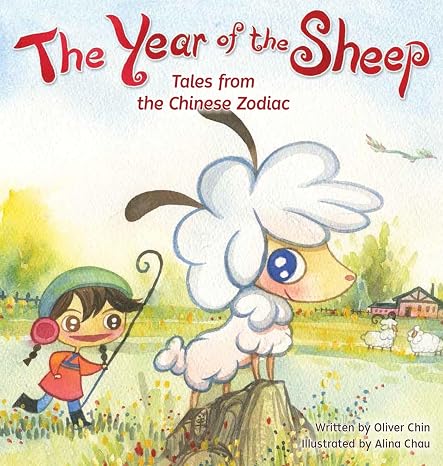
The use of picture books has proven to be an effective bridge for young learners (Grades K–4) to connect with foreign customs. Works such as "The Year of the Sheep: Tales From the Chinese Zodiac" by Oliver Chin provide a narrative structure for discussing social-emotional themes. In this story, the protagonist—a young lamb—navigates the pressure of expectations and eventually uses her unique traits to support her community. This serves as a practical tool for teaching students that individual differences are assets rather than liabilities.
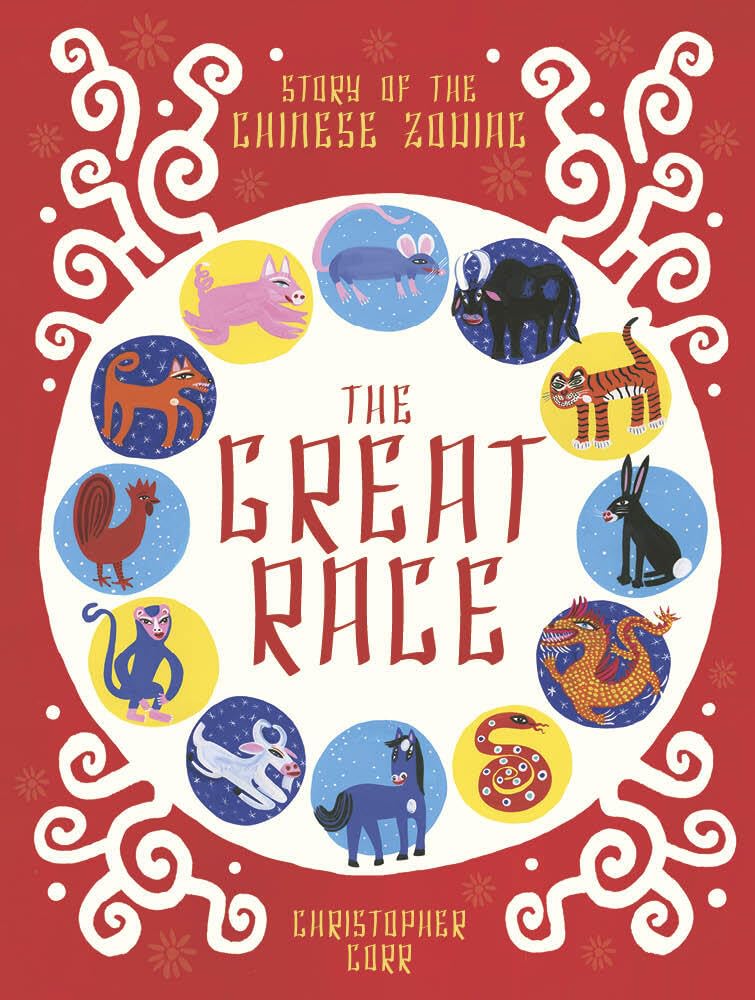
Similarly, "The Great Race: Story of the Chinese Zodiac" by Christopher Corr offers a foundational understanding of the zodiac’s origin. The legend of the race, which determined the sequence of the twelve animals, acts as a mnemonic device that helps students memorize the cycle while exploring themes of competition and cooperation.
Cultural Specificity and Regional Variations
It is critical for educational programming to avoid treating the Lunar New Year as a monolith. "Tomorrow Is New Year’s Day: Seollal, a Korean Celebration of the Lunar New Year" by Aram Kim highlights the specific customs of the Korean peninsula, such as the exchange of the bokjumeoni (lucky pouch). Providing these regional distinctions helps students understand that while the festival is unified by the lunar cycle, its execution is diverse.

Likewise, "Tet Together" by Alice Trinh explores the Vietnamese tradition of Tet, emphasizing the importance of family reflection. Educators often use these texts to host "cultural fairs" where students can research specific traditions and present them to their peers, thereby building research skills alongside cultural competency.
Hands-on Engagement and Practical Classroom Activities
The pedagogical value of these lessons is significantly enhanced through experiential learning. Research indicates that when students participate in the creation of cultural artifacts, their retention of the underlying history improves by approximately 30 percent.

- The Construction of Symbols: Activities such as creating red envelopes (hongbao) are not merely crafts; they are opportunities to discuss the concepts of generosity and well-wishing. When students write their goals for the upcoming year inside these envelopes, they are engaging in a practice of intentionality and self-reflection.
- Culinary History: Projects involving traditional foods, such as the Taiwanese pineapple cake or Korean mandoo, provide a tangible link to geography and economics. If classroom cooking is restricted, research-based assignments regarding the significance of these foods in their respective cultures can serve as an effective substitute.
- Linguistic Exploration: Bilingual books like "Chinese New Year Colors" by Rich Lo serve as entry points for language arts. By introducing basic characters alongside English text, educators help students appreciate the intricacies of logographic languages, which can be an eye-opening experience for students primarily exposed to alphabetic systems.
Broader Impact and Global Implications
The observance of the Lunar New Year in schools is reflective of a broader societal shift toward inclusive education. As the global population becomes increasingly interconnected, the ability to navigate different cultural landscapes is becoming a requisite skill for the 21st-century workforce.
Furthermore, the focus on themes such as immigration—highlighted in books like "Friends Are Friends, Forever"—allows educators to address the complexities of the modern migrant experience. By exploring how families carry their traditions to new environments, students gain a deeper understanding of the multicultural fabric of their own communities.

Administrative and Teacher Perspectives
Educational leaders emphasize that the success of these programs lies in their consistency and depth. Rather than a "one-off" holiday celebration, the most effective curricula integrate these cultural lessons throughout the academic term.
"The goal is to move from ‘tourist’ versions of cultural events to an authentic understanding of the values these traditions represent," says one curriculum developer. By providing teachers with structured, reliable resources—such as printable lesson plans and vetted reading lists—schools ensure that the celebration of the Lunar New Year remains an educational priority rather than a perfunctory obligation.

Conclusion
As February 6, 2027, approaches, the transition into the Year of the Goat offers a timely opportunity for reflection and growth. Through the careful selection of literature and the implementation of active, inquiry-based projects, educators can transform the Lunar New Year from a simple calendar date into a meaningful classroom experience. By fostering an environment where traditions are respected and understood, schools can better prepare students for the globalized reality that awaits them. The integration of these materials not only honors the diverse backgrounds of students but also equips all learners with the curiosity and empathy required to navigate an increasingly complex world.

