
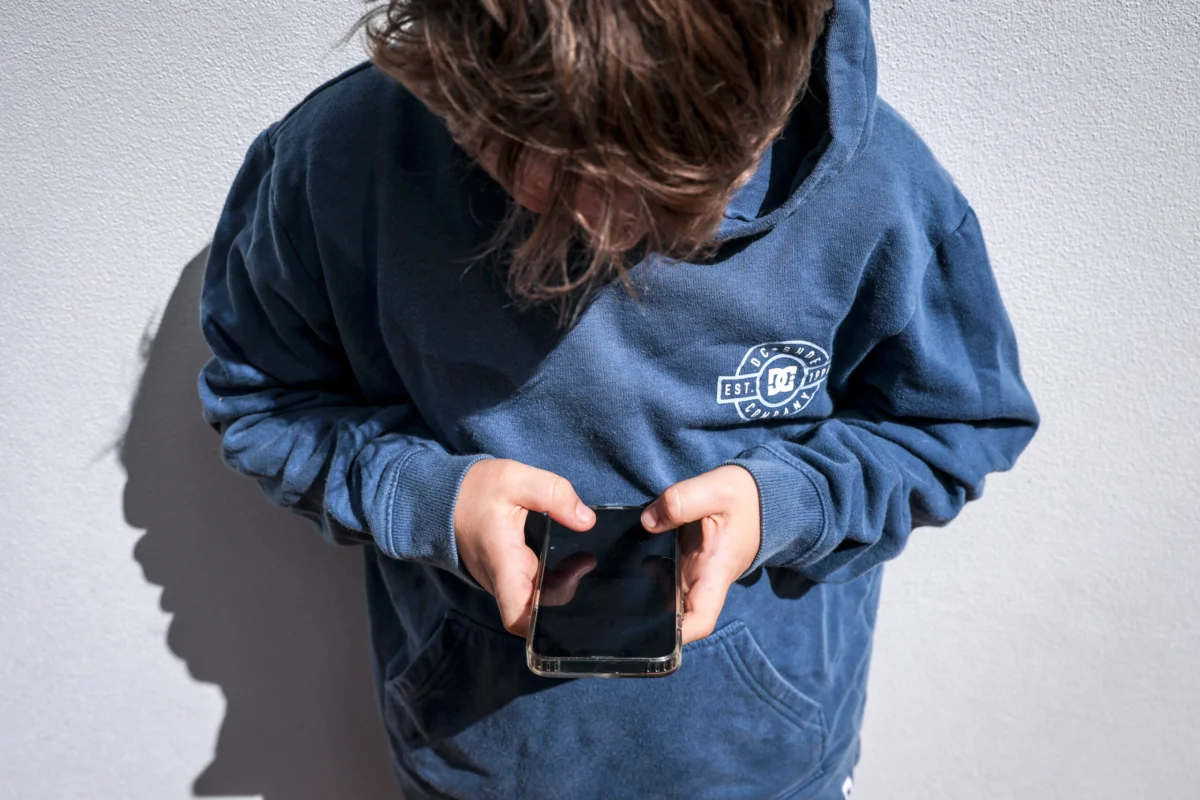
The global landscape of digital regulation is undergoing a significant transformation as an increasing number of countries move to restrict social media access for children and teenagers. This burgeoning trend, spearheaded by Australia’s pioneering legislation late last year, signals a growing international consensus on the need to address the myriad risks associated with early and unfettered online engagement. France has become the latest nation to announce stringent measures, joining a growing list of countries implementing or considering bans aimed at safeguarding young users from cyberbullying, addiction, mental health challenges, and exposure to predatory individuals.
The impetus behind these legislative efforts stems from mounting concerns over the psychological and social development of young people in an increasingly digital world. Experts and policymakers alike are pointing to a correlation between extensive social media use and a rise in anxiety, depression, sleep disturbances, and body image issues among adolescents. The addictive design of many platforms, coupled with algorithms that can amplify harmful content, has amplified these worries, prompting governments to intervene.
While the intentions are clear, the implementation of such bans is not without its challenges and criticisms. Privacy advocates and digital rights organizations, such as Amnesty Tech, have raised alarms about the potential for invasive age verification technologies and the expansion of government surveillance into personal online activities. Critics argue that outright bans are a blunt instrument that may not effectively address the root causes of online harms and could alienate younger generations who rely on these platforms for social connection and information. Despite these reservations, the momentum for legislative action appears to be irreversible, with nations forging ahead with proposals and enactments.
Australia Sets a Global Precedent
In December 2025, Australia made history by becoming the first country to implement a nationwide ban on social media for individuals under the age of 16. This landmark decision targets a broad spectrum of popular platforms, including Facebook, Instagram, Snapchat, Threads, TikTok, X (formerly Twitter), Reddit, Twitch, and Kick. Notably, messaging services like WhatsApp and specialized platforms such as YouTube Kids remain exempt, suggesting a focus on the more public-facing and potentially riskier social networking sites.
The Australian government has placed the onus on social media companies to actively prevent underage users from accessing their services. Under the new regulations, platforms are required to employ robust age verification methods, moving beyond self-declaration by users. Failure to comply with these stringent requirements could result in substantial financial penalties, with companies facing fines of up to $49.5 million AUD (approximately $34.4 million USD). This punitive approach underscores the seriousness with which the Australian government views the issue and its determination to compel platform accountability. The effectiveness of these measures will be closely scrutinized, serving as a crucial benchmark for other nations considering similar legislation.
A Growing International Coalition
The Australian model has clearly resonated globally, inspiring a wave of similar legislative proposals and enactments across continents. The common thread weaving through these diverse national initiatives is the shared objective of fostering a safer digital environment for minors.
Austria: Proposing a Younger Age Limit
In late March, Austria announced its intention to implement a ban on social media for children up to the age of 14. Draft legislation is reportedly being finalized, with an expected completion by June. This move indicates a proactive stance by the Austrian government in addressing the vulnerabilities of even younger adolescents to the potential harms of social media.
Canada: Balancing Protection with Platform Responsibility
Canada has taken a significant step by introducing a digital safety bill in early June, which proposes a ban on social media for individuals under 16. However, the legislation includes a provision allowing social media giants to circumvent the ban if they can demonstrate the implementation of effective policies designed to protect young users. This nuanced approach suggests a desire to foster collaboration between governments and tech companies, rather than solely imposing punitive measures. The bill is expected to undergo a lengthy parliamentary process, potentially taking up to a year to pass.
Denmark: Securing Cross-Party Support for a Ban
Denmark has emerged as another proponent of restricting social media access for minors. In November 2025, the Danish government announced that it had secured crucial support from three governing coalition parties and two opposition parties for a ban targeting children under 15. This broad parliamentary consensus bodes well for the swift passage of legislation, with potential enactment by mid-2026. The Danish digital affairs ministry is also developing a "digital evidence" app, which will incorporate age verification tools that could play a role in enforcing the ban.
France: Extending Digital Restrictions
France has moved decisively, passing a law on July 21 that prohibits access to social media for anyone under the age of 15. This legislation is slated to take effect as early as September 1. In a broader move to curb digital distractions, the law also extends a ban on cellphone use to all high schools, building upon existing restrictions in primary and middle schools. This dual approach highlights France’s commitment to creating a more focused and less digitally saturated environment for its youth.
Germany: Debates and Hesitations
In early February, Germany’s conservative party, led by Chancellor Friedrich Merz, discussed a proposal to restrict social media access for children under 16. However, reports indicate that the center-left coalition partners have expressed reservations about an outright ban, suggesting that the path to legislative action in Germany may be more complex and subject to negotiation.
Greece: Tackling Anxiety and Sleep Issues
Greek Prime Minister Kyriakos Mitsotakis announced in April that the country will ban access to social media for children under 15, effective January 2027. The Prime Minister explicitly cited the rising rates of anxiety and sleep problems among children, as well as the addictive nature of social media platforms, as key drivers for this decision. This statement underscores the direct link being drawn between social media use and tangible health concerns.
Indonesia: A Broad Sweep of Online Platforms
Indonesia declared in early March its intention to ban children under the age of 16 from using social media and other popular online platforms. The country plans to initially focus on widely used platforms such as YouTube, TikTok, Facebook, Instagram, Threads, X, Bigo Live, and Roblox. This comprehensive approach signals a significant regulatory shift in one of the world’s most populous nations.
Malaysia: Implementing a Ban This Year
The Malaysian government announced in November 2025 its plan to ban social media for children under 16, with the implementation targeted for the current year. This indicates a swift move towards regulatory action in Southeast Asia.
Poland: Drafting Legislation for Under-15s
Poland’s ruling party is currently drafting new legislation that would prohibit children under 15 from using social media. This initiative, reported in February, places Poland among a growing number of European nations seeking to regulate youth access to online platforms.
Slovenia: Focusing on Regulating Content Sharing
Slovenia is actively preparing legislation to prohibit children under 15 from accessing social media platforms, according to an announcement by the country’s deputy prime minister in early February. The government’s focus appears to be on regulating networks where content is shared, specifically mentioning platforms like TikTok, Snapchat, and Instagram.
Spain: Accountability for Social Media Executives
In early February, Spain’s Prime Minister announced plans to ban social media for children under 16, pending parliamentary approval. Beyond age restrictions, Spain is also exploring legislation to hold social media executives personally accountable for instances of hate speech occurring on their platforms. This dual approach addresses both user safety and content moderation responsibilities.
Turkey: Parliamentary Approval Pending
The Turkish parliament passed a bill in April that aims to restrict social media access for children under 15. The legislation awaits final approval from Turkish President Recep Tayyip Erdogan before it can be enacted into law, indicating a critical final step in the regulatory process.
United Kingdom: "Giving Kids Their Childhood Back"
In a significant policy shift, UK Prime Minister Keir Starmer announced on June 15 that his government will implement a ban on social media use for children under 16. This measure, framed as an effort to "give kids their childhood back," will affect a wide array of platforms, including Snapchat, TikTok, YouTube, Instagram, Facebook, and X. Similar to other initiatives, messaging services like WhatsApp and Signal will be excluded. The government is also addressing the proliferation of AI tools, mandating that AI "romantic companion" chatbots must be restricted to users over 18. While acknowledging the enforcement challenges, Starmer expressed confidence in the possibility of implementing the ban by spring 2027.
Data and Emerging Trends
The accelerating pace of these legislative actions is underscored by a significant increase in reported instances of cyberbullying and mental health issues among young people. Studies from various public health organizations have indicated a correlation between increased screen time, particularly on social media, and negative psychological outcomes. For instance, data from the Pew Research Center has consistently shown high rates of social media use among teenagers, with a significant percentage reporting experiencing online harassment.
The technological aspect of age verification is also becoming a critical focal point. As governments demand more robust measures from social media companies, there is a growing demand for innovative and privacy-preserving age assurance technologies. These could include a range of methods, from facial recognition analysis that estimates age without storing biometric data, to third-party verification services that confirm identity and age through existing digital records. The development and adoption of such technologies will be crucial for the successful implementation and enforcement of these bans.
Implications and Future Outlook
The global trend towards restricting social media access for minors carries profound implications for the digital economy, child development, and the future of online governance.
- Impact on Tech Companies: Social media platforms face the immediate challenge of adapting their services to comply with a patchwork of international regulations. This could lead to increased development costs for age verification systems, potential loss of young users, and a need for more nuanced content moderation policies tailored to different age groups and regions.
- Child Development: The long-term effects of these bans on adolescent social development, digital literacy, and access to information are yet to be fully understood. Proponents argue that it will foster healthier offline interactions and reduce exposure to harmful content. Critics worry about potential social isolation and a digital divide for those who are excluded.
- Governmental Oversight: The increasing intervention of governments in the digital lives of citizens raises broader questions about online freedom of expression, privacy, and the balance of power between the state and technology companies. The efficacy of these bans will depend heavily on robust enforcement mechanisms and ongoing dialogue between policymakers, industry, and civil society.
As more countries join the growing movement to protect young users, the global conversation around digital well-being is evolving from discussion to decisive action. The coming years will be critical in assessing the effectiveness of these legislative measures, their unintended consequences, and the ongoing adaptation of both technology and policy in shaping the digital experiences of the next generation. This evolving regulatory landscape presents a complex interplay of protection, privacy, and the fundamental right to a safe and healthy childhood in the digital age.

