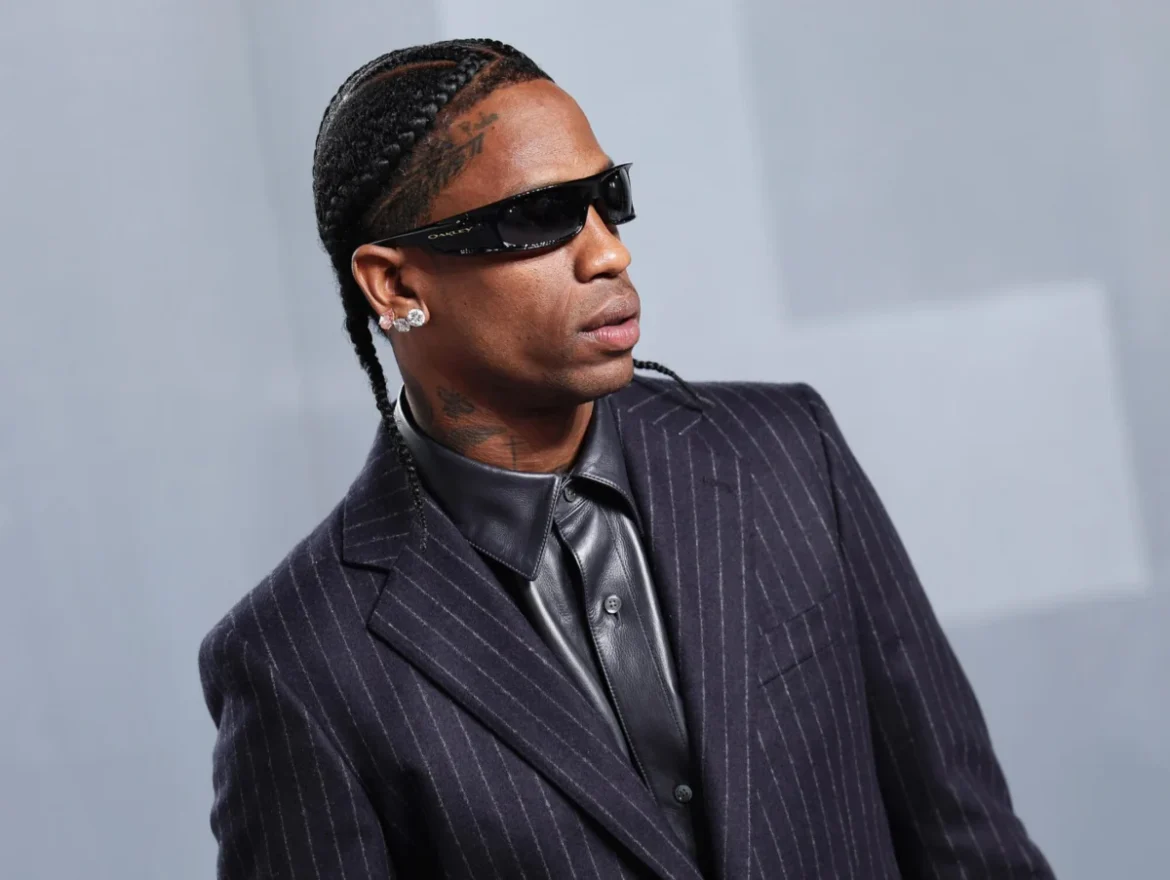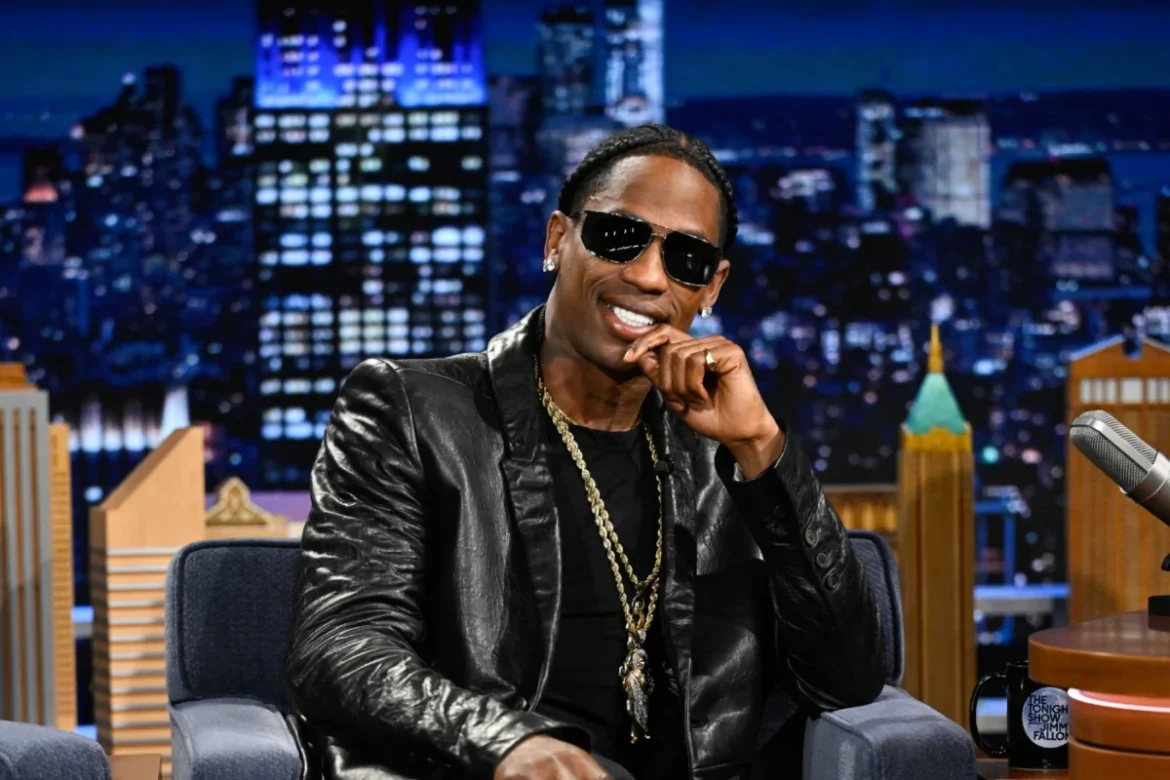
Rapper Travis Scott recently offered an in-depth look into his surprising foray into acting for Christopher Nolan’s latest cinematic endeavor, "The Odyssey," and the collaborative creation of its poignant end credits song, "When I’m Home." Speaking on "The Tonight Show" with host Jimmy Fallon, Scott, whose musical contributions have previously graced Nolan’s films, revealed the unexpected path that led him to a role on screen, not just behind the soundboard. This marks a significant milestone for the artist, as "The Odyssey" has achieved the coveted No. 1 position at the box office, a first for Scott’s filmography.
The artist expressed the profound difference this achievement makes, stating, "It feels way different." He elaborated on the broader impact, noting that even his former high school theater teacher had reached out to his mother. This recognition, Scott implied, represented a validation from those who had previously guided him, suggesting a shift from being "scolded" for potential in his youth to being acknowledged for a significant professional accomplishment. He humorously remarked, "All the people [who] were scolding you in when you were in school, trying to make you a great human, are like, ‘You finally did something good.’"
This collaboration with Nolan is not Scott’s first foray into contributing to the director’s films. He previously lent his voice to the end credits song for Nolan’s 2020 science fiction thriller, "Tenet." However, the genesis of his involvement in "The Odyssey" took a markedly different turn. Instead of being approached for a musical contribution, Nolan initially extended an offer for Scott to step into an acting role.
Scott recounted the moment he received the pivotal call from the acclaimed director. "My phone went off and it just said Chris," he recalled, admitting his initial bewilderment. "I was thinking, ‘Okay, I don’t know what this is about. Maybe he wants to go to a show.’" The surprise intensified when he answered. "So I pick up and he’s like, ‘Would you be interested in acting in a movie?’" Scott confessed his disbelief, even questioning if the offer was directly from Nolan, speculating it might have been for another project.
Describing Nolan as "a real mentor of mine," Scott conveyed a strong desire to be involved in any project the filmmaker was undertaking. In "The Odyssey," Scott portrays a Greek bard, tasked with narrating Odysseus’s triumphs during the Trojan War. Despite his enthusiasm, Scott admitted to experiencing significant trepidation about the acting aspect of the role. "I was nervous as F," he stated candidly.
The rapper revealed his initial surprise at the caliber of his co-stars. "I didn’t know that it was going to be Anne Hathaway, Tom [Holland], and Robert Pattinson," he confessed, listing a constellation of acclaimed actors. "A bunch of amazing people. And I don’t know what the fuck I’m doing." Nevertheless, he acknowledged the supportive environment on set, attributing his comfort to Nolan’s direction and the camaraderie of the cast. "Chris is an amazing director. Everybody made me feel comfortable. I was just glad to be there and to watch him," Scott added.
Maintaining the secrecy surrounding his role proved to be a challenge, but not in the way one might expect. While keeping his involvement under wraps was manageable, Scott found it difficult to convey the authenticity of his contribution to others. "I didn’t want people to think I got placed in this," he explained, emphasizing his desire for his role to be perceived as earned.
The idea of contributing an end credits song to "The Odyssey" was a hope Scott harbored, but it wasn’t until Nolan had a rough cut of the film that the opportunity arose. Collaborating with composer Ludwig Göransson, who also helmed the film’s score, and artist James Blake, Scott co-wrote and recorded "When I’m Home." A music video for the track, personally directed by Scott, was slated for release the following week, further extending his creative footprint on the project.
Nolan’s Vision: Oral Poetry and Rap
Christopher Nolan himself has previously shed light on his rationale for casting Travis Scott in "The Odyssey." Speaking on the artist’s unique connection to the narrative, Nolan explained, "I cast [Scott] because I wanted to nod towards the idea that this story has been handed down as oral poetry, which is analogous to rap." This statement underscores Nolan’s appreciation for the performative and narrative traditions inherent in both ancient oral storytelling and modern hip-hop. The bardic tradition, which involves the recitation and singing of epic tales, shares a fundamental kinship with the lyrical storytelling and rhythmic delivery characteristic of rap music. By casting Scott, Nolan sought to imbue the film with a contemporary resonance that acknowledges these historical parallels, bridging ancient traditions with modern artistic expression.
A Legacy of Musical Collaborations in Nolan’s Cinema
Travis Scott’s casting in "The Odyssey" places him within a distinguished lineage of musicians whom Christopher Nolan has enlisted for his films. This practice, while perhaps not as extensive as some directors, has consistently yielded memorable and impactful contributions.
One of the most iconic instances is the casting of David Bowie as the enigmatic inventor Nikola Tesla in the 2006 period thriller, "The Prestige." Bowie, already a global music icon, brought a unique gravitas and otherworldly presence to the role, perfectly embodying the visionary yet eccentric genius. His performance was widely lauded for its subtlety and power, further cementing his status as a multifaceted artist.
More recently, Harry Styles, the former member of One Direction and now a global pop superstar, made a significant acting debut in Nolan’s 2017 war epic, "Dunkirk." Styles portrayed Alex, a young soldier caught in the harrowing evacuation of Dunkirk. His performance, alongside a seasoned ensemble cast, demonstrated a surprising aptitude for dramatic acting, marking a pivotal moment in his transition from music to film. This role was one of Styles’s earliest major ventures into acting and garnered considerable attention for his surprising effectiveness on screen.
These casting choices highlight Nolan’s tendency to look beyond traditional acting backgrounds, seeking out artists who can bring a distinct persona and creative energy to his projects. Whether it’s Bowie’s ethereal presence or Styles’s earnest portrayal, these musicians have consistently enriched Nolan’s cinematic universes.
"The Odyssey": Box Office Dominance and Cultural Resonance
"The Odyssey," even in its early release phase, has demonstrated significant box office prowess, a testament to both Christopher Nolan’s directorial brand and the film’s compelling narrative. Achieving the No. 1 spot signifies a strong audience reception and a successful launch in a competitive cinematic landscape. The film’s success is likely driven by several factors:
- Nolan’s Brand: Christopher Nolan has cultivated a dedicated fanbase that anticipates his films with a high degree of enthusiasm. His reputation for delivering intellectually stimulating and visually spectacular movies often guarantees strong opening weekends.
- Star-Studded Cast: The ensemble cast, featuring established stars like Anne Hathaway, Tom Holland, and Robert Pattinson, naturally draws a broad audience.
- Epic Scope and Storytelling: "The Odyssey," drawing from a timeless epic, offers a narrative with universal themes of journey, resilience, and heroism, appealing to a wide demographic.
- Musical Contribution: The integration of Travis Scott’s song, "When I’m Home," coupled with his acting role, provides an additional layer of appeal for his extensive fanbase, potentially drawing in a younger and more diverse audience segment.
The film’s box office performance is not merely a financial metric but also an indicator of its cultural penetration. A No. 1 opening suggests that "The Odyssey" has captured the public’s imagination and is likely to be a significant topic of discussion within popular culture for the foreseeable future.
The Genesis of "When I’m Home"
The creation of "When I’m Home" for "The Odyssey" serves as a fascinating case study in film scoring and song integration. The process began with Nolan’s specific vision for the end credits, a crucial element for many viewers to process the film’s themes and narrative arc.
Travis Scott’s initial hope was for Nolan to request a song for the credits. This aspiration materialized after Nolan had completed a rough cut of the film, allowing him to better conceptualize how music could complement the closing moments. The collaboration with Ludwig Göransson, a frequent Nolan collaborator known for his innovative scores, and the Grammy-winning artist James Blake, brought together a formidable creative team.
- Ludwig Göransson: His involvement as the film’s composer provided a foundational understanding of the movie’s sonic landscape. Göransson’s ability to blend orchestral elements with modern textures is a hallmark of his work, and his score for "The Odyssey" likely laid the groundwork for the emotional tone of "When I’m Home."
- James Blake: Known for his soulful vocals and atmospheric electronic music, Blake’s contribution would have added a layer of emotional depth and introspection to the track. His signature style often explores themes of longing, connection, and introspection, which could resonate deeply with the epic journey depicted in "The Odyssey."
- Travis Scott: As the primary vocalist and lyricist, Scott’s artistic vision would have guided the song’s narrative and thematic direction. His ability to weave personal experiences and relatable emotions into his music would have been key to creating a song that connected with the film’s overarching message.
The collaborative process likely involved extensive discussions between Scott, Göransson, and Blake, with Nolan providing overarching creative direction. The goal would have been to craft a song that not only sounded compelling but also served as a thematic epilogue to the film, leaving a lasting impression on the audience. The impending release of a music video directed by Scott himself further underscores the integrated approach to promoting the song and its connection to the film.
Broader Implications and Future Trajectories
Travis Scott’s dual role in "The Odyssey" as both an actor and a musician signifies a growing trend of artists transcending traditional creative boundaries. His successful integration into a major Nolan production suggests a potential for further exploration of acting opportunities, building upon the foundation laid by this significant role. This venture also reinforces the evolving relationship between the music and film industries, where artists are increasingly sought after for their ability to contribute to projects across multiple creative disciplines.
For Christopher Nolan, the casting of Scott aligns with his continued interest in exploring unconventional avenues for storytelling and artistic expression. His past choices, from David Bowie to Harry Styles, demonstrate a willingness to harness the unique talents of musicians to enhance his films. This approach not only adds an element of surprise and intrigue to his casting but also allows for novel interpretations of characters and narratives.
The success of "The Odyssey" and its accompanying soundtrack, featuring "When I’m Home," could pave the way for more artists to find roles in major cinematic productions. It also highlights the power of collaborative creation in producing impactful artistic works that resonate with diverse audiences. As the film continues its run, the full impact of Travis Scott’s contributions, both on screen and in song, will undoubtedly be a subject of continued discussion and analysis within the entertainment sphere. The convergence of his distinct artistic voice with Nolan’s visionary filmmaking has yielded a notable addition to the director’s celebrated filmography.