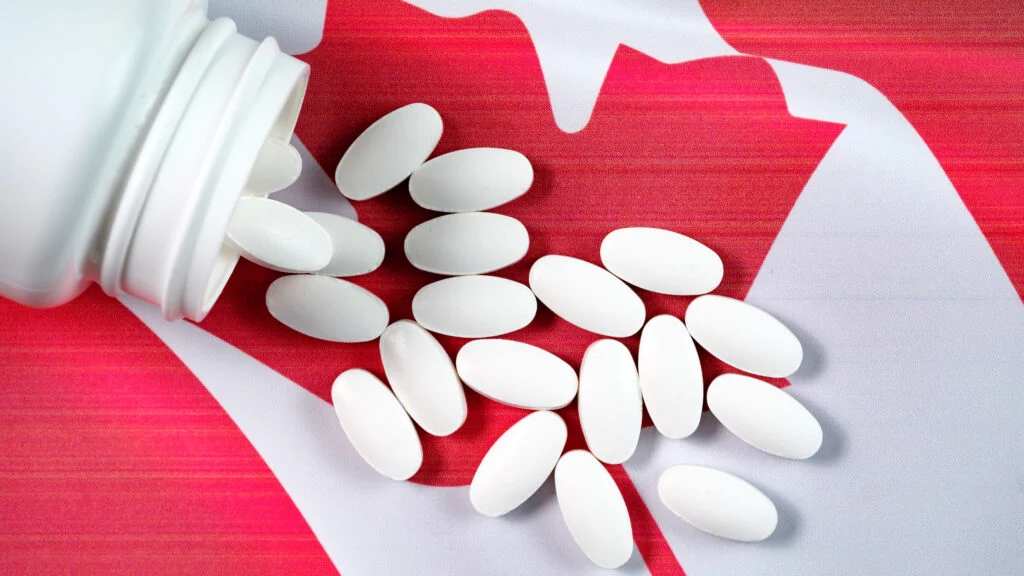
A growing coalition of bipartisan lawmakers is pressuring the Trump administration to reconsider a looming federal mandate that threatens to effectively dismantle the long-standing practice of Americans importing affordable prescription medications from licensed international pharmacies. The rule, scheduled to take effect next month, imposes rigorous customs requirements on small-package mail shipments, a move that critics argue will function as a de facto ban on life-saving cost-saving measures for millions of patients.
At the center of the controversy is a federal directive concerning the indefinite suspension of the "de minimis" exemption for mail shipments. Under the new protocol, medicines mailed from abroad will be subject to a cumbersome customs entry process. This mandates that every shipment be processed through a licensed customs broker and requires the purchaser to secure a financial guarantee, known as an entry bond. For the average consumer looking to purchase insulin, asthma inhalers, or cardiovascular medication from Canada or Europe, these administrative hurdles represent an insurmountable financial and logistical barrier.
The Evolution of Personal Drug Importation
The practice of Americans seeking pharmaceuticals abroad is not a recent phenomenon; it is a two-decade-old response to the stark disparity between U.S. drug prices and those in the international market. In the early 2000s, this trend gained national attention as thousands of Americans organized "bus trips" to Canadian border towns to access lower-cost prescriptions.
Despite the persistent demand, the legal landscape has remained complex. Under the Federal Food, Drug, and Cosmetic Act, it is technically illegal for individuals to import most prescription drugs into the United States. The Food and Drug Administration (FDA) has consistently maintained that drugs not approved for the U.S. market lack the agency’s rigorous safety and efficacy oversight. However, for years, the federal government adopted a policy of "enforcement discretion," generally allowing personal-use imports—typically a 90-day supply—to pass through customs without aggressive intervention, provided the drugs did not pose an obvious risk.
The new rule represents a significant shift from that historical tolerance. By removing the de minimis exemption, which previously allowed low-value shipments to enter the country with minimal oversight, the administration is effectively weaponizing customs bureaucracy against the patient-driven importation market.

Economic Implications for American Patients
The economic backdrop of this conflict is defined by the soaring cost of prescription drugs in the United States. According to data from the Kaiser Family Foundation and various pharmaceutical price indices, Americans pay, on average, two to four times more for the same brand-name medications than citizens in peer nations. For patients managing chronic conditions, the difference between a U.S. pharmacy price and a Canadian or European pharmacy price can be the difference between adherence to a treatment regimen and skipping doses.
The requirement for a licensed customs broker alone is estimated to cost between $50 and $200 per transaction, depending on the service provider. When combined with the administrative costs of securing an entry bond, the price of a single shipment of medication could increase by several hundred percent, rendering the price advantage of international purchasing entirely void.
Industry analysts suggest that this rule is likely to disproportionately affect seniors on fixed incomes and individuals with rare diseases who rely on specialized therapies that are significantly cheaper in international markets. "This is not merely an administrative tweak," says a policy advisor familiar with the lobbying efforts. "This is a structural change that closes the valve on an essential safety valve for American families."
Congressional Response and Political Pressure
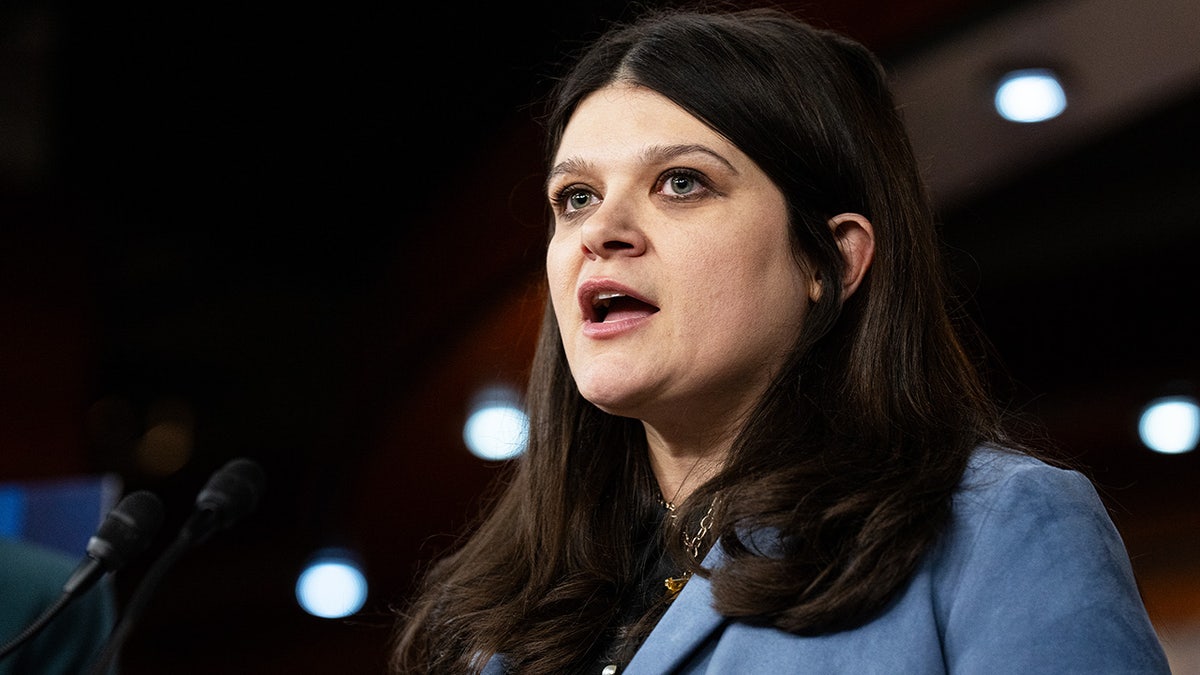
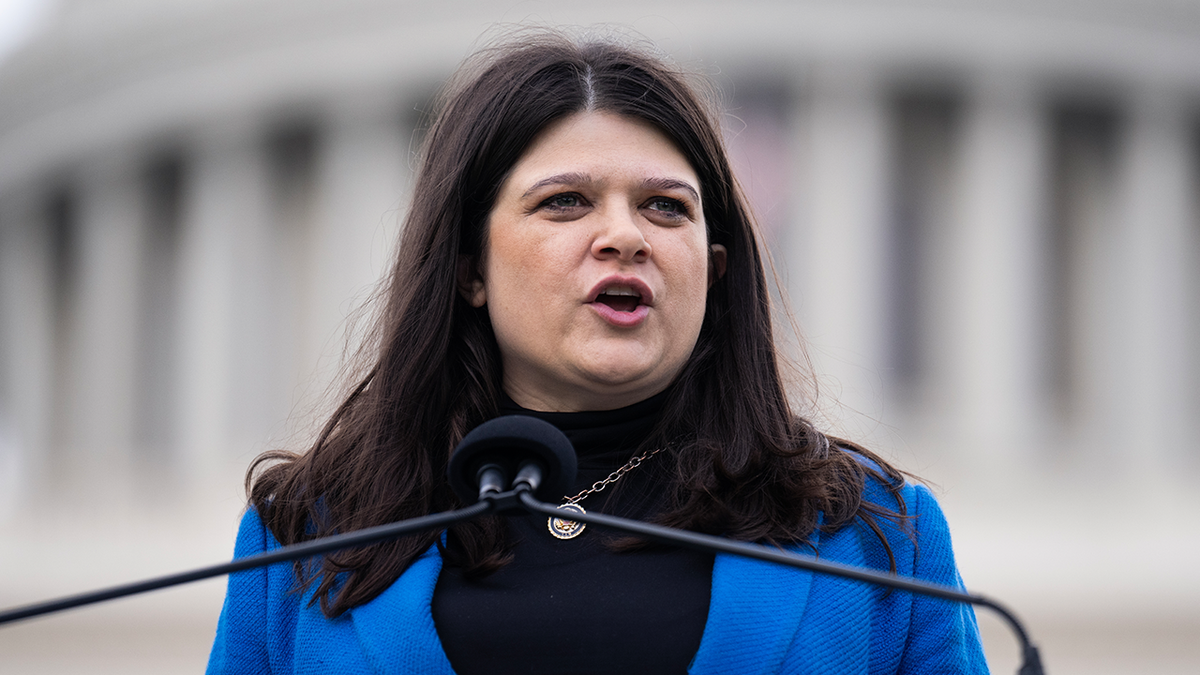
Lawmakers from both sides of the aisle have begun to voice their opposition, framing the issue as a matter of consumer protection and economic relief. A letter currently circulating among members of Congress highlights the concern that the administration’s rule prioritizes the protection of pharmaceutical industry profit margins over the health outcomes of the American public.
Legislators are questioning the timing and the rationale behind the rule. While the administration argues that the measure is intended to improve security and prevent the entry of counterfeit or illicit substances, critics argue that licensed international pharmacies in countries like Canada and the United Kingdom already adhere to strict safety standards comparable to those of the United States. They contend that the administration should be focusing on securing the supply chain against bad actors rather than penalizing patients who source medication from reputable, regulated international providers.
The Regulatory Chronology
The path to this rule began in mid-2026, when federal agencies, citing concerns over the rising volume of small-package imports and the potential for fentanyl and other illicit substances to bypass traditional inspection channels, proposed tighter scrutiny.

- June 2026: The Federal Register publishes the notice for the "Indefinite Suspension of the De Minimis Exemption for Mail Shipments." The announcement frames the move as a national security and public health necessity.
- July–August 2026: A period of public comment follows, during which patient advocacy groups and pharmacy associations express significant concern over the impact on patient access.
- September 2026: As the implementation date approaches, opposition intensifies. Lawmakers begin drafting formal requests for the administration to delay or rescind the rule, citing the lack of a viable alternative for patients who depend on these imports.
- October 2026 (Upcoming): The rule is set to go into effect, marking a pivotal moment in the administration’s pharmaceutical trade policy.
Fact-Based Analysis of Broader Impacts
The implications of this rule extend beyond the individual consumer. For the pharmaceutical industry, the move is a long-sought victory. Domestic drug manufacturers have long lobbied against personal importation, arguing that it undermines the integrity of the U.S. drug distribution system and threatens the innovation model that relies on high domestic pricing.
However, from a public health perspective, the consequences may be counterproductive. If patients can no longer access affordable, safe international medication, they may turn to high-risk alternatives, such as purchasing drugs from unregulated online marketplaces that lack the oversight of legitimate international pharmacies. Furthermore, the loss of access may lead to increased hospitalizations and emergency room visits as patients with chronic conditions are forced to ration their medication due to cost.
Analysts also point to the potential for a "chilling effect" on trade relations. While the administration characterizes the rule as an internal security measure, international partners may view it as an aggressive trade barrier, potentially prompting retaliatory actions or formal complaints through international trade bodies.
The Path Forward
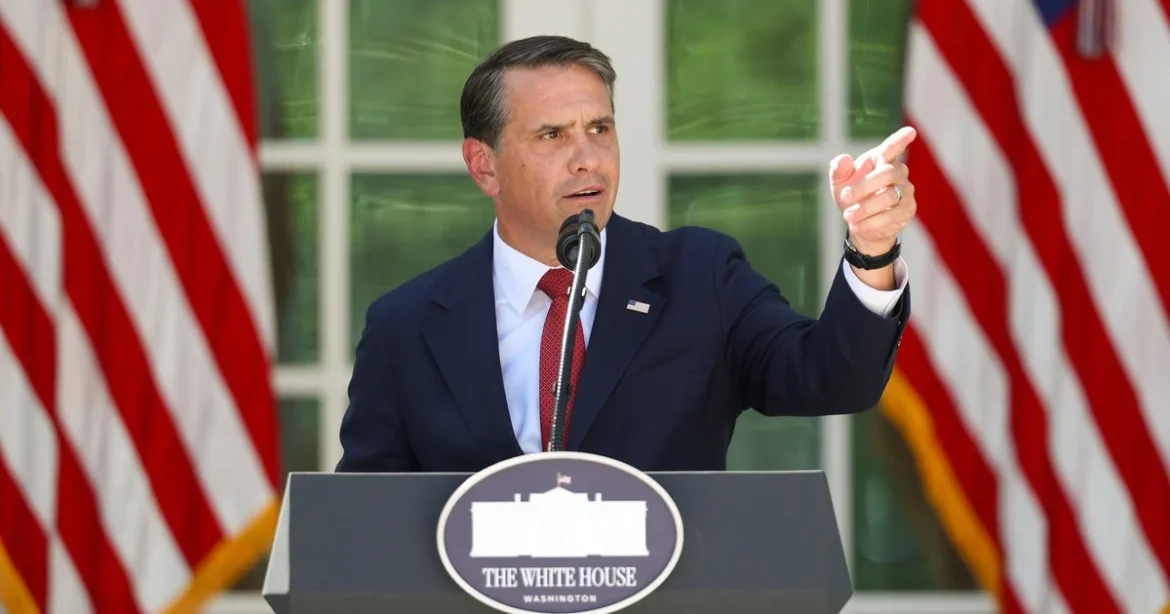
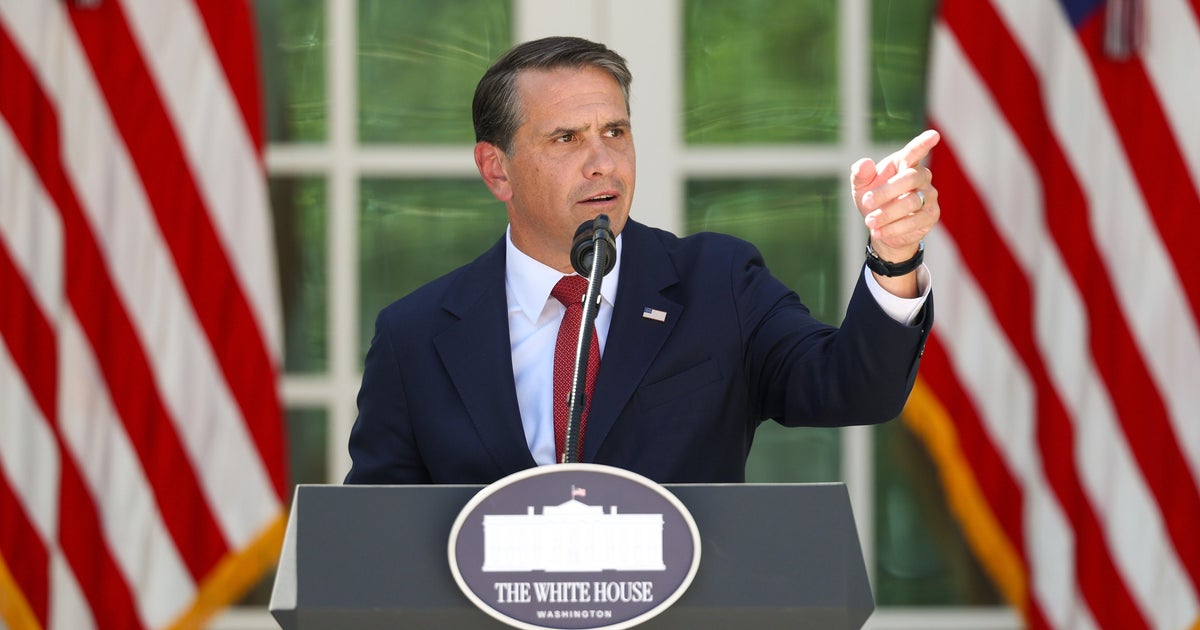
As the October deadline looms, the question remains whether the Trump administration will bow to the mounting pressure from Congress. Some political observers suggest that the administration may offer a compromise, perhaps creating a "whitelist" of approved international pharmacies that would be exempt from the new customs requirements. Others, however, believe the administration is committed to a "buy American" approach to healthcare, viewing any reliance on international drug markets as a vulnerability to be eliminated.
For the millions of Americans who have integrated international pharmacy orders into their household budgeting, the next few weeks will be critical. Should the rule proceed as planned, it will mark the end of an era for personal drug importation and necessitate a significant shift in how American patients approach the acquisition of affordable medication. Whether this leads to a new legislative push for domestic price controls or a further erosion of patient access remains the central question of the current pharmaceutical debate.
The administration has yet to issue a formal response to the latest wave of congressional criticism, but the silence from the White House suggests a firm intent to proceed, setting the stage for a potential showdown in the coming weeks as the legal and political battle over access to medicine intensifies.