
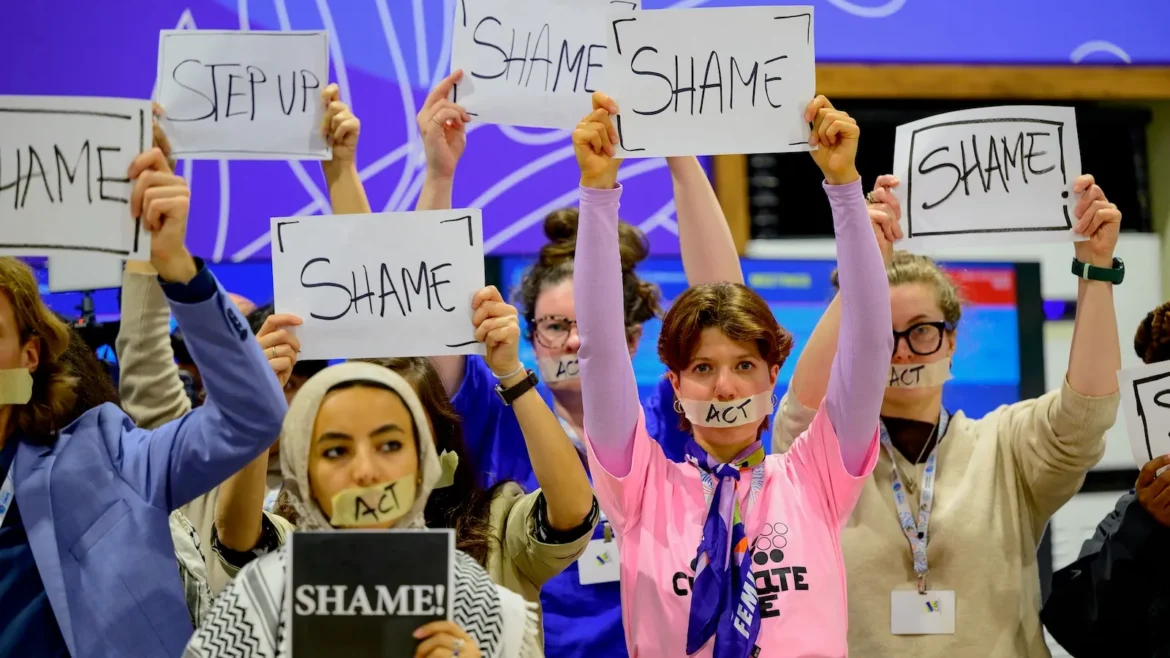
The 31st Conference of the Parties (COP31) in Antalya, Turkey, concluded this week in a state of unprecedented disarray, marking the first time since the 2009 Copenhagen summit that a major U.N. climate gathering has failed to reach a consensus on a concluding high-level political agreement. Despite entering the summit with modest expectations focused on the implementation of existing pledges, the negotiations descended into a historic deadlock that lasted nearly 50 hours beyond the official deadline. The collapse centers on a fundamental refusal by over 90 nations—including the European Union, the United Kingdom, and the Marshall Islands—to endorse a "cover decision" that failed to explicitly name the transition away from fossil fuels as a priority.
This breakdown occurs against a backdrop of compounding ecological crises. The global climate system is currently experiencing the cumulative effects of a historic El Niño event, which has exacerbated extreme heatwaves, catastrophic flooding, and unprecedented wildfire seasons across the Northern and Southern Hemispheres. With global temperatures on the brink of permanently breaching the 1.5 degrees Celsius threshold—a benchmark established by the 2015 Paris Agreement to prevent the most catastrophic outcomes of climate change—the failure to secure a unified path forward has left the international community in a state of deep apprehension.
A Chronology of the Breakdown
The two-week summit in Antalya began with the premise that COP31 would be an "implementation COP," prioritizing the operational details of pledges made at COP28 and COP30. However, the atmosphere shifted midway through the second week as it became clear that the Turkish and Australian co-presidencies were struggling to bridge the widening ideological chasm between major oil-producing nations and those vulnerable to the impacts of a warming planet.
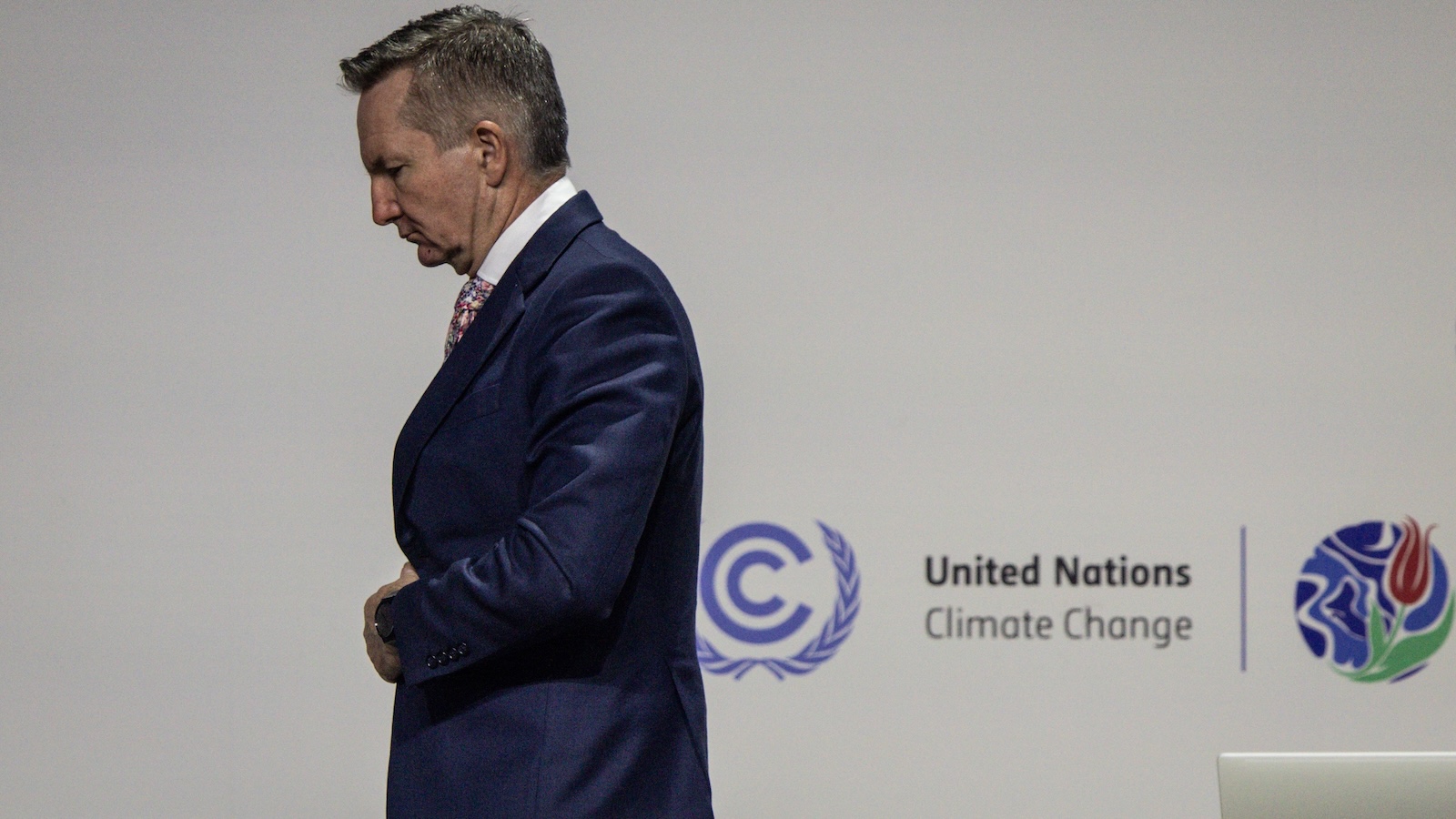
By November 20, the second draft of the cover decision was released, omitting key references to fossil fuels and leaving the vital issue of climate finance largely untouched. This prompted an immediate and vocal outcry. Throughout the final 48 hours of the conference, negotiators engaged in a grueling series of "huddle" meetings, yet the divide only deepened. When the final plenary session was held on November 22, the European Union, supported by the Alliance of Small Island States (AOSIS) and the Least Developed Countries (LDC) bloc, formally blocked the adoption of the text. Irish climate minister Darragh O’Brien’s rejection of the pact as failing to address the "key driver of climate change" served as the final blow to the document, effectively leaving the conference without an official, finalized outcome.
The Role of Petrostates and Lobbying Influence
Central to the failure was the aggressive opposition from a coalition of major fossil-fuel-exporting nations, including Saudi Arabia and Russia. These nations successfully pushed for diluted language that replaced specific commitments to phase out fossil fuels with vague references to "low greenhouse gas emissions and climate resilience."
Furthermore, the influence of industry interests was highly visible. A report by the Center for International Environmental Law noted that over 700 lobbyists associated with the carbon capture and storage (CCS) industry were registered at the conference—outnumbering the combined delegation of the G7 nations. These lobbyists successfully advocated for the inclusion of CCS as a cornerstone of the climate response, a move that environmental scientists and policy experts have heavily criticized as a "false solution" that allows for the continued expansion of oil and gas extraction rather than systemic decarbonization.
The debate over the 35 percent global electrification target for 2035—a goal championed by Turkish officials in the wake of energy security concerns caused by the conflict in the Middle East—also faltered. Despite support from over 130 nations, the proposal was ultimately scuttled by the same bloc of petrostates that resisted the fossil fuel transition language, leaving the global energy transition plan in a state of paralysis.
The Financial Disconnect
The failure of the conference was compounded by the absence of substantive financial commitments. The Adaptation Fund, designed to assist vulnerable nations in preparing for the physical impacts of climate change, raised a mere $50 million—only one-sixth of its intended annual goal.
Critics from the Global South noted a profound hypocrisy in the proceedings. Wealthy nations, while positioning themselves as climate leaders by opposing the weak cover decision, arrived at the summit without providing the necessary financial support to help developing nations mitigate the damages they are already incurring. Joe Thwaites of the Natural Resources Defense Council observed that the lack of financial pledges from the COP31 presidency itself severely undermined their moral authority to demand stronger action from other wealthy economies.
Implications for the Future of Multilateralism
The collapse in Antalya has ignited a fierce debate regarding the efficacy of the U.N. climate process. The requirement for consensus among nearly 200 nations—each with divergent economic, political, and strategic interests—is being increasingly viewed as a structural vulnerability.
"We cannot let any one of the 195 countries hold the entire world hostage," noted Sébastien Duyck, a senior attorney at the Center for International Environmental Law. The inability to reach an agreement has prompted the U.N. climate treaty secretariat to signal that it will seek external advice on reforming the decision-making rules, including potential avenues for voting rather than relying solely on consensus.
However, the path forward appears to be shifting toward "minilateralism"—the creation of climate agreements outside the formal U.N. structure. The summit in Santa Marta, Colombia, held earlier this year, and upcoming climate-specific forums in Tuvalu and Ethiopia, suggest that nations are losing patience with the gridlock of the COP system. Nearly 30 countries are already independently developing roadmaps to transition away from fossil fuels, a process that operates independently of the formal, and currently stalled, U.N. negotiations.
The Scientific Imperative vs. Political Stagnation
The scientific community, represented by the Intergovernmental Panel on Climate Change (IPCC), continues to warn that the window to stabilize the climate is closing. The dispute over the timeline for the IPCC’s seventh assessment report—which Saudi Arabia and others blocked, citing concerns about "rushing" the process—highlights a broader trend of scientific findings being sidelined for political expediency.
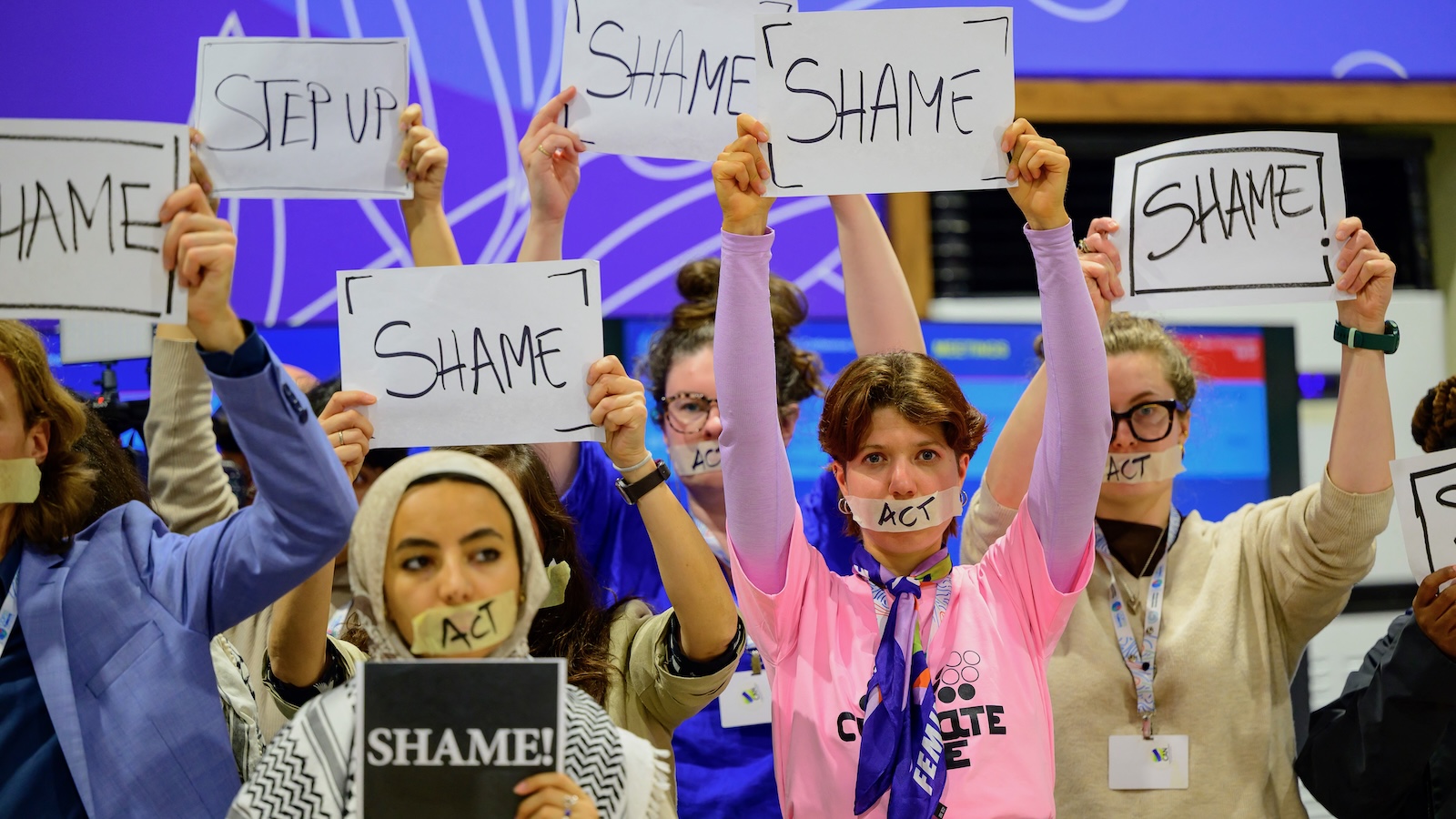
As diplomats and climate activists depart Antalya, the sentiment is overwhelmingly somber. Many observers have labeled COP31 as the "worst COP in history," citing not just the failure of the document, but the loss of trust in the multilateral process.
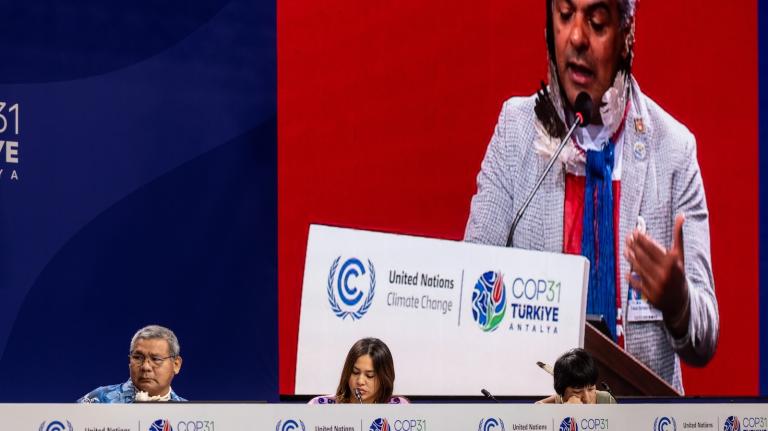
The task facing the incoming presidency for COP32 in Addis Ababa, Ethiopia, is gargantuan. Beyond the technical challenges of reconciling disparate positions on carbon capture, climate finance, and the transition away from fossil fuels, Ethiopia must navigate the challenge of restoring faith in a system that is currently perceived by many as incapable of delivering the urgent action required by the climate emergency. Whether the international community can evolve its governance model to survive this period of geopolitical fragmentation, or whether the U.N. process will continue to be bypassed by smaller, more agile coalitions, remains the defining question for the next decade of climate policy.
The climate reality on the ground—characterized by the worsening impacts of heat, fire, and flood—will not wait for the diplomatic process to recover. As international consensus fractures, the burden of action is increasingly shifting to national governments and regional alliances to prove that they can, or will, deliver the change necessary to prevent the worst outcomes of a warming world.
