
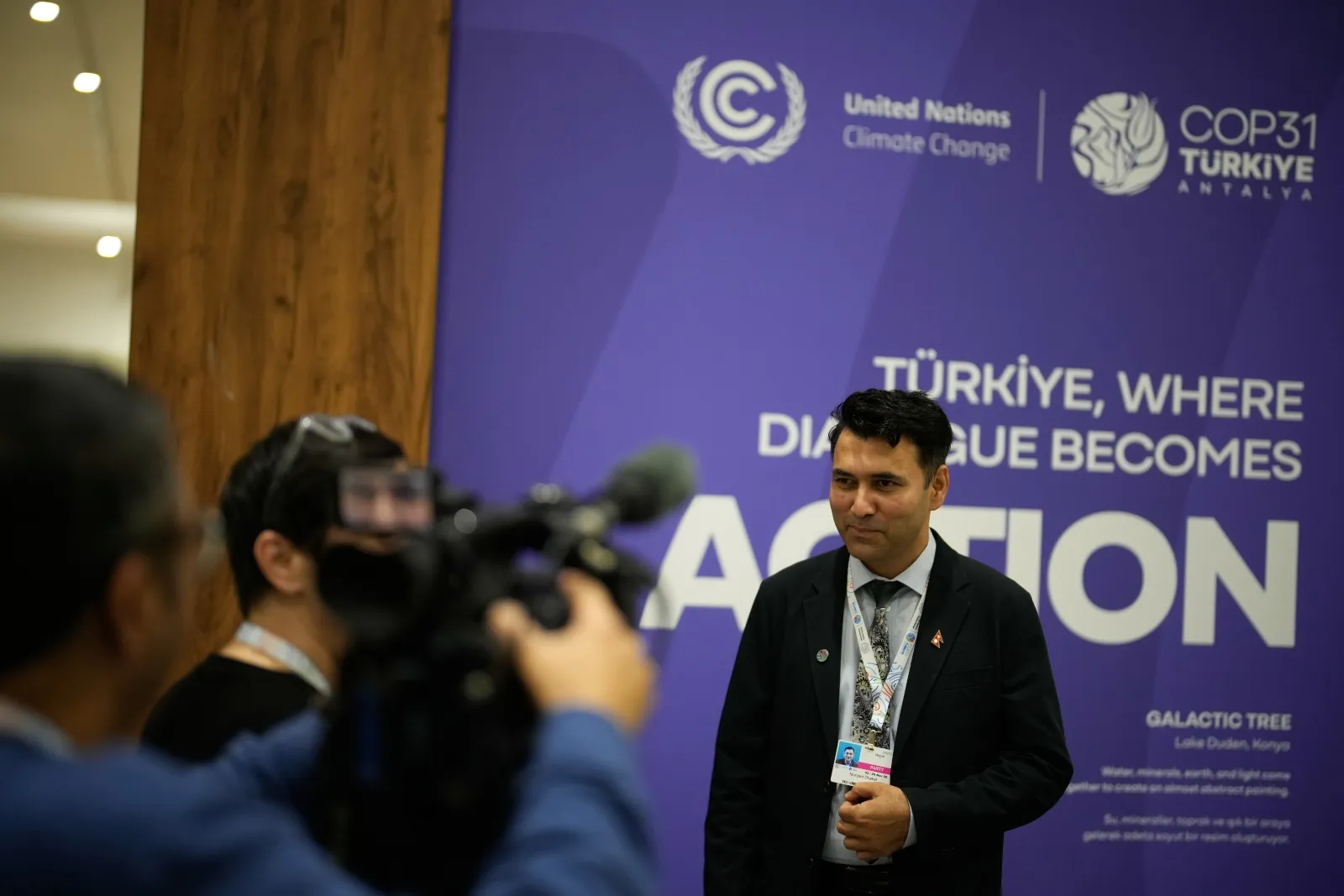
When nearly 200 nations ratified the Paris Agreement in 2015, the accord was heralded as a historic contract between the world’s largest carbon emitters and the vulnerable nations currently standing on the front lines of climate change. The agreement promised a "progression beyond previous efforts," specifically pledging that developed nations would mobilize public, grant-based finance to help the Global South develop clean energy, construct resilient infrastructure, and recover from the inevitable loss and damage wrought by extreme weather. A decade later, that promise has largely dissolved into a cycle of missed deadlines, empty coffers, and diplomatic paralysis.
The conclusion of COP31 in Antalya, Turkey, marked perhaps the darkest moment in this two-decade-long process. For the second time in twenty years, the summit ended without an overarching final agreement, leaving developing nations—particularly those in the Himalayas—to face an existential crisis with virtually no international support.
A Catastrophe in the Himalayas
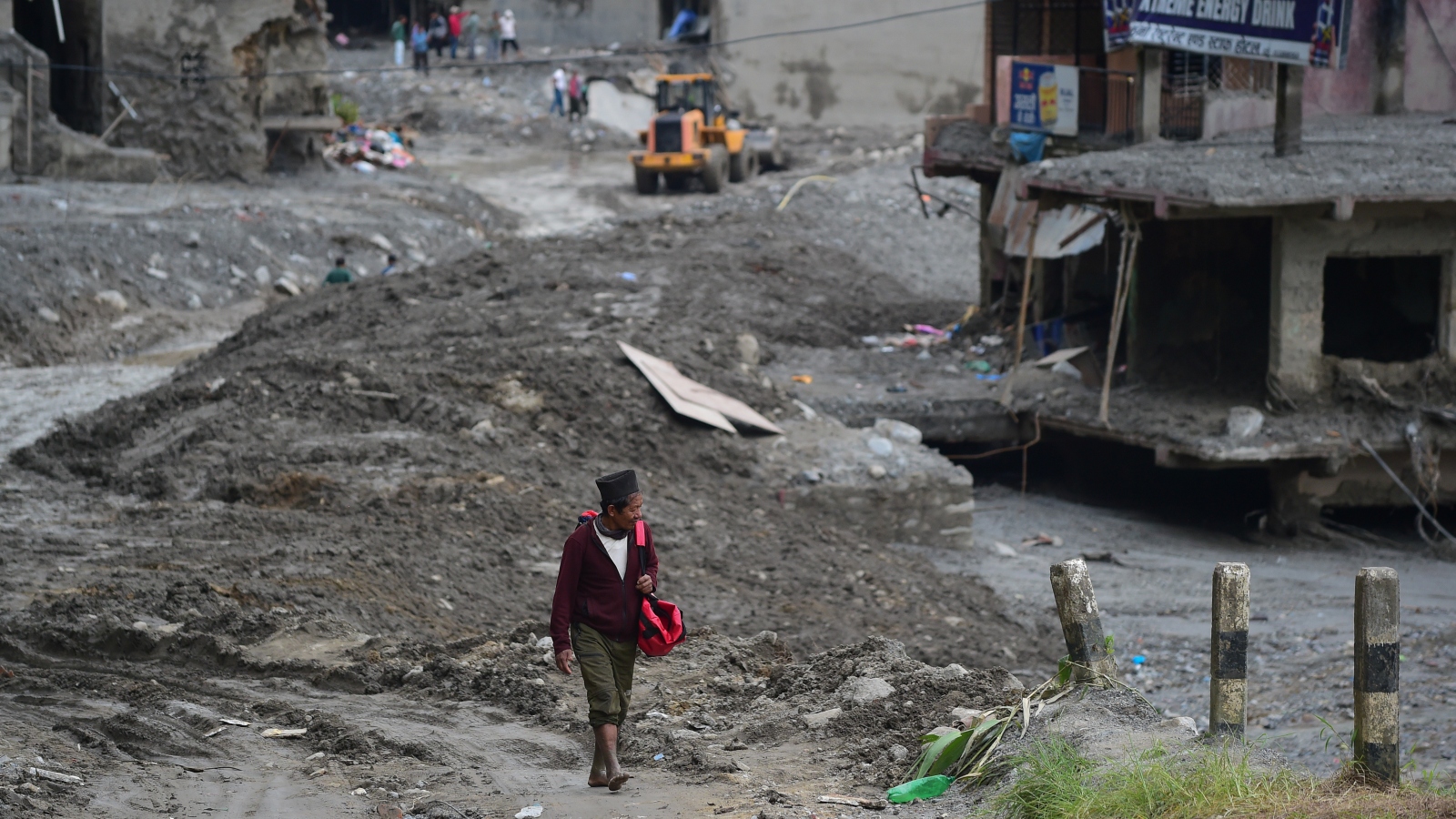
In August 2026, three months prior to the Antalya summit, Nepal suffered a catastrophic glacial collapse in the Bhotekoshi region. The event was not merely a freak accident; scientific consensus from World Weather Attribution studies confirmed that rapid warming in the Himalayas had significantly weakened the structural integrity of the glacier and melted the surrounding permafrost, triggering a massive avalanche and subsequent flooding.
The human and economic toll was staggering: 1,400 people lost their lives, 5,000 remained missing, and over 7,000 structures were obliterated. The total cost of reconstruction is estimated at $4.8 billion—a figure equivalent to 10 percent of Nepal’s entire gross domestic product. Despite the clear link to anthropogenic climate change, the international community responded with a collective shrug. While Nepal arrived at COP31 seeking urgent relief, the summit resulted in a mere trickle of aid that failed to address even a fraction of the destruction.
The Chronology of a Failed Commitment
The failure to support Nepal is the latest chapter in a long-standing pattern of neglect within the United Nations Framework Convention on Climate Change (UNFCCC) process.
- 2015: The Paris Agreement is signed, with developed nations promising to "mobilize climate finance" to support adaptation and mitigation in developing countries.
- 2022: Under immense pressure from the Global South, rich nations agree to create the Fund for Responding to Loss and Damage.
- August 2026: A glacial collapse in Nepal causes widespread devastation.
- October 2026: The Loss and Damage Fund board holds an "extraordinary meeting" and allocates $20 million to Nepal—less than 0.5 percent of the required reconstruction costs.
- November 2026: COP31 begins in Antalya. Nepal’s requests for additional aid and a dedicated mountain-climate research forum are met with silence.
- Late November 2026: COP31 concludes without a final agreement, as 130 countries reject the draft text over disputes regarding fossil fuel language.
The Myth of the Loss and Damage Fund
The Fund for Responding to Loss and Damage was intended to be the mechanism through which the "polluter pays" principle was finally realized. However, its implementation has been mired in bureaucratic inertia. By the time the Nepal disaster occurred, the fund had only just begun accepting applications. Even when Nepal submitted an emergency plea for funds, the process remained tethered to rigid, slow-moving administrative requirements.
The financial reality of the fund is even more dire. It has secured only $800 million in total pledges since its inception—a pittance compared to the $2.8 billion requested by 119 nations this year alone. To put this in perspective, the Green Climate Fund, intended for broader decarbonization projects, has received significantly more, yet it remains chronically underfunded as major donors like the United States and the United Kingdom grapple with domestic fiscal constraints or withdraw from the process entirely.
Technological Gaps and Early Warning Failures
The crisis in Nepal has exposed the limitations of the "Early Warnings for All" initiative, a U.N. goal to provide comprehensive disaster detection systems globally by 2027. Nepal’s existing sensor network proved woefully inadequate; as negotiator Manjeet Dhakal noted, the speed of the glacial flood rendered static water gauges useless, as the sensors were destroyed before they could transmit a warning.
While advanced satellite monitoring could mitigate these risks, such technology remains prohibitively expensive for the world’s least developed countries. The failure to include funding for these specialized, mountain-specific systems in the COP31 outcomes has left countries like Nepal in a state of permanent vulnerability, forcing them to rely on crowdfunding to cover the basic costs of humanitarian response.
Geopolitical Shifts and the Rise of Non-Western Donors
As the U.N. climate process falters, the landscape of global aid is shifting. Notably, the largest contribution to Nepal’s recovery—$1.6 billion—came not from the wealthy signatories of the Paris Agreement, but from India. This donation, announced the day after COP31 concluded, dwarfs the total pledges made by the entire international community during the summit.
This move signals a potential restructuring of climate aid. Historically, India has resisted being classified as a primary donor, but its intervention suggests that regional powers may be forced to step into the vacuum left by the West. For small nations like the Solomon Islands, the frustration with the status quo has reached a boiling point; the nation recently made a $400,000 pledge to the Green Climate Fund, a symbolic gesture intended to highlight the inaction of the world’s wealthiest polluters.
Implications: The Future of Multilateralism
The collapse of the COP31 negotiations has profound implications for the future of global climate policy. If the U.N. process cannot provide a baseline level of support for a nation experiencing a direct, climate-induced catastrophe, its legitimacy is effectively compromised.
Experts argue that the current model of voluntary contributions is "fit for purpose" only in theory. The reality, as Imane Saidi of the Imal Initiative notes, is that "we create funds and we leave them empty." For countries like Nepal, the lack of a binding, enforceable mechanism for loss and damage compensation means that climate change is not just an environmental threat, but a direct driver of economic collapse and sovereign debt.
Despite the pessimism, negotiators like Dhakal remain tethered to the multilateral process. He maintains that while the system is "not healthy," there is no viable alternative to the U.N. table. "I think for countries like ours, there are no alternatives to the multilateral process," Dhakal stated. However, this commitment is increasingly tested. As the world approaches the 2027 target for early warning systems and the 2035 deadlines for climate finance targets, the chasm between diplomatic rhetoric and the reality on the ground in regions like the Himalayas is only widening.
Without a fundamental shift in how climate finance is structured—moving away from loan-based debt cycles and toward grants that recognize the historical responsibility of major emitters—the UNFCCC risks becoming a forum that merely records the decline of the most vulnerable nations rather than preventing it. The tragedy of Nepal serves as a stark, cautionary tale for what happens when the global community fails to honor its most basic obligations to the planet.

