
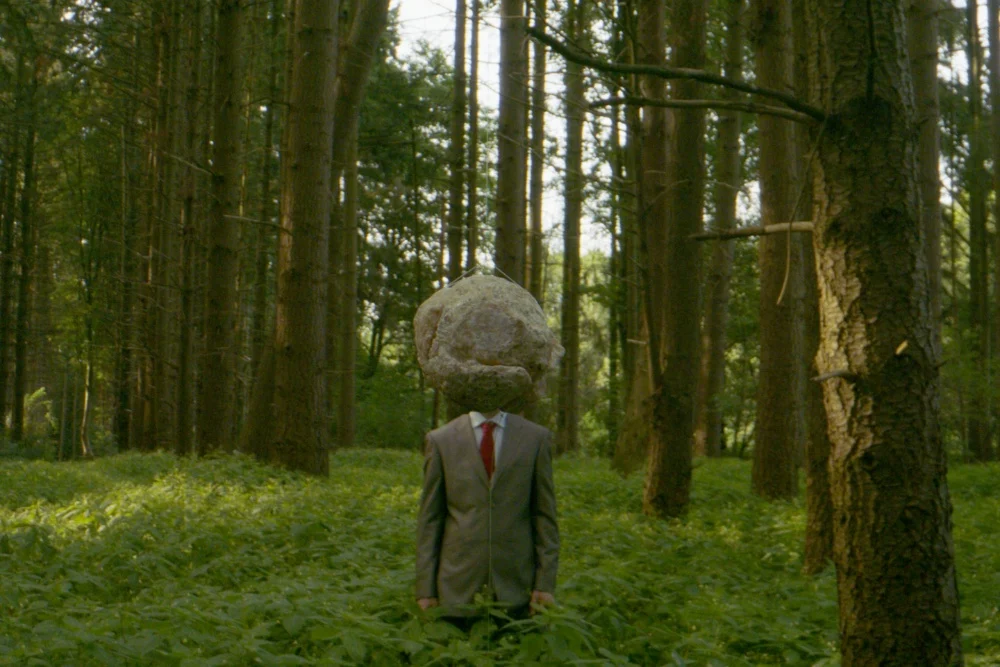
Artificial intelligence is frequently conceptualized as an ethereal force—a "cloud" of data processing and algorithmic logic that exists somewhere beyond the reach of human geography. However, a new documentary project, The Technological Sublime, seeks to dismantle this illusion by tracing the visceral, often destructive, physical supply chain that serves as the bedrock for modern machine learning. Directed by Jannes Callens, the film is set to be a focal point at the upcoming Taiwan Creative Content Fest (TCCF) in Taipei, where producers hope to secure the necessary partnerships to complete this ambitious, four-continent production.
A Journey Through the Global AI Infrastructure
The narrative of The Technological Sublime moves far from the sterile, high-tech server rooms often depicted in marketing materials. Instead, Callens guides viewers through a global trek of extraction and labor. The film begins in the quartz mines of the Appalachian Mountains, where the raw materials for silicon are pulled from the earth, and travels to the lithium fields of Chile, which are essential for the battery technology that powers the hardware behind AI.
The documentary further investigates the subterranean world of underwater cables that facilitate the global transfer of data, and concludes by examining the "click-workers" of Kenya—the largely invisible human workforce responsible for labeling the data that trains AI models. By connecting these disparate locations, the film posits that the current iteration of AI is not merely a digital phenomenon, but a resource-heavy industrial process with significant ecological and human consequences.
The Myth of the Green Algorithm
For Callens, the project is a direct response to the "myth of green AI." In contemporary public discourse, AI is often marketed as a clean, energy-efficient solution to complex problems. Yet, data from the International Energy Agency (IEA) suggests that the electricity consumption of data centers, AI, and the cryptocurrency sector could double by 2026, reaching over 1,000 terawatt-hours.
"People tend to talk about AI as if it were something very abstract and invisible," Callens noted. "After doing some research, it became clear to me that there is a very tangible ecosystem behind the hype. An online image search for AI mostly turns up humanlike robots, but the absence of pictures of the actual infrastructure—the mines, the cables, the labor—is exactly what drove me to make this film."
The director emphasizes that the project is intended to be a work of art rather than a standard journalistic exposé. By utilizing an audiovisual medium to present the scale of these operations, Callens hopes to inject nuance into the polarized debate surrounding technology. He argues that one can appreciate the "technological miracles" of the modern age without remaining blind to the material and human costs of their existence.
Production Background and Artistic Evolution
Jannes Callens is no stranger to deep-dive, observational filmmaking. His previous work, the documentary Dor (Longing), captured the life of a young man returning to his roots in Romania to work as a shepherd. The film earned critical acclaim, winning the Best Belgian Film award at the Brussels Independent Film Festival and securing a selection for the prestigious Visions du Réel.
While the first scenes of The Technological Sublime have already been captured, the production team is currently in a critical phase of securing the final round of financing. Beyond the film, Callens has expanded his exploration of human apathy toward climate change, currently creating visual content for a stage production that confronts the societal failure to address environmental threats.
The film’s production is a collaborative effort involving a consortium of international partners: Brussels-based Visualantics and Cobra Films, Paris-based Tag Film, and Taipei-based Reel Asia Pictures. This multi-national approach is designed to reflect the global nature of the supply chain the film documents.
Industry Perspectives on Technological Hype
Delegate producer Steven Dhoedt brings a history of tracking technological shifts to the project. Dhoedt’s early work, the 2010 documentary Inside the Metaverse, examined virtual worlds long before the concept became a central pillar of corporate strategy for companies like Meta.
"In a similar way, there is plenty of hype around AI these days, but for a lot of people, the technology remains an abstraction," Dhoedt stated. "Instead of taking the sensational route, the film takes a more timeless, more grounded approach. I strongly believe that this is the type of film about AI we need right now."
By boarding the project, the Belgian broadcaster VRT has provided an initial vote of confidence, and the team is currently in active negotiations with several other European broadcasters to ensure the film reaches a broad audience. The collaboration with James Chia-Hao Hsu of Reel Asia Pictures is particularly strategic, as it positions the film to engage with the Asian market, which is central to the global semiconductor supply chain.
Contextualizing the Taiwan Creative Content Fest (TCCF)
The presentation of the film at TCCF, organized by the Taiwan Creative Content Agency (TAICCA), is a deliberate move to engage stakeholders where the heart of the hardware industry beats. Taiwan is home to the Taiwan Semiconductor Manufacturing Company (TSMC), the world’s largest contract chipmaker. By bringing the documentary to the Taipei Nangang Exhibition Center, the producers aim to spark a dialogue with distributors and sales agents who operate at the intersection of media and the technology sector.
TCCF, which runs from Nov. 6–9, serves as a premier marketplace for content creators, investors, and industry professionals. The presence of The Technological Sublime at such a venue highlights the growing interest in documentaries that provide critical analysis of the tech industry, moving away from the "utopian" narratives that have dominated the conversation for the last decade.
Implications for the Future of AI Literacy
The implications of The Technological Sublime extend beyond the screen. As global regulatory bodies—including the European Union with its AI Act—begin to formalize policies regarding transparency, the demand for "AI literacy" is increasing. A primary challenge in this area is the lack of public awareness regarding the environmental footprint of large-scale language models (LLMs).
For instance, training a single major AI model can emit hundreds of tons of carbon dioxide, and the cooling requirements for the servers housing these models require millions of liters of water. By visualizing the "hidden" aspects of this industry, Callens’ project serves as a necessary educational tool that complicates the narrative of a "weightless" digital economy.
The project also touches upon the ethics of labor. The use of "click-workers"—often in developing nations—to annotate data for minimal wages has become a subject of intense scrutiny by labor rights organizations. By highlighting these workers, the documentary invites audiences to consider the human labor that underpins the automated convenience they experience daily.
Looking Ahead
The team behind The Technological Sublime is currently finalizing its production schedule and expects to move into the next phase of filming shortly after the conclusion of TCCF. As they seek to solidify international distribution, the documentary stands as a testament to the importance of "slow media" in an age of instantaneous, algorithmically driven content.
By grounding the discussion of artificial intelligence in the reality of rocks, wires, and human labor, the film seeks to strip away the "sublime" marketing of the tech giants, replacing it with a clearer, more nuanced understanding of the world we are building. The producers remain optimistic that the TCCF will serve as a catalyst for the partnerships required to bring this crucial, evidence-based narrative to the global stage.
