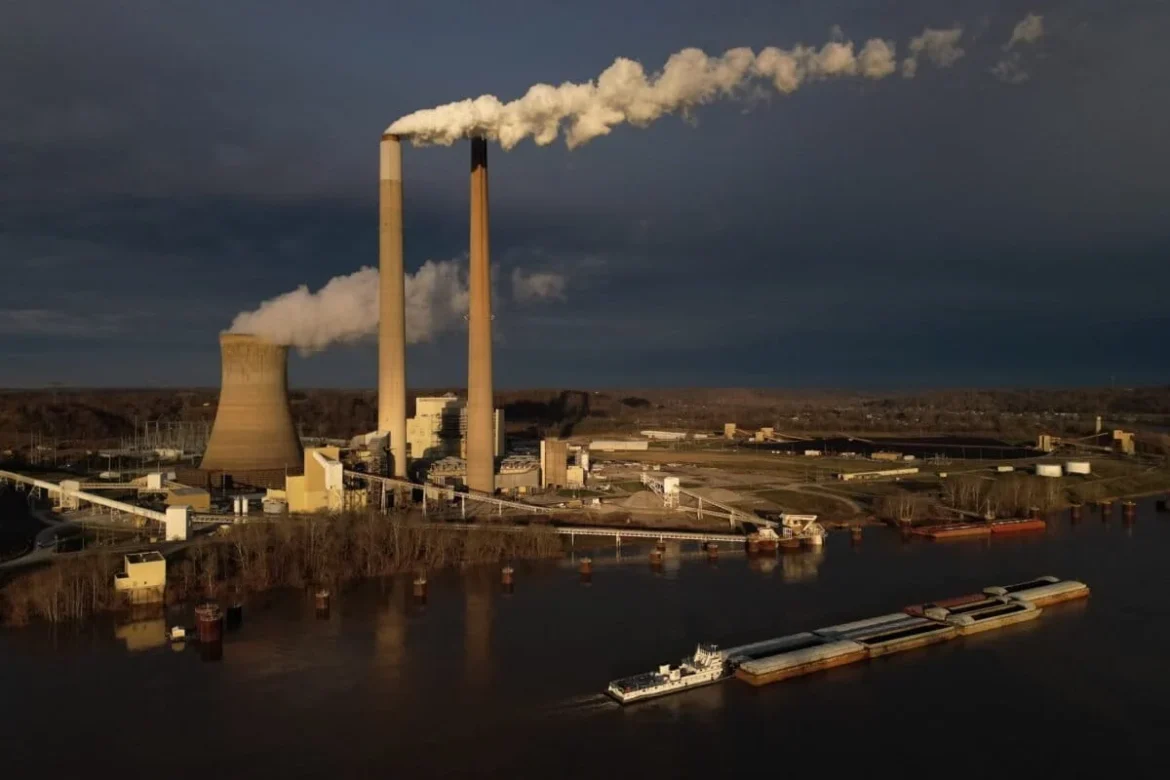
Coal remains the most carbon-intensive of the world’s primary energy sources, responsible for nearly half of the cumulative global carbon emissions produced since the start of the industrial era. Despite the global push toward cleaner alternatives, coal continues to generate significantly higher levels of carbon dioxide per unit of energy than oil or natural gas. For climate scientists and policy experts, the rapid phaseout of coal-fired power is considered the most critical lever available to mitigate the acceleration of global warming.
For nearly two decades, the United States has navigated a volatile regulatory landscape regarding the federal government’s authority to accelerate this transition. The political oscillation between administrations has created a "whiplash effect," characterized by ambitious rulemaking followed by abrupt rollbacks. This cycle has left the energy sector in a state of regulatory uncertainty, as power utilities struggle to align long-term capital investments with shifting federal mandates.
A Chronology of Regulatory Volatility
The current attempt to repeal federal coal regulations is the latest chapter in a long-standing struggle over executive authority and environmental policy.
- 2009–2016: The Obama administration, unable to secure legislative support for a carbon tax, introduced the Clean Power Plan (CPP) through executive action. The CPP aimed to force utilities to shift away from coal by setting state-specific emission reduction targets.
- 2017–2020: The first Trump administration moved to repeal the CPP, arguing it exceeded the Environmental Protection Agency’s (EPA) statutory authority. This was later affirmed by the Supreme Court, which ruled that the EPA could not unilaterally impose such broad, system-wide shifts in the energy sector.
- 2021–2024: The Biden administration attempted to circumvent the Supreme Court’s constraints by introducing a rule that gave utilities a binary choice: either retire coal plants by the 2030s or equip them with carbon capture and storage (CCS) technology to mitigate emissions.
- 2025–Present: The second Trump administration has officially moved to repeal the 2024 rule. The EPA, under new leadership, has justified the move by citing "uncertainty" in climate science and the necessity of maintaining lower power bills for consumers.
Official Responses and the "War on Coal" Narrative
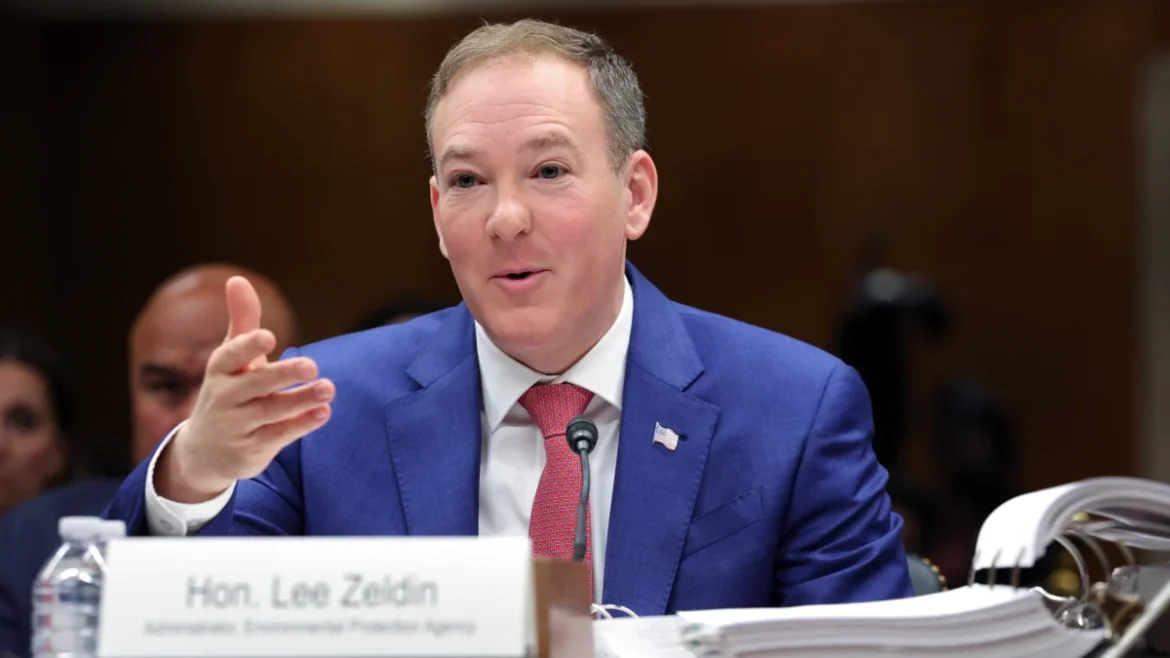
The repeal of the 2024 standards marks a significant shift in the federal approach to environmental oversight. Lee Zeldin, the current EPA Administrator, framed the decision as a necessary step to restore domestic energy dominance. At a recent international energy summit in Texas, Zeldin characterized the regulatory efforts of the previous two administrations as a "war on coal" designed to undermine the reliability and affordability of the American power grid.
"We are working to go even further so that American energy can be fully unleashed," Zeldin stated. "Realizing the full potential of American energy means more jobs, lower prices, and a more prosperous America."
Conversely, environmental advocates and policy analysts argue that the repeal ignores the severe public health costs associated with coal combustion. Coal-fired power plants release not only carbon dioxide but also hazardous pollutants including mercury, nitrogen oxides, and fine particulate matter. The EPA’s own projections under the previous administration suggested that the 2024 rule would have prevented roughly 1,200 premature deaths annually by 2035, while avoiding hundreds of thousands of asthma-related medical incidents. The agency estimated that the total public health and climate benefits of the rule would have reached approximately $370 billion.
The Economic Paradox: Data Centers and Power Demand
While federal policy has fluctuated, the actual trajectory of coal in the United States has been downward, driven largely by market forces. The shale gas revolution, which began in earnest over a decade ago, provided a cheaper, cleaner-burning alternative to coal, leading to a near 50% reduction in power sector emissions. However, this trend is currently facing an unexpected obstacle: the rapid expansion of artificial intelligence and the massive power requirements of hyperscale data centers.
The demand for electricity to support data processing and cooling has led several utilities to reconsider retirement dates for their legacy coal assets. In some wholesale electricity markets, particularly in the Midwest and Mid-Atlantic, high demand has made it profitable for older coal plants to continue operations, despite their age and inefficiency.
A prominent example is the Southern Company, which provides power to major portions of the American South. The utility had originally planned to retire a major coal-fired facility in Mississippi by 2028. However, citing the projected surge in demand from data centers, the company announced it would keep the plant operational well into the 2030s. This decision highlights the tension between the push for rapid decarbonization and the urgent need to maintain grid stability in an era of skyrocketing energy consumption.
Analysis: Can Policy Overcome Market Trends?
Economic experts, such as Kenneth Gillingham of Yale University, argue that while the repeal of federal rules is a setback, it may not be sufficient to save the coal industry in the long run. The U.S. coal fleet is aging, and the maintenance costs for these plants are rising significantly.
"The reason to have a target is that it sends a clear signal to decision-makers in companies," Gillingham noted. "If you’re on the fence between choosing two things, you might as well choose the one that’s in line with the target. That’s been undermined. There has to be some teeth behind it."
However, Gillingham also points out that the fundamental economics of energy generation have shifted. Even with the repeal of federal mandates, many utilities are finding that natural gas or renewable energy sources paired with battery storage are more cost-effective than investing in the maintenance of aging coal plants. The "stick" of federal regulation may be removed, but the "carrot" of market efficiency continues to point toward a shift away from coal.
The current administration’s attempts to force coal plants to stay online—including executive orders that have been challenged and struck down by federal courts—suggest an active effort to buck market trends. Yet, as the fleet ages, the capital expenditure required to keep these plants compliant with even basic safety standards may become an unsustainable burden for utilities.
Future Implications for Climate Policy
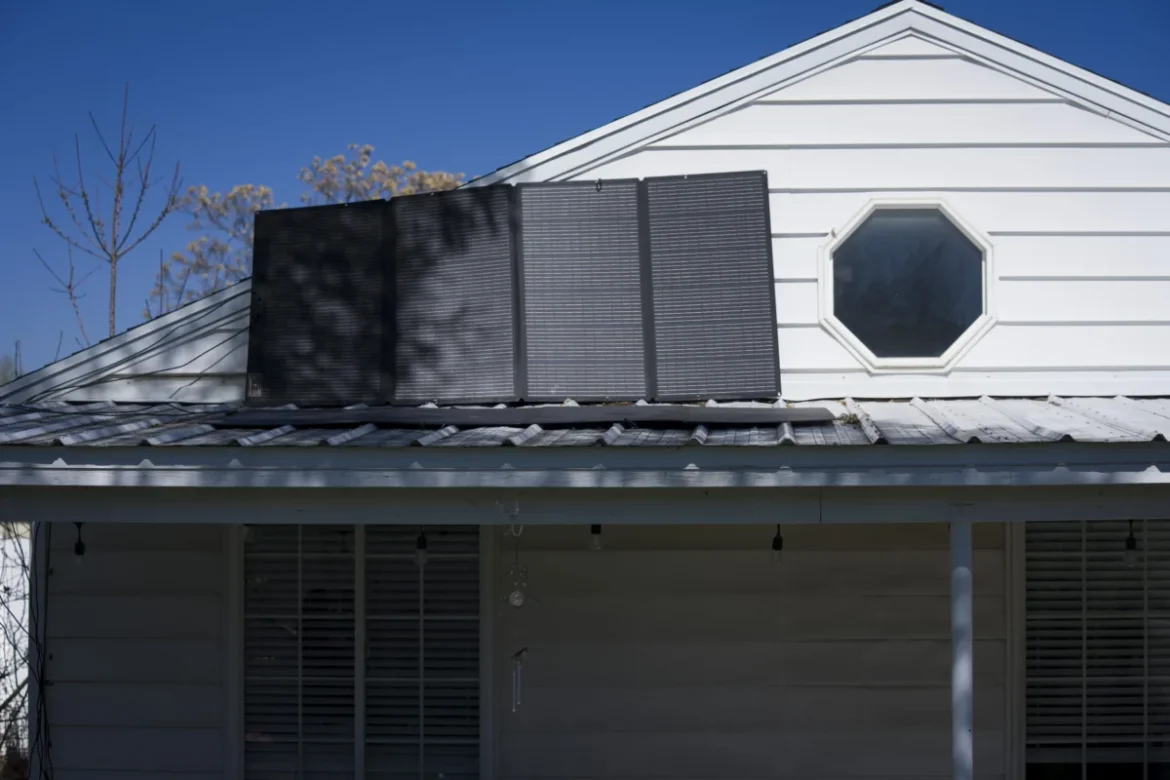
The broader implication of this regulatory reversal is that the U.S. power sector is moving forward with a fractured policy environment. While the Inflation Reduction Act continues to provide subsidies that encourage the adoption of wind, solar, and other clean energy technologies, the absence of federal carbon regulation creates a "wild west" scenario for power generation.
The next administration to take office will face the same fundamental challenge that confronted the Obama and Biden administrations: how to manage the terminal decline of a fuel source that remains essential for peak demand periods. If the coal industry continues to shrink due to aging infrastructure and rising operational costs, the debate over federal regulation may eventually become moot.
Ultimately, the coal phaseout is occurring, but the speed of that transition is being contested. By prioritizing short-term economic arguments and data center energy needs, the current EPA is slowing the rate of change. Whether this strategy will yield long-term energy security or simply trap the U.S. in a cycle of reliance on high-emission infrastructure remains a subject of intense debate among economists, grid operators, and climate policymakers. As Gillingham concluded, "We have more electricity demand than we did before, which is, on the margins, going to make it easier for a coal plant to stay on. But the trend is pretty clear, and you can only fight markets so much."