

The footballing world breathed a collective sigh of relief on Wednesday evening as Bayern Munich board member for sports Max Eberl confirmed that manager Vincent Kompany had been released from medical care. The 40-year-old former Manchester City captain, who has steered the Bavarian giants through a demanding start to the 2026-27 campaign, was hospitalized late last week after collapsing during a second-team training session at the Säbener Straße training complex.
Medical professionals have identified the cause of the collapse as a meningeal irritation, a condition that requires careful monitoring and significant rest. While the news of his discharge marks a pivotal milestone in his path back to the dugout, both the club hierarchy and the coaching staff have emphasized that there is no fixed timeline for his return to full-time duties.
A Chronology of the Health Crisis
The events leading up to this week’s positive update began to unfold early last week. Kompany had initially shown signs of being unwell, missing several scheduled media obligations ahead of Bayern’s high-stakes Champions League encounter against Arsenal. At the time, club officials cited a viral infection as the primary reason for his absence. Despite the illness, the Belgian manager demonstrated his typical resilience, making a notable appearance in the technical area for the European clash, which ended in a hard-fought 2-2 draw.
However, the situation escalated on Friday. During a routine observation of a second-team training session, Kompany suffered a collapse, necessitating immediate emergency medical intervention. He was swiftly transported to a local hospital, triggering an outpouring of concern from across the European football community. For the remainder of the weekend, the club focused on internal management, with assistant manager Aaron Danks stepping up to oversee operations, including a successful 3-1 victory over Freiburg in the Bundesliga.
Medical Insight and Ongoing Recovery
Max Eberl’s update to broadcaster ARD on Wednesday provided the most comprehensive look into the manager’s condition to date. "Given the circumstances, he’s doing well," Eberl noted, speaking shortly before Bayern’s emphatic 6-1 victory over Magdeburg in the German Cup. "He was discharged from the hospital today. That is the biggest and best news for all of us. It’s a meningeal irritation that caused this incident on Friday. He will now rest and take medication, and I am certain that he will very soon be back on the touchline, operating at 100 percent."
Meningeal irritation refers to the inflammation of the protective membranes covering the brain and spinal cord, known as the meninges. While the diagnosis is serious, the fact that he has been discharged suggests that doctors are satisfied with his stabilization and that he is now in a position to continue his recovery in a home environment.
The Role of Aaron Danks and Club Continuity
In the absence of the head coach, the burden of leadership has fallen upon assistant manager Aaron Danks. Danks, who has been instrumental in maintaining the squad’s tactical focus, has consistently maintained that the health of the manager takes precedence over any immediate sporting requirements.
"I still don’t feel like there is any timeline on it," Danks stated during the post-match press conference following the Magdeburg fixture. "It’s obviously a really positive step in his road to recovery. He gets to settle back at home now, be closer to his family, and be closer to his home comforts, but it’s still really important that he takes his rest and he recovers. So there is no timescale on it. Nothing that I’ve been told and I’ve been informed."
Danks highlighted the professional camaraderie within the staff, noting that the team remains unified. "Our doctors will continue to work closely with Vince, and at the right moment, he will be back with us once he is fit and healthy. In the meantime, we just continue to push forward as a group with the players and staff and keep working hard."
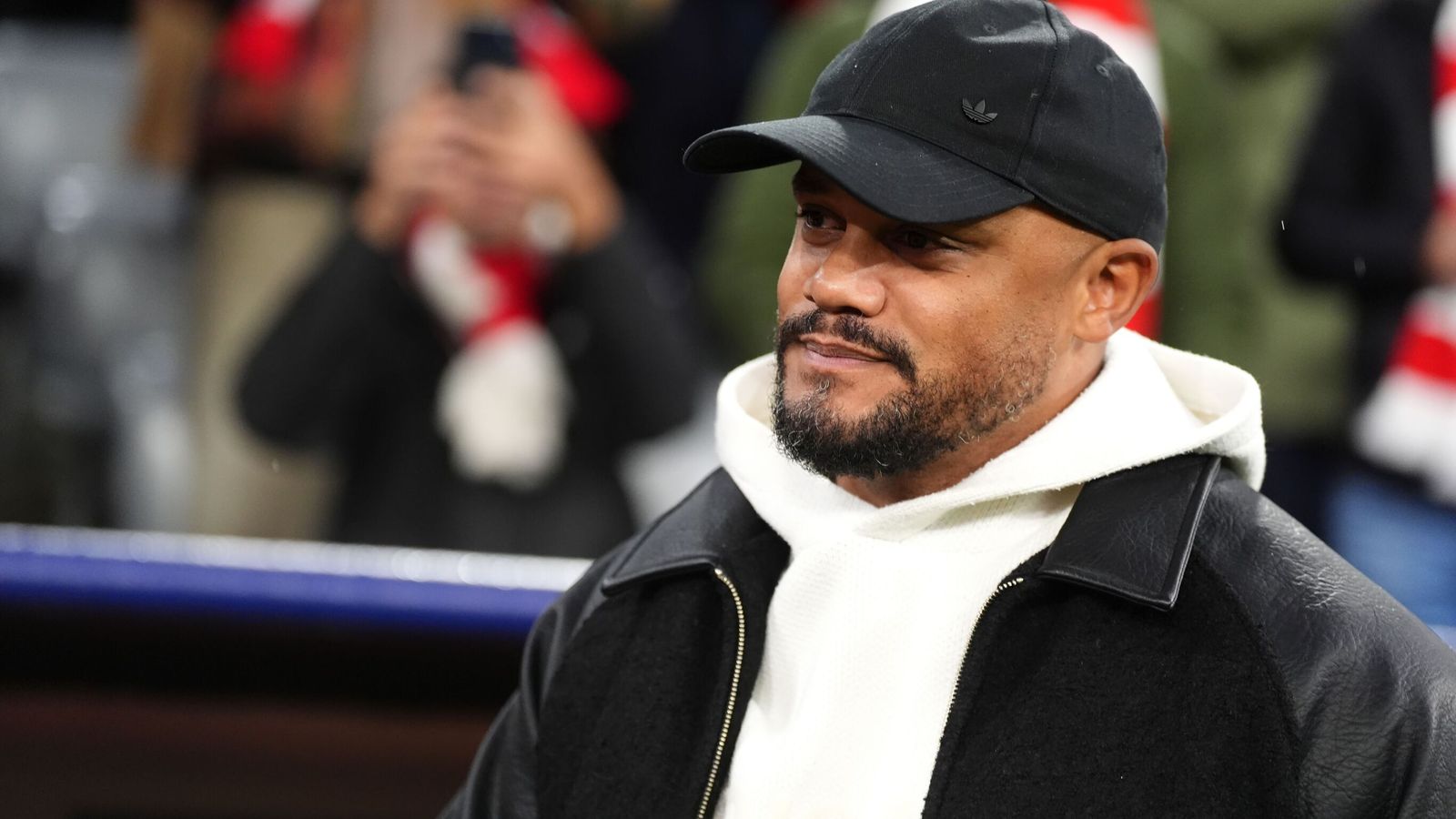
Tactical Implications for the Bundesliga Season
Bayern Munich currently finds itself at the summit of the Bundesliga table, a position achieved through a blend of high-intensity pressing and tactical flexibility that has become synonymous with the Kompany era. The club is now navigating a delicate balancing act: maintaining the momentum of a title challenge while ensuring their leader does not rush his rehabilitation.
The immediate schedule does not allow for a slow pace. Following the midweek cup success, Bayern is preparing for a marquee matchup against perennial title rivals Borussia Dortmund this coming Saturday. This fixture is widely considered one of the most significant in the German football calendar, often serving as a barometer for the league championship.
While Danks has proven capable of managing the squad during the short term, the absence of a permanent head coach for an extended period could pose a psychological challenge for the players. Nevertheless, the squad’s recent performance—characterized by the six-goal haul against Magdeburg—suggests that the team is responding well to the current interim structure.
Broader Perspectives and Safety Protocols
The collapse of a high-profile manager in the prime of his career has reignited discussions regarding the immense pressure and physical toll of elite-level coaching. Modern management involves a 24/7 commitment, with managers often balancing recruitment, tactical analysis, player welfare, and relentless media scrutiny.
Sports science experts suggest that viral infections, which Kompany was battling earlier in the week, can sometimes mask or exacerbate underlying physical vulnerabilities. The "meningeal irritation" noted by the club is a reminder that the human body requires specific recovery conditions that are often incompatible with the high-stress environment of professional football.
Bayern Munich’s medical department, led by top-tier specialists, is expected to enforce a strict "return-to-work" protocol. This typically involves a gradual increase in physical and cognitive exertion, ensuring that the manager is not subjected to the sudden stress spikes associated with match-day management until he is fully cleared.
Moving Forward
As of late October 2026, the sentiment emanating from the Säbener Straße is one of cautious optimism. The club has effectively signaled that they are prepared to weather a period of transition, provided it ensures the long-term well-being of their manager.
For the supporters, the primary focus remains the health of a man who has quickly become a central figure in the club’s future. The professional relationship between the coaching staff and the board appears robust, with clear communication channels established to manage the team through the upcoming weeks.
While the specific date of his return remains a mystery to the public, the path is clear: Vincent Kompany is entering a phase of recuperation. The German footballing establishment, along with his former clubs and fans across Europe, wait for the day he can stand once again in the technical area. Until that time, the structure left in place by the Belgian tactician—one of discipline, intensity, and tactical clarity—will continue to carry the weight of the Bavarian giants through one of the most demanding stretches of the season.
The upcoming encounter with Borussia Dortmund will serve as the next significant test for the squad, but for now, the focus in Munich is firmly on recovery, health, and the quiet return of a leader to his family and his recovery process.
