
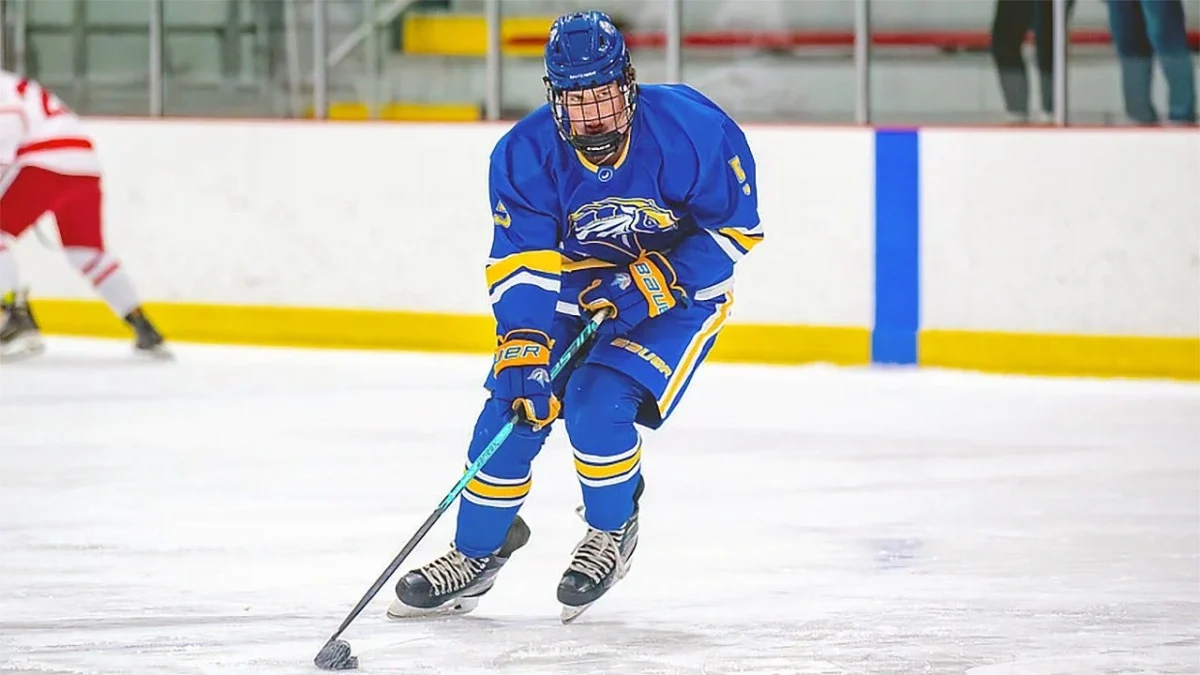
The state of Connecticut and the academic community at the University of New Haven are in mourning following a devastating late-night collision on Interstate 91 that claimed the life of 21-year-old Ryan O’Shea. A senior criminal justice student, dedicated scholar, and captain of the university’s men’s club hockey team, O’Shea had harbored lifelong aspirations of entering law enforcement to serve and protect his community. His promising future was abruptly cut short on October 16, when his vehicle was struck head-on by a motorist traveling in the wrong direction.
In the wake of the tragedy, the Department of Homeland Security (DHS) has confirmed that the driver responsible for the catastrophic crash is a Mexican national who had previously been removed from the United States and had a history of illegal reentries. The incident has intensified national conversations surrounding border security, interior enforcement, and the consequences faced by individuals who violate federal immigration laws after receiving formal removal orders.
The Fatal Collision on Interstate 91
According to the accident summary compiled by Connecticut State Police, the multi-vehicle crash unfolded late on the evening of October 16 on a stretch of Interstate 91 in North Haven. O’Shea was driving southbound in his Honda Accord, returning home from a hockey game, when a Chevrolet Silverado entered the highway traveling northbound in the southbound lanes.
The driver of the Silverado, identified by investigators as 31-year-old Guillermo Carmona-Lopez of Bridgeport, collided head-on with O’Shea’s vehicle. The sheer force of the initial impact ricocheted O’Shea’s car across lanes, where it was struck by a following Jeep. The Honda Accord was subsequently pushed onto the right shoulder of the highway, where it sustained a final collision with a third vehicle.
Emergency responders rushed to the scene of the horrific multi-car pileup. O’Shea sustained catastrophic injuries and was pronounced dead at the scene. Carmona-Lopez was extricated from the wreckage and transported to Yale New Haven Hospital with serious, life-threatening injuries. Three other individuals involved in the subsequent impacts sustained minor injuries and were treated at local medical facilities.
The Connecticut State Police Collision Analysis and Reconstruction Squad immediately launched a comprehensive investigation into the mechanics of the crash, examining factors such as speed, visibility, and the precise point of entry where Carmona-Lopez managed to access the highway traveling in the wrong direction. That investigation remains ongoing as authorities piece together the final moments before the tragedy.
Immigration Background and Federal Findings
As local law enforcement agencies delved into the circumstances of the crash, federal authorities quickly became involved due to the immigration status of the suspect. A spokesperson for the Department of Homeland Security provided a detailed timeline of Carmona-Lopez’s interactions with U.S. immigration and border enforcement officials stretching back over a decade.
According to DHS records, Carmona-Lopez first came into contact with federal authorities in May 2013. U.S. Border Patrol agents apprehended him near the southern border after he crossed into the country unlawfully. Following his apprehension, he was subjected to expedited removal proceedings and was formally deported to Mexico.
Despite this official removal, Carmona-Lopez unlawfully reentered the United States shortly thereafter. DHS officials noted that he crossed the border a second time near the Rio Grande Valley in Texas, where he was apprehended by Border Patrol agents for a second time that same month. On May 30, 2013, immigration officials issued a final order of removal against him.
At some point following the issuance of that final order, Carmona-Lopez managed to elude federal authorities and reenter the United States once again at an undisclosed location and date, eventually settling in Connecticut. Federal officials have emphasized that his continued presence in the country violated federal law. In the wake of the crash, Immigration and Customs Enforcement (ICE) and DHS officials have reiterated their hardline stance on individuals who defy federal deportation orders.
"Under President Trump and Secretary Mullin, if you break the law, you will face the consequences," a DHS spokesperson stated following the release of Carmona-Lopez’s immigration history. "Criminal illegal aliens are not welcome in the U.S."
Remembering Ryan O’Shea: A Life Dedicated to Public Service
While the legal and political dimensions of the crash continue to draw national attention, those who knew Ryan O’Shea have focused their grief on honoring a young man whose life was defined by leadership, compassion, and an unwavering commitment to helping others.
Originally from Stony Point, New York, O’Shea was a dedicated student at the University of New Haven, where he pursued a Bachelor of Science in criminal justice with a specialized concentration in police science. His academic pursuits were not merely theoretical; he actively sought out practical experience in the field. Over the summer preceding his senior year, O’Shea completed a prestigious internship with the New York City Police Department (NYPD). Friends and faculty noted that his ultimate career ambition was to join the ranks of the NYPD upon graduation, with a long-term goal of serving as a federal agent with the Drug Enforcement Administration (DEA).
Academic advisor Lorenzo Boyd remembered O’Shea as a bright, engaged presence in the classroom who consistently demonstrated a genuine desire to improve his community through public service.
"Ryan wanted to go into public service in order to help others," Boyd said in an official university tribute. "He was engaging in the classroom and will be missed greatly."
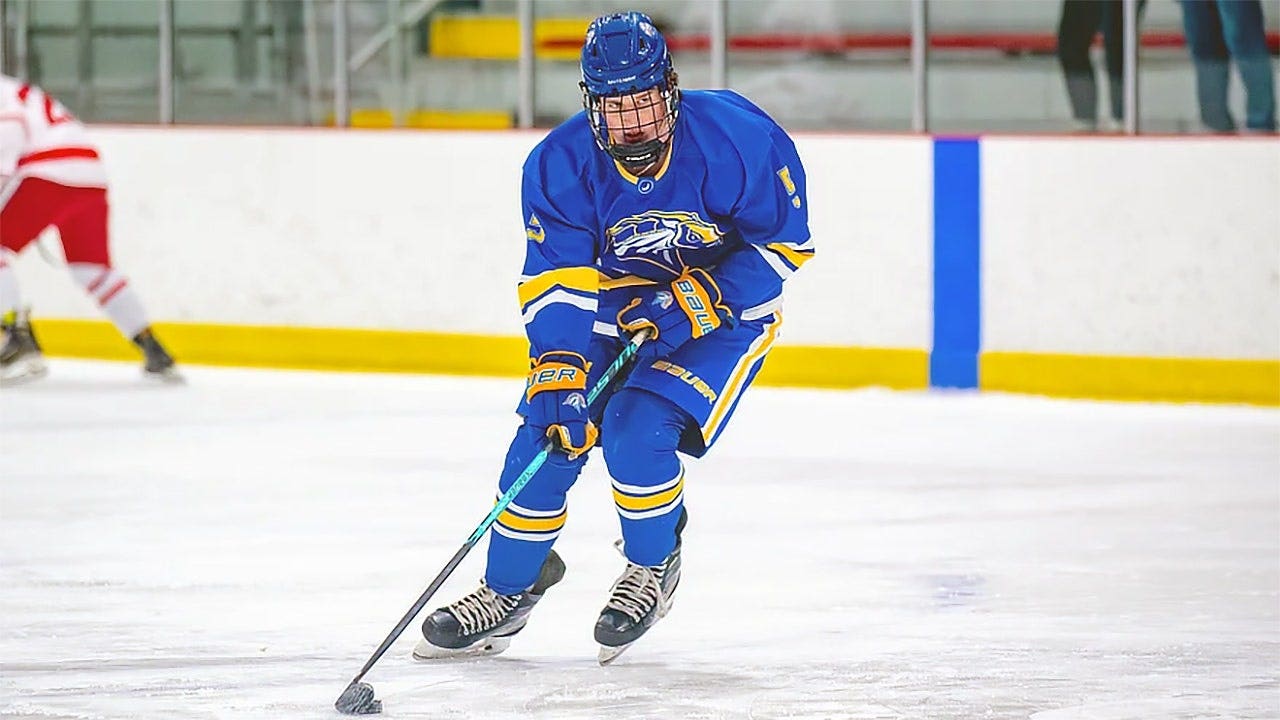
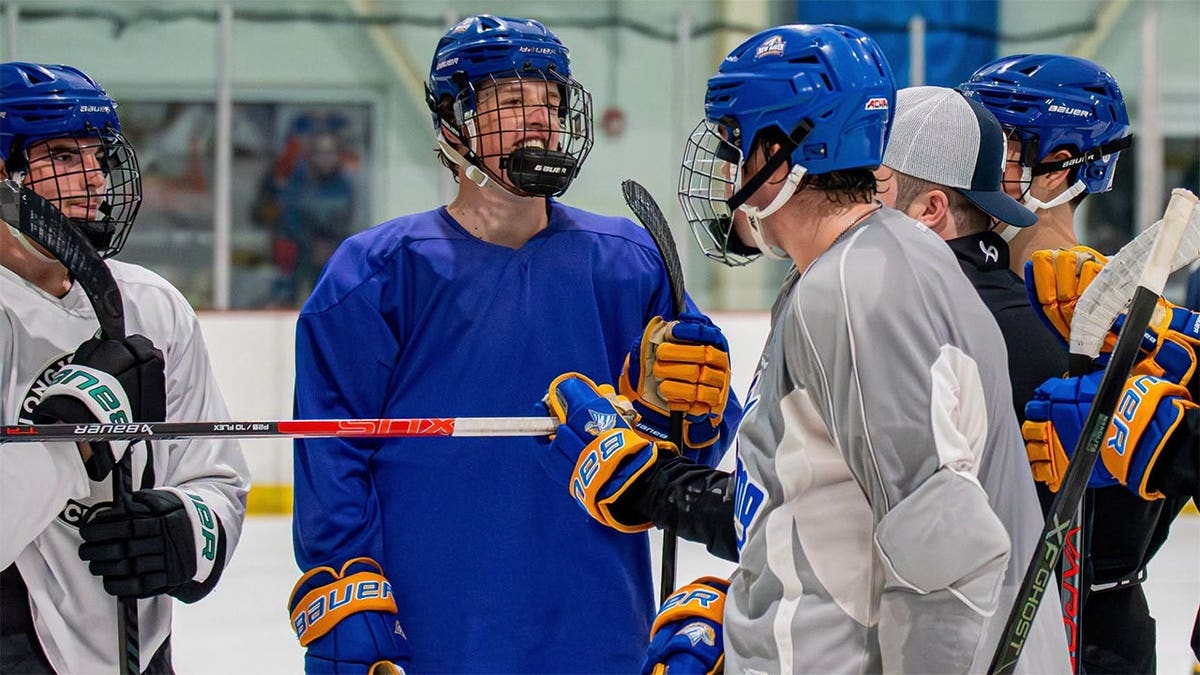
Beyond his academic and career ambitions, O’Shea was a prominent and beloved figure on campus. He served as the senior captain of the University of New Haven men’s club hockey team, where his leadership extended far beyond the ice. Devin Bertrand, the general manager of the hockey club, described O’Shea as the emotional heartbeat of the squad.
"Ryan’s infectious personality lit up our locker room the moment he walked in," Bertrand remarked.
In addition to his athletic leadership, O’Shea held the position of president of his local chapter of the Kappa Sigma fraternity. Brothers within the fraternity remembered him not only as a capable leader but as a deeply caring friend who brought joy and laughter to those around him, regardless of the circumstances.
"Ryan was not only a great leader, but he was a caring friend to anyone around him," the fraternity shared in a heartfelt social media statement. "He always knew how to light up a room and make people laugh, no matter the time."
Broader Implications and Public Safety Concerns
The tragic death of Ryan O’Shea has reignited fierce debates across the country regarding public safety, highway infrastructure, and the enforcement of immigration laws. Wrong-way collisions have emerged as a significant concern for departments of transportation across the United States, prompting states like Connecticut to invest heavily in technological countermeasures—such as thermal cameras, radar detection systems, and flashing LED warning signs—designed to alert wrong-way drivers and warn oncoming motorists before a fatal impact can occur.
Simultaneously, the involvement of an undocumented immigrant with prior deportations in a fatal traffic incident has propelled the case into the broader national discourse on border security. Law enforcement advocacy groups, local politicians, and victims’ families have increasingly used such high-profile tragedies to advocate for stricter interior enforcement, mandatory cooperation between local law enforcement and federal immigration authorities, and more rigorous tracking of individuals who have received final orders of removal.
As the community of Stony Point mourns the loss of one of its finest young citizens, and as the University of New Haven seeks to heal from the profound loss of its hockey captain and student leader, the legal proceedings surrounding Guillermo Carmona-Lopez are expected to move forward in the Connecticut court system. Pending the recovery of his serious injuries, Carmona-Lopez will face formal criminal charges related to the crash, alongside potential federal immigration prosecution for unlawful reentry following deportation.
The investigation conducted by the Connecticut State Police Collision Analysis and Reconstruction Squad remains active as authorities compile final forensic reports. For the family, friends, and peers of Ryan O’Shea, however, the focus remains fixed on preserving the memory of a young man whose dedication to service, athletic spirit, and vibrant personality left an indelible mark on everyone he touched.

