
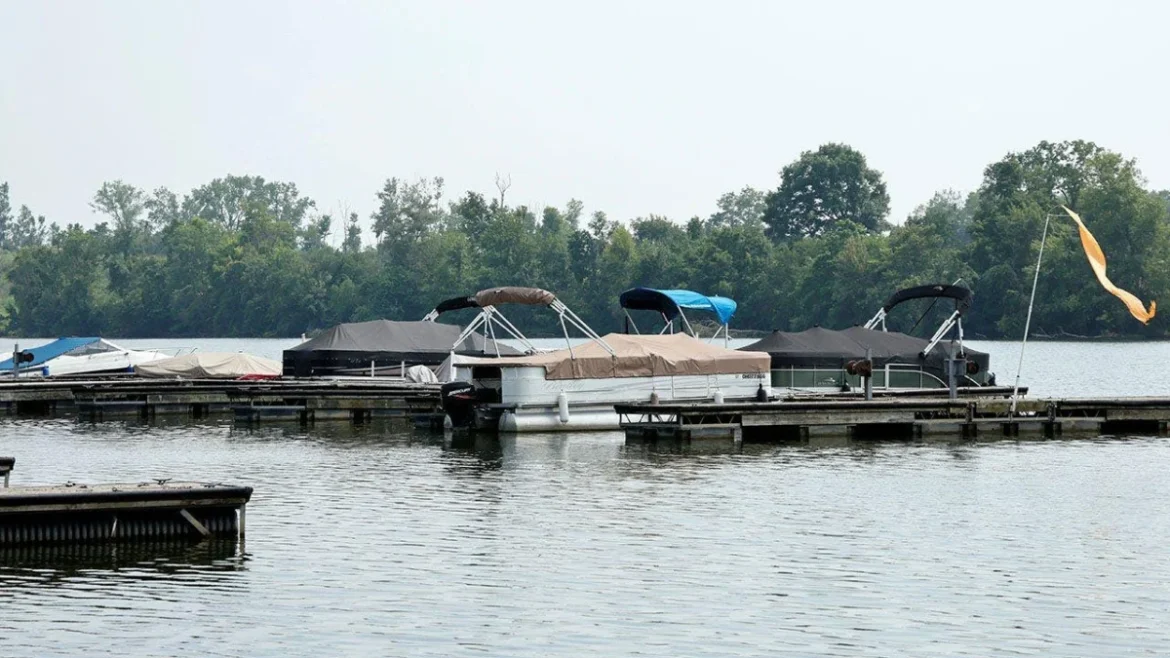
A devastating incident unfolded over the weekend on the Scioto River in Powell, Ohio, claiming the lives of five individuals in a tragic sequence of events stemming from an attempt to rescue a struggling swimmer. The catastrophe, which saw multiple family members enter the treacherous waters in a desperate bid to save one another, has cast a somber pall over the Columbus suburb and ignited urgent calls for heightened water safety awareness. Authorities confirmed Monday that the recovery efforts concluded with the grim discovery of all five victims, two women initially pronounced dead at a local hospital, and three men whose bodies were later retrieved from the river. The incident underscores the inherent dangers of natural waterways and the critical importance of proper safety measures and trained intervention.
A Desperate Rescue Attempt Turns Fatal: The Chronology of Events
The tragedy began to unfold on Sunday evening when a group of individuals gathered near the banks of the Scioto River, a popular recreational spot in Delaware County. According to Delaware County Sheriff Jeffrey Balzer, the initial incident occurred when one member of the group entered the river for a swim and soon found themselves in distress. The swimmer began to struggle against the river’s currents, prompting an immediate and instinctive reaction from those nearby.
"I understand that one person got in the river, was struggling in the water. Two people went in to try to save them," Sheriff Balzer explained at a news conference on Monday. This initial attempt to rescue the struggling swimmer quickly escalated into a more profound crisis. As the first two rescuers entered the water, they too became overwhelmed by the conditions, finding themselves unable to assist the original swimmer and now in peril themselves. In a desperate and heartbreaking chain reaction, two additional individuals from the group then plunged into the river, hoping to save those already in distress. Regrettably, these subsequent attempts also proved futile, with all five individuals ultimately succumbing to the unforgiving forces of the river.
The full scope of the disaster was not immediately apparent to outside authorities. It was approximately 9 p.m. when a "distraught" child, a member of the group present during the tragedy, managed to leave the scene and run onto a nearby road. A passing motorist, observing the child’s distress, stopped to offer assistance and was informed that the child’s family was in the river. The motorist promptly contacted emergency services, initiating a large-scale response.
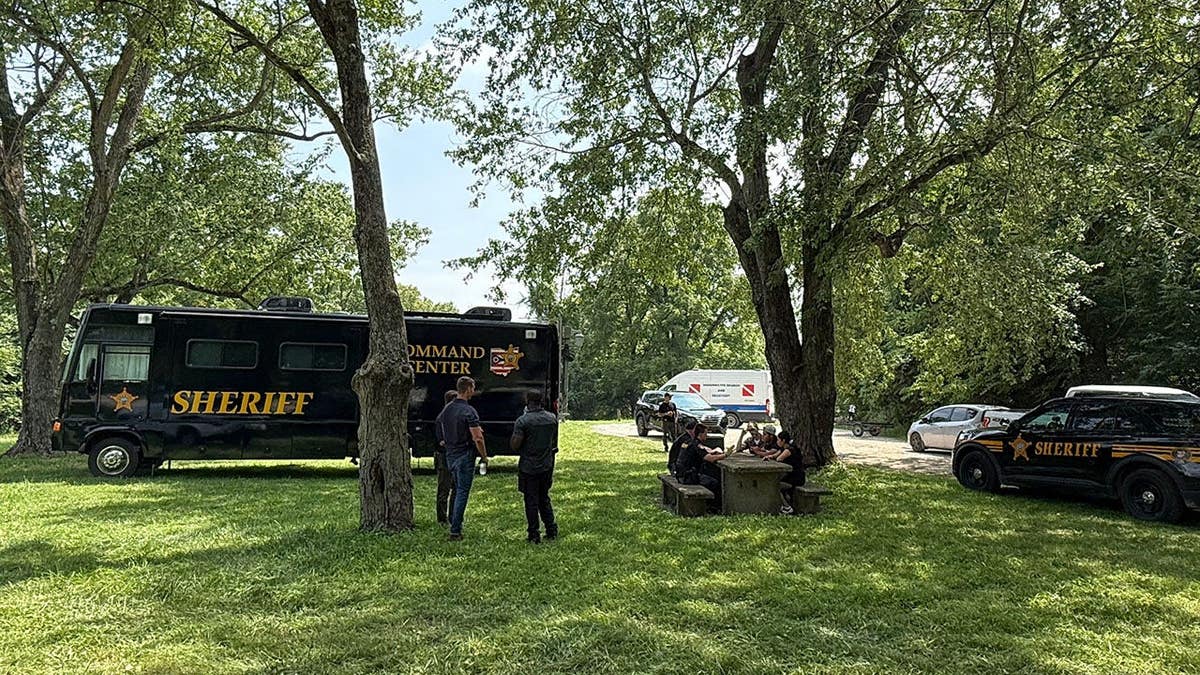
First responders, including deputies from the Delaware County Sheriff’s Department, local fire and EMS personnel, and dive teams, swiftly converged on the scene. Upon arrival, they located two women who were retrieved from the water and transported to a nearby hospital. Despite immediate medical attention, both women were pronounced dead. The search continued through the night and into Monday for the remaining individuals. Tracy Whited, a spokesperson for the Delaware County Sheriff’s Department, confirmed that the bodies of three men were subsequently recovered from the river on Monday, bringing the total number of fatalities to five. The identities of the deceased have not yet been publicly released as authorities work to notify next of kin and provide support to the affected families. Sheriff Balzer noted that no boat was present at the scene, and investigations are ongoing to determine if alcohol played any role in the tragic events.
The Perilous Waters of the Scioto: Understanding the Risks
The Scioto River, a significant waterway stretching approximately 230 miles through central Ohio, is a cherished natural resource for local communities, including Powell, a suburb just north of Columbus. Known for its scenic beauty and recreational opportunities, the river attracts anglers and outdoor enthusiasts with its populations of bass, saugeye, catfish, and carp, as noted by publiclands.com. However, beneath its often tranquil surface, natural rivers like the Scioto can harbor unforeseen dangers, particularly for those unfamiliar with their specific characteristics or unprepared for their potential hazards.
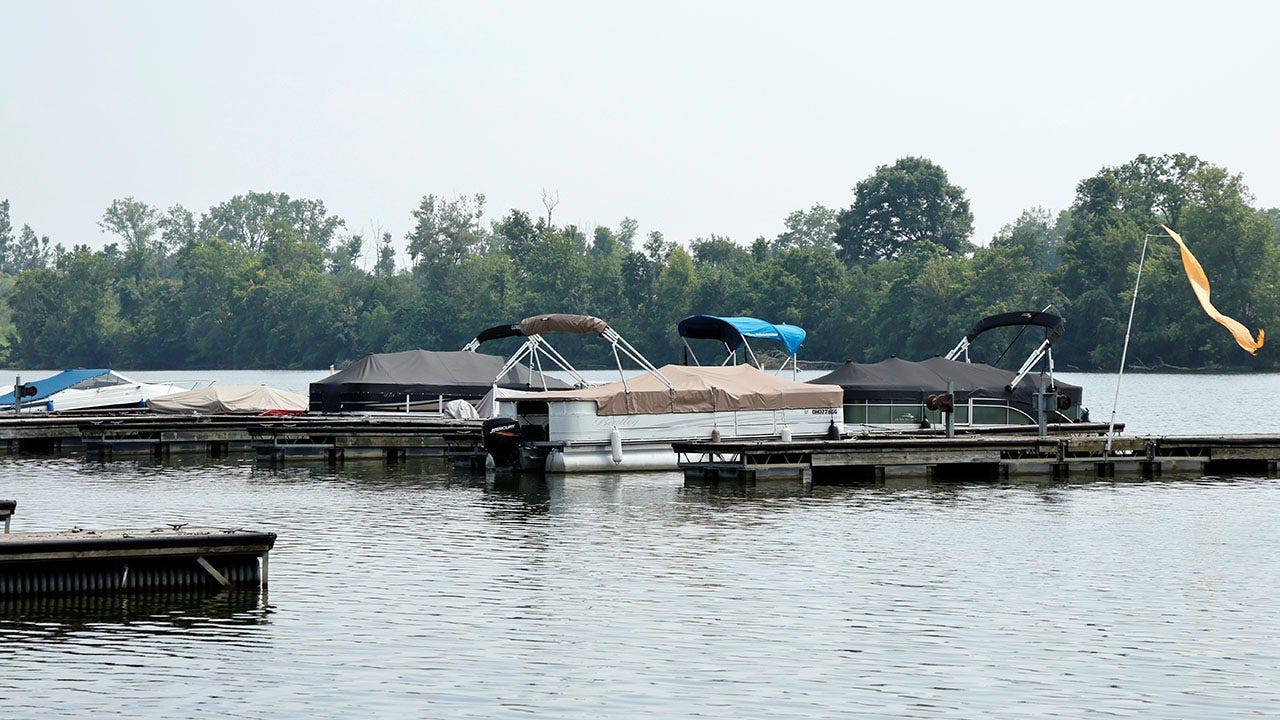
Rivers are dynamic environments, and their conditions can change rapidly and dramatically. Factors such as recent rainfall can significantly increase water levels and strengthen currents, transforming a seemingly calm stretch into a powerful and dangerous flow. Undertows, submerged debris, sudden drop-offs in depth, and variations in water temperature can all pose severe risks to swimmers. Even strong swimmers can be quickly overwhelmed by a combination of these factors, especially when caught off guard or attempting to navigate unfamiliar sections of a river. The lack of lifeguards or designated swimming areas in many natural waterways further compounds these risks, leaving individuals to assess and manage hazards on their own.
The Dynamics of Chain Drowning: Why Bystander Rescues Can Go Wrong
The sequence of events on the Scioto River tragically illustrates a phenomenon known as "chain drowning" or "instinctive drowning response" among untrained rescuers. While the human impulse to help someone in distress is powerful and commendable, entering a dangerous aquatic environment without proper training, equipment, or awareness of the risks can often lead to multiple fatalities rather than a successful rescue.
Statistics from organizations like the Centers for Disease Control and Prevention (CDC) and the American Red Cross consistently highlight the dangers of untrained bystander rescues. A significant percentage of drowning incidents involve multiple victims, where individuals attempting to save another person also become victims themselves. This is often due to several factors:
- Lack of Training: Untrained rescuers may not know how to approach a struggling person safely, how to maintain their own buoyancy, or how to assess the strength of currents.
- Instinctive Drowning Response: A person who is drowning is often in a state of panic, instinctively thrashing and gasping for air. They may not be able to follow instructions and can inadvertently pull a rescuer underwater.
- Overestimation of Abilities: Rescuers may overestimate their own swimming abilities or underestimate the power of the water, especially when adrenaline is high.
- Absence of Flotation Devices: Without a life vest or other flotation aid, a rescuer adds another body to the struggle, increasing the risk for both parties.
- Hypothermia/Exhaustion: Cold water can quickly lead to hypothermia and muscle cramps, while the exertion of a rescue attempt can lead to rapid exhaustion.
Water safety experts universally advise against entering the water to rescue a struggling person unless one is a trained lifeguard or swift water rescue professional, and only then with appropriate safety gear. Instead, the "Reach, Throw, Row, Don’t Go" mantra is emphasized: Reach for the person with an object, Throw a flotation device to them, Row a boat or use a watercraft to reach them, and Don’t Go into the water yourself unless absolutely necessary and properly equipped.
Multi-Agency Response: From Rescue to Recovery
The initial 911 call around 9 p.m. on Sunday triggered a comprehensive emergency response that quickly evolved from a search and rescue operation into a recovery effort. Multiple agencies from Delaware County and surrounding areas mobilized, demonstrating the coordinated capabilities required for such complex incidents. The Delaware County Sheriff’s Department led the investigation and overall coordination, working closely with local fire departments, emergency medical services (EMS), and specialized dive teams.
The search conditions were challenging. Nightfall severely limited visibility, and the natural characteristics of the river—its depth variations, currents, and potential for submerged obstacles—made the task arduous and perilous for first responders. Search teams utilized various methods, including shore-based searches, boats equipped with sonar technology to detect objects beneath the surface, and potentially K9 units trained for water recovery. The focus was initially on locating and rescuing any survivors, but as time passed and more victims were confirmed, the mission transitioned to a recovery operation aimed at bringing closure to the grieving families.
The scale of such an operation puts immense strain on personnel, both physically and emotionally. First responders face the difficult task of navigating dangerous environments while grappling with the tragic circumstances of the situation. Their professionalism and dedication are critical in managing these incidents, often working long hours under difficult conditions to ensure all victims are accounted for.
Official Calls for Vigilance: Sheriff Balzer’s Plea for Water Safety
In the wake of the devastating loss of life, Delaware County Sheriff Jeffrey Balzer issued a poignant appeal to the public, emphasizing the critical importance of water safety. His statements underscored the preventable nature of many drowning incidents and the need for greater vigilance, particularly when recreating in natural bodies of water.
"This is a stark reminder of how quickly a beautiful day near the water can turn into a tragic one," Sheriff Balzer stated, urging the public to prioritize safety. He specifically highlighted the necessity of having safety devices readily available. "I implore everyone to have safety devices like life vests on hand when gathering near bodies of water, especially rivers where conditions can be unpredictable." This advice is paramount; personal flotation devices (PFDs) are proven life-savers, capable of keeping individuals afloat even if they become unconscious or incapacitated.
Local officials and community leaders are expected to echo the Sheriff’s warnings, reinforcing public education campaigns on water safety. The tragedy serves as a grim catalyst for renewed discussions on responsible recreation near waterways, particularly for families and groups who may not have formal swimming training or experience in dynamic river environments.
Support for Surviving Children and the Grieving Community
Beyond the immediate loss of life, the tragedy has left a profound impact on the surviving family members, particularly the two children under the age of 10 who were part of the group. Sheriff Balzer confirmed that these children have been placed in the care of family services, who will provide essential support and resources during this unimaginably difficult time. The trauma of witnessing such an event and losing multiple family members will require long-term care, counseling, and emotional support.
The wider community of Powell and Delaware County is undoubtedly reeling from the incident. Tragedies of this magnitude often foster a collective sense of grief and shock, prompting neighbors and local organizations to come together to support affected families and reinforce community bonds. Local churches, schools, and social services are likely to play a crucial role in providing solace and practical assistance to those impacted, as well as promoting broader awareness campaigns to prevent similar future events.
Essential Water Safety Guidelines: Preventing Future Tragedies
The Scioto River tragedy serves as a powerful and heartbreaking reminder of the universal importance of adhering to fundamental water safety guidelines. Preventing future incidents requires a concerted effort from individuals, communities, and public safety organizations. Key recommendations include:
- Always Wear a Life Vest: This is the single most important safety measure for anyone entering or near natural bodies of water, regardless of swimming ability. PFDs can be the difference between life and death in unexpected situations.
- Swim in Designated Areas: Whenever possible, swim in areas supervised by lifeguards or explicitly designated for swimming, where water conditions are regularly monitored.
- Never Swim Alone: Always swim with a buddy. In case of an emergency, a companion can provide immediate assistance or call for help.
- Understand Water Conditions: Before entering any natural water body, assess the current, depth, and temperature. Be aware of any warning signs, and heed local advisories. Rivers, in particular, can have strong, unseen currents.
- Avoid Alcohol and Drugs: Impaired judgment, coordination, and reaction time significantly increase the risk of drowning.
- Learn CPR and First Aid: Knowing how to perform cardiopulmonary resuscitation (CPR) can be crucial in the critical moments after a drowning incident.
- Educate Children: Teach children about water safety from a young age and ensure they are always supervised by a responsible adult when near water.
- "Reach, Throw, Row, Don’t Go": As previously highlighted, if someone is in distress in the water, prioritize reaching for them with an object, throwing a flotation device, or using a boat to get to them. Do not enter the water unless you are a trained professional with appropriate safety gear.
Broader Implications: A Call to Action for Public Awareness
This devastating incident in Powell, Ohio, resonates beyond the immediate community, serving as a national reminder of the persistent dangers associated with natural waterways. It echoes other recent water-related tragedies, such as the flash flood in Utah that claimed five family members just days prior, underscoring the broad spectrum of hazards present in natural environments.
The implications of this event will likely extend to increased public awareness campaigns across Ohio and beyond, focusing on river safety and the critical importance of bystander intervention strategies that prioritize safety over impulsive, untrained rescues. Local authorities may review existing signage, public access points, and safety regulations for the Scioto River to identify any potential improvements. For emergency services, such multi-fatality events prompt internal reviews of response protocols, resource allocation, and inter-agency communication, ensuring lessons learned can enhance future preparedness.
Ultimately, the tragedy of the five lives lost in the Scioto River is a profound call to action. It is a call for greater personal responsibility, enhanced public education, and a community-wide commitment to fostering a culture of safety around our precious, yet potentially perilous, natural water resources.
Conclusion: Remembering the Victims and Reinforcing Safety
As the community of Powell grapples with the immense grief and shock of losing five of its members, the focus remains on supporting the affected families and reinforcing vital water safety messages. The names of the deceased will be remembered not just as victims, but as individuals whose lives were tragically cut short by a series of events that began with a selfless act of courage. Their memory serves as a somber lesson on the unpredictable nature of rivers and the profound importance of preparing for and respecting the power of water.
The Scioto River will continue to flow, offering beauty and recreation, but hopefully, with renewed respect and vigilance from all who approach its banks. The unified message from law enforcement and safety experts is clear: while the instinct to help is noble, safety must always come first. Equipping oneself with knowledge, safety devices, and a cautious approach to natural waters is the most effective way to prevent future tragedies and ensure that our waterways remain sources of enjoyment, not sorrow.
