
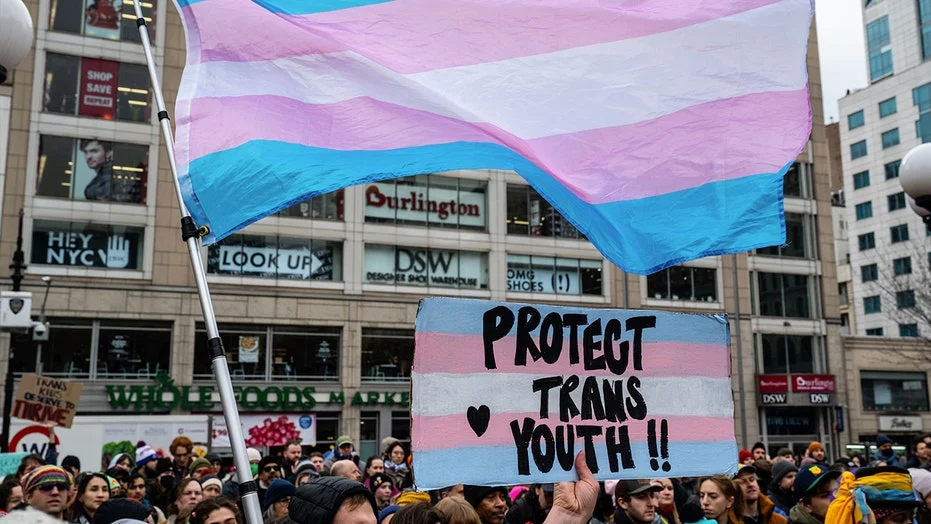
The American educational and cultural landscape is undergoing a profound period of transformation as a series of high-stakes legal battles, policy shifts, and grassroots activism converge on school boards, state legislatures, and federal courts. Across the nation, fundamental questions regarding religious liberty, parental rights, youth policy, and ideological shifts are challenging long-standing institutional norms. From an impending Supreme Court showdown in Colorado over state-funded preschool aid and Catholic education, to allegations of hidden student gender transitions within Rhode Island public schools, the intersection of public policy and private values has become a primary battleground for contemporary civil discourse.
Compounding these debates are sweeping changes in athletic regulations, such as Michigan school boards restricting biological males from participating in female sports leagues, alongside evolving socio-economic perspectives on college campuses. Together, these developments illustrate a deeply polarized society grappling with the boundaries of government authority, religious freedom, and the rights of parents to guide the upbringing of their children.
The Colorado Faith Fight: Supreme Court Looms Over Preschool Aid
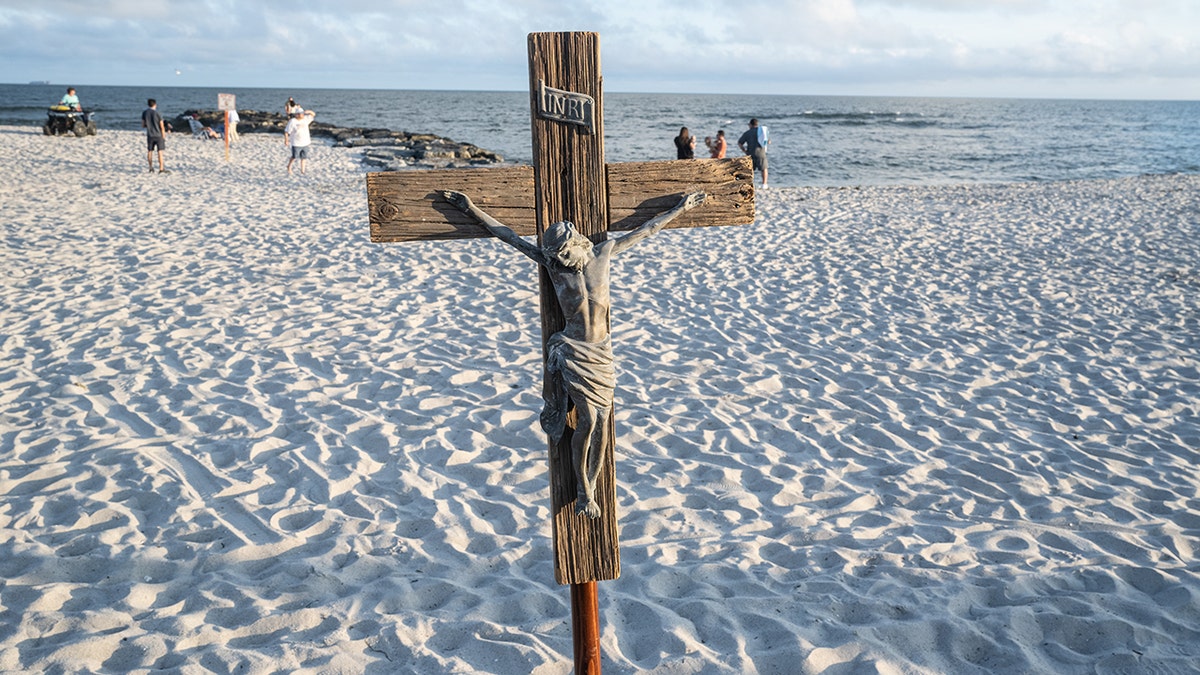
At the center of the religious liberty debate is a high-profile legal dispute originating in Colorado, where a mother has initiated a landmark challenge after her children were allegedly denied access to a $12,000 state-funded preschool aid program due to their Catholic faith. The case, which is steadily tracking toward a pivotal showdown before the Supreme Court of the United States, touches on core constitutional principles concerning the Free Exercise Clause of the First Amendment and the unconstitutional exclusion of religious institutions from public benefit programs.
The controversy stems from state-administered universal preschool initiatives designed to expand early childhood education access. However, eligibility restrictions and anti-discrimination frameworks in certain states have historically conflicted with the operational and admissions policies of religious private schools. Families utilizing state funding options argue that disqualifying faith-based providers effectively penalizes parents for choosing religious education, creating an uneven playing field that infringes upon constitutional guarantees of religious freedom.
Legal scholars note that this impending Supreme Court docket holds massive implications for the future of school choice and government funding of religious education. Precedents established in recent years—such as Espinoza v. Montana Department of Revenue and Carson v. Makin—have progressively dismantled state-level "Blaine Amendments," which traditionally barred public funds from going to sectarian schools. The Colorado case threatens to further test the boundaries of how states may regulate or exclude religious providers from universal public programs, signaling a potentially landmark ruling that could reshape educational funding models nationwide.

Parental Rights and Privacy: Rhode Island District Accused of Hiding Gender Transitions
Simultaneously, the battle over parental rights and student welfare has intensified at the local level. An exclusive report has detailed allegations against a Rhode Island school district, which is accused of actively concealing children’s social gender transitions from their parents. The controversy highlights a growing national friction point between educational institutions and families regarding privacy, minor autonomy, and the ethical responsibilities of school counselors and administrators.
According to critics and affected families, district policies that permit or encourage social transitions—such as adopting new pronouns, names, or gender identities at school without notifying parents—infringe upon fundamental parental rights. Proponents of these policies, conversely, argue that such guidelines create a safe, supportive environment for vulnerable youth who may fear rejection or harm at home.
This policy divide has triggered numerous lawsuits across the United States. Parents increasingly argue that schools are overstepping their educational mandate by engaging in medical or psychological transitions behind closed doors. Legal advocacy groups representing parents maintain that withholding such significant information violates constitutional precedents affirming that parents possess a fundamental right to direct the care, custody, and upbringing of their children. The Rhode Island controversy serves as a microcosm of a broader national debate, prompting state legislatures to introduce "parental bill of rights" legislation aimed at mandating total transparency regarding student health and identity records.
Athletic Eligibility and Policy Shifts: Michigan Schools Ban Biological Males from Girls’ Sports
Beyond ideological and religious disputes, the physical and structural organization of public institutions is undergoing rapid revision. In Michigan, a major school board recently voted to implement a strict policy banning biological males from participating in female sports leagues. This policy shift represents a concrete manifestation of an ongoing, highly contentious debate regarding fairness, safety, and biological reality in scholastic athletics.
The decision follows years of intense advocacy from female athletes, parent coalitions, and athletic associations arguing that biological differences in bone density, muscle mass, and lung capacity provide inherent physiological advantages that compromise the competitive integrity of women’s sports. Proponents of the policy argue that Title IX, landmark legislation originally enacted to ensure equal educational and athletic opportunities for women, is undermined when biological males are permitted to compete in female categories.
Conversely, civil rights organizations and advocates for transgender youth have strongly condemned such policy shifts, arguing that exclusionary rules marginalize transgender students, exacerbate mental health challenges, and violate federal anti-discrimination protections. As more state legislatures and local school boards enact parallel bans, the athletic landscape remains deeply fractured, with legal challenges likely to ultimately determine the permissible scope of sex-segregated sports under federal law.
Economic Ideologies on Campus: Socialism Meets Reality
While K-12 education grapples with cultural and parental disputes, institutions of higher education are witnessing their own ideological friction points. Recent observations from college campuses indicate a growing theoretical appeal of socialism among younger demographics, which frequently runs headlong into the practical realities of economics, administrative policy, and fiscal management.
Analysts note that while anti-capitalist sentiment has gained traction amid student populations concerned with economic inequality, housing costs, and student loan debt, the operational realities of university ecosystems often present a stark contrast. The friction between idealistic socialist frameworks and the pragmatic constraints of market-driven campus economies has sparked debates regarding the curriculum, ideological balance, and intellectual diversity within modern academia. Observers suggest that this generational shift in economic philosophy will heavily influence political discourse, labor markets, and voting patterns in upcoming election cycles.
Broader Implications and Future Outlook
The convergence of these diverse legal, cultural, and educational battles underscores a pivotal moment in American society. Whether examined through the lens of religious freedom in Colorado, parental transparency in Rhode Island, athletic equity in Michigan, or economic philosophy on college campuses, the underlying theme remains consistent: a fundamental renegotiation of the relationship between the individual, the family, the community, and the state.
As these cases wind their way through appellate courts and eventually reach the Supreme Court, the resulting judicial precedents will establish definitive legal boundaries for years to come. Policymakers, educators, and citizens alike are left navigating an increasingly complex terrain where traditional values and modern progressive frameworks continually collide, shaping the future trajectory of American civic life.

