
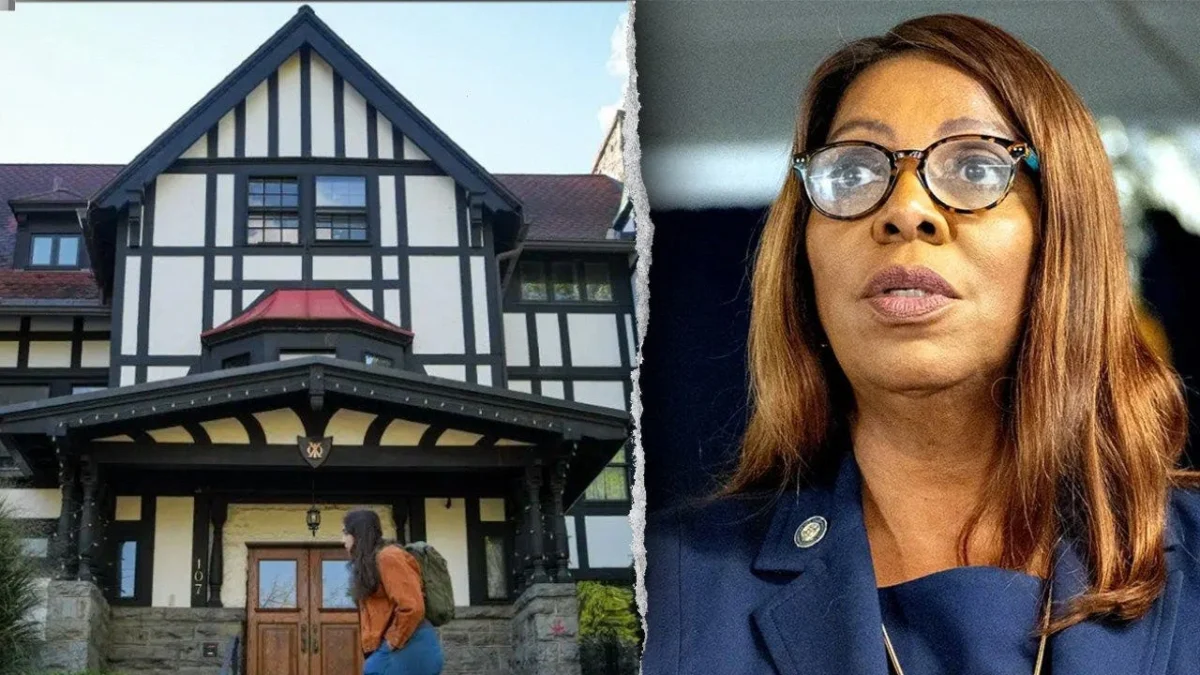
The legal battle surrounding a high-profile, reopened criminal investigation into an alleged gang rape at Cornell University reached a critical juncture on Thursday as a Sullivan County judge heard oral arguments regarding a defense motion to disqualify New York Attorney General Letitia James from serving as special prosecutor. Presiding Judge James Farrell listened to intense arguments from both defense counsel and the state but ultimately adjourned the proceeding without issuing an immediate ruling. The decision, anticipated in the coming days, could fundamentally alter the trajectory of a case that has ignited fierce political, legal, and public debates across New York State.
The legal challenge was formally brought forward by defense attorney Andrew Miltenberg, who represents Gillio Lopes, one of seven former members of the Chi Phi fraternity named in connection with the October 2024 incident. Miltenberg argued that public statements made by Attorney General James prior to her official appointment compromise her institutional neutrality, effectively rendering a fair and impartial review of the evidence impossible for his client and the other co-defendants.
Background and the Catalyst for the Reopened Investigation
The controversy stems from an alleged sexual assault that took place in October 2024 at the Chi Phi fraternity house on the campus of Cornell University in Ithaca, New York. According to civil court filings and subsequent investigative disclosures, a female Cornell student alleged that she was drugged and gang-raped by seven fraternity brothers during an off-campus gathering.
Initially, the case was evaluated by the local Tompkins County District Attorney’s office. Following an initial review of the evidence and witness statements, the local prosecutor declined to bring criminal charges against the fraternity members, deciding that the threshold for a successful prosecution had not been met. For many months, the matter remained dormant on the criminal side, though civil litigation filed by the accuser—who has been granted anonymity in court proceedings as "Jane Doe"—continued to draw intense scrutiny to campus safety and the handling of sexual assault allegations within the Ivy League institution.
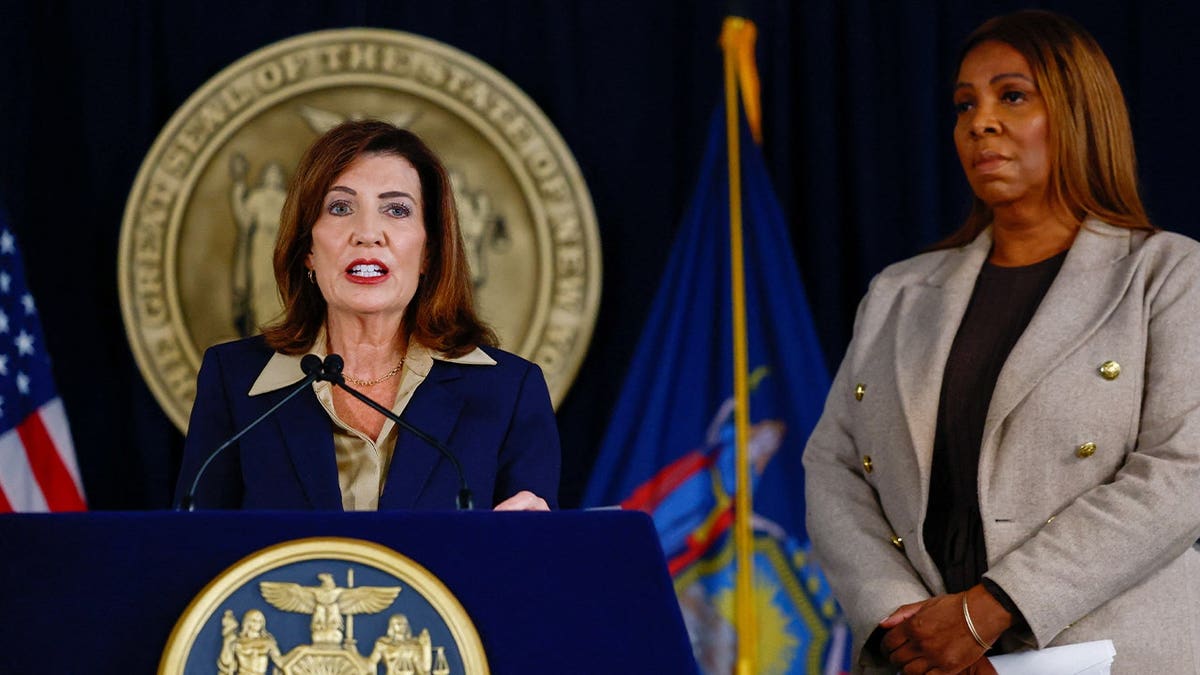
The landscape of the case shifted dramatically on October 1, 2026. Stepping into a local jurisdictional matter, New York Governor Kathy Hochul utilized executive authority to bypass the Tompkins County District Attorney’s office. Hochul formally appointed Attorney General Letitia James to serve as a special prosecutor, effectively reopening the criminal investigation into the October 2024 fraternity house incident. The unusual executive override drew immediate national attention, with supporters praising the state’s intervention to ensure accountability and critics questioning the propriety of state-level executive intervention in a local prosecutorial decision.
The Defense’s Argument: Pre-Existing Bias and the "Original Sin"
At the heart of Thursday’s hearing in Sullivan County was the defense’s contention that Attorney General James is inherently biased and has already presumed the guilt of the accused individuals. Miltenberg focused heavily on social media statements published by James prior to her formal appointment as special prosecutor.
In the wake of the public outcry surrounding the allegations, James posted a public message expressing solidarity with the accuser. "What this young woman has been forced to endure is horrific and unacceptable," James wrote on social media platforms. "I’m holding her in my heart and in my prayers. To her, and to all survivors: you’re not alone. We stand with you."
Miltenberg argued before Judge Farrell that these declarations of support cross the line from standard public empathy into active pre-determination of guilt. He characterized the initial public statements as the "original sin" of the prosecution, arguing that a prosecutor tasked with evaluating whether crimes were committed cannot publicly declare a victim’s account as undeniable fact before reviewing the case file impartially.
"Whether it affects all or just one, either the court determines the statements made by AG James take her out of contention to be a neutral party reviewing the case or not," Miltenberg argued during the proceedings. He asserted that his client cannot receive a fair assessment of the evidence when the head of the prosecuting office has already publicly aligned herself with the accuser. Furthermore, the defense raised concerns about potential professional conduct violations and the optics of Governor Hochul and Attorney General James appearing together at subsequent press conferences to champion the reopened investigation.
The State’s Defense: Upholding the Appointment and Legal Thresholds
Representing the Office of the Attorney General, Assistant Attorney General Kaitlin Vigars mounted a vigorous defense of Governor Hochul’s appointment and pushed back against the disqualification effort. The state maintained that the defense’s claims are legally insufficient and speculative.
In a formal statement released prior to and reiterated during the hearing, a spokesperson for the Attorney General’s office emphasized, "As indicated in our motion before the court, these claims are without merit. The Office of the Attorney General remains committed to conducting an investigation guided only by the facts, the evidence, and the law."
During oral arguments, Vigars argued that under New York law, public statements made by an elected official or prosecutor do not automatically meet the high legal threshold required to disqualify a prosecutor from an active case. The state contended that the defense must demonstrate actual prejudice—tangible evidence that the prosecutor’s pre-existing views have actively corrupted the investigative process—rather than relying on abstract objections to sympathetic public rhetoric. The prosecution maintained that James and her team are fully capable of executing a rigorous, objective review based strictly on forensic evidence, witness testimony, and applicable state statutes.
Judicial Scrutiny and Procedural Concerns
Judge James Farrell engaged both legal teams with detailed, pointed questioning throughout the two-hour proceeding. The judge pressed Assistant Attorney General Vigars on the exact circumstances surrounding James’ appointment. Specifically, Farrell questioned whether Governor Hochul was fully aware of James’ social media posts prior to naming her special prosecutor, whether the joint appearances of the governor and the attorney general created an impermissible appearance of political entanglement, and whether the primary purpose of appointing a state-level special prosecutor was to eliminate bias or if it inadvertently introduced a new form of systemic bias.

Beyond the specific question of James’ continued participation, Judge Farrell voiced broader systemic concerns regarding the coordination of legal challenges across different New York jurisdictions. With civil lawsuits, criminal probes, and potential collateral motions moving simultaneously through various courts, Farrell warned of the dangers of fragmented litigation.
"If multiple judges come down with decisions, that’s chaos," Farrell remarked from the bench, emphasizing that judicial efficiency and consistency are paramount. "And the court should not fashion chaos."
Broader Legal and Political Implications
The outcome of Judge Farrell’s forthcoming decision carries profound implications not only for the seven former Chi Phi fraternity brothers facing scrutiny, but also for the broader framework of criminal justice administration in New York State.
The case has thrust into the spotlight the relatively rare mechanism of a governor superseding a locally elected district attorney to appoint a special prosecutor. While executive intervention is legally permissible under specific circumstances within New York’s executive law, its application in sexual assault cases involving university students is highly unusual. Legal scholars note that if defense teams successfully establish that public statements of empathy by an elected official disqualify them from acting as a prosecutor, it could set a major precedent regarding how public figures communicate about pending or potential criminal matters.
Simultaneously, the case has revitalized legislative and public discussions regarding New York’s legal statutes concerning intoxicated victims and the definition of consent. The initial reluctance of the Tompkins County District Attorney to bring charges highlighted the complex evidentiary hurdles inherent in proving non-consent when alcohol or incapacitating substances are allegedly involved.

As the legal community awaits Judge Farrell’s written ruling, the seven defendants remain under intense public scrutiny. Meanwhile, the accuser, designated as Jane Doe in court documents, continues to navigate the proceedings under federal warnings issued by presiding judges regarding threats and harassment directed at witnesses and participants in the case.
Judge Farrell is expected to release his formal decision on the disqualification motion within the coming days. Should the judge rule in favor of the defense, Governor Hochul would be forced to appoint a new, independent special prosecutor to review the Cornell University fraternity case, adding yet another layer of delay to an already convoluted legal saga. Conversely, if the motion is denied, the Office of the Attorney General will press forward with its criminal inquiry, setting the stage for potential grand jury presentations and subsequent trial proceedings.

