
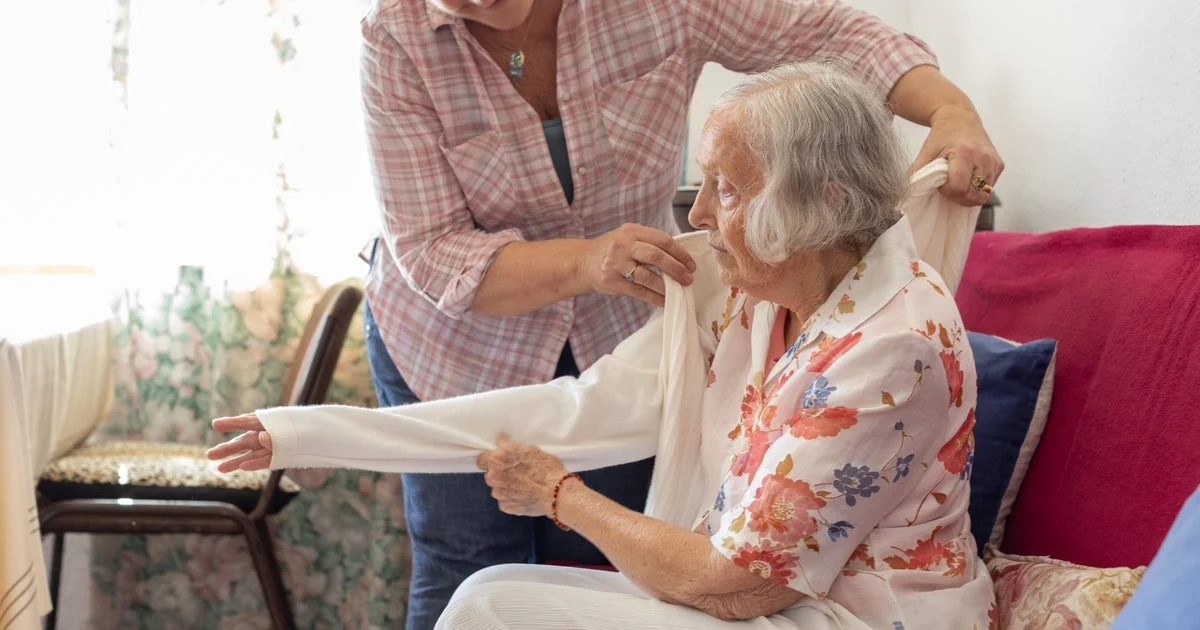
For millions of American families, the act of providing care for an aging loved one has evolved from a labor of love into a profound financial crisis. According to a landmark 2026 study released by AARP, the average out-of-pocket expenditure for family caregivers has surged to more than $11,500 annually. This represents a staggering 60% increase since 2021, a period marked by high inflation, rising healthcare costs, and a tightening labor market. As the population of older adults continues to grow, the economic burden placed on their family members—many of whom are already struggling to maintain their own financial stability—is reaching a breaking point.
The Human Cost of Care: A Case Study
Wendy Mayo, a 44-year-old Connecticut resident, represents the face of this growing demographic. Alongside her two siblings, Mayo manages the complex, round-the-clock needs of her mother, who suffers from Alzheimer’s disease. Their situation requires a combination of professional care, specialized medical equipment, and significant modifications to the family home.
"We pay her rent and bought items to prevent bedsores, plus bed alarms because she was prone to wandering," Mayo explained. "We also invested in a network of security cameras to ensure her safety at all times. All those things add up, and it becomes a second mortgage that you didn’t plan for." Mayo personally contributes $15,000 per year, while the siblings share a combined total of $45,000. For the Mayo family, as for thousands of others, caregiving is a role they were "thrust into," lacking the structured financial planning typically associated with retirement or long-term investments.
Chronology of the Caregiving Crisis
The trajectory of caregiving costs has been steadily upward over the last half-decade. To understand the current severity, one must look at the progression of the "silent crisis" of caregiving:
- 2021: Prior to the current inflationary spike, family caregivers were already absorbing significant costs, though they remained somewhat manageable for middle-income households.
- 2023: As healthcare premiums and the cost of essential goods rose, caregivers began reporting increased difficulty in balancing household budgets.
- 2024: The "sandwich generation"—those caring for both aging parents and dependent children—began to report record levels of burnout and financial strain, as noted by various social service agencies.
- 2026: The AARP report confirms a 60% jump in costs over five years, cementing the reality that the current caregiving model is becoming unsustainable for the average American household.
Data Breakdown: Where the Money Goes
The AARP study, based on a survey of more than 2,500 family caregivers conducted in June and July 2026, categorizes the primary financial drains. Housing costs—including rent, mortgage payments, and property taxes—remain the largest expense, accounting for an average of nearly $4,800 per year. Healthcare follows closely, encompassing insurance premiums, copayments, and the rising costs of prescription and over-the-counter medications.
The disparity is particularly stark when filtered by income. For households earning less than $40,000 annually, caregiving costs consume more than 75% of their total annual income. This forces these families into a precarious position where they must choose between essential living expenses and the health of their loved ones.
The Professional and Personal Toll
Beyond the direct financial outflow, the "hidden" costs of caregiving involve a loss of earning potential. The survey revealed that nearly two-thirds of working caregivers have seen their professional lives negatively impacted. This takes several forms:
- Workplace Flexibility: Many caregivers are forced to reduce their hours to attend to medical appointments or manage emergencies, leading to a direct decrease in salary.
- Career Stagnation: The time-intensive nature of caregiving often prevents employees from seeking promotions or professional development opportunities.
- Early Retirement: A significant percentage of caregivers have been forced to leave the workforce entirely, which creates a dual-threat: an immediate loss of income and a long-term reduction in Social Security and retirement savings.
Megan O’Reilly, AARP’s vice president of government affairs for health and family, emphasized that the financial decisions caregivers make today have compounding long-term effects. "The financial outputs they provide for their loved one have implications for their own retirement security," O’Reilly stated. "They are often forced to choose between the immediate needs of their parents and their own future stability."
Broader Implications and Economic Analysis
The societal impact of this crisis is profound. With the value of family caregiving now estimated to surpass $1 trillion annually in terms of the unpaid services provided, the U.S. economy relies heavily on the labor of family members. However, as the costs of sustaining this labor increase, there is a risk that the informal care system will buckle.
Economists point to several systemic issues contributing to this burden:
- Lack of Long-Term Care Infrastructure: The U.S. lacks a comprehensive federal policy to support the costs of long-term care for the aging population.
- Medical Inflation: The cost of medical supplies and professional in-home care has outpaced general inflation, placing additional pressure on fixed-income families.
- Increased Longevity: Advances in medicine have allowed for longer lives, but often with chronic conditions that require years, or even decades, of specialized care.
The implications for public policy are clear. Experts argue that without government intervention—such as tax credits for caregivers, subsidized home modifications, or enhanced support through Medicare—the financial strain will continue to erode the savings of the middle class.
Conclusion: A Call for Structural Change
The data from the 2026 AARP study serves as a diagnostic tool for a broader structural failure. As the population ages, the reliance on family members to fill the gaps in the professional healthcare system is reaching a breaking point. For caregivers like Wendy Mayo, the struggle is not just about balancing a checkbook; it is about the emotional and financial exhaustion that comes with ensuring a loved one’s dignity.
Without targeted policy changes that address the cost of healthcare, housing, and the workforce participation of family caregivers, the economic security of the next generation of retirees is at risk. As the costs continue to surge, the message from advocates is consistent: caregiving is not merely a private, family matter—it is a critical public issue that requires systemic solutions to prevent a widespread economic decline among the nation’s most dedicated caregivers. The current reliance on personal sacrifice is an unsustainable model for an aging America, and as the numbers show, the time for addressing these systemic financial inequities is rapidly running out.

