

The Federal Bureau of Investigation is currently conducting an urgent forensic examination following a significant cyber intrusion into the National Crime Information Center (NCIC), a critical repository that serves as the backbone for American law enforcement data. This breach, which marks the second major digital assault on the bureau in recent months, has raised alarms among security experts and government officials regarding the integrity of records relied upon by hundreds of thousands of police officers during daily operations.
The NCIC is widely considered the central nervous system of domestic policing. Managed by the FBI, the system acts as a real-time clearinghouse for information ranging from outstanding warrants and criminal histories to records on missing children, active gang members, and individuals identified as suspected terrorists. By providing a unified interface for 56 state and regional terminals, the database ensures that patrol officers across the country have instantaneous access to life-critical information.
The Anatomy of the Threat
Jason Pack, a former FBI supervisory special agent with extensive experience in the bureau’s cybercrime and public information divisions, emphasized the severity of the incident. According to Pack, the primary concern for investigators is not merely the potential theft of data, but the possibility of record manipulation.
“What they worry about is if any of this data has changed,” Pack noted. “If hackers have altered records inside the database, it could fundamentally affect officers’ safety on the side of the road. If a warrant is removed or a violent criminal’s history is scrubbed, an officer might approach a situation with a false sense of security, potentially leading to catastrophic outcomes.”
While the investigation is in its nascent stages and there is currently no confirmed evidence that criminal records were altered or that the system has suffered a total outage, the breach has triggered a high-priority response. The bureau is currently scrutinizing IP logs, metadata, and access patterns to determine the entry point of the attackers. Investigators are operating under the hypothesis that the breach could have occurred through several vectors: a compromised password belonging to one of the system’s 100,000 authorized users, a vulnerability within a connected state-level terminal, or an infiltration via a third-party vendor interface.
A Chronology of Recent Breaches
This incident follows a troubling trend of heightened cyber aggression against federal infrastructure. In September, the FBI was forced to contend with a separate but equally serious breach involving its professional recruitment portal. In that instance, the notorious extortion group known as "ShinyHunters" claimed to have successfully exfiltrated sensitive personal records belonging to bureau employees. The fact that two such distinct systems have been compromised in such a short window has prompted a comprehensive review of the bureau’s cybersecurity posture.
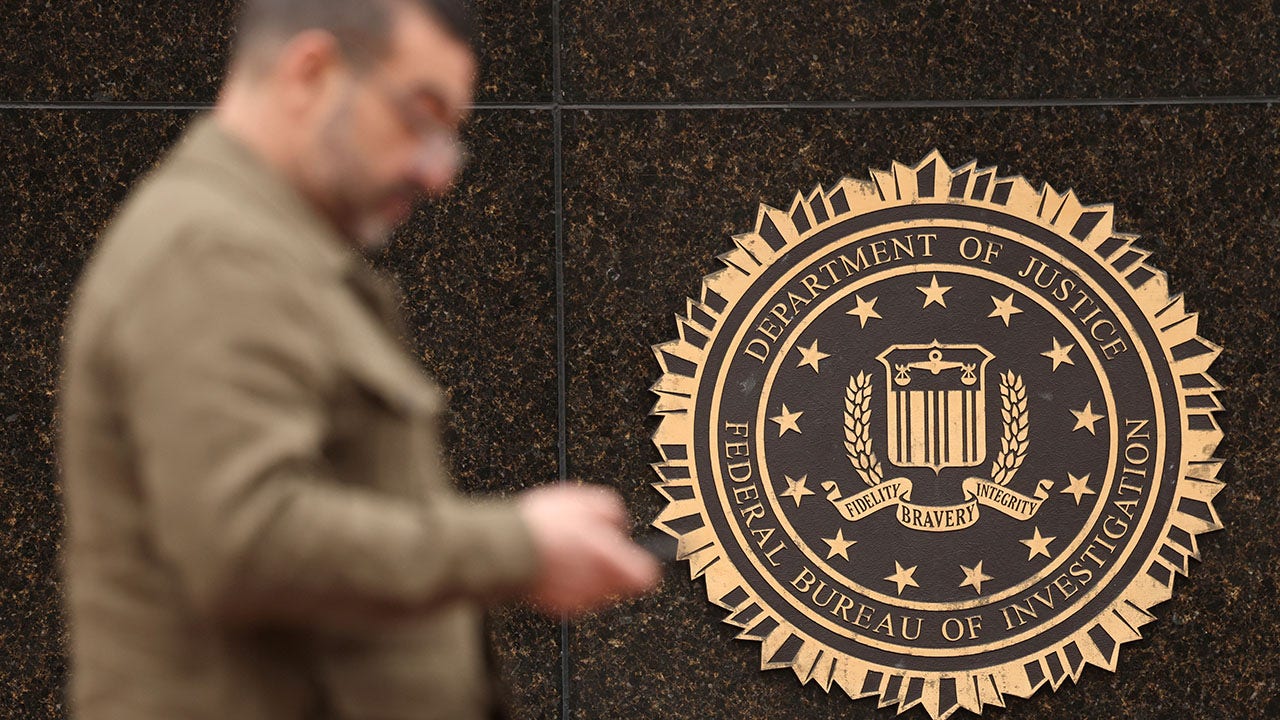
The timeline of these events suggests an escalation in both frequency and sophistication. For years, the FBI has warned of the rise of "machine speed" cyberattacks. With the integration of generative artificial intelligence, threat actors are now able to conduct reconnaissance and probe for vulnerabilities in government networks at a pace that far outstrips traditional manual defense methods.
The Broader Cybersecurity Landscape
The breach occurs against a backdrop of systemic vulnerability across the federal government. A recent report issued by the Government Accountability Office (GAO) delivered a scathing assessment of the digital defenses maintained by executive branch agencies. The audit found that 17 of 22 surveyed government agencies were currently failing to meet federal cybersecurity compliance standards. This data point highlights a widespread struggle to keep pace with an evolving threat landscape where state-sponsored actors and cyber-extortion syndicates prioritize the penetration of government networks.
The situation has caught the attention of the highest levels of government. President Donald Trump, when asked about the intrusion during a media appearance, acknowledged the gravity of the situation, stating that he had only recently been briefed on the matter and describing the event as a significant concern that requires immediate rectification.
Technical and Operational Implications
The NCIC, while not housing classified national security intelligence or high-level investigative case files, remains a high-value target. It stores massive quantities of personally identifiable information (PII), including Social Security numbers, dates of birth, and comprehensive criminal histories.
For security professionals, the challenge is twofold: recovery and prevention. The "cat and mouse" game of cybersecurity is currently skewed by the speed of automated threats. As experts work to patch vulnerabilities, hackers are simultaneously using AI-driven tools to identify new exploits.
“You have to play defense against the criminals who are out there trying to steal information or do harm to our systems,” Pack explained. “I think we’re just seeing now this speed of these intrusions ramp up a lot. The infrastructure of our law enforcement agencies is being tested in ways we haven’t seen in the last two decades.”
Official Response and Accountability
As of the time of reporting, the FBI has not provided a detailed statement regarding the specific methodology used by the hackers or the extent of the unauthorized access. The lack of immediate public comment is standard for active federal investigations, though it leaves state and local law enforcement agencies in a state of heightened vigilance.
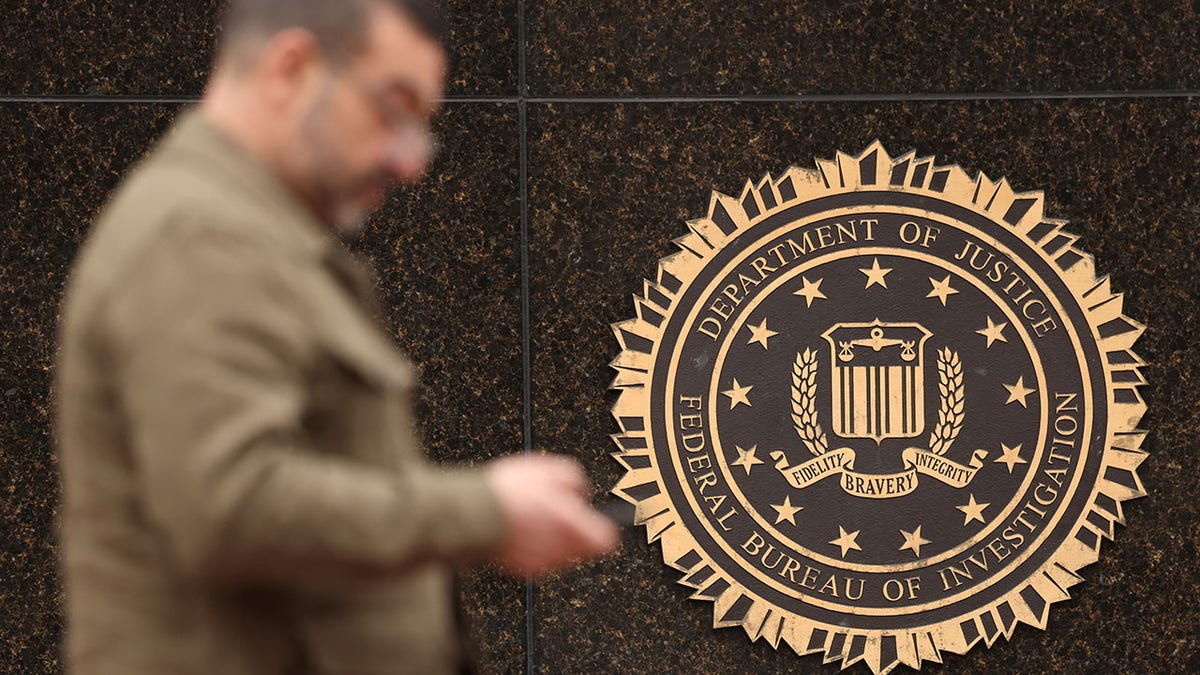
The incident has reignited calls for increased funding for the Cybersecurity and Infrastructure Security Agency (CISA) and for a centralized overhaul of how federal databases interact with state-level partners. The interconnected nature of the NCIC means that a single weak link at a state terminal can potentially expose the entire network, a reality that necessitates a uniform standard of security that is currently absent.
Analysis: What Lies Ahead
The implications of this breach extend beyond mere data privacy. If the integrity of the NCIC cannot be guaranteed, the trust that law enforcement officers place in their onboard computers could erode. This would force a move toward more manual, slower verification processes, potentially hindering the efficiency of daily police work.
Moving forward, the FBI is expected to implement more rigorous multi-factor authentication protocols, potentially move toward a zero-trust architecture, and accelerate the decommissioning of legacy terminal systems that may be easier to exploit. However, the recurring nature of these attacks suggests that the problem is not merely technical but systemic.
The coming weeks will likely see congressional hearings regarding the security of federal databases, with legislators expected to grill agency heads on why, despite repeated warnings from the GAO, the government remains susceptible to these breaches. As the investigation continues, the focus will remain on whether the integrity of the criminal data has been compromised and how the government can protect the men and women in uniform who rely on these systems every time they pull over a vehicle on the side of the road.
For now, the law enforcement community remains on alert. The transition from an era where cyberattacks were sporadic to one where they are a constant, automated threat is now a defining characteristic of the 21st-century American security landscape. The FBI’s ability to successfully navigate the aftermath of this incident will serve as a crucial test for the bureau’s internal security capabilities and its overall resilience in the face of an increasingly digitized and hostile criminal environment.
