

The European Union and Indonesia officially signed a landmark free trade agreement on Saturday, an accord described by leadership on both sides as a transformative chapter in their economic partnership. The Indonesia-European Union Comprehensive Economic Partnership Agreement (CEPA), bolstered by an additional Investment Protection Agreement (IPA), stands as a cornerstone of the bloc’s strategic pivot toward Southeast Asia. By integrating a market of 730 million people, the deal promises to reshape supply chains, eliminate significant tariff barriers, and solidify a regulatory framework for sustainable development.
European Commission President Ursula von der Leyen, speaking at the formal signing ceremony, characterized the deal as one of the most ambitious the European Union has ever concluded with an Asian partner. The agreement arrives at a critical juncture for the global economy, as geopolitical tensions and shifting trade policies—particularly involving the United States and China—have prompted Brussels to seek more robust, diversified partnerships.
A Decade in the Making: The Chronology of Negotiations
The road to this partnership was long and marked by complex diplomatic hurdles. The negotiations, which officially commenced in 2016, spanned nearly a decade of intensive discourse. The process faced several interruptions, ranging from disagreements over environmental standards to shifts in political administrations in both Jakarta and Brussels.
- 2014–2015: Initial scoping exercises were conducted to determine the feasibility of a bilateral trade agreement.
- 2016: Formal negotiations were launched with the goal of creating a comprehensive framework for trade and investment.
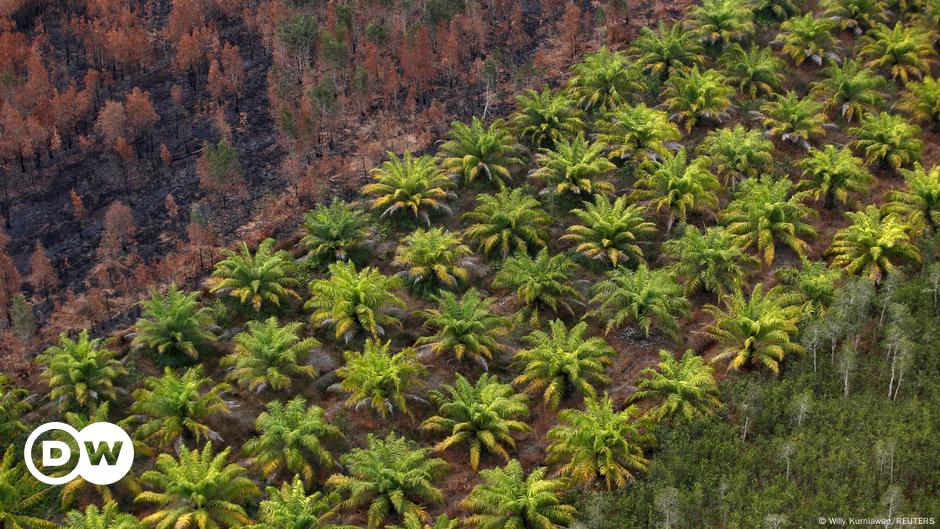
- 2019–2022: Progress stalled due to profound disagreements regarding the EU’s Deforestation Regulation (EUDR) and its impact on Indonesian palm oil exports, which represent a significant portion of Indonesia’s agricultural revenue.
- 2023: Renewed momentum surfaced as both parties recognized the urgency of diversifying supply chains in the face of global economic volatility.
- 2025: President von der Leyen and Indonesian President Prabowo Subianto held high-level meetings to bridge the remaining gaps, culminating in the successful finalization of the text.
- 2027: The anticipated year for the agreement to enter full legal force, pending parliamentary ratifications in both jurisdictions.
Economic Implications and Tariff Reductions
The CEPA is designed to fundamentally alter the trade landscape between the two partners. Under the terms of the agreement, tariffs on approximately 98% of European exports to Indonesia will be eliminated. The European Commission estimates that this liberalization could save European companies more than €600 million ($658 million) annually in duty costs alone.
For Indonesia, the deal represents a gateway to the European single market, which remains one of the wealthiest consumer bases in the world. Indonesian Minister of Economic Affairs Airlangga Hartarto emphasized that the agreement would provide a substantial boost to the nation’s core exports, including footwear, textiles, and processed agricultural goods. By lowering trade barriers, Jakarta aims to attract foreign direct investment (FDI) into strategic sectors, specifically electric vehicle (EV) manufacturing—a sector in which Indonesia is positioning itself as a global hub due to its vast nickel reserves.
Balancing Trade with Sustainability
A defining feature of this agreement is its attempt to reconcile aggressive trade liberalization with stringent environmental standards. The tension surrounding palm oil and deforestation served as the primary bottleneck throughout the ten-year negotiation period. To overcome this, the final agreement includes a dedicated protocol on palm oil, establishing institutional mechanisms for cooperation on regulatory compliance and environmental sustainability.
The deal mandates that trade practices must adhere to international environmental conventions. While critics have previously argued that EU trade deals could inadvertently encourage deforestation, proponents suggest that this CEPA establishes a "gold standard" for engagement, where market access is tied to verifiable sustainability progress. By integrating these clauses, the EU is attempting to use its trade policy as a lever to encourage greener manufacturing processes in emerging economies.
Strategic Realignment in a Fragmented Global Market
The signing of the CEPA is not merely an economic event; it is a clear geopolitical signal. In her remarks, von der Leyen highlighted the bloc’s philosophy of "keeping the doors open when others are closing theirs." This statement reflects a growing concern within European policy circles regarding the rise of protectionism and the fragility of long-standing trade alliances.
As trade with China and the United States has become increasingly complex—characterized by trade wars, subsidy disputes, and rising tariffs—the EU has intensified its "Global Gateway" strategy. This initiative aims to build infrastructure and economic ties with reliable partners in the Indo-Pacific region. Indonesia, as the largest economy in Southeast Asia and a member of the G20, is a natural focal point for this strategy.
Economists note that the deal provides a "de-risking" mechanism for European firms. By expanding the footprint of European pharmaceutical, electronic, and automotive industries into Indonesia, the EU reduces its reliance on any single manufacturing hub, thereby increasing the resilience of its own domestic supply chains.
Legislative Path and Future Outlook
While the ink is dry on the agreement, the path to implementation requires further institutional action. The deal must now be presented to the European Parliament for approval, where it is expected to face rigorous scrutiny regarding its environmental and human rights provisions. Simultaneously, Indonesian authorities must complete the internal ratification process through the House of Representatives.
Stakeholders in both regions are already preparing for the post-2027 landscape. Business associations in the EU have lauded the reduction of non-tariff barriers, such as complex customs procedures and technical standards, which have historically hampered small and medium-sized enterprises (SMEs) from entering the Indonesian market. Conversely, Indonesian industries are bracing for increased competition, with government officials emphasizing the need for domestic firms to modernize and adopt advanced technology to capitalize on the new market opportunities.
The agreement is widely viewed as a test case for future trade relations between the EU and other ASEAN nations. If successful, the CEPA could serve as a template for subsequent agreements, demonstrating that even contentious issues like agricultural subsidies and environmental regulation can be resolved through long-term, patient diplomacy.
Analytical Summary of Market Impact
The comprehensive nature of this deal suggests that its impact will be felt across multiple sectors:
- Pharmaceuticals: Reduced regulatory friction will allow European pharmaceutical firms to supply the Indonesian market more efficiently, supporting the country’s public health infrastructure.
- Electric Vehicles and Batteries: By securing preferential access to Indonesia’s critical minerals, European manufacturers are better positioned to compete with Chinese EV producers in the global shift toward green energy.
- Agriculture: While palm oil remains sensitive, the agreement provides a framework that could lead to higher price premiums for sustainably produced goods, potentially benefiting smallholder farmers who align with EU environmental criteria.
- Services and Digital Trade: The deal also encompasses provisions for the digital economy, fostering a safer environment for data transfers and cross-border digital services, which are critical for the growing tech sectors in Jakarta.
As the international community watches, the Indonesia-EU CEPA stands as a testament to the enduring appeal of multilateral trade agreements in an era often defined by fragmentation. By aligning their economic futures, both Brussels and Jakarta have signaled a commitment to stability, growth, and the pursuit of a more integrated global economy. The success of this deal will ultimately be measured by its ability to foster inclusive growth that benefits citizens in both the EU and Indonesia while maintaining the ecological integrity of the world’s most vulnerable regions.

