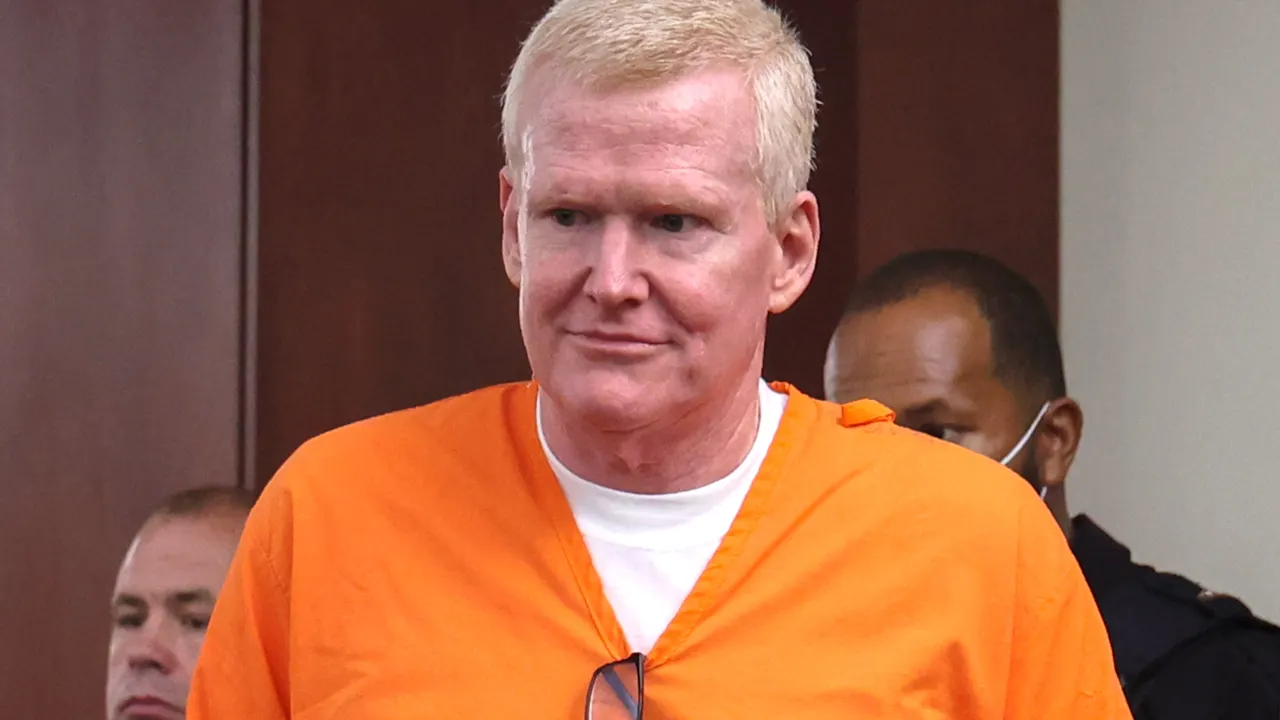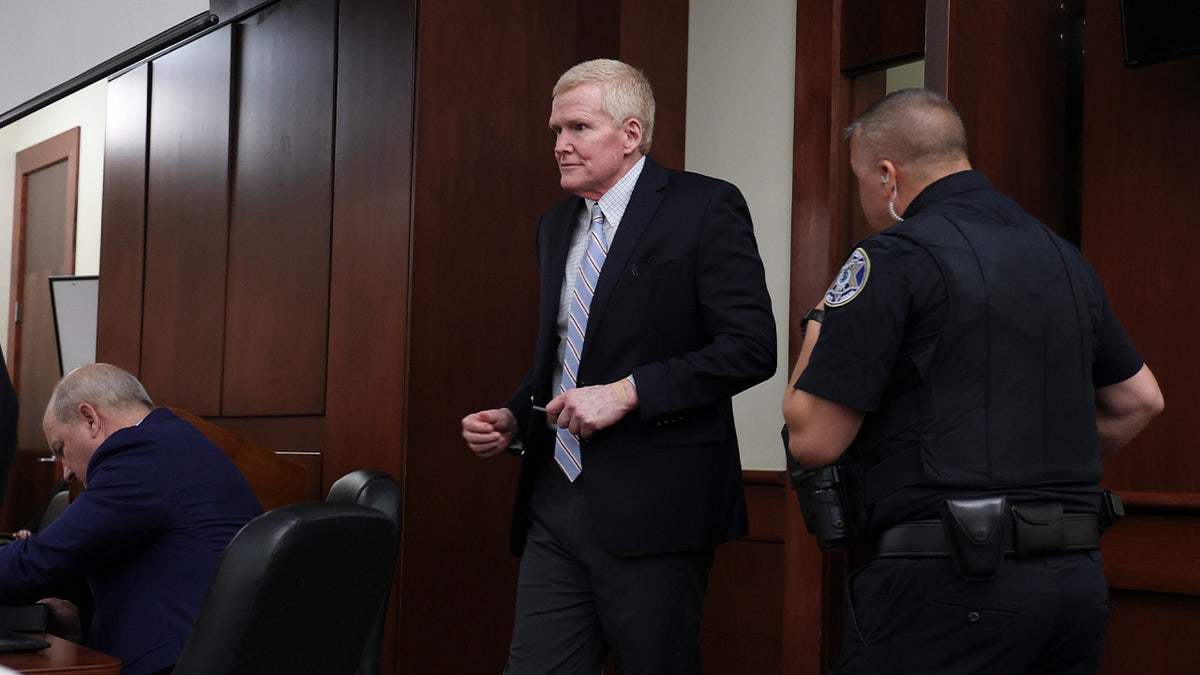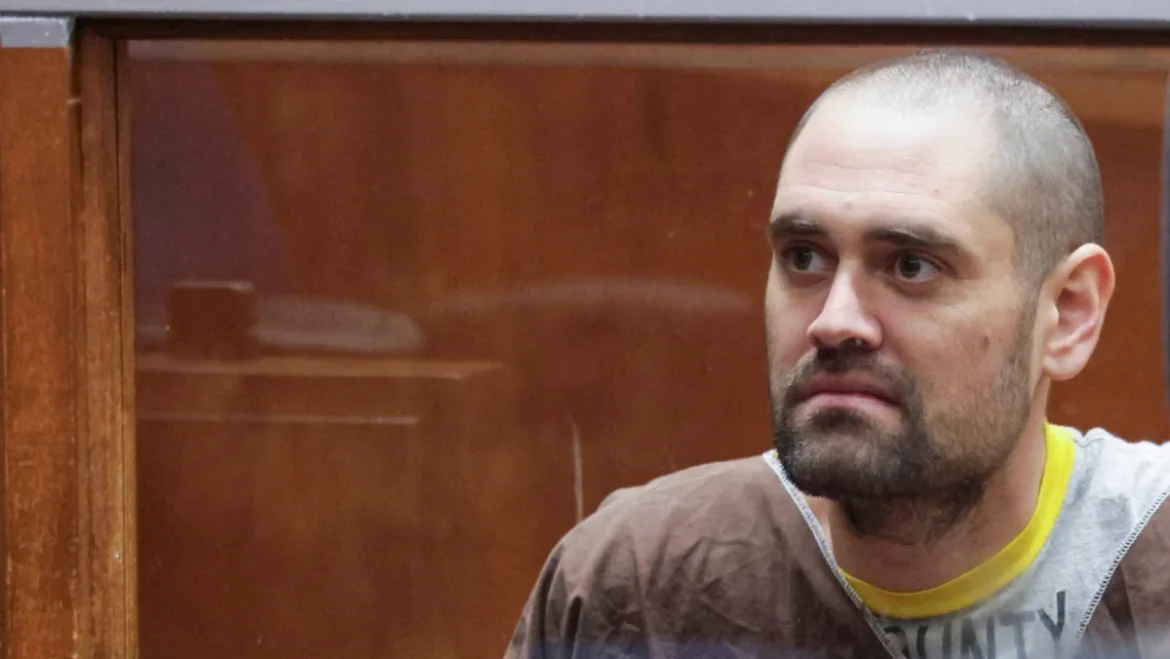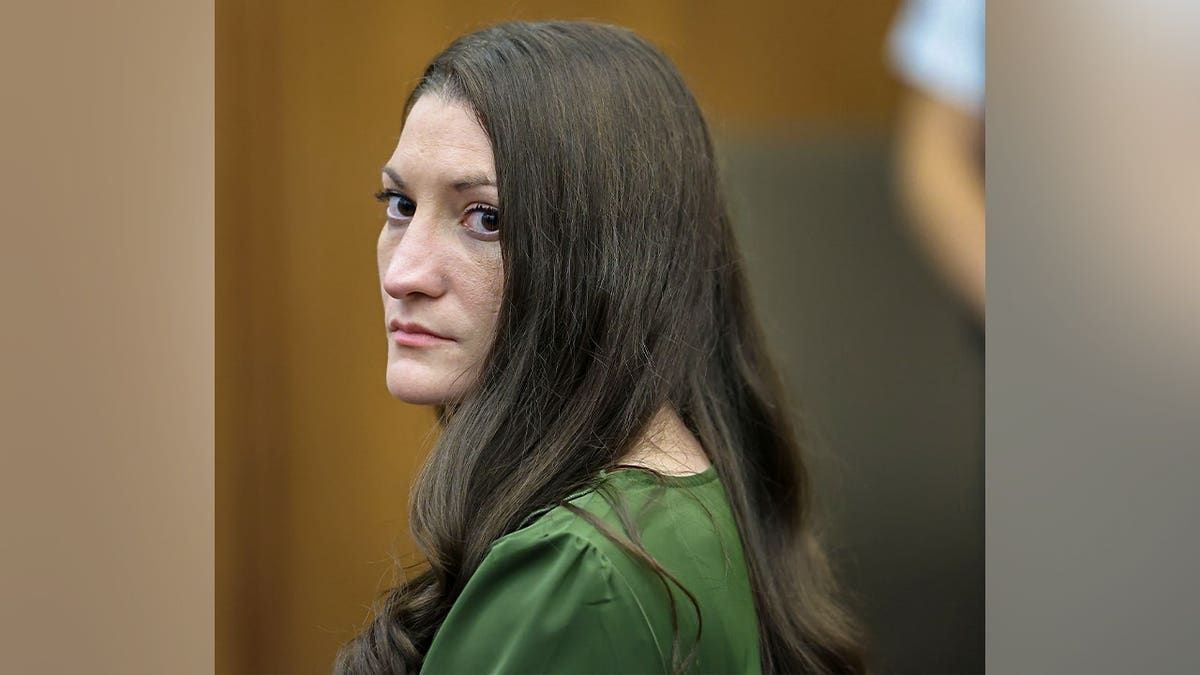

The high-profile legal battle surrounding the murder trial of Lindsay Clancy has taken a dramatic turn outside the courtroom, characterized by escalating public rhetoric, aggressive legal maneuvers, and a bitter war of words between defense counsel and the legal representative of the trial’s lone holdout juror.
Kevin Reddington, the lead defense attorney for 36-year-old Lindsay Clancy, launched a scathing verbal counter-offensive against Edward Paltzik, the attorney representing Michael Desronvil—the singular juror who prevented a unanimous verdict in the closely watched Massachusetts case. Reddington’s remarks were issued in sharp response to Paltzik’s public critiques, which characterized the defense’s recent post-trial motions as "Looney Tunes" maneuvers that pose a direct and fundamental threat to the U.S. Constitution and the Sixth Amendment rights of criminal defendants.
The escalating animosity underscores the deep divisions and unprecedented procedural complexities following the mistrial declared in Plymouth County Superior Court. As both sides prepare for potential appellate battles, evidentiary hearings, and the distinct possibility of a retrial, the case continues to polarize legal experts, public observers, and advocates for mental health awareness.

A Clash of Legal Strategists
The public feud intensified after Paltzik appeared on social media and digital broadcast platforms to defend Desronvil, asserting that the juror had been unfairly targeted, harassed, and "dragged through the mud" for refusing to bend to the consensus of his peers. Paltzik went as far as to publicly criticize Reddington for addressing reporters on the courthouse steps and pointing to Desronvil as an "obstructionist" who subverted the deliberations.
Reddington, however, dismissed Paltzik’s assertions as theatrical posturing designed to capture media attention rather than address substantive legal principles.
"I think Ed ought to learn how to go into the courtroom and articulate his position rather than be a histrionic individual that’s just mouthing off for the media," Reddington told digital reporters. Defending his own legal filings, Reddington maintained that every motion submitted by the defense team is firmly rooted in established jurisprudence, factual evidence, and specific questions raised during the jury’s deliberations. "It’s all based on sound law, facts, jury questions, and I’m doing what I should do, representing Lindsay."
Paltzik fired back with equal fervor, doubling down on his criticisms of the defense team’s strategy and labeling the post-trial effort to investigate Desronvil as an unprecedented and dangerous intrusion into the sanctity of jury deliberations.

"It’s really not complicated. I’m not backing down. I’m not backing off of it one inch," Paltzik stated in an interview. He argued that while Reddington’s initial advocacy during the trial fell within the bounds of effective representation, taking the dispute public to disparage a juror crossed a professional boundary. "My real advice to Kevin—I think he should stop whining and go prepare for a retrial. Stop complaining. You only got 11, you needed 12."
Background and Chronology of the Case
The legal proceedings stem from a harrowing tragedy that unfolded on January 24, 2023, in Duxbury, Massachusetts. Lindsay Clancy, a registered nurse and mother, fatally strangled her three young children—Cora, 5, Dawson, 3, and Callan, 8 months—in the basement of their family home using exercise resistance bands. Following the killings, Clancy attempted suicide by cutting her wrists and neck before jumping from a second-story window. The fall left her partially paralyzed and hospitalized for months before she was formally arraigned.
From the outset of the criminal proceedings, the defense did not dispute the physical acts committed by Clancy. Instead, Reddington argued that his client was suffering from severe postpartum psychosis, a debilitating medical condition that rendered her incapable of understanding the wrongfulness of her actions or conforming her conduct to the requirements of the law.
The trial progressed through weeks of emotionally charged testimony, expert psychological evaluations, and detailed accounts of Clancy’s rapidly deteriorating mental health in the weeks leading up to the tragedy. The central question for the jury was not whether Clancy caused the deaths of her children, but whether she was legally insane at the time, which would warrant a verdict of not guilty by reason of mental disease or defect.

After a week of intensive deliberations, the jury signaled a deadlock. Reports from the courtroom indicated that 11 of the 12 jurors were prepared to accept the defense’s insanity argument and acquit Clancy on that basis. However, Michael Desronvil stood alone as the lone holdout, refusing to join the consensus.
On September 4, Judge William Sullivan officially declared a mistrial after it became clear that further deliberations would not yield a unanimous verdict.
Post-Trial Motions and the Double Jeopardy Question
Following the declaration of the mistrial, Clancy’s defense team aggressively pivoted to prevent a retrial, filing a series of complex post-trial motions that place the conduct of the holdout juror at the center of their legal strategy.
In a motion filed by defense attorney Martin Weinberg, Clancy’s team argued that the charges against her should be dismissed on double jeopardy grounds. Weinberg pointed to communications from the jury foreperson during deliberations, which indicated that Desronvil had allegedly acknowledged reasonable doubt regarding the evidence but refused to apply the court’s legal instructions concerning the insanity defense.
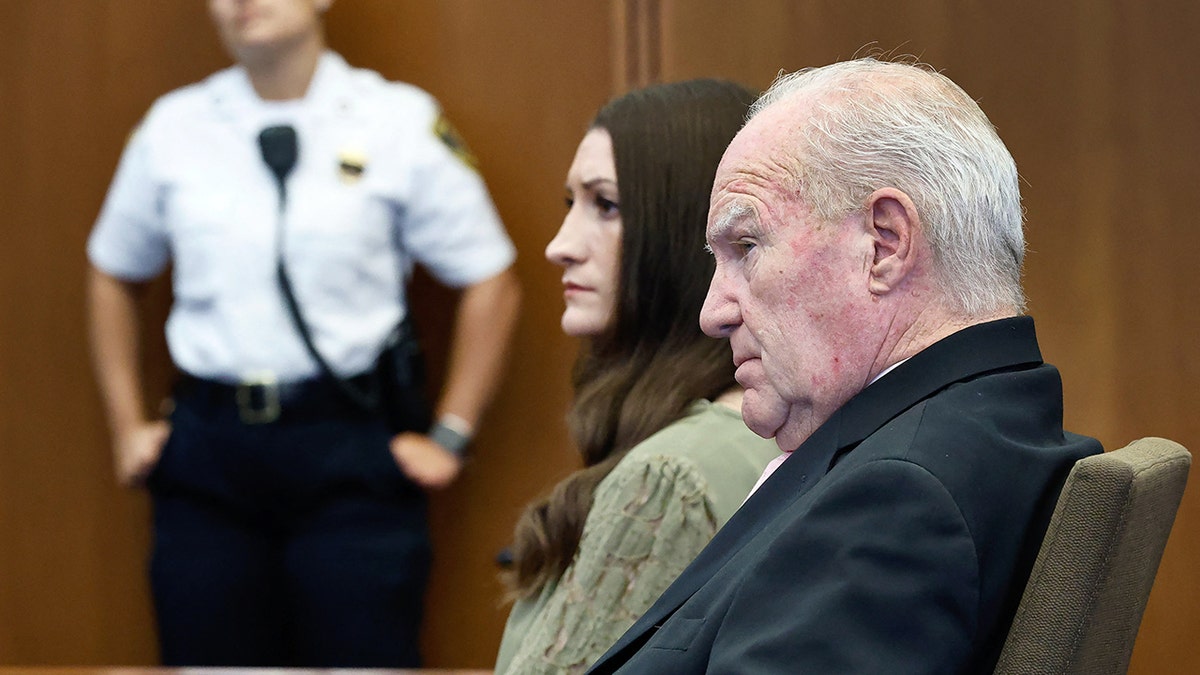
According to Weinberg’s filing, the jury twice informed Judge Sullivan that one of its members was refusing to apply the court’s instructions regarding fundamental legal concepts. While the judge addressed the jury collectively and reminded them of their duty to follow the law, the defense argued that the court erred by failing to conduct a deeper inquiry or by denying explicit requests to intervene further before declaring a mistrial.
Concurrently, Reddington filed a separate motion requesting a limited inquiry into Desronvil. The defense sought access to the juror’s background, potential past criminal history, communication records, and courthouse surveillance footage to investigate whether external pressures or bad faith influenced the deadlock.
Paltzik and his legal team have forcefully opposed these measures, contending that probing the mindset or background of a juror who voted against the majority strikes at the core of the American judicial system’s protections for jury independence.
Broader Legal Implications and Next Steps
The public clash between high-powered defense attorneys has elevated the Clancy case from a localized tragedy into a nationwide focal point for discussions on criminal procedure, postpartum mental health, and the mechanics of jury deliberations.

Legal scholars note that post-trial investigations into individual jurors are exceptionally rare and face an extremely high legal threshold. Courts historically protect the absolute confidentiality and independence of jury deliberations to ensure that jurors can deliberate without fear of subsequent harassment, public scrutiny, or legal retaliation.
As the legal teams return to Plymouth County Superior Court for scheduled hearings, prosecutors face a significant strategic dilemma. The state must weigh the emotional and financial toll of mounting a second high-profile trial against the gravity of the offenses and the public interest in achieving a final resolution. Alternatively, prosecutors could explore potential plea negotiations, though any outcome will be heavily scrutinized by the families affected by the tragedy and a public deeply divided over the intersection of severe mental illness and criminal accountability.
The upcoming court proceedings are expected to address the viability of the defense’s double jeopardy motion, determine whether any evidentiary inquiry into the jury’s internal dynamics will be permitted, and set the procedural framework for whether Lindsay Clancy will face a retrial.