

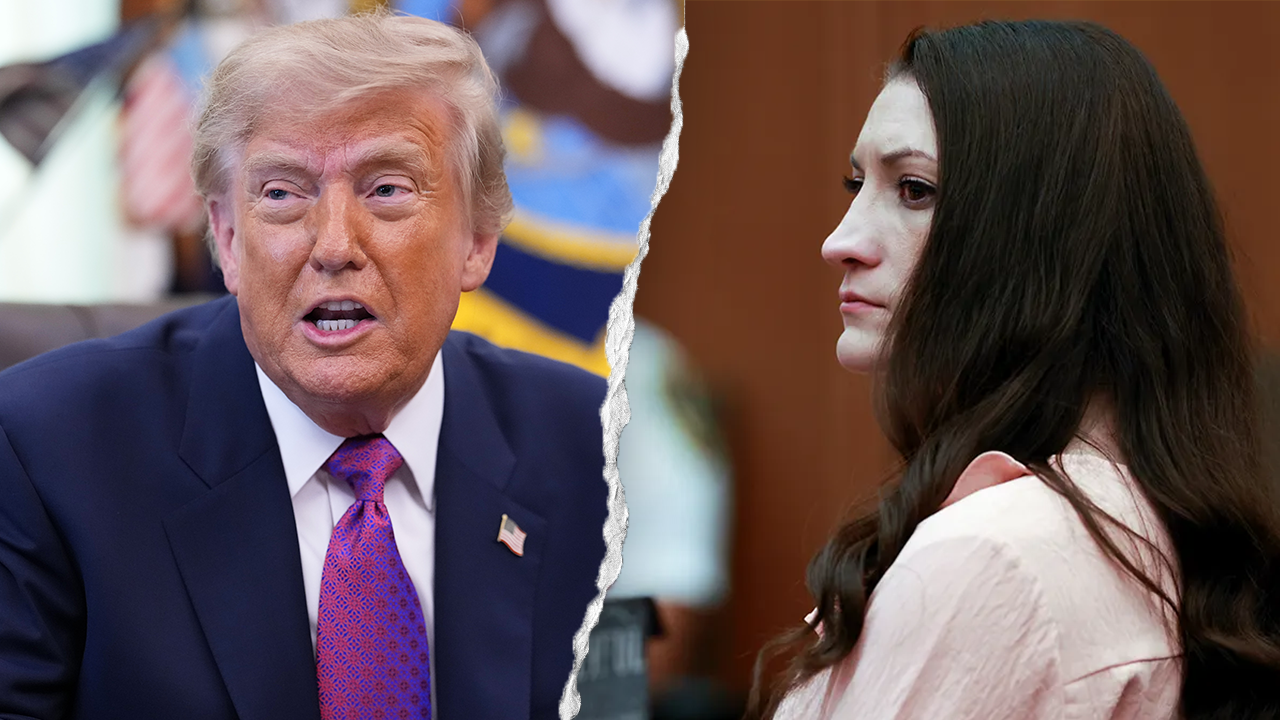
The legal proceedings surrounding Lindsay Clancy, the Massachusetts mother accused of killing her three young children in 2023, reached a new level of public scrutiny this week after President Donald Trump confirmed he would not intervene in the state-level criminal case. The development follows an unconventional plea from defense attorney Kevin Reddington, who had publicly urged the President to grant a pardon to his client despite acknowledging that the case falls under the jurisdiction of the Commonwealth of Massachusetts.
During a recent discussion, President Trump addressed the tragedy, characterizing the situation as "very sad" and emphasizing that it is a matter that must be resolved by state authorities. "There’s no winner there. There’s no win no matter what you do. Three children are dead," Trump stated. While he expressed sympathy for the gravity of the situation and offered a professional nod to the defense team’s efforts, he maintained that the federal government has no standing to override a state criminal prosecution.
A Tragedy in Duxbury: The 2023 Incident
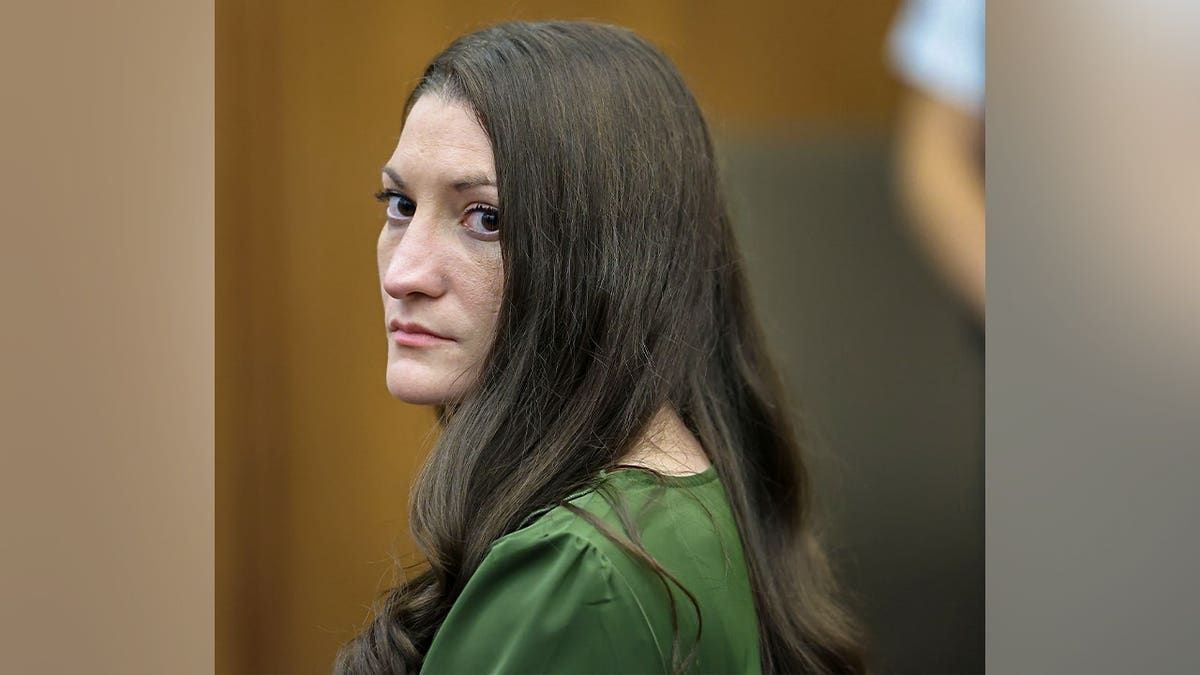
The case centers on a harrowing series of events that took place in Duxbury, Massachusetts, in January 2023. Lindsay Clancy, a 36-year-old former labor and delivery nurse, was charged with three counts of first-degree murder in the deaths of her children: five-year-old Cora, three-year-old Dawson, and eight-month-old Callan.
According to police reports and subsequent court testimony, the children were discovered in their home with signs of ligature strangulation. Following the incident, Clancy attempted to take her own life by jumping from a second-story window of the family residence. The attempt left her paralyzed, a detail that has been a focal point of her physical and mental health evaluations throughout the legal process. The sheer scale of the tragedy shocked the local community and ignited a national conversation regarding the adequacy of mental health support for new mothers, specifically concerning postpartum psychosis.
The Defense Strategy: Postpartum Psychosis
The core of the defense’s argument, led by attorney Kevin Reddington, rests on the claim that Clancy was suffering from severe postpartum psychosis at the time of the killings. Postpartum psychosis is a rare but life-threatening psychiatric emergency that can occur in the weeks following childbirth. It is characterized by a rapid onset of symptoms including hallucinations, delusions, extreme confusion, and a detachment from reality.
Reddington has contended that the psychiatric care provided to Clancy in the months leading up to the tragedy was insufficient. During court proceedings, the defense highlighted that Clancy had been prescribed multiple medications to treat postpartum depression, arguing that the medical professionals involved failed to recognize the severity of her deteriorating condition. The defense aims to prove that at the time of the incident, Clancy was not criminally responsible due to mental disease or defect—a legal standard in Massachusetts that requires the jury to decide if the defendant lacked the substantial capacity to appreciate the criminality of their conduct or to conform their conduct to the requirements of the law.
The Trial, Deadlock, and Impending Retrial
The legal journey has been arduous. Earlier this month, a high-profile trial ended in a mistrial after the jury failed to reach a unanimous verdict. Reports from the courtroom indicated that the jury was deadlocked at an 11-to-1 margin. According to the jury foreperson, while the majority appeared to favor an acquittal based on the grounds of lack of criminal responsibility, one holdout juror refused to accept the insanity defense, resulting in the stalemate.

Judge William Sullivan officially declared a mistrial, setting the stage for a second trial. The prosecution is expected to seek a retrial, maintaining that the severity of the crimes warrants a full judicial review. The prospect of a second trial presents significant challenges for both the defense and the prosecution, as both sides must once again present complex psychiatric evidence to a new panel of jurors.
Political Implications and the Request for a Pardon
The attempt to involve President Trump in a state-level criminal case is highly unusual in American jurisprudence. In the United States, the President’s pardon power under Article II of the Constitution is strictly limited to federal offenses. A governor or a state pardoning board typically holds the authority to grant clemency for state crimes.
Reddington, acknowledging these constitutional constraints, admitted that the public request was an attempt to bring national awareness to the case and potentially influence the legal climate. In his comments, President Trump lauded Reddington as a "good attorney," yet remained firm on the principle of federalism. By declining to intervene, the President reaffirmed the traditional boundaries of the judicial system, signaling that the "price" for such actions—whether that results in a prison sentence or commitment to a mental health facility—must be determined within the Massachusetts court system.
Broader Societal and Medical Context
The case of Lindsay Clancy has served as a catalyst for deeper discussions regarding maternal mental health. Experts in reproductive psychiatry note that while postpartum depression is widely recognized, postpartum psychosis remains under-diagnosed and poorly understood by the general public.
Data from the American College of Obstetricians and Gynecologists suggest that roughly 1 to 2 per 1,000 births result in postpartum psychosis. Because it is often sudden and dramatic, it is frequently misidentified as standard postpartum depression. Advocates for maternal health argue that the Clancy case highlights systemic failures in the healthcare system, including a shortage of specialized psychiatric beds and the lack of robust screening protocols for high-risk patients.
The legal community is watching the case closely, as it touches upon the intersection of criminal law, psychiatric science, and the evolving standard of "mental responsibility." As the Commonwealth prepares for a retrial, the legal debate continues to center on whether the justice system can adequately differentiate between criminal intent and a medical crisis that renders a person unable to control their actions.
Chronology of Key Events
- January 2023: Lindsay Clancy is charged with the first-degree murders of her three children in Duxbury, Massachusetts.
- Early 2023–2025: Pre-trial hearings take place, focusing on competency and the admissibility of psychiatric expert testimony.
- September 2026: The primary trial concludes with a deadlocked jury (11-1 in favor of acquittal).
- October 2026: Judge William Sullivan declares a mistrial.
- November 2026: Defense attorney Kevin Reddington publicly requests a pardon from President Trump.
- November 2026: President Trump addresses the media, confirming he will not intervene in the state-level matter.
Conclusion and Future Outlook
As the case moves toward a potential retrial, the focus remains on the courtroom in Massachusetts. The legal strategy will likely mirror the initial trial, with the defense doubling down on the psychiatric evidence of postpartum psychosis and the prosecution emphasizing the tragic loss of life and the accountability of the defendant.
The public interest in the case reflects a broader societal tension between the desire for accountability in instances of extreme violence and the necessity of acknowledging the complexities of severe mental illness. For the family of the victims and the defendant alike, the legal process remains an agonizingly slow road. Whether the outcome of the second trial will result in a different verdict or a similar conclusion remains to be seen. What is clear, however, is that the legal and ethical questions raised by the death of the Clancy children will persist long after the final verdict is reached. As President Trump noted, there are no simple solutions or easy "wins" in a situation defined by such profound and lasting loss.

