
The recent passage of the House version of the Fiscal Year 2027 National Defense Authorization Act (NDAA) has exposed deep divisions within the Democratic Party, particularly concerning a provision that seeks to deepen military integration between the United States and Israel. Section 219 of the sweeping defense bill, which calls for expanded cooperation across various military and technological domains, has become a flashpoint, drawing accusations of misrepresentation and sparking intense debate over the nature and future of the U.S.-Israel strategic alliance. The House approved its version of the NDAA in a 219-206 vote on a recent Wednesday, leaving the contentious Section 219 intact, despite significant opposition and calls for its removal.
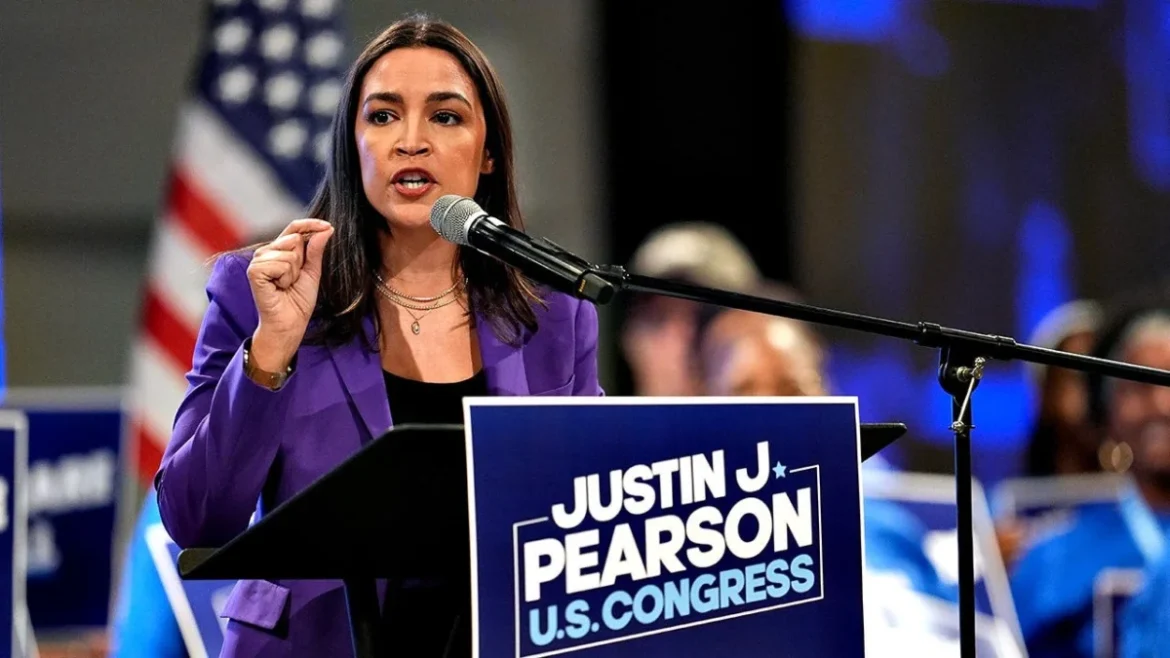
The controversy was ignited most prominently by Rep. Alexandria Ocasio-Cortez (D-N.Y.), who asserted on social media that the NDAA included a provision to "merge parts of our military with the Israel Defense Forces." This statement swiftly drew sharp criticism from Republican lawmakers and former Trump administration officials, who vehemently argued that the congresswoman distorted the legislation’s true intent. They clarified that Section 219 aims to enhance defense cooperation and interoperability, a long-standing pillar of the U.S.-Israel relationship, rather than an existential merger of military forces.
The Substance of Section 219: Deeper Integration, Not Merger
At the heart of the debate is Section 219 of the FY2027 National Defense Authorization Act. This provision is designed to foster deeper U.S.-Israel defense integration by expanding cooperation in several critical areas. These include joint efforts in military technology development, strengthening supply chains to ensure robust defense capabilities, collaborative research initiatives, advancements in artificial intelligence applications for defense, enhanced cybersecurity measures, and an increase in joint military exercises. The intent, as articulated by proponents, is to bolster the strategic alliance between the two nations, leveraging their respective strengths to address shared security challenges in a volatile global landscape.
The United States and Israel have maintained a robust defense partnership for decades, characterized by significant military aid, intelligence sharing, and collaborative defense projects. Section 219 builds upon this existing framework, seeking to formalize and expand these cooperative endeavors to meet evolving threats. For instance, past collaborations have yielded critical defense systems like the Iron Dome missile defense system, a testament to successful joint research and development. The current provision aims to replicate and extend such successes into emerging domains like AI and cybersecurity, areas where both nations possess advanced capabilities.
Historical Context of the U.S.-Israel Strategic Alliance
The strategic alliance between the United States and Israel has deep historical roots, evolving significantly over the past half-century. Initially rooted in the Cold War era, particularly after the 1967 Six-Day War, U.S. support for Israel grew as a means to counter Soviet influence in the Middle East. This support has manifested in substantial military aid packages, technology transfers, and intelligence cooperation agreements. Since the late 1980s, the U.S. has provided Israel with an average of $3 billion to $3.8 billion annually in foreign military financing, ensuring Israel’s qualitative military edge in a complex region.
This partnership is not merely transactional; it is built on shared democratic values and common strategic interests in regional stability and counter-terrorism. The annual NDAA consistently includes provisions that underscore this alliance, ranging from joint military exercises like Juniper Cobra to cooperative missile defense programs. Section 219, therefore, represents an evolutionary step in this well-established relationship, seeking to institutionalize and broaden areas of collaboration that are already foundational to both nations’ defense postures. Understanding this extensive history is crucial to interpreting the current legislative efforts, which are framed by supporters as a continuation of a vital strategic partnership rather than a radical departure.
Chronology of the Legislative Battle
The contentious debate surrounding Section 219 unfolded rapidly in the days leading up to the House vote on the FY2027 NDAA.
- Pre-Vote Deliberations: As the NDAA bill advanced through committees, Section 219 was drafted and included, reflecting a bipartisan consensus among defense hawks to strengthen U.S.-Israel military ties.
- Amendment Introduced: Rep. Thomas Massie (R-Ky.), a vocal critic of foreign entanglement and aid, introduced an amendment specifically aimed at stripping Section 219 from the legislation. He was joined in this effort by Rep. Ro Khanna (D-Calif.), signifying a rare bipartisan alliance on this particular issue, driven by concerns over the scope of integration and the implications for U.S. sovereignty.
- Procedural Blocking: Despite their efforts, House leadership did not permit Massie’s amendment to receive a standalone vote. This procedural move effectively ensured that Section 219 would remain in the bill as it proceeded to a full House vote. Massie publicly announced his intention to vote against the entire defense bill following this decision, citing the denial of debate and a vote on Section 219.
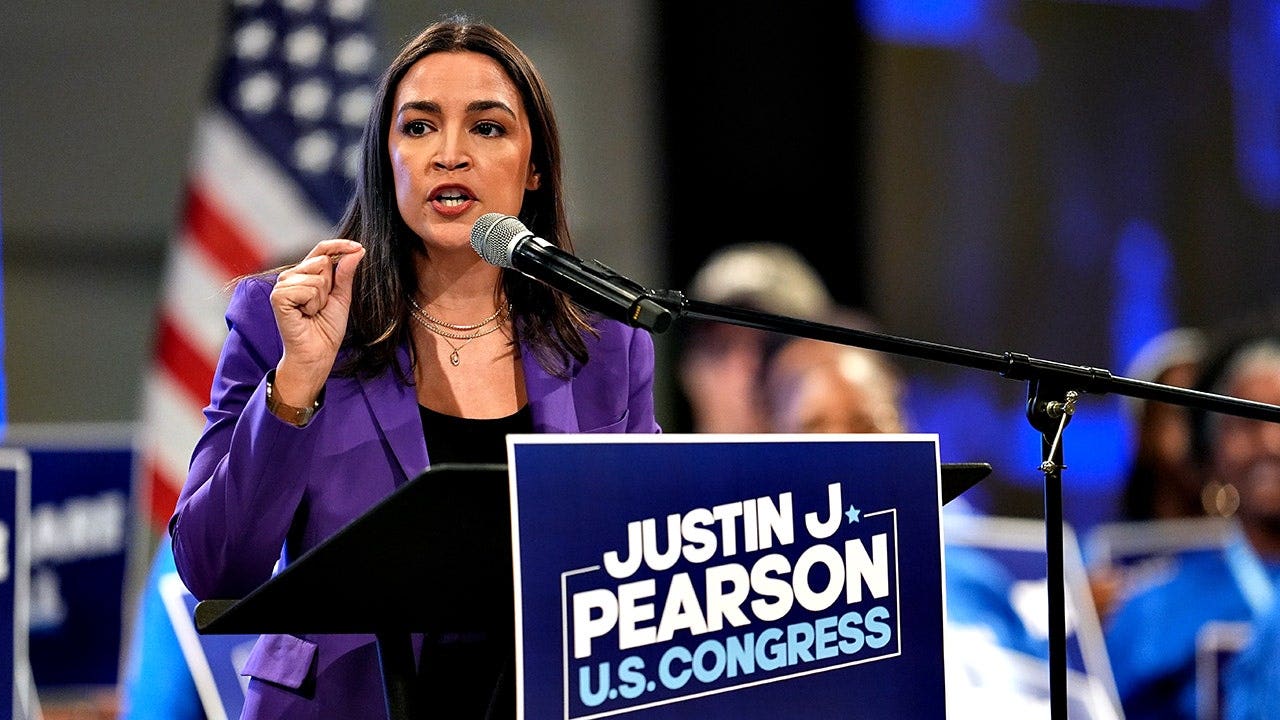
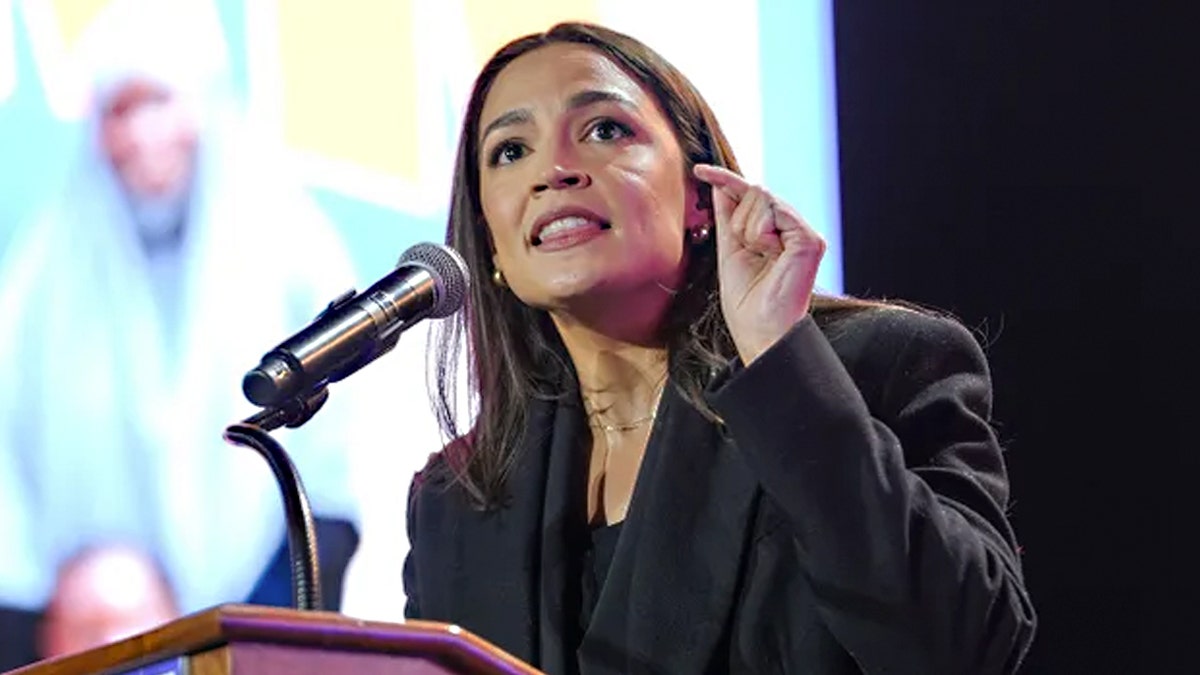
- Ocasio-Cortez’s Public Statement: Ahead of the scheduled House vote, Rep. Ocasio-Cortez posted her strong condemnation on X (formerly Twitter), claiming the provision would "merge parts of our military with the IDF" and labeling it an "existential threat to American sovereignty and democracy." She urged every member of Congress to vote "NO."
- House Passage: On a recent Wednesday, the House proceeded with the final vote on its version of the FY2027 NDAA, passing it 219-206 with Section 219 fully intact.
- Immediate Backlash and Responses: Following Ocasio-Cortez’s post and the subsequent vote, a wave of criticism erupted from various political figures, disputing her interpretation of the bill and condemning her language. Rep. Ro Khanna also publicly criticized the blocking of their amendment, explicitly mentioning the influence of the "pro-Israel lobby."
Official Responses and Criticisms
Rep. Ocasio-Cortez’s stark characterization of Section 219 as a "merger" and an "existential threat to American sovereignty and democracy" triggered immediate and forceful reactions. Her call for a "NO" vote underscored the depth of her opposition, aligning with a segment of the progressive wing of the Democratic Party that advocates for a reevaluation of U.S. foreign policy and military engagements.
Leading the charge against Ocasio-Cortez’s interpretation were several prominent Republican figures. Former Congressman Lee Zeldin, a veteran and a vocal advocate for the U.S.-Israel alliance, called her claim "FALSE." He accused her of misrepresenting the bill and engaged in a sharp retort on X, suggesting she merge the "part of your brain responsible for reading bill text with the part of your brain responsible for critical thinking." Zeldin’s comments reflect the broader Republican frustration with what they perceive as deliberate mischaracterization of defense legislation and an undermining of critical alliances.
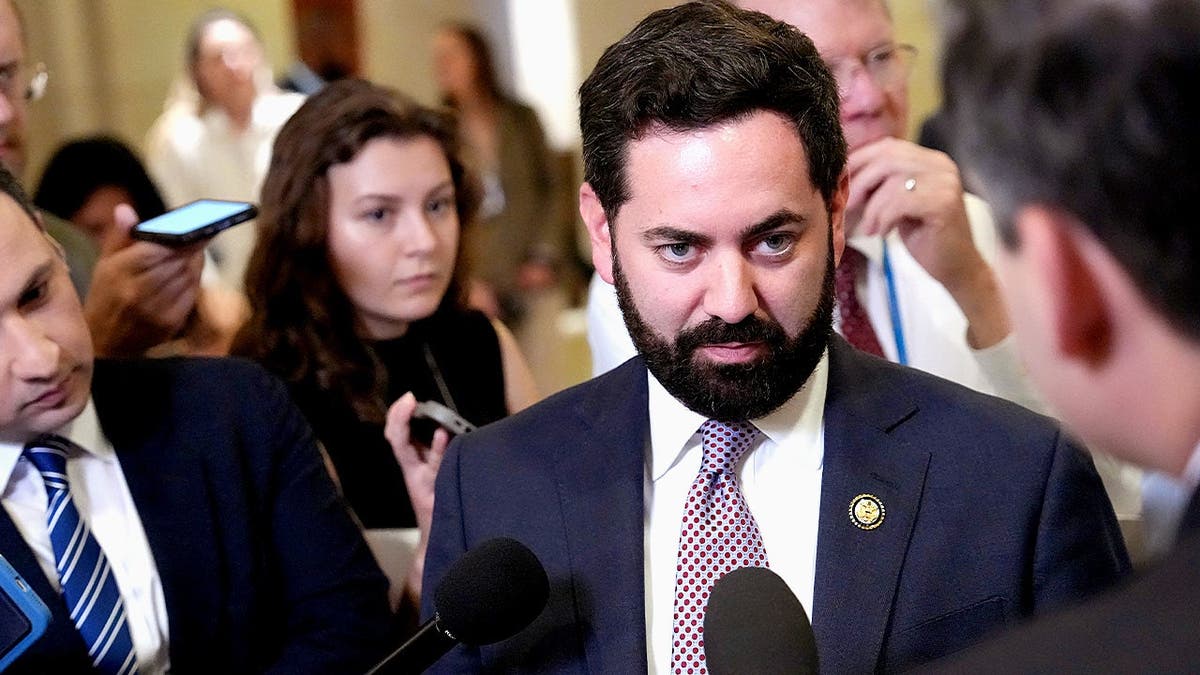
Rep. Mike Lawler (R-N.Y.) similarly blasted Ocasio-Cortez, urging her to "stop stoking Jew hatred." Lawler directly challenged her "merger" claim, stating, "Good grief, you are either obtuse or intentionally lying. We are not merging our military with the IDF." He further clarified that the provision merely expands existing defense cooperation, which is standard practice with close allies, encompassing intelligence sharing, joint military exercises, and collaborative weapons development. Lawler’s strong language highlights the sensitivity of discussions surrounding Israel, particularly when accusations of "stoking hatred" are invoked.
The criticism was not limited to Republicans. While House Minority Leader Hakeem Jeffries’ comments were primarily directed at broader attempts to cut aid to Israel (as indicated by the summary of a related Fox News video), his warnings about undermining U.S. national security by empowering groups like Hamas and Hezbollah implicitly stand in contrast to the progressive stance taken by Ocasio-Cortez. This underscores the internal rift within the Democratic Party on Israel policy, where centrist and establishment Democrats typically support robust aid and cooperation, viewing it as essential for regional stability and U.S. interests.
Meanwhile, Reps. Massie and Khanna, while opposing Section 219, framed their concerns differently than Ocasio-Cortez. Massie, a consistent advocate for limited government and non-interventionism, expressed disappointment that his amendment to remove the section was blocked, viewing it as a denial of proper legislative process. "Unfortunately the Rule passed just now and no debate or vote was allowed on section 219, integration of US military technology and supply chains with Israel’s," Massie wrote on X, affirming his "no" vote on the entire NDAA. Rep. Khanna echoed this sentiment, criticizing House leadership for preventing a vote on their proposal to stop "the integration of our military with Israel’s." Khanna’s explicit mention of being "not intimidated by the pro-Israel lobby" points to a broader frustration among some progressive lawmakers regarding perceived external influence on U.S. foreign policy decisions.
Broader Impact and Implications
The intense debate over Section 219 of the FY2027 NDAA carries significant implications, reverberating across U.S. foreign policy, domestic politics, and the future of the U.S.-Israel relationship.
U.S. Foreign Policy and Regional Stability: The proposed deepening of defense integration with Israel sends a strong signal to allies and adversaries in the Middle East. For Israel, it reaffirms robust U.S. commitment to its security, potentially enhancing its deterrence capabilities in a region marked by ongoing conflicts and geopolitical rivalries. For other regional allies, it could be seen as a reaffirmation of U.S. engagement, or, depending on their own relationships with Israel, might raise questions about the balance of U.S. foreign policy in the Middle East. Adversaries, particularly Iran and its proxies, will undoubtedly monitor this closer integration, potentially viewing it as an escalation of U.S. support for Israel. The stability of the region is intricately linked to these perceptions and the actual operationalization of such defense cooperation.
Domestic Political Divide within the Democratic Party: The controversy further exposes the widening ideological chasm within the Democratic Party regarding Israel. While traditional Democratic foreign policy has largely aligned with strong support for Israel, a growing progressive wing, led by figures like Ocasio-Cortez and Khanna, is increasingly advocating for a more critical stance, conditioning aid, and questioning deep military entanglements. This divide poses challenges for party unity, particularly in crafting a coherent foreign policy platform and in future electoral cycles. The passionate rhetoric on both sides indicates that this issue will continue to be a significant internal battleground for Democrats.
Legislative Process and Leadership Control: The blocking of Rep. Massie’s amendment to strip Section 219 from the NDAA highlights the power of House leadership and the procedural mechanisms used to control the legislative agenda. While common in Congress, such moves can fuel frustrations among rank-and-file members who feel their legislative efforts are stifled. Khanna’s reference to the "pro-Israel lobby" in the context of the blocked vote also raises questions about the influence of external advocacy groups on congressional decisions, a recurring theme in American politics.
The Future of U.S.-Israel Relations: Despite the heated rhetoric, the passage of Section 219 signifies a legislative commitment to evolving the U.S.-Israel defense relationship. It suggests a future where cooperation is not just about financial aid but increasingly about shared technological development and integrated defense capabilities. This shift could lead to more interoperable systems, deeper intelligence fusion, and a more coordinated response to regional threats. However, the political fallout from Ocasio-Cortez’s statements and the progressive opposition might foreshadow continued scrutiny and debate over the details and implications of this enhanced integration.
The Challenge of Misinformation and Legislative Clarity: The stark contrast between Ocasio-Cortez’s "merge" claim and the explanation provided by other lawmakers underscores the challenge of accurately communicating complex legislative language to the public. In an era of rapid information dissemination through social media, the potential for politically charged interpretations and misinformation is high. This incident serves as a potent reminder of the need for precise language in political discourse and the difficulty in correcting narratives once they gain traction, especially on emotionally charged topics like national security and international alliances.
In conclusion, the passage of the FY2027 NDAA with Section 219 intact represents a significant moment in the ongoing evolution of the U.S.-Israel strategic partnership. While framed by proponents as a logical and necessary step to bolster mutual defense capabilities, the intense debate and the sharp criticisms, particularly from the progressive wing of the Democratic Party, highlight deep ideological cleavages that will undoubtedly shape future discussions on American foreign policy and its role in a complex world. The implications extend far beyond the legislative chambers, touching upon regional stability, domestic political dynamics, and the very nature of international alliances.
