
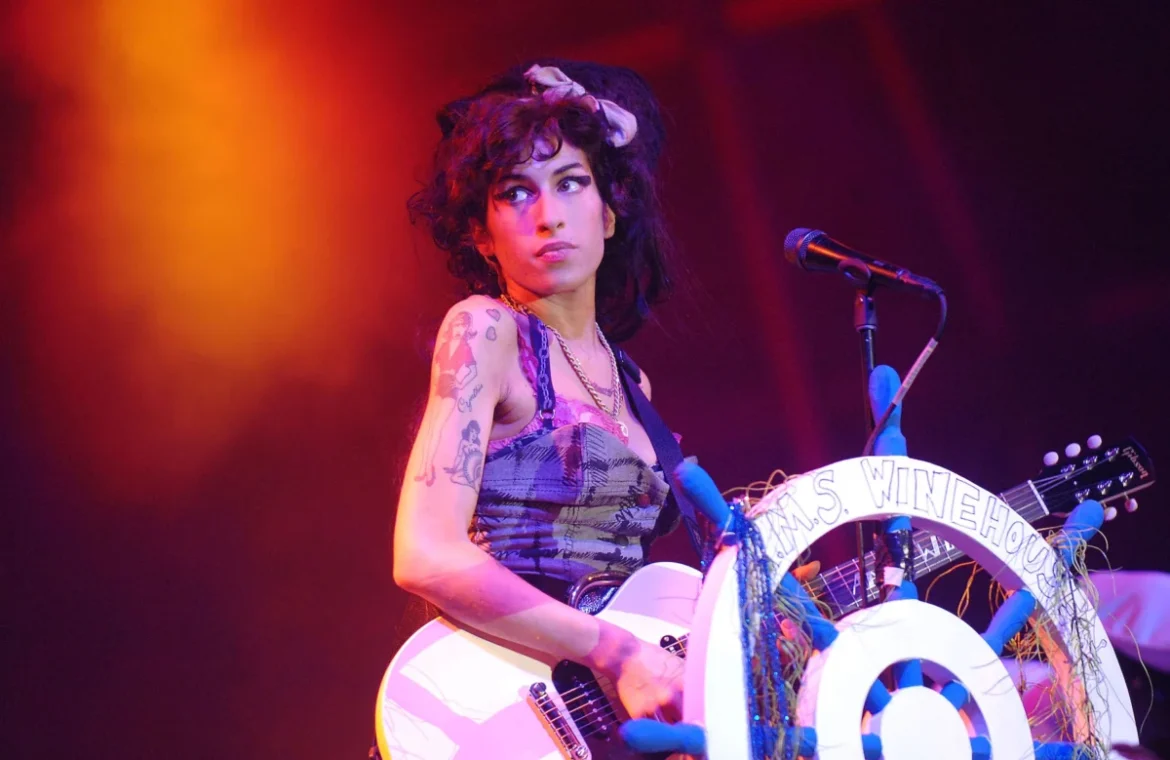
Fifteen years after her untimely death, the profound impact of Amy Winehouse’s artistry and the enduring power of her unique spirit continue to resonate globally. On Thursday, her estate and family marked the somber anniversary of the Grammy-winning singer’s passing, reflecting on her indelible mark on music and the personal battles that ultimately defined her tragically short life.
The official Amy Winehouse Instagram account shared a poignant tribute, stating, "Fifteen years on, Amy’s music continues to connect with people around the world. Her voice, her songwriting, her honesty and her unique spirit remain as powerful today as ever. Thank you for keeping her memory alive through the music she loved so much." This message underscored the lasting connection fans feel to Winehouse, whose raw vulnerability and soulful delivery captivated millions.
Amy Winehouse died on July 23, 2011, at the age of 27. The official cause of death was later cited as alcohol poisoning, a tragic consequence of "death by misadventure." Her passing sent shockwaves through the music industry and beyond, leaving a void that has never truly been filled. The "27 Club," a somber designation for musicians who die at that age, gained another prominent member, highlighting the perils faced by artists navigating the intense pressures of fame.
In a candid new interview with The i magazine, Winehouse’s mother, Janis Winehouse, offered a deeply personal perspective on her daughter’s journey, particularly her complex relationship with success. Janis suggested that Amy was, in many ways, a "victim of her own success." She elaborated, "She didn’t want it, but it just followed her. And she’d be like, ‘Who, me?’" This sentiment points to a potential disconnect between Winehouse’s genuine artistic drive and the overwhelming demands of global stardom, which she seemed to find daunting.
Janis Winehouse further explored the roots of her daughter’s struggles with addiction, linking it to a profound lack of self-confidence. "She didn’t have confidence," Janis stated. "Hence the alcohol. I think it’s the same with many, many addicts with alcohol. The alcohol takes away the pain. And that is a horrible thing with addiction. Once you’re addicted, you’re addicted. The only boss is the addiction." This insightful reflection sheds light on the cyclical nature of addiction, where substance abuse can become a coping mechanism for underlying emotional pain and insecurity, ultimately leading to a debilitating dependence.
The weight of grief for Janis Winehouse remains a constant, yet she expressed a resilient determination to persevere. "I’m just getting on with it because that’s what I do. I get on with life. I live it," she shared, a testament to her strength in the face of profound loss. On Thursday, both Janis and Mitch Winehouse, Amy’s father, visited her grave, a poignant ritual observed annually on the anniversary of her death, as reported by Parade. These personal acts of remembrance underscore the enduring love and connection the family shares with the late singer.
Beyond individual remembrance, the legacy of Amy Winehouse is actively preserved and celebrated through various initiatives. The Amy Winehouse Foundation, established by her family, continues to champion causes close to Amy’s heart, notably supporting young women recovering from drug and alcohol addiction. This vital organization embodies her spirit by offering a lifeline to those facing similar challenges.
In a fitting tribute to the artist’s enduring influence, the Amy Winehouse Foundation and the Winehouse family organized a free concert in London this past weekend. The event served as a celebration of Amy’s life and music, bringing together fans and artists to honor her memory. Such public commemorations are crucial in ensuring that her music continues to reach new generations and that her story serves as both inspiration and a cautionary tale.
A Brief Chronology of Amy Winehouse’s Impact
Amy Jade Winehouse was born on September 14, 1983, in Enfield, North London. From a young age, she displayed a prodigious talent for singing and songwriting, influenced by her jazz-loving family. Her early career was marked by the release of her debut album, Frank, in 2003, which garnered critical acclaim for its raw, soulful sound and honest lyrics.
However, it was her second album, Back to Black, released in 2006, that propelled her to international superstardom. The album, a critically and commercially successful opus inspired by her tumultuous relationship with Blake Fielder-Civil, earned her five Grammy Awards in 2008, including Record of the Year, Song of the Year, and Best New Artist. Hits like "Rehab," "You Know I Know," and the title track became anthems, cementing her status as a global music icon.
Despite her immense success, Winehouse’s personal life became increasingly scrutinized, marked by public struggles with substance abuse and a highly publicized, turbulent marriage. These challenges often overshadowed her musical achievements, drawing intense media attention and contributing to a growing concern for her well-being.
Her final album, Lioness: Hidden Treasures, a posthumous compilation of unreleased material, demos, and covers, was released in 2011, further demonstrating the depth of her artistic output.
Supporting Data and Broader Context
The phenomenon of "death by misadventure" in the context of addiction underscores a complex societal challenge. Alcohol poisoning, as cited in Winehouse’s case, is a severe and potentially fatal consequence of consuming excessive amounts of alcohol in a short period. According to the Centers for Disease Control and Prevention (CDC), alcohol-related deaths are a significant public health concern in many developed nations, impacting individuals across all demographics.
The intense pressure faced by artists in the modern music industry is also a critical factor. The relentless demands of touring, recording, media appearances, and the constant public gaze can take a severe toll on mental and emotional health. This environment can exacerbate existing vulnerabilities and contribute to the development or worsening of substance abuse issues. Studies have indicated higher rates of mental health disorders and substance abuse among musicians compared to the general population, highlighting the need for greater support systems within the industry.
The Amy Winehouse Foundation’s work in supporting addiction recovery is a crucial intervention. By providing resources and guidance to young people battling addiction, the foundation aims to break the cycle of substance abuse and offer a path towards healing and a healthier future. This aligns with broader public health efforts to destigmatize addiction and improve access to treatment and support services.
Official Responses and Industry Acknowledgment
While specific official statements from music industry bodies beyond the family’s tribute are not detailed in the provided text, the enduring popularity of Amy Winehouse’s music and the continued discussion surrounding her legacy within music publications and fan communities serve as a testament to her lasting influence. The fact that Rolling Stone, a leading music publication, continues to cover anniversaries and related news concerning Winehouse highlights her significance in the cultural landscape.
The music industry itself has, in recent years, seen a growing conversation around artist well-being and mental health support. While it is impossible to definitively link specific industry changes solely to Winehouse’s tragic story, her experience, alongside that of other artists who have faced similar struggles, has undoubtedly contributed to a broader awareness and a push for more robust support structures.
Broader Impact and Implications
Amy Winehouse’s legacy extends far beyond her chart-topping hits. She is remembered as an artist who fearlessly bared her soul through her music, creating a profound connection with listeners through her raw honesty and unparalleled vocal talent. Her fusion of soul, jazz, and R&B, infused with a distinctly modern sensibility, influenced a generation of singers and songwriters. Artists such as Adele, Sam Smith, and Florence Welch have cited Winehouse as a significant inspiration.
Her story also serves as a stark reminder of the human cost of addiction and the complexities of fame. While her talent was undeniable, her struggles highlighted the importance of mental health awareness and support, particularly for those thrust into the spotlight at a young age. The ongoing efforts of the Amy Winehouse Foundation are a vital part of ensuring that her memory is not only celebrated but also used to create positive change.
The enduring power of her music, characterized by its emotional depth and lyrical brilliance, continues to find new audiences. This testament to her artistry suggests that while her life was tragically cut short, her voice and her spirit will continue to inspire and move people for years to come, a true measure of her indelible mark on the world of music. The conversations sparked by her life and death, particularly those surrounding addiction and mental health, remain critically relevant, underscoring the enduring importance of her story in the broader cultural narrative.
