
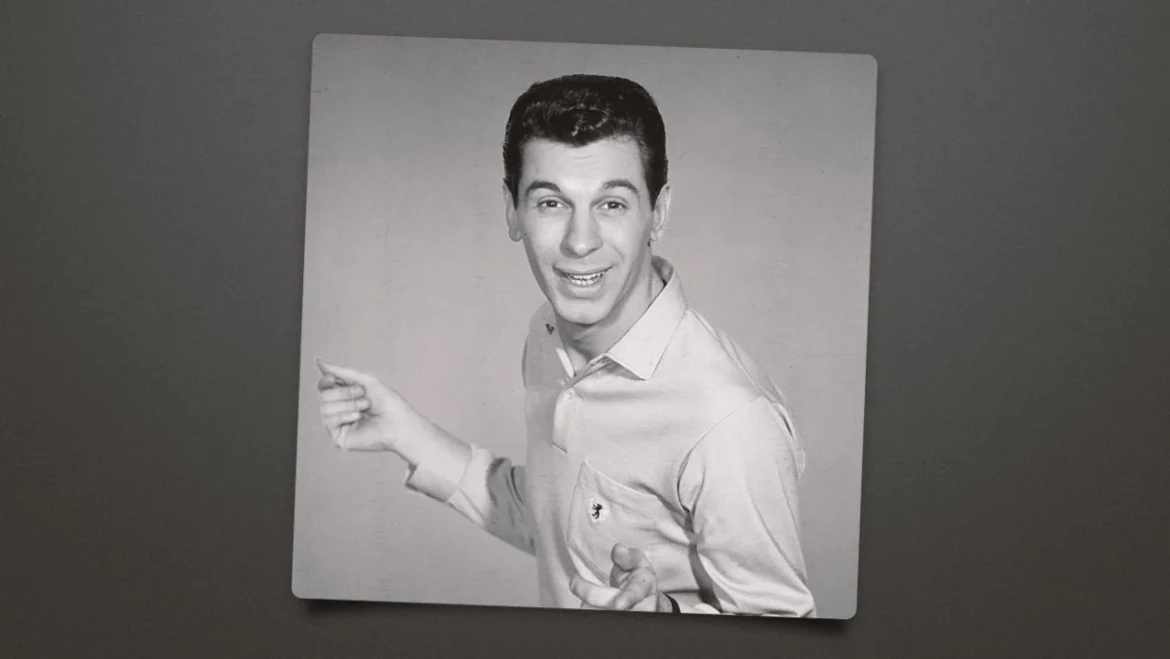
The vibrant energy of early rock and roll has dimmed with the passing of Freddy Cannon, a charismatic performer whose string of infectious hits defined a generation’s soundtrack. Cannon, affectionately known as Freddy "Boom Boom" Cannon, died on Friday at a hospice facility in California. He was 89 years old. His death was announced by his longtime friend, Tom Cuddy of iHeart Radio, who noted that Cannon had been preparing for an interview with DJ Cousin Brucie Morrow on July 11th, but was hospitalized the day prior to the scheduled appearance.
Born Frederick Anthony Picariello Jr. on December 4, 1936, in Lynn, Massachusetts, Cannon’s roots were firmly planted in the burgeoning rock and roll scene of the late 1950s. It was this raw, unadulterated talent that first caught the attention of Dick Clark, the visionary impresario behind "American Bandstand." Clark was reportedly intrigued by an early recording of what would become Cannon’s signature tune, "Tallahassee Lassie." This early encouragement from Clark played a pivotal role in Cannon’s decision to relocate to Philadelphia in his late teens, a move that would set the stage for his meteoric rise to stardom.
The Dawn of a Rock and Roll Icon
The year 1959 marked a significant turning point in Cannon’s career with the release of "Tallahassee Lassie." The song, a rollicking ode to a vivacious Southern belle, quickly climbed the charts, reaching a respectable No. 6 on Billboard’s Hot 100. This achievement not only solidified Cannon’s presence in the music industry but also served as his inaugural entry onto the prestigious Billboard charts, a testament to his immediate impact. The success of "Tallahassee Lassie" paved the way for an even more remarkable milestone: Cannon’s debut on Dick Clark’s "American Bandstand" in 1960. This appearance was the first of an astonishing record-setting 110 performances on the iconic weekly dance show, a feat that underscored his enduring popularity and his ability to connect with a vast, youthful audience.
Cannon’s knack for crafting catchy, high-energy tunes continued to resonate with the public. In 1962, he released "Palisades Park," a vibrant narrative about a summer romance at the New Jersey amusement park. The song proved to be his most commercially successful, soaring to No. 3 on the Billboard Hot 100, cementing its status as his signature hit. Beyond these two anthems, Cannon’s discography boasts a consistent stream of memorable songs that captured the spirit of the era. His other notable hits include "Jump Over" and "Chattanooga Shoe Shine Boy" (both 1960), "Abigail Beecher" (1964), "Action" (1965), and "The Dedication Song" (1966), among many others. Each of these tracks showcased his distinctive vocal style and his talent for creating upbeat, danceable music that was both accessible and undeniably fun.
Beyond the Music: A Multifaceted Performer
Cannon’s influence extended beyond the recording studio and the television screen. His memoir, "Where the Action Is!", published in 2011, offered fans an intimate glimpse into his life and career. The title itself echoed the high-octane energy that characterized his performances and his persona. He also made appearances in a television series of the same name, further demonstrating his versatility as an entertainer. Cannon’s acting credits also included roles in the television series "No Time for Sergeants," the sci-fi cult classic "Village of the Giants," the teen-oriented "Never Too Young," and a memorable stint on "Svengoolie," a program dedicated to classic horror films and cult television. These diverse roles highlighted his willingness to explore different avenues of the entertainment industry, always maintaining his characteristic charm and appeal.
A Legacy of Sound and Spirit
Freddy "Boom Boom" Cannon’s career spanned several decades, a testament to his enduring appeal and his ability to adapt within the ever-evolving music landscape. His music, characterized by its infectious rhythms, memorable melodies, and often narrative-driven lyrics, became synonymous with a particular era of American youth culture. His consistent presence on "American Bandstand" not only provided a platform for his own music but also contributed to the broader cultural phenomenon that the show represented, bridging the gap between teenagers and the emerging rock and roll mainstream.
The impact of Cannon’s music can be measured not only by his chart success but also by its lasting presence in popular culture. His songs have been featured in films, television shows, and commercials, continuing to introduce his upbeat sound to new generations. The simple, joyful exuberance of hits like "Palisades Park" and "Tallahassee Lassie" continues to evoke feelings of nostalgia and carefree happiness for many.
A Rich Family Life and a Fond Farewell
In addition to his illustrious music career, Cannon was a devoted family man. He is survived by his children, Conny Weber and Billy Cannon, his sister Mary Lou, his son-in-law Jim, his daughter-in-law Beth, five grandchildren, and seven great-grandchildren. His passing comes shortly after the death of his son John in April and his wife Jeanette in 2024, adding a layer of profound personal sorrow to his public farewell. The support and love of his family undoubtedly provided him with strength throughout his life and career.
The news of Freddy Cannon’s death has prompted a wave of tributes from fans and fellow musicians, many of whom were inspired by his groundbreaking work and his unwavering commitment to rock and roll. His passing marks the end of an era, but the echoes of his "Boom Boom" sound will undoubtedly continue to reverberate for years to come, a vibrant reminder of the golden age of rock and roll and the indelible mark he left on the music world. His legacy is not just in the records he sold or the charts he climbed, but in the joy and energy he brought to countless lives through his music.
