
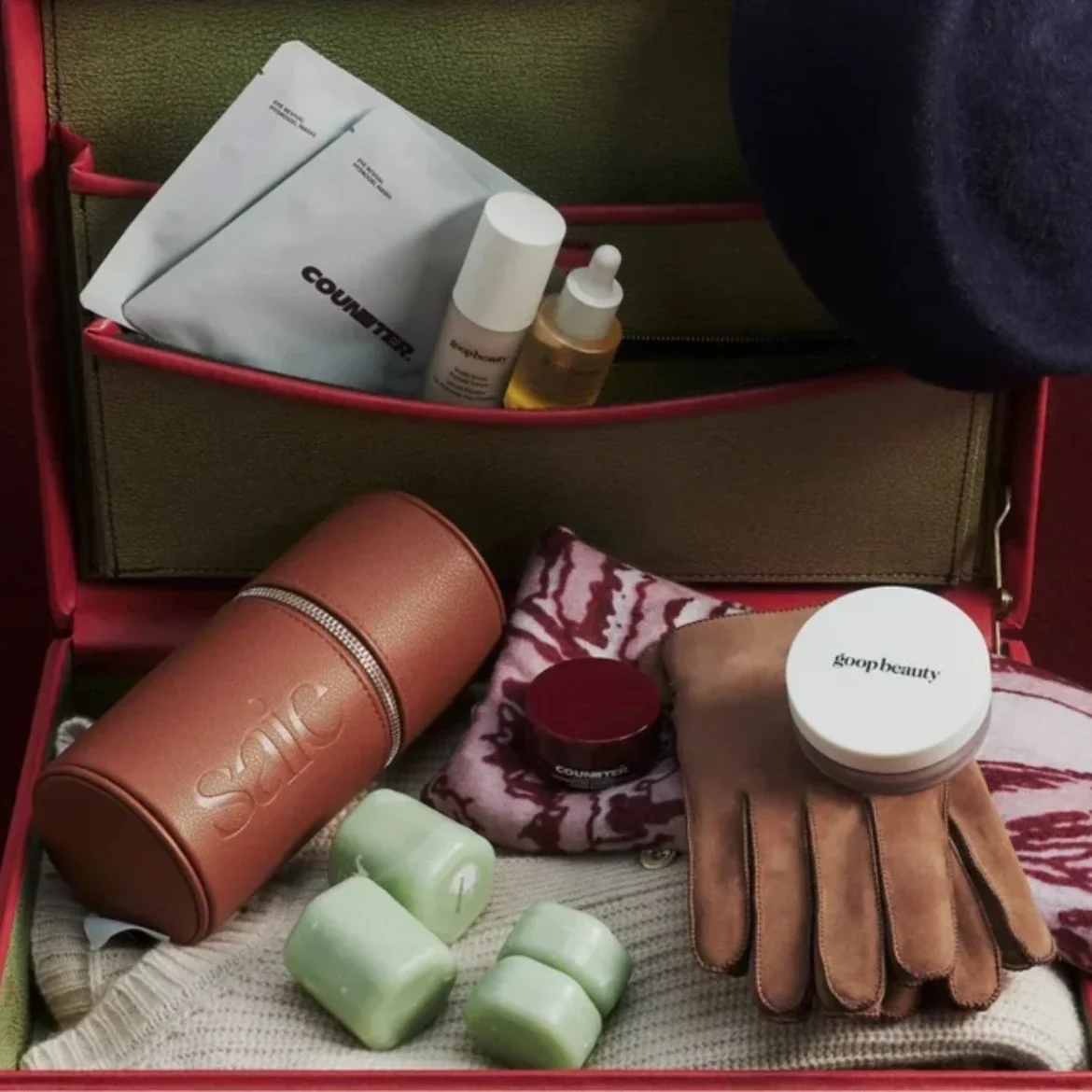
The annual release of the Goop holiday gift guide has once again captured the attention of the retail sector, marking the 15th consecutive year that Gwyneth Paltrow’s lifestyle brand has curated a collection of luxury goods, wellness products, and unconventional gift items. Since its inception in 2008 as a weekly newsletter, Goop has evolved into a multimedia retail powerhouse, and its holiday guide has become a significant, albeit polarizing, cultural milestone. The 2026 edition, released this week, maintains the brand’s signature blend of high-end utility, avant-garde wellness, and extreme luxury.
A Chronology of the Goop Phenomenon
The history of the Goop gift guide is a study in the evolution of modern e-commerce and lifestyle branding. When the first list was published in the late 2000s, the concept of a celebrity-curated digital storefront was in its infancy. Over the past 15 years, the guide has expanded from a modest list of recommendations into a massive, multi-category retail event that often serves as a barometer for luxury consumer trends.
In the early 2010s, the guide focused heavily on fashion and beauty. By the mid-2010s, it began to incorporate the “wellness-meets-luxury” aesthetic that would become the company’s trademark. The 2026 iteration reflects a matured strategy: a mix of highly practical, high-quality household goods and the "wildcard" items that ensure the guide remains a topic of conversation across social media and traditional news outlets.
The 2026 Collection: A Spectrum of Utility and Excess
This year’s guide is characterized by a stark divide between accessible, high-quality consumer goods and items that push the boundaries of traditional gifting. The editorial team behind the guide has organized the offerings into categories that range from the scientifically grounded to the purely experiential.
Among the more notable entries in the 2026 guide is the Unistellar Odyssey Pro Red. This automated smart telescope, which allows users to capture high-definition images of the cosmos despite environmental light pollution, represents a trend in luxury gifting toward "hobby-tech"—products that offer a professional-grade experience for the home consumer.
In the wellness sector, the Vitajuwel ViA Longevity Crystal Water Bottle continues the brand’s long-standing interest in the intersection of hydration and holistic health, utilizing crystals such as aquamarine and emerald. Meanwhile, pet care has seen a significant investment, evidenced by the inclusion of the HigherDOSE Infrared PEMF Pet Bed. This product utilizes Pulsed Electromagnetic Field (PEMF) technology, a staple in human sports recovery and physical therapy, now adapted for domestic animals.
Economic Context and Consumer Behavior
The decision to include items ranging from $15 stocking stuffers to luxury electronics priced in the thousands reflects a calculated strategy to capture a broad demographic of shoppers. Market analysts observe that luxury retailers are increasingly adopting a "high-low" strategy to maintain relevance in a fluctuating economy. By offering entry-level price points, brands like Goop ensure they remain accessible to a wider audience while maintaining their prestige positioning through high-ticket, exclusive items.
According to data from the National Retail Federation, holiday shopping trends in 2026 have shifted toward experiential gifting and health-conscious consumerism. The Goop guide aligns with these data points by prioritizing wellness tech and lifestyle-enhancing goods. The inclusion of the Augustinus Bader The Rejuvenating System, a high-end skincare regimen, indicates a continued consumer demand for "clinical-grade" beauty products, a segment that has seen consistent year-over-year growth since 2022.

Analytical Perspectives on Brand Strategy
The "Goop effect" remains a subject of study in brand management. By consistently selecting items that evoke strong reactions—such as the $990 Kindred Black Oracle Snuffer—the brand generates a high volume of earned media. This approach functions as a highly effective marketing tool; the controversy or curiosity surrounding a single item often drives traffic to the broader site, where users are more likely to purchase lower-priced, practical items like the Maison Louis Marie Liane de Tomate candle or coffee table literature.
From a sociological perspective, the gift guide serves as a catalog of current aspirations. The inclusion of bespoke leather goods for pets, such as The Dürro Collar by PAGERIE, suggests a growing market segment for "human-grade" luxury for companion animals, a trend that has accelerated significantly following the rise in pet ownership during the early 2020s.
Ethical and Editorial Standards in Curation
The editorial process for the 2026 guide involved a rigorous vetting process, according to the publication’s internal team. In an era of digital misinformation, the team notes that they utilize a combination of expert interviews, consumer sentiment analysis, and personal testing to determine the products that make the final cut. This attempt at establishing editorial authority is crucial for a brand that frequently ventures into unconventional health claims.
The structure of the guide—dividing items into those that are "wild" and those that are "essential"—is a deliberate attempt to manage consumer expectations. By explicitly identifying items that they believe to be "actually buyable" for the average consumer, the editorial staff is attempting to pivot from being seen solely as a purveyor of the impossible to being a reliable shopping advisor.
Broader Impact on the Retail Landscape
The influence of the Goop gift guide extends beyond its own platform. Its publication often signals the start of the "luxury holiday season" for digital media. Other lifestyle publications and e-commerce platforms frequently monitor these lists to gauge which trends in wellness, home decor, and fashion are likely to dominate the holiday quarter.
The 2026 guide, specifically, underscores the shift toward longevity and wellness as the ultimate luxury. Whether it is the focus on skincare systems that promise rejuvenation or pet beds that promise recovery, the theme of the year is self-optimization. As consumers continue to place a premium on health and quality of life, the brand has successfully positioned its product catalog as a solution for the modern, wellness-oriented individual.
Conclusion: The Future of the Holiday Gift Guide
As the Goop gift guide enters its 16th year, it remains an outlier in the digital retail space. It manages to balance the fine line between a serious retail catalog and a cultural performance. For the average consumer, the guide provides a window into the aesthetic preferences of a specific segment of the luxury market, while for the retail industry, it serves as a masterclass in engagement and brand positioning.
Looking ahead, the success of this year’s guide will likely be measured not just by sales volume, but by the brand’s ability to continue generating discourse. In a digital environment saturated with affiliate marketing and influencer recommendations, the staying power of the Goop gift guide is a testament to the brand’s ability to evolve while staying true to its core identity: a curated, intentional, and occasionally provocative approach to the modern holiday season. Whether or not one chooses to purchase a crystal-infused water bottle or an automated telescope, the guide continues to function as a significant indicator of where the luxury market is heading in the years to come.
