
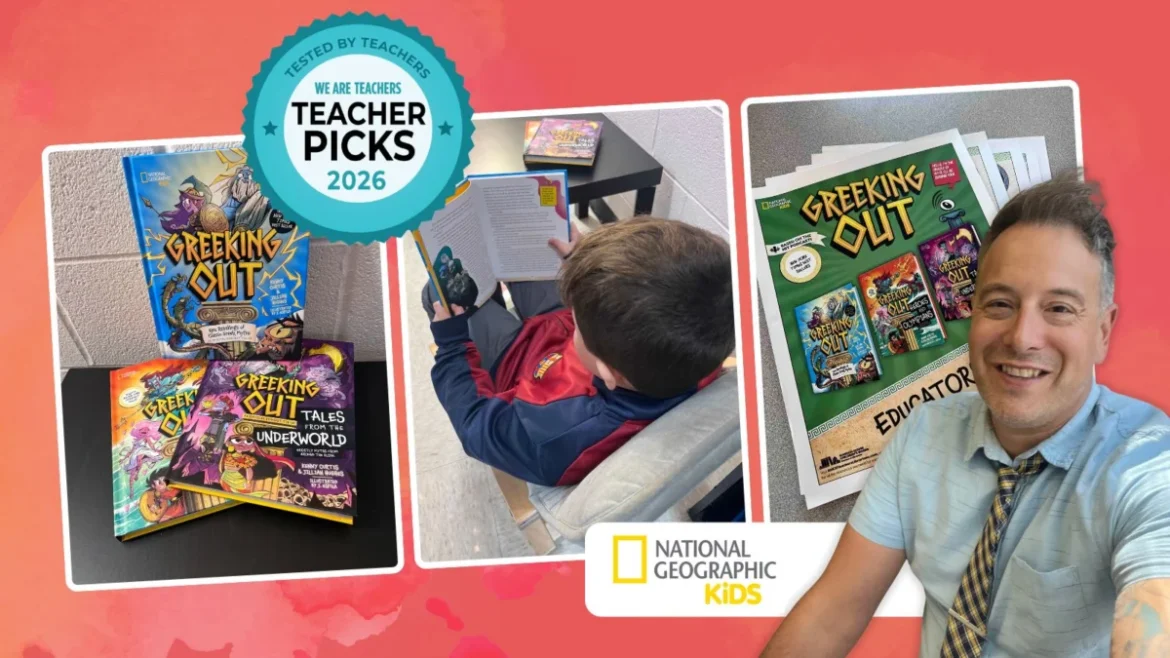
The educational landscape for primary and middle school literacy is undergoing a significant shift as educators increasingly turn to multi-platform storytelling to engage a generation of students raised on digital media. At the forefront of this movement is the National Geographic Kids "Greeking Out" graphic novel series, a literary adaptation of the wildly successful podcast of the same name. Designed specifically for children aged 8 to 12, the series seeks to bridge the gap between high-interest entertainment and rigorous historical inquiry. By blending tongue-in-cheek humor with meticulous historical detail, the books offer a fresh perspective on ancient Greek myths, providing a pedagogical tool that resonates with both reluctant readers and high-achieving students.
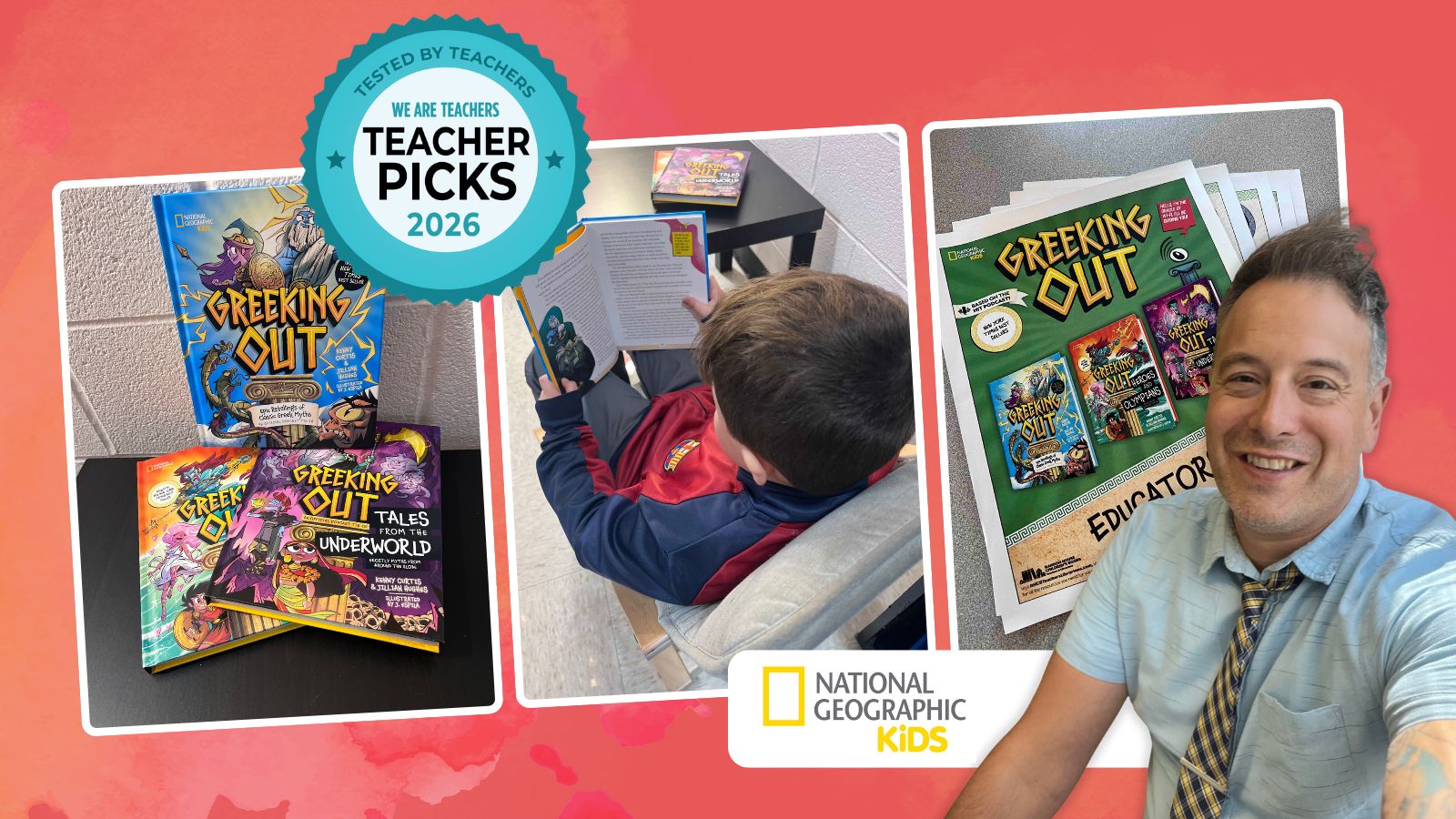
The series represents a strategic expansion for National Geographic Kids, leveraging the popularity of the "Greeking Out" podcast, which has garnered a massive following for its witty and accessible take on classical mythology. The transition from audio to the graphic novel format allows for a visual immersion into the world of the Olympians, utilizing vibrant illustrations to clarify complex family trees and epic narratives that have historically proven challenging for younger learners.
The Evolution of the Greeking Out Franchise
The "Greeking Out" phenomenon began as a digital audio project intended to introduce young listeners to the foundational stories of Western civilization. Its success highlighted a significant demand for educational content that does not sacrifice personality for academic accuracy. Recognizing this trend, National Geographic Kids developed the graphic novel series to provide a tactile and visual companion to the audio experience.
The chronology of the franchise’s development mirrors broader trends in the publishing industry. Over the last decade, the graphic novel sector has seen exponential growth within the K-12 market. According to industry data, graphic novels and comics have become one of the fastest-growing categories in school libraries, frequently cited by librarians as the most circulated items. By entering this space with a proven intellectual property, National Geographic has created a seamless transition for students who may already be familiar with the voices of the podcast hosts but require a different medium to reinforce their reading comprehension and visual literacy skills.
Pedagogical Application and Classroom Implementation
The efficacy of the "Greeking Out" series has been noted by veteran educators who are integrating the books into diverse curricula. Adam Peterson, an Illinois-based teacher with 13 years of classroom experience, recently shared his findings on the series’ impact. Peterson observed that the books serve as an ideal entry point for students in grades 2 through 5, though their utility extends to older students engaged in more advanced mythological studies.
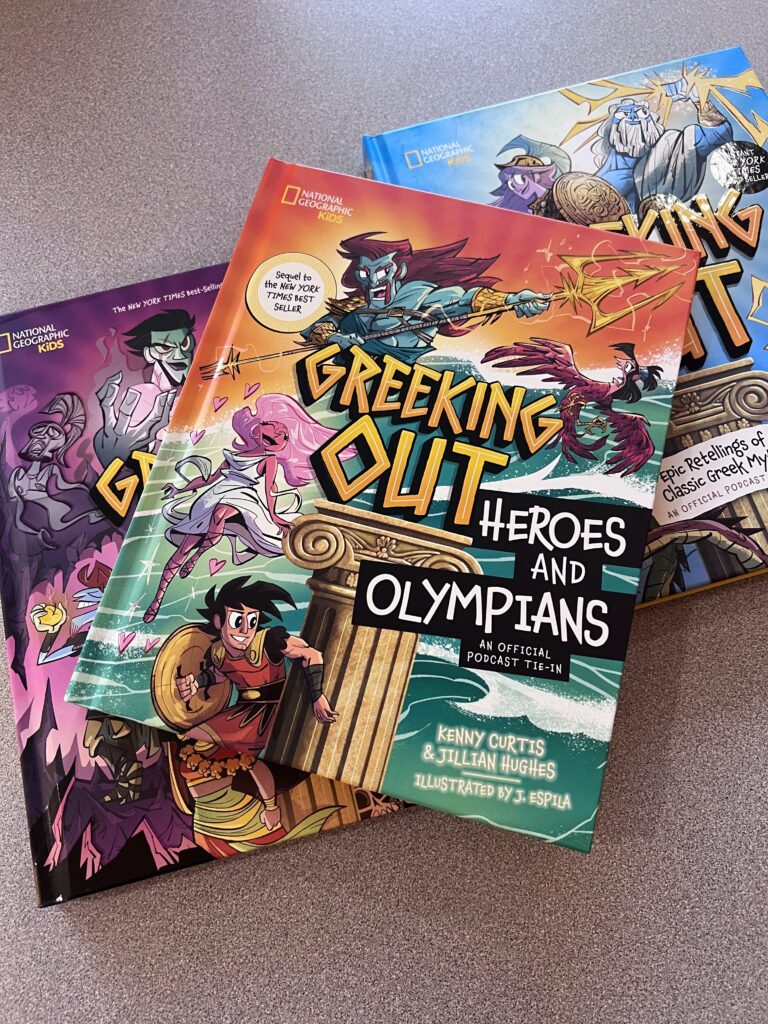
According to Peterson, the series excels as both a read-aloud resource and a tool for independent exploration. "Their interest was piqued from the start," Peterson noted, describing the reaction of his students when first introduced to the vibrant graphics and narrative style. "Once they saw the covers and I flipped through some of the graphics, they were excited for our story time. As soon as I read a few pages of the first book, they were hooked and wanted me to read more."
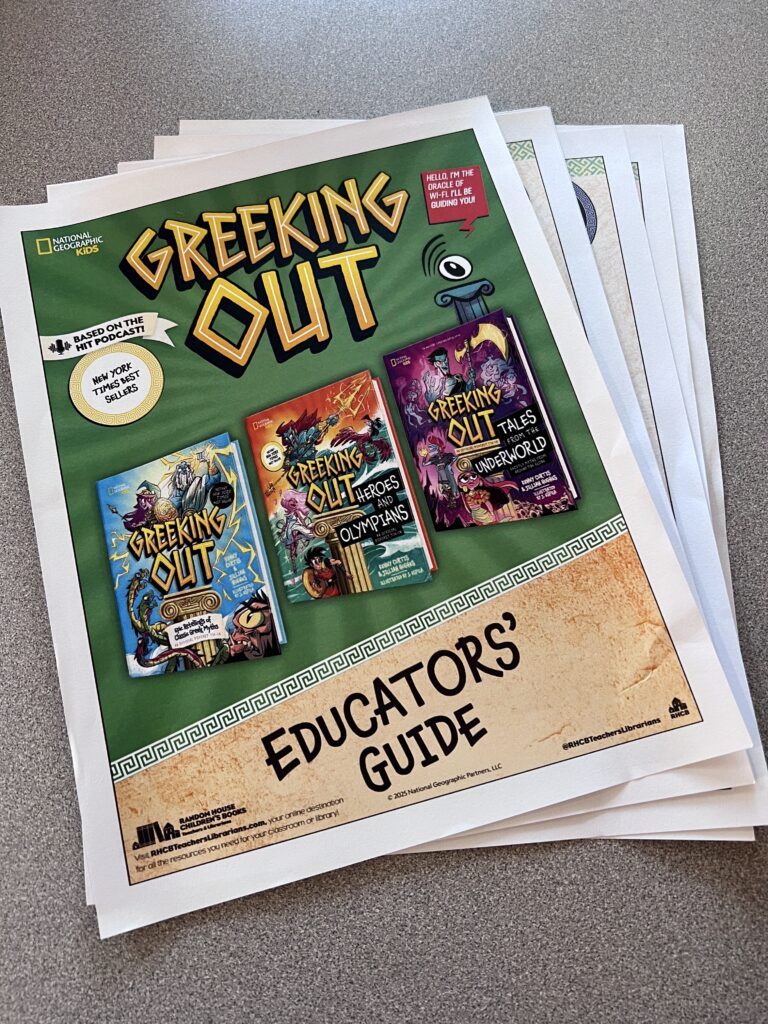
The implementation of these books in a classroom setting is supported by a comprehensive Educators’ Guide. This resource provides a structured framework for teachers, offering discussion questions and activities that focus on:
- Character Analysis: Examining the motivations and flaws of gods, goddesses, and heroes.
- Plot Structure: Deconstructing the "Hero’s Journey" and other classical narrative arcs.
- Thematic Exploration: Discussing universal themes such as hubris, bravery, and justice.
- Visual Literacy: Analyzing how illustrations convey emotion and advance the plot.
Alignment with National Educational Standards
While the "Greeking Out" books are marketed as engaging narrative retellings, their design aligns closely with Common Core State Standards (CCSS) for English Language Arts (ELA). By focusing on the nuances of mythology, the books help students meet specific benchmarks in reading literature, including:
- CCSS.ELA-LITERACY.RL.3.1: Asking and answering questions to demonstrate understanding of a text, referring explicitly to the text as the basis for the answers.
- CCSS.ELA-LITERACY.RL.4.1: Referring to details and examples in a text when explaining what the text says explicitly and when drawing inferences from the text.
- CCSS.ELA-LITERACY.RL.5.2: Determining a theme of a story, drama, or poem from details in the text, including how characters in a story or drama respond to challenges.
The integration of humor and modern vernacular within the retellings does not detract from these standards; rather, it facilitates a deeper connection with the material. By making the gods and heroes relatable, the series allows students to more easily identify character traits and motives, which is a critical component of literary analysis in the upper elementary years.
Supporting Data: The Rise of Graphic Novels in Literacy Development
The adoption of the "Greeking Out" series comes at a time when educational researchers are increasingly validating the use of graphic novels for literacy development. A study by the American Library Association (ALA) suggests that graphic novels can be particularly effective for English Language Learners (ELL) and students with learning disabilities such as dyslexia. The combination of text and image provides "contextual scaffolding," allowing readers to decode meaning through visual cues when the vocabulary becomes complex.
Furthermore, data from Scholastic’s "Kids & Family Reading Report" indicates that children are more likely to finish a book if they have a role in choosing it. The high-interest nature of the "Greeking Out" series, coupled with its ties to a popular podcast, makes it a frequent "student choice" in classroom libraries. Peterson confirmed this trend in his own classroom, noting that students frequently requested to take the books home to continue reading independently.
Comparative Analysis: Modernizing the Classics
What distinguishes "Greeking Out" from traditional mythological anthologies is its departure from the dry, academic tone often associated with the subject. For many years, Greek mythology was taught through dense textbooks that prioritized names and dates over narrative tension and character development.
The National Geographic Kids approach prioritizes "the hook." By utilizing a graphic novel format, the series provides a cinematic experience on the page. The "tongue-in-cheek" retellings allow for a meta-commentary on the myths, often acknowledging the absurdity of certain ancient plot points, which resonates with the sophisticated humor of modern children. This approach demystifies the classics, making them accessible without stripping away the historical context or the "accurate historical details" that National Geographic is known for.
Broader Implications for Humanities Education
The success of the "Greeking Out" series suggests a broader shift in how humanities subjects—history, literature, and philosophy—are delivered to younger audiences. By packaging these "old stories" in "new formats," publishers are ensuring that classical foundations remain relevant in the 21st century.
Mitigating the "intimidation factor" of classical studies is essential for long-term academic success. Students who develop a foundational understanding of Greek mythology in elementary school are better prepared for the complex literary allusions they will encounter in high school and university-level English and History courses. The "Greeking Out" series provides this foundation through a low-stakes, high-engagement medium.
Moreover, the series encourages creative extension projects. Educators like Peterson have suggested activities such as having students write their own myths, design their own gods, or create "lost" scenes from existing legends. These activities promote higher-order thinking skills, moving beyond simple recall to synthesis and creation.
Conclusion and Future Outlook
As National Geographic Kids continues to expand the "Greeking Out" universe, the impact on classroom engagement is likely to grow. The series stands as a testament to the power of multi-media synergy in education. By starting with a podcast and expanding into graphic novels, the franchise meets students where they are—whether they are listening in a car on the way to school or reading under the covers at night.
For educators, the series offers a rare combination of "very easy" implementation and high educational yield. The availability of a free, high-quality Educators’ Guide reduces the "prep-time" burden on teachers while ensuring that the reading experience is anchored in academic standards. As school districts continue to navigate the challenges of student engagement in a post-digital age, resources like "Greeking Out" provide a blueprint for how to make ancient history feel like breaking news.
The "Greeking Out" series is more than just a collection of stories; it is a bridge between the ancient past and the modern student, proving that even after three thousand years, the gods of Olympus still have the power to captivate a classroom. Through the expert blend of humor, art, and history, National Geographic Kids has ensured that the next generation of scholars will not just learn mythology, but will truly "Greek out" over it.
