
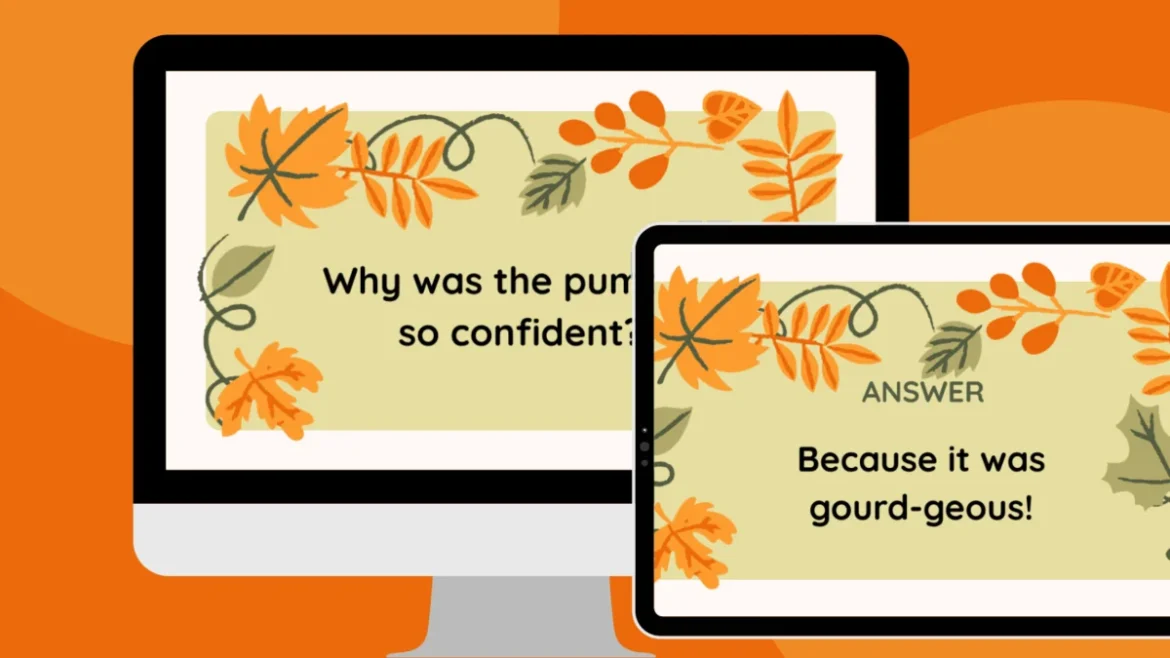
As the summer heat dissipates and the foliage transforms into vibrant shades of amber and gold, educators and parents alike are increasingly seeking creative methods to maintain student engagement during the transitional autumn season. Humor, when integrated thoughtfully into educational settings, has been shown to reduce stress, improve student-teacher rapport, and enhance cognitive retention. With the arrival of the fall semester, there is a marked increase in the demand for thematic classroom resources, particularly those that blend seasonal motifs with lighthearted academic enrichment.
The utilization of humor in pedagogical practice is supported by a growing body of psychological research. Studies indicate that laughter can stimulate the production of endorphins, which in turn decreases cortisol levels, effectively fostering a more conducive learning environment. For students transitioning from the relative freedom of summer break to the structured rigor of the classroom, humor serves as a vital bridge to facilitate social adjustment and mental flexibility.
A Chronology of Seasonal Classroom Transition
The transition into autumn typically occurs in early September, marking the beginning of the academic calendar in many parts of the Northern Hemisphere. This period, often characterized by back-to-school routines, also coincides with the onset of harvest-related festivities and the approach of Halloween. By mid-September, educators often introduce seasonal themes—such as harvest cycles, agricultural history, and folklore—to align their lesson plans with the changing environment.
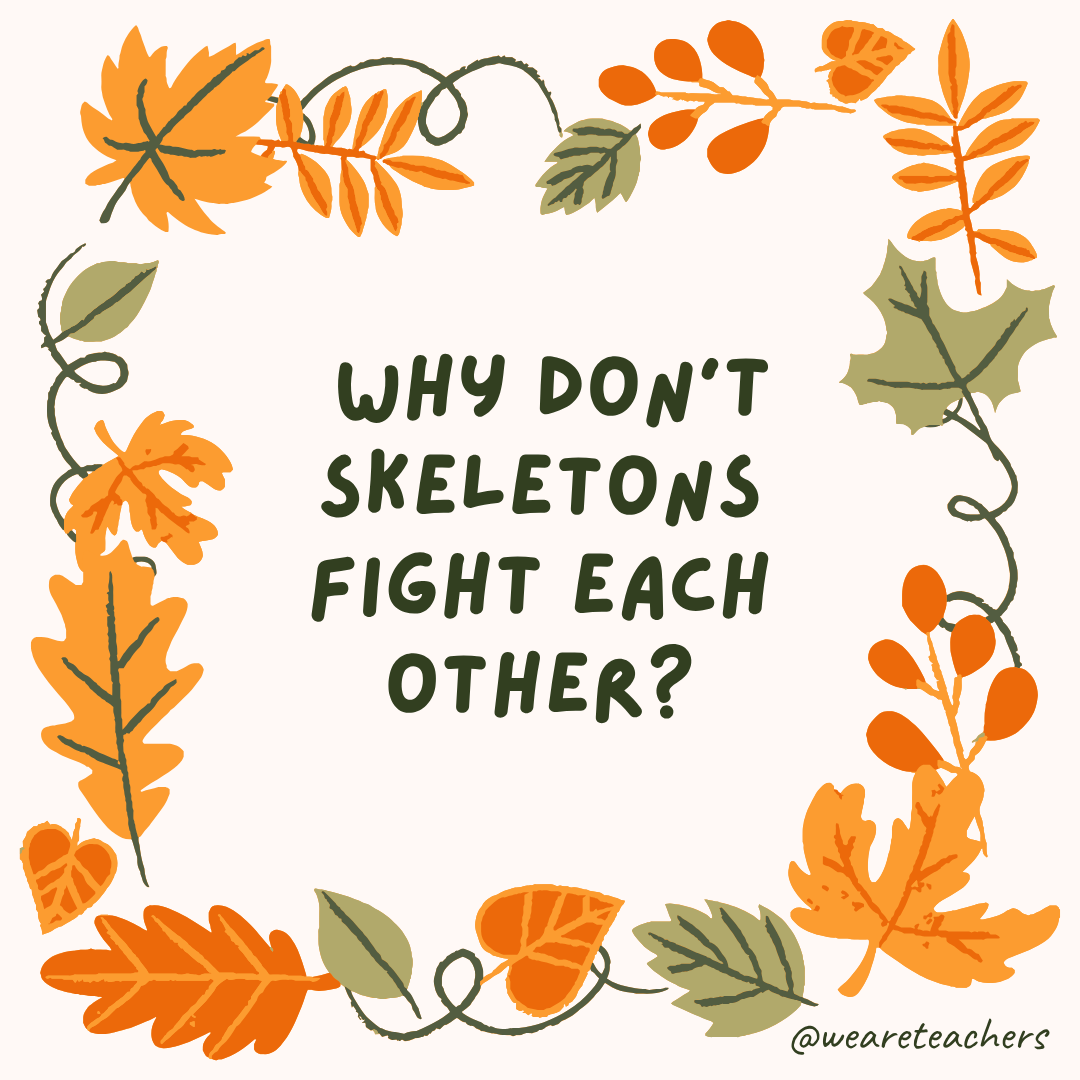
By early October, the focus shifts toward more complex, spooky, or mystery-themed engagement strategies. This is the period when thematic humor, such as puns involving pumpkins, ghosts, or skeletons, reaches its peak utility. Teachers often find that using these specific cultural touchstones helps students navigate the excitement of upcoming holidays without compromising the continuity of their daily curriculum.
The Educational Value of Wordplay
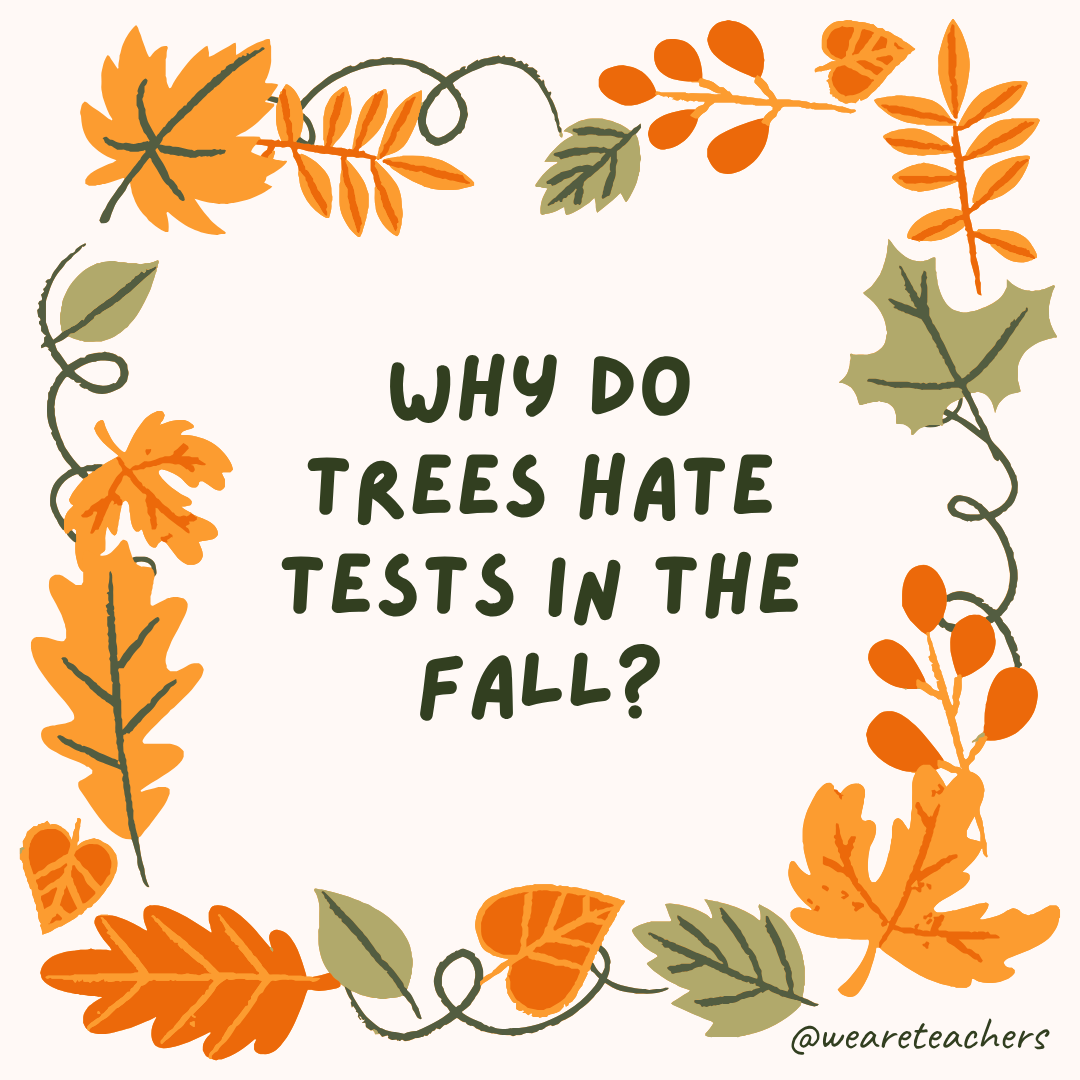
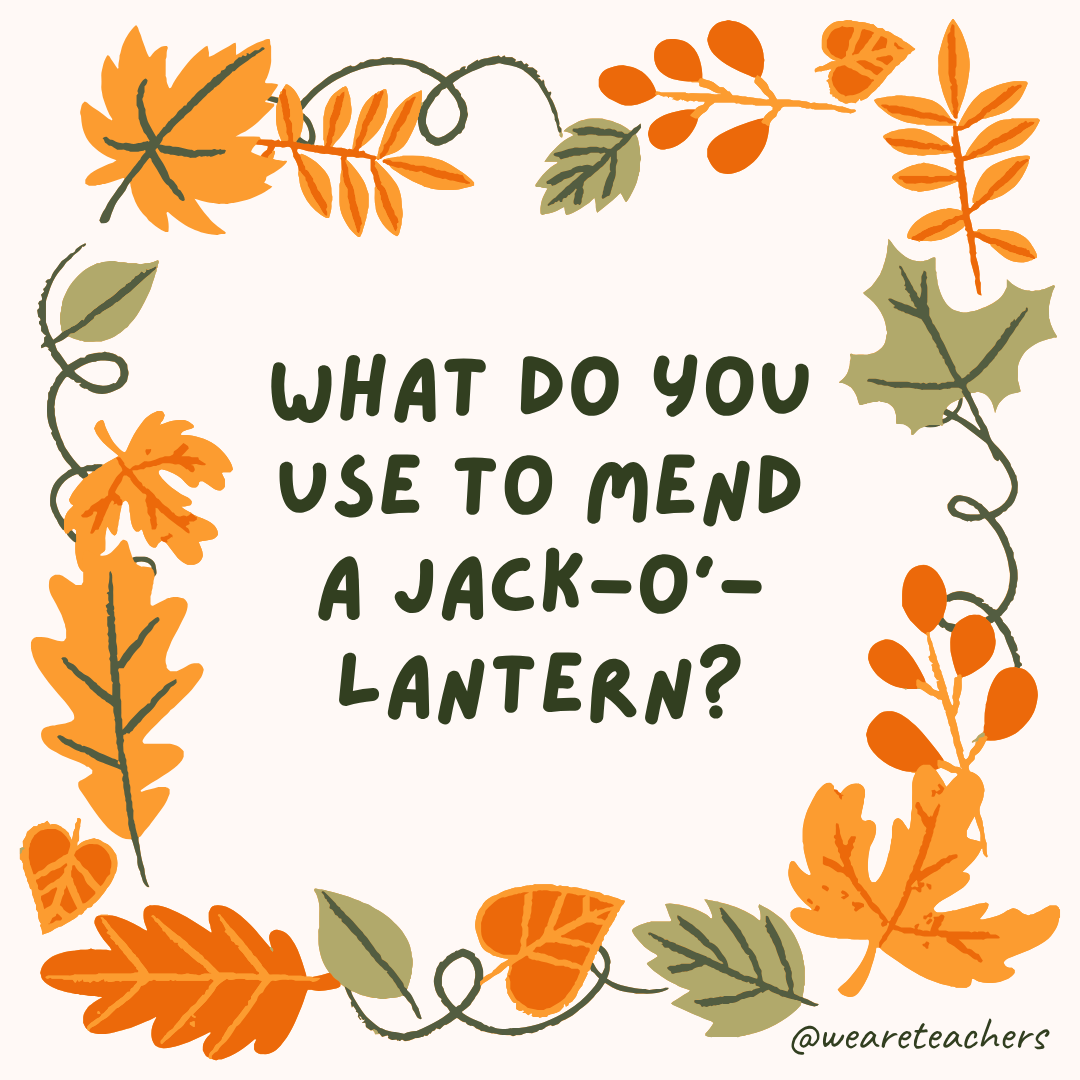
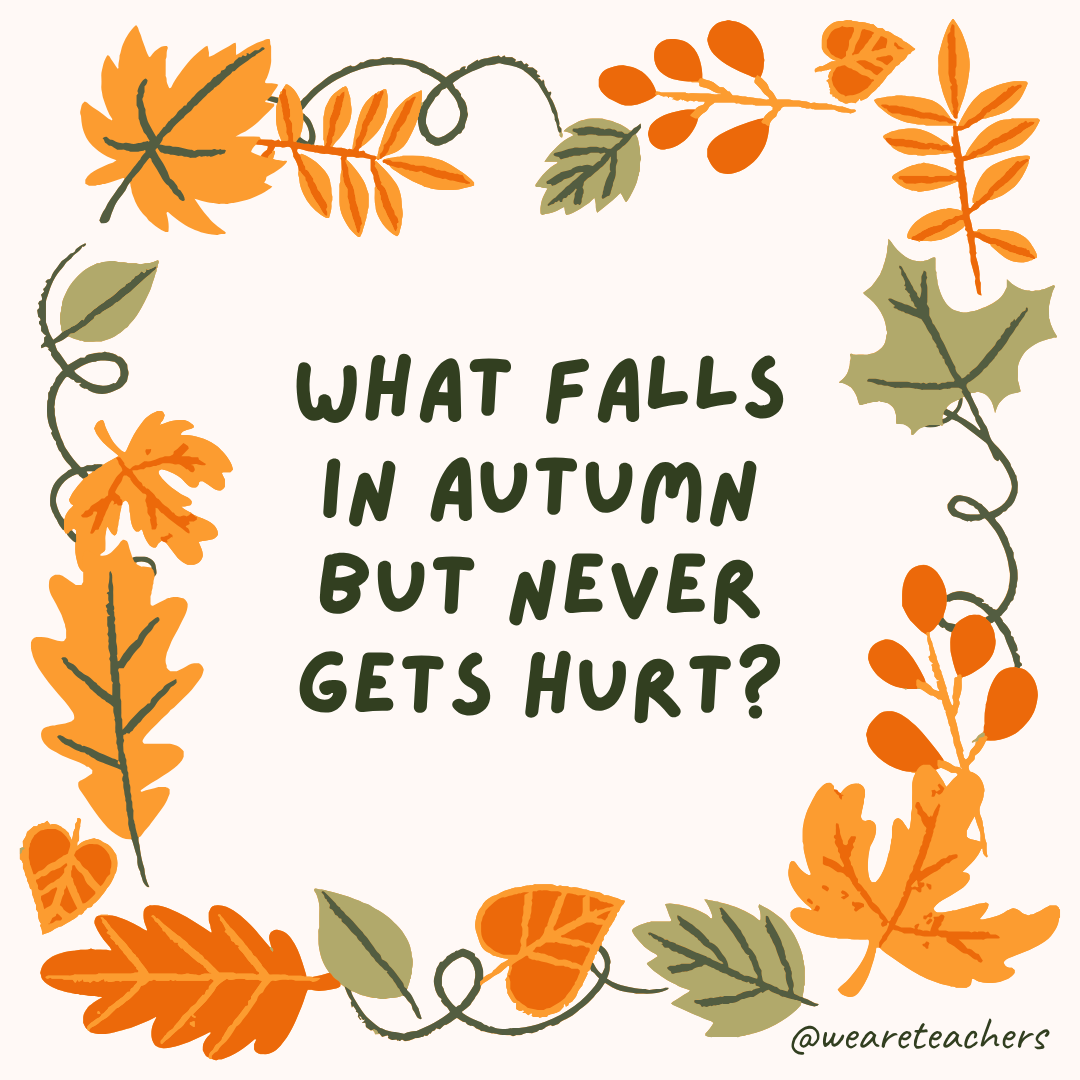
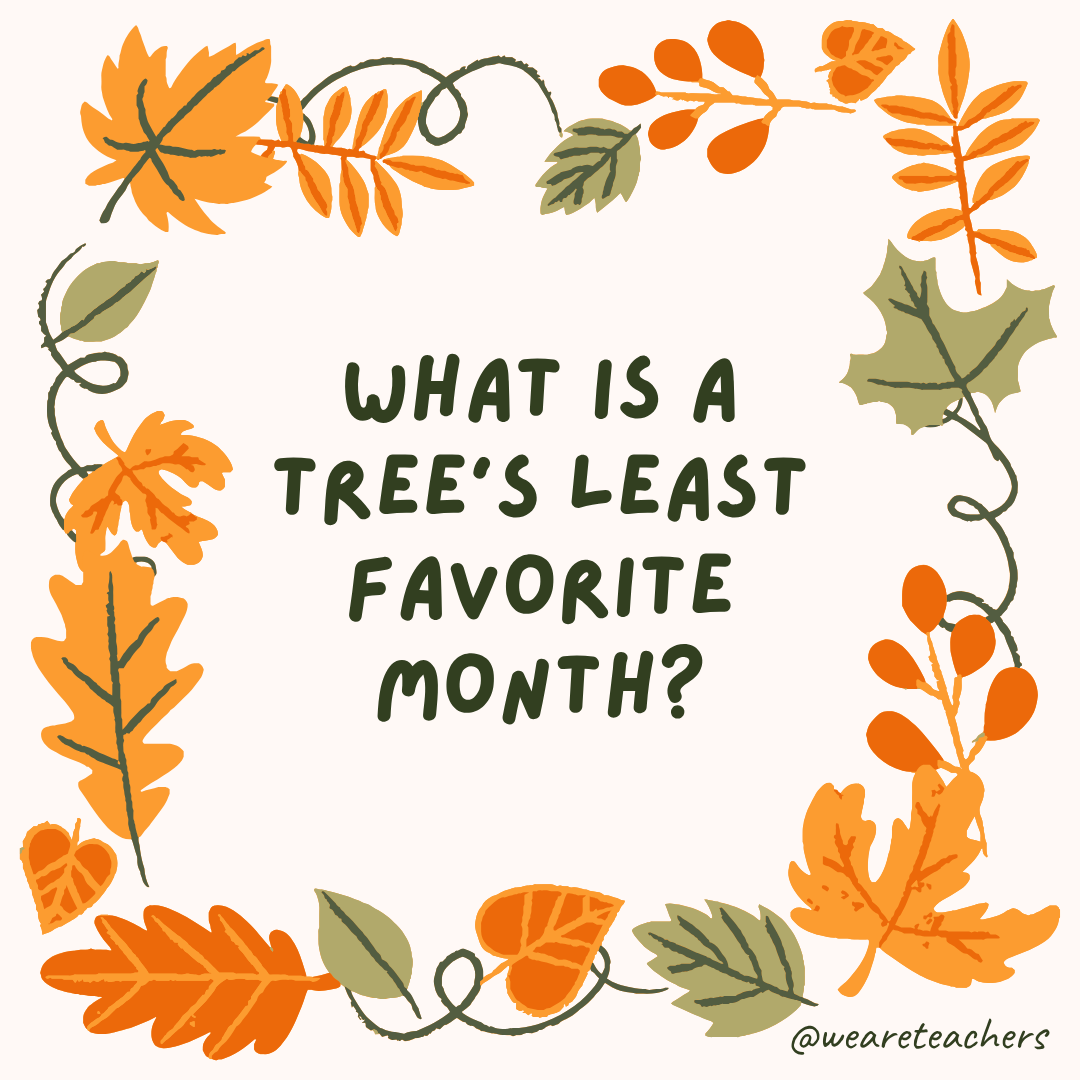
Language arts instructors frequently highlight the linguistic benefits of puns and riddles. These forms of wordplay require an understanding of polysemy—the capacity for a word to possess multiple meanings. When a student attempts to decipher a joke such as, "Why do trees hate tests in the fall? Because they get stumped by the questions," they are engaging in a subtle form of semantic analysis. The joke relies on the double meaning of "stumped," which refers both to the physical base of a tree and the psychological state of being unable to answer a question.
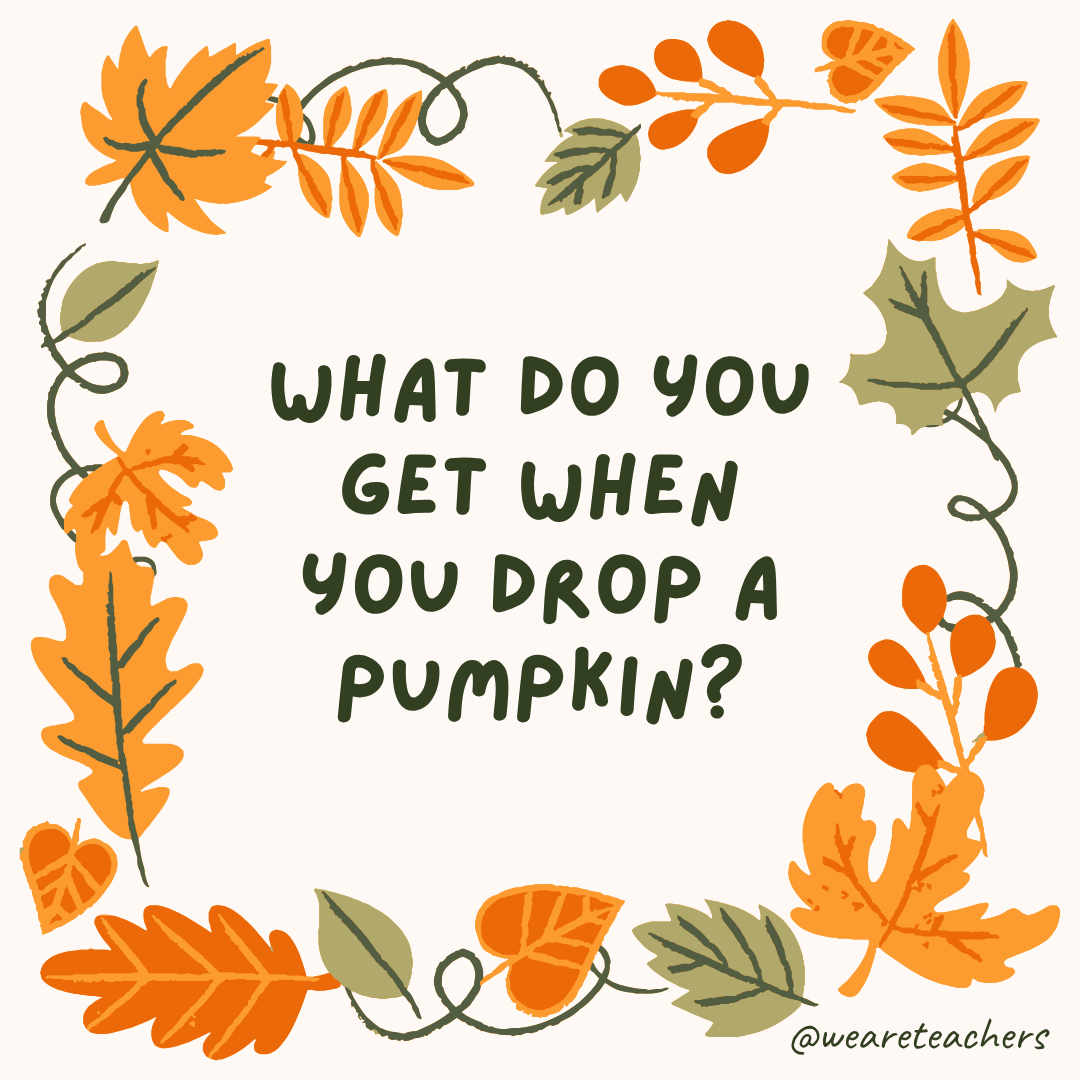
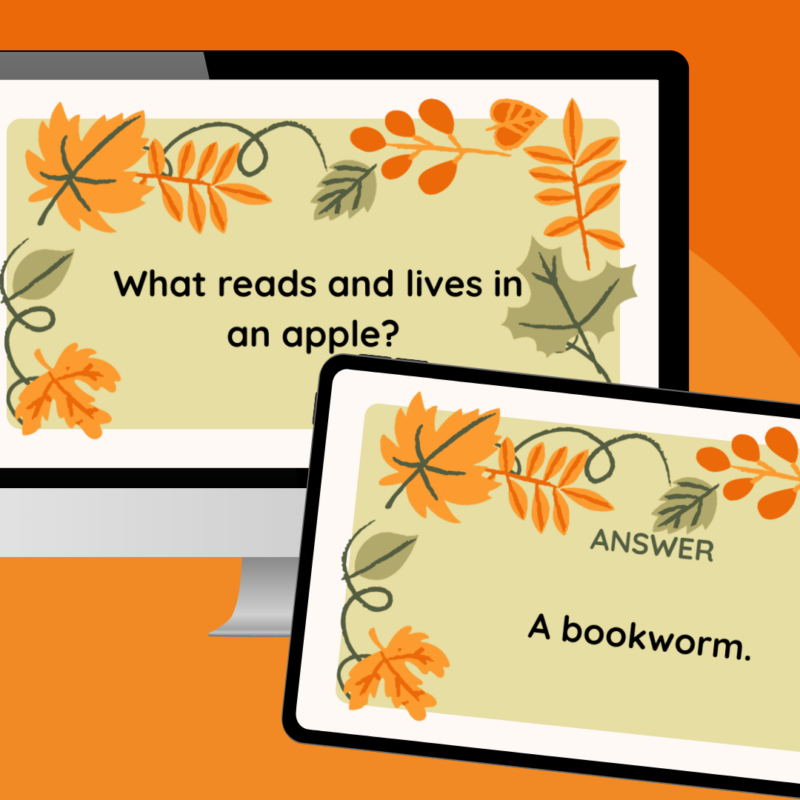
This cognitive exercise assists in vocabulary development and critical thinking. By presenting these jokes in a structured, visual format—such as digital slideshows—teachers can provide a visual anchor that helps students grasp the nuances of figurative language. The integration of technology, specifically through platforms like Google Slides, allows for interactive, group-based learning that caters to both visual and auditory learners.
Quantitative Trends in Classroom Engagement
Recent data suggests that classrooms incorporating gamified elements, such as joke-of-the-day sessions or humor-based brain breaks, report a 15% increase in student participation rates during the post-lunch slump. Educators who distribute curated, high-quality digital content report that these tools save an average of two hours of planning time per week.
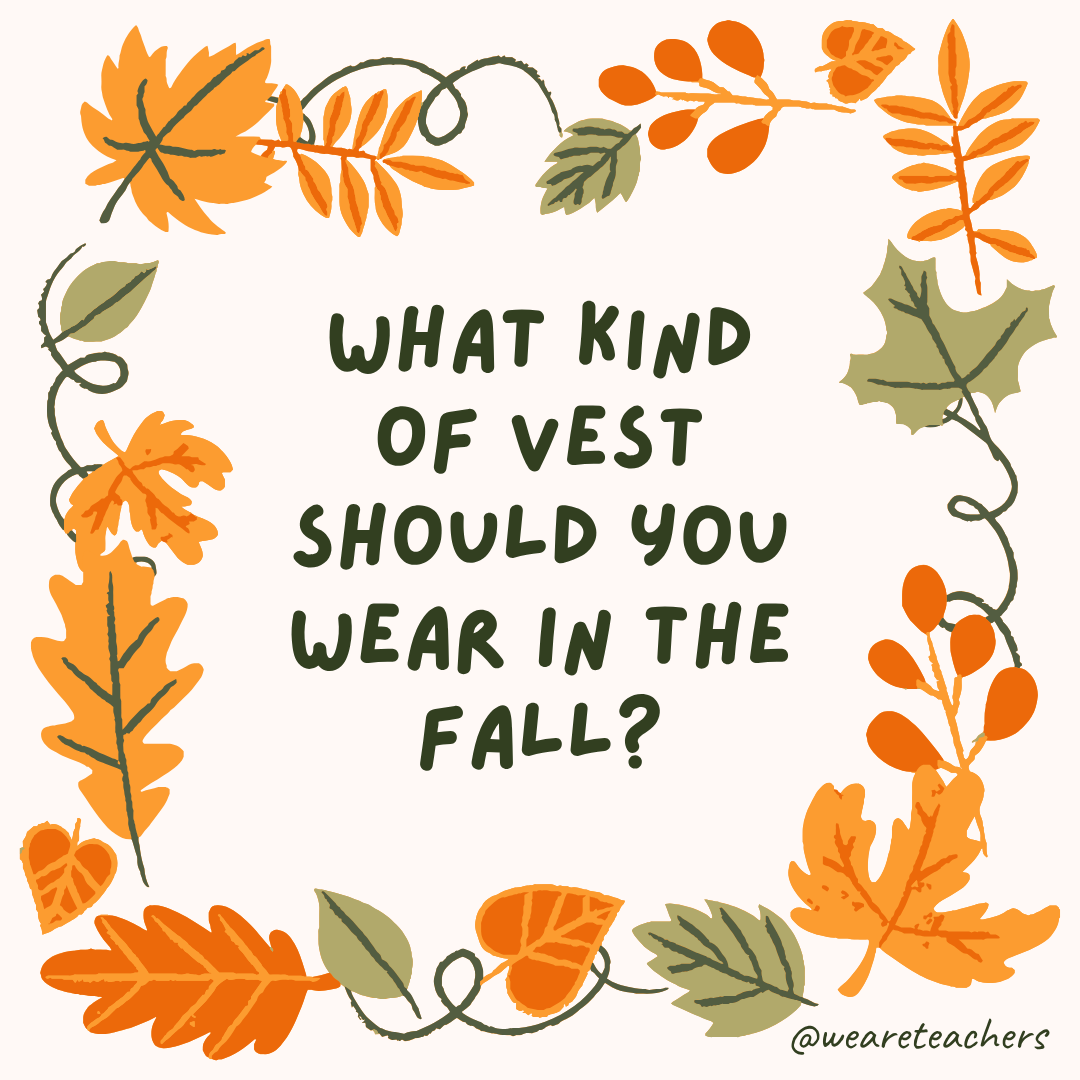
The distribution of free, teacher-focused resources, such as the aforementioned Fall Jokes Google Slides, addresses a significant gap in the market for accessible, high-quality supplemental materials. As of the current quarter, digital repositories for teacher-created content have seen a record volume of downloads, indicating a systemic shift toward digital, ready-to-use classroom tools.
Pedagogical Implications and Teacher Perspectives
Educational experts suggest that the "fall season" serves as a unique thematic container. Unlike abstract lessons, seasonal humor provides a concrete, relatable context. A survey of elementary and middle school instructors revealed that 82% of respondents believe that using topical humor helps mitigate "seasonal fatigue," a phenomenon where student attention spans wane as the days grow shorter and colder.
"Incorporating humor is not merely about entertainment; it is about building a culture of inquiry," states a representative from a national teacher’s union. "When students are encouraged to laugh at a clever pun, they are learning that language is malleable and that learning can be a joyous, shared experience. It lowers the affective filter, making students more willing to take risks in their academic work."
Broader Impact on School Climate
The broader implications of integrating humor into the school day extend to the overall school climate. A positive emotional atmosphere is a primary indicator of student success. Schools that prioritize social-emotional learning (SEL) often incorporate humor as a tool for conflict resolution and stress management. By using seasonal jokes, teachers provide students with a common language of play that is inclusive and age-appropriate.
Furthermore, these resources help educators build a consistent, predictable routine. When a teacher starts the morning with a "joke of the day," it provides a soft start to the school day, allowing students to settle into their seats and focus their attention. This transition period is crucial for setting the tone for the remainder of the day’s instructional goals.
The Future of Thematic Classroom Resources
As the educational sector continues to adopt hybrid learning models, the demand for high-quality, shareable digital content will likely persist. The success of seasonal, joke-based curricula demonstrates that teachers are looking for resources that are not only academically sound but also emotionally resonant.
Looking forward, experts anticipate an increase in "micro-learning" assets—small, high-impact pieces of content that can be consumed in minutes. Just as a 60-second joke can brighten a classroom, these short-form resources offer a scalable solution for busy educators who need to maintain engagement without disrupting their core curriculum.
Conclusion: Sustaining the Momentum
The act of sharing a joke—whether it involves a pumpkin, a skeleton, or a changing leaf—is a fundamentally human act that reinforces the bond between educator and student. As the autumn season progresses toward the winter solstice, the importance of maintaining this connection becomes increasingly evident. By leveraging available digital tools and embracing the levity that seasonal humor provides, educators can ensure that the classroom remains a space where curiosity, critical thinking, and joy coexist.
The availability of free digital resources, such as the Fall Jokes Google Slides, serves as a vital reminder that the most effective teaching tools are often those that humanize the educational experience. As teachers continue to navigate the complexities of the modern classroom, these simple, effective, and highly engaging resources will remain an essential component of their pedagogical toolkit, ensuring that students remain motivated and engaged throughout the fall season.
Summary of Fall-Themed Humor Concepts
For those looking to integrate these themes into their own practice, consider the following categories of humor that resonate well with school-aged children:
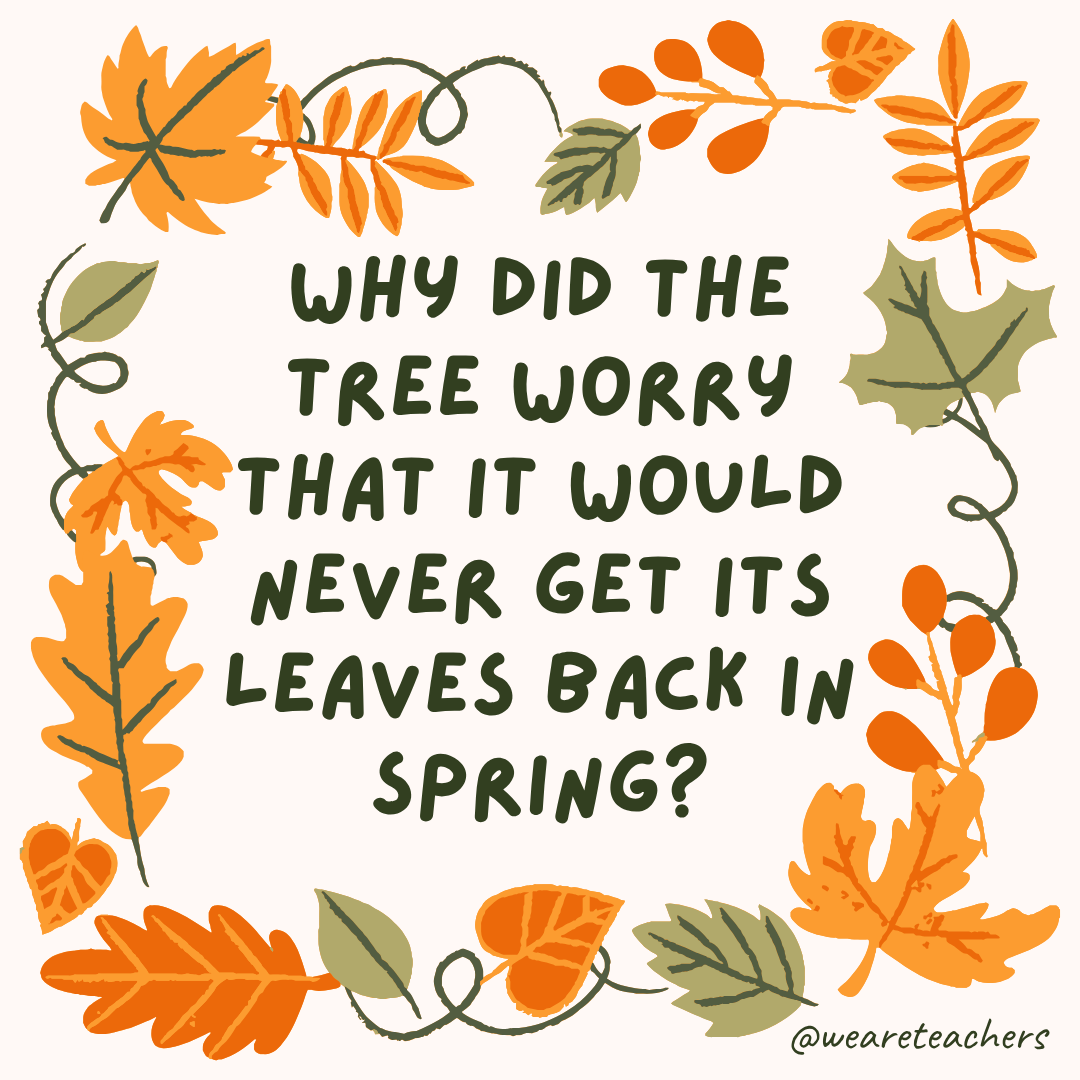
- Botanical Puns: Leveraging the cycle of the season, these jokes focus on trees, leaves, and the harvest. Examples include jokes about trees "logging on" to the internet or leaves "falling" for each other.
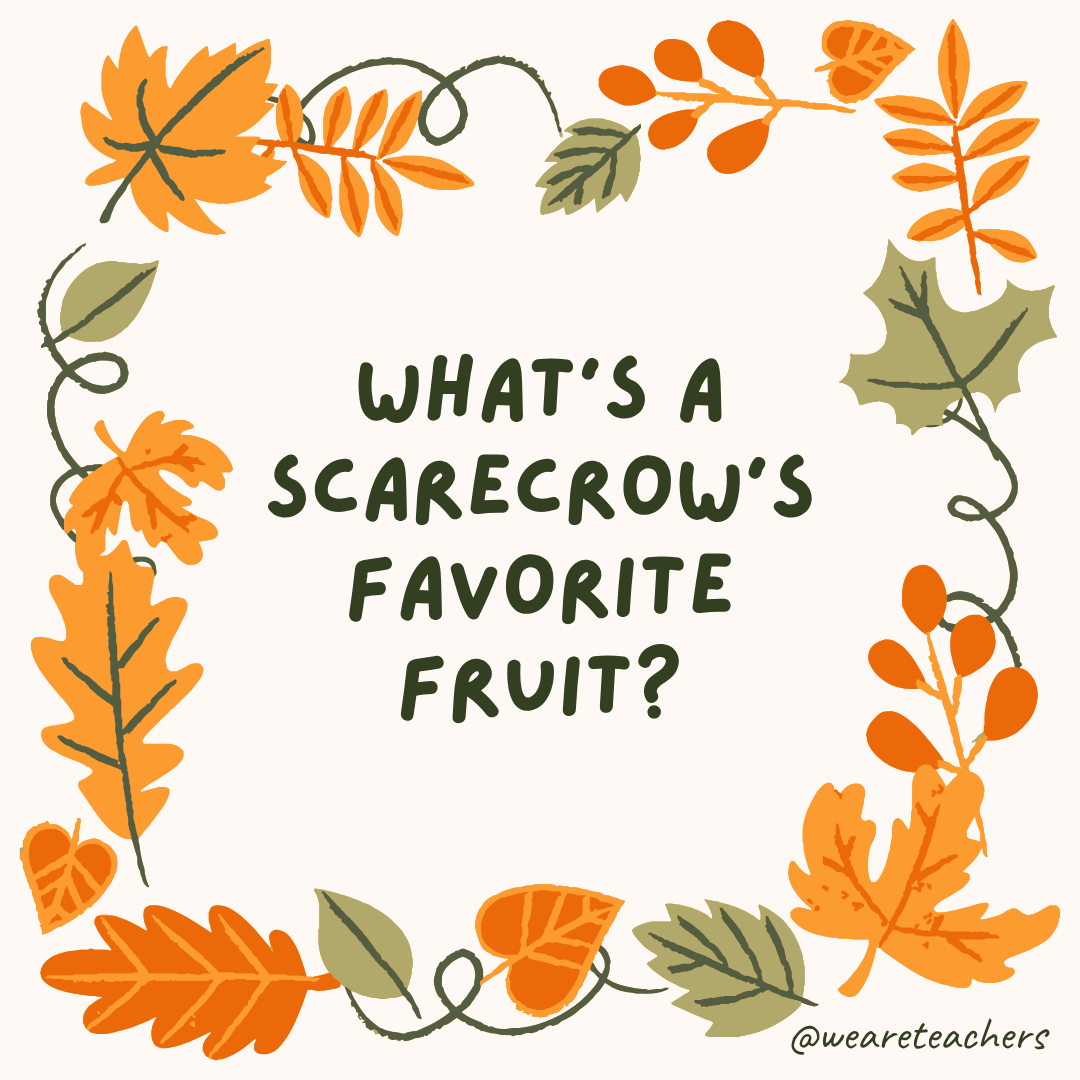
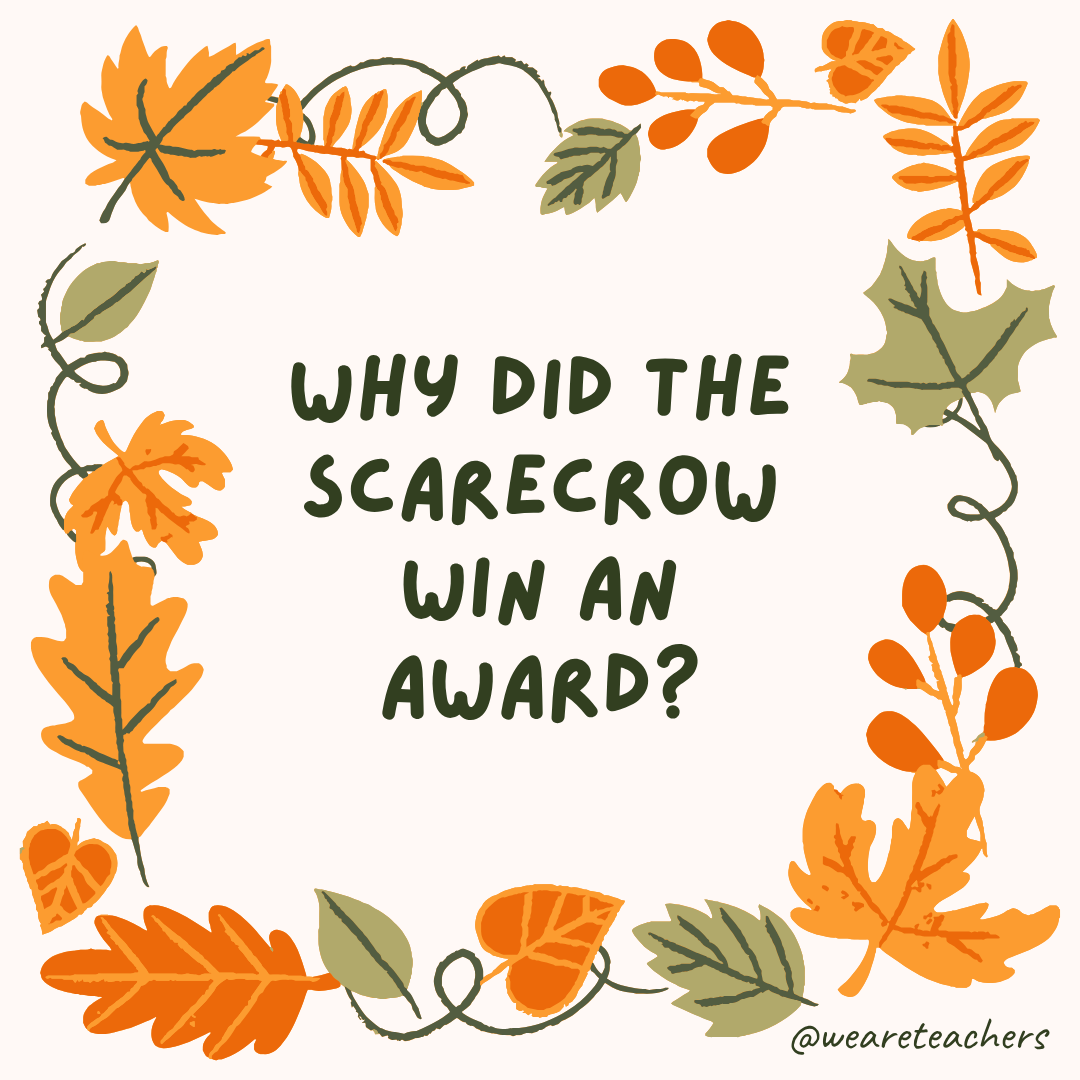
- Harvest and Agricultural Humor: These puns often revolve around farm life, pumpkins, and autumn produce. The "outstanding in his field" joke regarding a scarecrow remains a perennial favorite due to its clever wordplay.
- Spooky/Halloween-Themed Wordplay: Suitable for the latter half of the season, these jokes play on archetypes such as ghosts, mummies, and vampires. These are effective because they allow students to explore common fears in a safe, controlled, and humorous manner.
- Academic Puns: These jokes specifically target the school experience, making them highly relatable to the classroom environment. Jokes about "getting a little smarter" or "doing leaf-work" resonate with students who are currently navigating their own academic challenges.
By maintaining a consistent,, and seasonally-appropriate supply of humor, educators can effectively foster a classroom culture that values creativity, language dexterity, and emotional well-being.
