
Brussels, Manila, and Dnipro witnessed a flurry of significant geopolitical and economic developments on Thursday, 23 July 2026, as the European Union unveiled its 21st package of sanctions against Russia, Google faced a substantial €890 million fine from the EU for antitrust breaches, Ukraine grappled with escalating domestic pressure over its sacked defence minister, and the United States held a high-stakes diplomatic meeting with Russia amidst a shifting global focus. These concurrent events underscore the complex interplay of international relations, economic warfare, and internal political struggles that continue to shape the global landscape.
EU Imposes Sweeping 21st Sanctions Package on Russia
After weeks of intense negotiations and internal disagreements, the European Union’s 27 member states finally reached a political agreement on the 21st package of sanctions against Russia. The announcement was made in Brussels, with EU foreign policy chief Kaja Kallas hailing it as "the largest round in four years," comprising a total of 218 listings designed to "hit Putin where it hurts most." European Commission President Ursula von der Leyen echoed this sentiment, stating that the measures "continue to weaken the economic foundations of Russia’s war effort."
The comprehensive package targets critical pillars of Russia’s war economy. It includes sweeping measures against Moscow’s financial system, with over a hundred Russian banks and crypto operators added to the transaction ban list. This move aims to further isolate Russia from global financial markets and hinder its ability to fund its military operations. The energy sector, a perennial focus of EU sanctions, also saw significant new restrictions. More than 40 shadow fleet vessels, identified as facilitating Russian oil exports despite existing price caps and embargoes, have been listed. Additionally, several oil refineries in Russia and Belarus, crucial for processing and distributing Russian petroleum products, are now subject to sanctions.

A key component of this package is the freezing of the oil price cap adjustment for a year. This strategic decision is intended to prevent Russia from benefiting from potential market shocks or rising global oil prices, thereby limiting its revenue streams for the war machine. This mechanism, initially introduced to curb Russia’s oil profits while ensuring global supply, was slated for an automatic increase in August, making its stabilization a critical point of contention and a hard-won agreement.
The military-industrial complex also faces intensified pressure, with over 50 entities listed, including key actors involved in the production of Russia’s long-range drones. This directly responds to Russia’s "relentless attacks on civilians, infrastructure, and cultural heritage" in Ukraine. This follows last week’s sanctions against individuals responsible for the abuse and killing of Ukrainian prisoners of war and civilian detainees, as well as tech companies enabling the Kremlin’s repression of internet users. These layered sanctions aim to degrade Russia’s military capabilities and hold individuals accountable for war crimes.
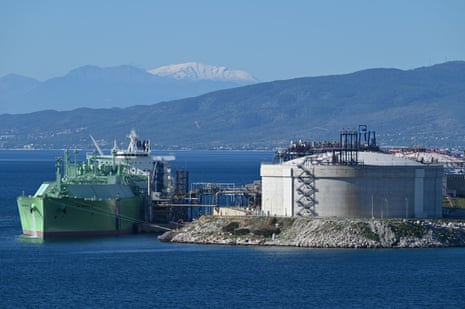
The agreement, however, did not come without concessions. Greece had vigorously upheld its veto during "heated" discussions on Wednesday, demanding an exemption from an earlier EU sanctions measure related to liquefied natural gas (LNG) transport. Athens ultimately secured a one-year exemption, allowing Greek shipping companies to transport LNG to non-EU countries, provided the contracts were signed before Russia’s full-scale invasion of Ukraine. This carve-out specifically protects Dynagas, a prominent Greek shipping firm specializing in transporting LNG from Russia’s Yamal fields, despite Greece having initially agreed to the phase-out measure in October 2025. This episode highlights the persistent challenge of maintaining full unity among EU members when national economic interests diverge, even in the face of a shared geopolitical adversary.
While the package marks a significant escalation, a proposed plan to formally ban Russian ex-combatants from entering the EU appears to have been delayed, with only a pledge to "bring forward the necessary measures." This suggests ongoing internal debates or practical complexities in implementing such a widespread travel restriction. The technical work for these sanctions will now be finalized, with a written procedure for their formal adoption expected to be launched later today, just before the European Parliament’s summer recess.
Google Slapped with Record €890 Million EU Fine Over Antitrust Violations
In a separate, but equally impactful development from Brussels, Google was hit with a staggering €890 million (£760 million) fine by the European Union for breaches of online competition laws related to its search and app store services. This marks another significant victory for the EU’s assertive regulatory approach towards global tech giants, particularly under the newly enforced Digital Markets Act (DMA). The fine comprises €460 million for search-related violations and €430 million for app store infringements.
The European Commission, the EU’s executive arm and chief antitrust enforcer, determined that Google had violated the DMA by unfairly favoring its own proprietary services in search results. This practice, often referred to as "self-preferencing," gives Google’s offerings, such as shopping comparisons and hotel deals, an undue advantage over those of its rivals, thereby stifling competition and limiting consumer choice. This has been a recurring concern for EU regulators, who argue that Google leverages its dominant position in search to promote its other services, creating a walled garden effect.
Furthermore, the Commission found that Google infringed the DMA by imposing restrictive terms on app developers within its Play Store ecosystem. Specifically, it prevented developers from "steering" consumers towards cheaper offers available on external websites or alternative app stores. This anti-steering provision limits developers’ ability to inform users about more cost-effective options, effectively trapping consumers within Google’s payment and pricing structures and further consolidating its market power.
EU tech spokesperson Thomas Regnier underscored the foundational principles guiding the Commission’s decision, stating during a midday briefing: "In the EU, businesses have the right to compete fairly. Gatekeepers have the obligation to ensure a level playing field, and consumers the right to choose for cheaper alternatives offers." This statement reiterates the EU’s commitment to fostering a competitive digital market where innovation can thrive without being overshadowed by the dominance of a few powerful platforms.

Google now has a 60-day window to comply with the DMA’s requirements and rectify the identified breaches. The company also retains the right to appeal the decision and can request interim measures, including a suspension of the ruling, while its appeal is heard. This legal battle is expected to be protracted, given Google’s history of contesting EU antitrust rulings. Previous major fines against Google include a €4.34 billion fine in 2018 for Android antitrust abuses and a €1.49 billion fine in 2019 for anti-competitive practices in online advertising.
The imposition of such a hefty fine is likely to reverberate beyond Europe. Politically, the decision is anticipated to strain relations with the United States, particularly with President Donald Trump, who has previously expressed strong opinions on EU regulatory actions against American tech companies. His "impulsive reactions," as one observer noted, could lead to renewed calls for protectionist measures or a re-evaluation of transatlantic digital policy cooperation. This fine sets a precedent for how the DMA will be enforced against other "gatekeeper" tech companies, potentially reshaping the global regulatory landscape for digital services and reinforcing the EU’s role as a global leader in tech regulation.
Political Turmoil Grips Ukraine as Calls Mount for Sacked Defence Minister’s Reinstatement
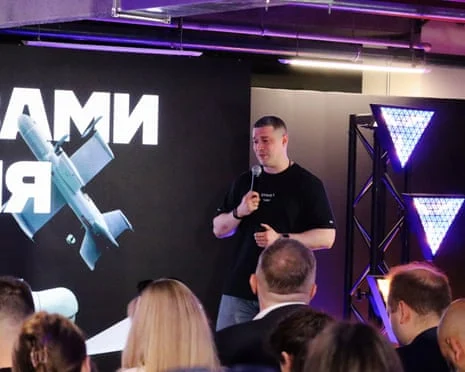
In Dnipro, Ukraine, President Volodymyr Zelenskyy faces intensifying domestic pressure following a significant reshuffle of his military leadership. Campaigners have pledged to continue "indefinite nationwide protests" until Mykhailo Fedorov, the recently sacked defence minister, is reinstated. This political crisis unfolds even as Ukraine continues to battle the full-scale Russian invasion, highlighting internal fragilities amidst external aggression.
The wave of public discontent gained momentum after Zelenskyy, bowing to popular demands, fired Ukraine’s commander-in-chief, Oleksandr Syrskyi, on Tuesday. Syrskyi’s dismissal marked a radical shake-up of the top military command, with Mykhailo Drapatyi appointed as the new head of the country’s armed forces. While this move aimed to appease public dissatisfaction with military leadership, it appears to have inadvertently fueled demands for Fedorov’s return.
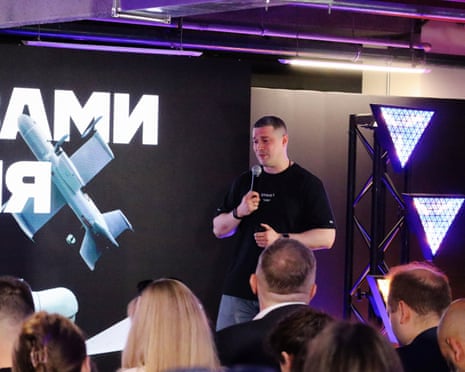
Fedorov, known for his ambitious plans to modernize and reform Ukraine’s army, has reportedly rejected an offer from Zelenskyy for a new government role as deputy prime minister for technological development. His refusal signals a clear intent to reclaim his former position, which he argues is the only platform from which he can effectively implement his vision for military transformation. However, the defence minister’s post is currently occupied by Yevhenii Khmara, a special forces commander appointed as acting minister, complicating Fedorov’s desired reinstatement.
The veteran Dmytro Koziatynsky, a prominent figure among the protestors, announced plans for a rally on Friday evening outside Zelenskyy’s presidential office in Kyiv’s Ivana Franka Square. Koziatynsky, articulating the core demand on social media, wrote: "We should not forget about the second demand of the protest – to return Mykhailo Fedorov to the position of minister of defence. We must do everything possible to ensure that the government hears and satisfies all the demands of society." This public mobilization suggests that Ukraine’s political crisis is likely to extend into a second week, posing a significant challenge to Zelenskyy’s authority and the stability of the wartime government.
The ongoing political infighting and leadership uncertainty come at a critical juncture for Ukraine. A stable and unified government, particularly within the defence sector, is paramount for maintaining public trust, securing international aid, and effectively coordinating military operations against Russia. The protracted nature of the war and the immense sacrifices made by the Ukrainian people amplify the stakes of this internal political struggle. The outcome of these protests and Zelenskyy’s response will undoubtedly have profound implications for Ukraine’s resilience and its ability to sustain its defence against external aggression.
US and Russia Hold Tense Talks Amid Ukraine War and Shifting Global Focus
In Manila, on the sidelines of an Asian summit, US Secretary of State Marco Rubio engaged in a "good, frank conversation" with his Russian counterpart, Foreign Minister Sergei Lavrov. This meeting, the first direct encounter between the two top diplomats since September 2025, occurred against a backdrop of the ongoing war in Ukraine and Washington’s increasingly diversified diplomatic focus, including growing concerns in the Middle East.

According to a readout from the Russian foreign ministry, Lavrov "stressed that it was unacceptable to continue supplying weapons to the Kyiv regime" during the meeting. He also condemned what he termed "a destabilising policy by European countries, which are still seeking to inflict a ‘strategic defeat’ on Russia." This Russian stance, consistent with its long-held narrative, signals Moscow’s continued frustration with Western military aid to Ukraine and its efforts to undermine Russia’s war economy.
Rubio, addressing reporters after the meeting, stated he did not recognize these specific Russian statements and affirmed that there has been "no change in US policy" regarding support for Ukraine. He acknowledged the grim reality of the conflict, describing the Russian invasion as "a very bloody war," noting that Russians are "suffering strikes deep in their territory; something you did not see at the end of the year." He also highlighted the immense toll on Ukraine, with "civilian deaths, strikes in Kyiv," and the impending winter challenges, asserting that "this war has not been good for Ukraine either."
The US Secretary of State reiterated Washington’s desire for a peaceful resolution, stating, "We want a peace deal. We want the war to end." He emphasized the need for "something that both Russia and Ukraine can agree to," acknowledging that previous efforts to mediate were "unsuccessful, at least unfruitful at the time." Rubio suggested that future peace would require "some new idea and some new concepts," expressing the US’s readiness to "offer some of those in the right setting and form if the opportunity presents itself and the conditions are right."
Rubio conveyed President Trump’s strong sentiment regarding the conflict, stating, "He thinks it’s a stupid war. He thinks it’s a senseless war." This characterization, while potentially simplifying the complex geopolitical dynamics, underscores a humanitarian concern for the casualties on both sides, with Rubio noting that "young Russians aren’t being killed at the tune of 5,000 a week in the battlefield." He affirmed that the US is "prepared to play whatever positive role we can to end the war" and will "use the power and influence of the United States to do so" if an opportunity arises.
Despite the renewed diplomatic engagement, the immediate prospects for a comprehensive peace deal remain uncertain. The deep-seated distrust between Moscow and Kyiv, coupled with fundamental disagreements over territorial integrity and security guarantees, presents formidable obstacles. While the US expresses a desire for peace, its continued military and financial support for Ukraine suggests a commitment to ensuring Ukraine can defend itself and negotiate from a position of strength. The meeting in Manila serves as a barometer of the strained yet indispensable communication channels between the world’s major powers, even as their focus partially shifts to emerging crises in other regions, such as the Middle East. The diplomatic tightrope walk continues, with little immediate indication of a breakthrough in the protracted conflict.
