
By Susan Mayne, Ph.D.
July 24, 2026
The current surge in cyclosporiasis cases serves as a stark, and for consumers, a deeply concerning, reminder of a fundamental truth in public health: food safety and nutrition are inextricably linked. This interdependence, often overlooked in policy discussions and public perception, is now being driven home with undeniable force. As former director of the Food and Drug Administration’s (FDA) Center for Food Safety and Applied Nutrition (CFSAN) from 2015 to 2023, I witnessed firsthand the complex interplay between these two critical pillars of a healthy population. My tenure at CFSAN solidified my conviction that to achieve meaningful improvements in public health, we must vigorously support and integrate both robust food safety protocols and sound nutritional guidance. The recent wave of illness, impacting thousands and causing widespread disruption, underscores the urgency of this message, extending its reach directly to consumers who are now grappling with the consequences of contaminated produce.
The FDA is currently investigating six distinct outbreaks of cyclosporiasis, a parasitic infection transmitted through contaminated food or water. While only one of these outbreaks is definitively linked to shredded iceberg lettuce at this time, the broader implications for fresh produce consumption are significant. Cyclospora, a microscopic parasite, thrives in environments that can also be conducive to the growth of bacteria and viruses. Fresh fruits and vegetables, long championed by nutritionists for their essential vitamins, minerals, and fiber, are particularly vulnerable to contamination from various sources, including contaminated water used for irrigation, improperly handled produce, or cross-contamination during processing and distribution.
This vulnerability has led to public health advisories cautioning consumers about the consumption of fresh produce. The immediate reaction on social media platforms has been telling, with sentiments ranging from a playful embrace of less healthy alternatives like "more pizza!" and "Oreos never gave me explosive diarrhea!" to more pointed criticisms of the food supply. This sentiment is not entirely new; even before the current cyclospora crisis, during outbreaks involving E. coli and romaine lettuce, many individuals expressed a preference for processed snacks over salads, citing perceived safety concerns. Such reactions highlight a growing disconnect between the public’s desire for nutritious food and their confidence in its safety, a gap that public health agencies and the food industry must work to bridge.
Identifying High-Risk Foods: A Foundation for Safety
The FDA has long been engaged in identifying foods that pose the highest risk for microbial contamination. This effort is a cornerstone of implementing the Food Safety Modernization Act (FSMA), a landmark piece of legislation enacted by Congress. As part of FSMA’s implementation, the FDA maintains a "Food Traceability List," which designates certain commodities that are subject to additional record-keeping requirements. These enhanced traceability measures are designed to facilitate rapid and efficient investigations when foodborne illness outbreaks occur, allowing investigators to quickly pinpoint the source of contamination and prevent further spread.
The list of foods subject to these enhanced traceability requirements includes a range of fresh produce items frequently recommended for a healthy diet: cucumbers, herbs, leafy greens, melons, peppers, sprouts, tomatoes, and other vegetables, as well as fresh-cut fruits. Notably, certain cheeses are also included on the list. It is important to clarify that while meat and poultry are also recognized as high-risk commodities for pathogens such as E. coli and Salmonella, they fall under the regulatory purview of the U.S. Department of Agriculture (USDA), and are therefore not included on the FDA’s list.
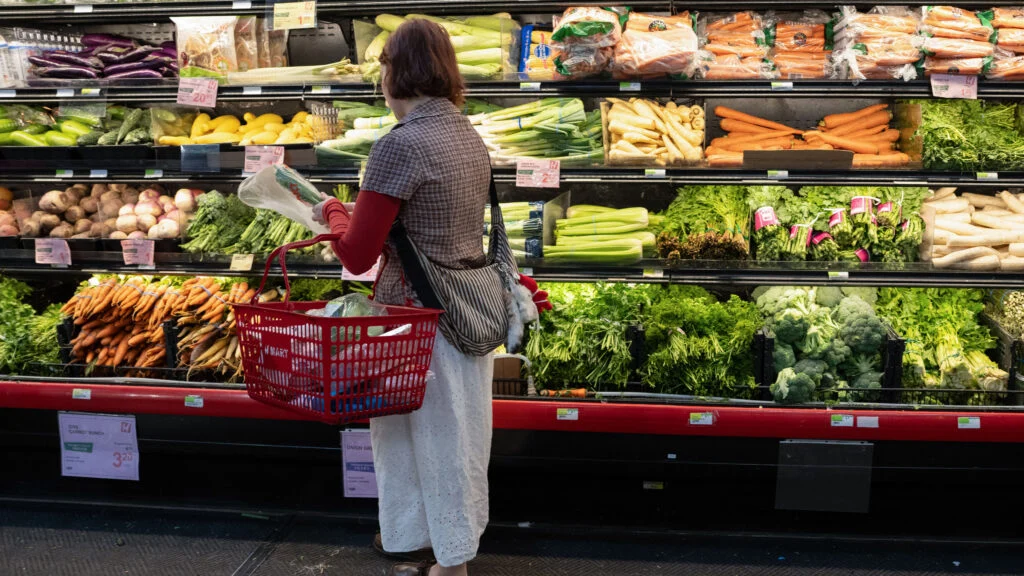
What these FDA-identified higher-risk foods share in common is their prominence in recommended healthy dietary patterns. They are precisely the kinds of "real foods" that government initiatives, including the current administration’s promotion of the Dietary Guidelines for Americans, advocate for to improve nutrition and reduce the risk of chronic diseases. This presents a significant paradox: the very foods that are crucial for long-term health are, by their nature, more susceptible to microbial contamination and require meticulous safety protocols throughout their journey from farm to table.
A Shifting Focus: From Microbes to Chemicals and Beyond
The current administration’s approach to food safety has, in recent years, appeared to pivot. Over the past 18 months, there has been a discernible emphasis on addressing chemical contaminants in food, with fewer resources and policy initiatives directed towards microbial safety. While vigilance against chemical hazards is undoubtedly important, this shift has occurred at a time when microbial threats, as evidenced by the cyclospora outbreaks, remain a significant and persistent challenge. The cumulative impact of various policy decisions and resource allocations, rather than any single action, can lead to a gradual weakening of the overall food safety system. This is a concern frequently raised in discussions about food safety policy, where the interconnectedness of various regulatory and operational elements creates a complex ecosystem that is susceptible to disruption.
Climate Change: An Accelerant to Food Safety Risks
Adding another layer of complexity to an already challenging landscape, the administration’s stance on climate change—characterized by some as dismissive of its severity—and supporting policies that could accelerate it, presents a grave concern for food safety. Scientific consensus indicates that a warming global climate, marked by rising temperatures and more frequent extreme weather events such as heavy rainfall and flooding, will inevitably exacerbate food safety risks. These environmental shifts can create more favorable conditions for the proliferation of pathogens and increase the likelihood of contamination events.
Furthermore, the destruction of food crops due to extreme weather leads to increased food waste. Food waste itself is a recognized contributor to global warming, creating a feedback loop that amplifies environmental challenges. For instance, the anticipated destruction of large quantities of lettuce from regions like Mexico, due to adverse weather or contamination, represents not only a loss of food but also a waste of the energy and resources invested in its production, processing, and international distribution. The subsequent disposal of contaminated product further adds to the environmental burden.
The Consumer Dilemma: Nutrition Versus Safety
The current cyclospora outbreak should serve as a critical wake-up call for all stakeholders, particularly federal leaders responsible for safeguarding public health. Consumers should not be forced to make a perilous trade-off between consuming nutritious foods and ensuring their safety. True public health is achieved when a robust food safety system instills consumer confidence, enabling them to freely choose and enjoy the abundance of fruits and vegetables that are vital for well-being. The notion that "real foods" are inherently less safe than processed alternatives is a dangerous misconception that the current food safety landscape is, unfortunately, reinforcing.
Background and Chronology of Cyclospora Outbreaks
Cyclospora is a microscopic, single-celled parasite that causes an intestinal illness called cyclosporiasis. The parasite is transmitted when a person ingests contaminated water or food, often produce that has been irrigated with or washed in contaminated water. Symptoms typically include diarrhea, loss of appetite, weight loss, cramping, bloating, gas, nausea, fatigue, and vomiting. Some people may experience fever. If left untreated, the illness can last for weeks or even months, and can be particularly severe for individuals with weakened immune systems.
Key Developments and Timeline:
- Past Decade: The U.S. has experienced recurrent outbreaks of cyclosporiasis, often linked to imported fresh produce, particularly berries, basil, and various vegetables like cilantro, bell peppers, and salad mixes. These outbreaks have highlighted vulnerabilities in the global food supply chain.
- Early 2020s: The FDA and other public health agencies have continued to monitor and investigate cyclosporiasis cases, issuing advisories and working with international partners to identify sources and implement preventative measures.
- 2024-2026 (Present Focus): The current period has seen a significant increase in reported cases, prompting the FDA to launch a multi-outbreak investigation. The FDA’s identification of six distinct cyclosporiasis outbreaks underscores the widespread nature of the problem.
- Specific Link to Shredded Iceberg Lettuce: While many outbreaks are linked to a variety of produce, the identification of one outbreak specifically tied to shredded iceberg lettuce draws attention to a common and widely consumed food item. This connection can have a disproportionate impact on consumer behavior due to the item’s prevalence in diets and food service.
- Consumer Reaction: The immediate aftermath of widespread illness advisories has seen a surge in online discussions, reflecting a growing anxiety about food safety and a potential shift away from fresh produce consumption, as noted by the author.
Supporting Data and Expert Analysis
The impact of foodborne illnesses extends beyond immediate health consequences, encompassing significant economic and social costs. According to the Centers for Disease Control and Prevention (CDC), an estimated 48 million people in the United States get sick each year from foodborne illnesses, resulting in approximately 128,000 hospitalizations and 3,000 deaths. The economic burden is substantial, with estimates suggesting that foodborne illnesses cost the U.S. economy billions of dollars annually due to healthcare expenses, lost productivity, and the cost of product recalls and investigations.
The specific pathogen, Cyclospora cayetanensis, presents unique challenges for detection and control. Its life cycle requires a period of environmental maturation outside the human host before becoming infectious, meaning that produce can be contaminated and then become infectious during transit or storage. This complexity makes traceback investigations more difficult and highlights the need for comprehensive preventative measures at every stage of the food supply chain.
Broader Implications and Future Outlook
The current cyclospora outbreaks, coupled with the author’s insights, paint a picture of a food safety system under strain. The interdependence of nutrition and safety means that any erosion of consumer confidence in the safety of healthy foods can have cascading negative effects on public health. If consumers, driven by fear of illness, opt for less nutritious processed foods, the long-term consequences could include increased rates of obesity, diabetes, cardiovascular disease, and other chronic conditions.
The FDA’s role in maintaining consumer confidence is paramount. This requires not only robust enforcement of existing regulations but also proactive strategies to address emerging threats, including those posed by climate change and shifts in regulatory focus. The author’s experience at CFSAN provides a valuable perspective on the need for a holistic approach that prioritizes both microbial and chemical safety, recognizing that a strong food safety foundation is essential for the successful promotion of healthy eating habits.
Moving forward, sustained investment in food safety infrastructure, advanced surveillance technologies, and international cooperation will be critical. Furthermore, clear and consistent communication from public health agencies is vital to educate consumers about the risks and benefits associated with different food choices, and to rebuild trust in the safety of nutritious produce. The current administration, and indeed all future leadership, must recognize that safeguarding the food supply is not merely a regulatory function but a fundamental public health imperative that underpins the well-being of the nation. The message from the current outbreaks is unequivocal: the pursuit of better nutrition cannot come at the expense of basic food safety.
Susan Mayne, Ph.D., is an adjunct professor at the Yale School of Public Health and previously served as director of the FDA’s Center for Food Safety and Applied Nutrition from 2015 to 2023. This analysis expands upon her insights originally published on her Substack platform.
