Integrating humor into the pedagogical framework of history education serves as a sophisticated tool for increasing student engagement, retention, and critical thinking. Educators are increasingly utilizing "history-themed" humor to bridge the gap between abstract, distant chronological events and the lived experiences of students. While historical inquiry is fundamentally a serious academic discipline, the application of wit, puns, and wordplay can act as a cognitive hook, fostering a more accessible and inclusive classroom environment.
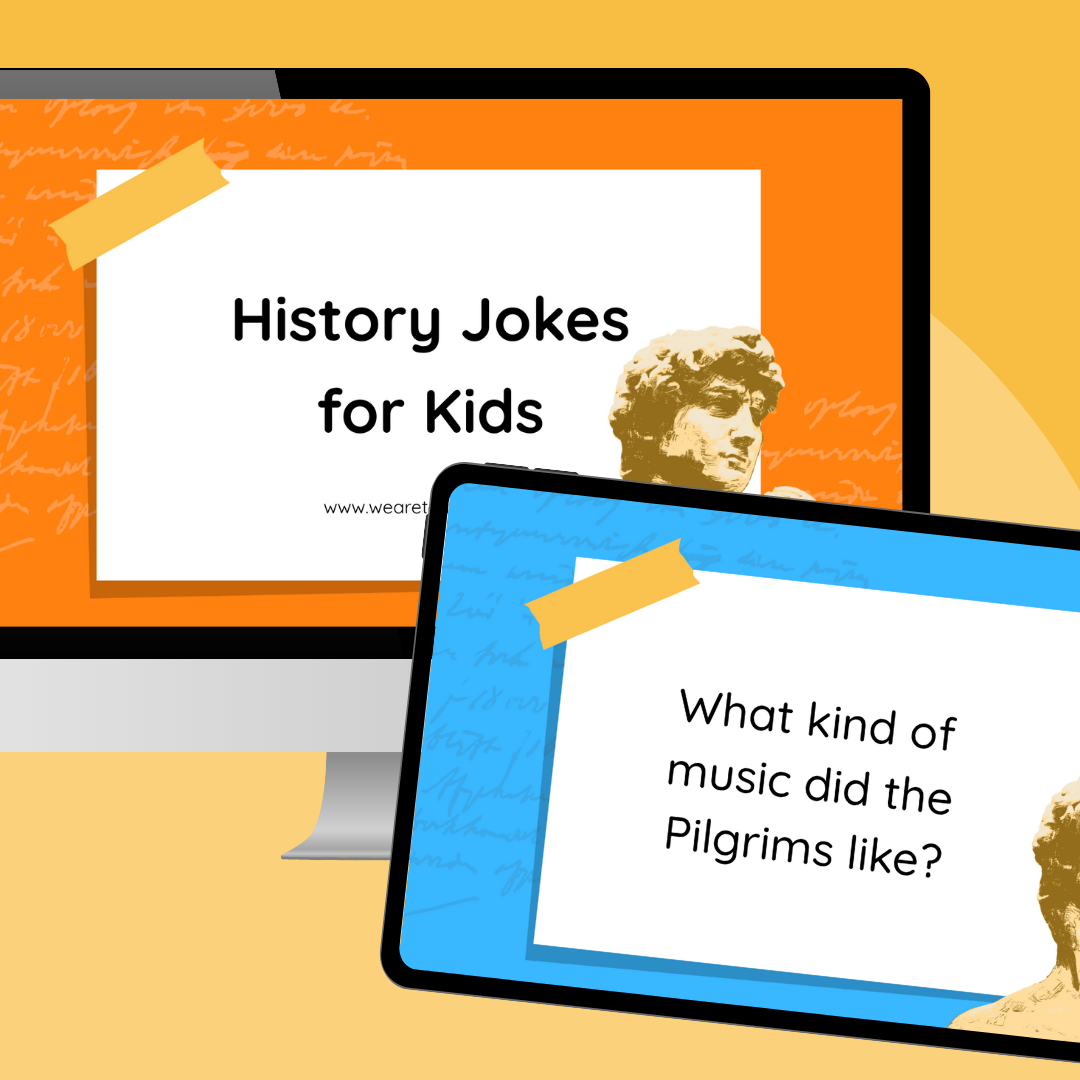
The pedagogical utility of humor lies in its ability to reduce the anxiety often associated with memorizing dates, figures, and complex geopolitical transformations. By recontextualizing historical figures or events through the lens of irony or linguistic play, teachers can create a "mnemonic anchor"—a mental touchpoint that makes information easier to recall during assessments.

The Role of Humor in Cognitive Retention
Educational psychology suggests that the "humor effect" aids memory by inducing positive emotional states, which facilitate the encoding of information into long-term memory. When a student encounters a joke about a historical figure, such as George Washington or a specific event like the Boston Tea Party, the absurdity or cleverness of the punchline forces the brain to process the historical context in a non-traditional way.
For instance, jokes regarding the American Revolutionary War—such as those centered on the "Founding Feathers" or the "Tea-rrific" nature of the Boston Tea Party—provide a lighthearted entry point into the socioeconomic grievances that fueled the conflict. These anecdotes do not replace the rigorous study of taxation without representation, the Stamp Act, or the Intolerable Acts; rather, they serve as a pedagogical supplement to encourage students to engage with the material on a more personal level.
A Chronological Survey of Historical Humor
To maximize the efficacy of these tools, educators are encouraged to organize humor by historical era. This approach ensures that the levity remains tethered to the curriculum’s timeline.

Ancient Civilizations
The study of antiquity often feels remote to K-12 students. Jokes involving the Roman Empire or Ancient Egypt—such as references to "Julius Sneezer" or the "Mummy" as a play on words—humanize figures who are otherwise relegated to stone busts and dusty textbooks. These jokes serve as a bridge to discussing the architectural, political, and cultural contributions of these societies, such as the Roman road systems or the complex burial rituals of the Nile Valley.

The Middle Ages and Medieval Period
The medieval period is often defined by a rigid social hierarchy and the rise of feudalism. Utilizing humor about "knights," "Sir Cumference," or the "Dark Ages" allows for a discussion on the realities of medieval warfare, the role of the clergy, and the invention of early technologies. When students laugh at the concept of "chain mail" as a pun for postal services, they are simultaneously being introduced to the reality of armor construction and the logistical challenges of medieval communication.
The Modern Era and Global Conflicts
Modern history, particularly the World Wars and the Cold War, requires a delicate touch. While the events are inherently tragic, historical humor in this context focuses on the absurdity of geopolitical posturing or the technological advancements of the era. Jokes regarding the "Cold War" or the "Berlin Wall" emphasize the ideological divide without trivializing the human cost. For example, discussing why the Berlin Wall fell—beyond the physical infrastructure—leads naturally into a broader conversation about the failure of state-controlled economic systems and the desire for democratic self-determination.
Pedagogical Implementation Strategies
The strategic implementation of these jokes requires more than simply reading them aloud. To turn humor into a formal learning experience, educators can employ the following strategies:
- The "Hook" Method: Use a relevant history joke at the beginning of a lesson to introduce a topic. If the lesson is about the American Revolution, starting with a joke about King George III can pique student interest and set a collaborative tone for the day’s lecture.
- Student-Led Synthesis: Challenge students to write their own historical puns based on the primary source documents they are analyzing. This requires them to understand the core facts of the historical event to make the joke "work," thereby demonstrating mastery of the material.
- Contextual Debriefing: After sharing a joke, immediately transition to the underlying historical reality. A joke about the "Declaration of Independence" having "too many acts" serves as a perfect segue into a lecture on the legislative history of the 18th century and the specific grievances listed in the document.
Data-Driven Insights on Student Engagement
Recent trends in classroom management suggest that student engagement drops significantly after 15 to 20 minutes of uninterrupted direct instruction. Incorporating humor acts as a "brain break," providing a necessary shift in cognitive load. This is supported by studies in instructional design which indicate that learners are more likely to participate in class discussions when the atmosphere is perceived as "psychologically safe."
In a classroom where a teacher is willing to use humor, students often feel more comfortable asking clarifying questions. This reduction in the "fear of being wrong" is essential for historical analysis, where interpretations of events are often debated and nuanced.
Limitations and Professionalism
While humor is a valuable asset, it must be used with professional discretion. Jokes should never minimize the suffering of marginalized groups or trivialize the gravity of human rights abuses, genocide, or systemic inequality. The goal is to make the subject matter approachable, not to turn history into a caricature.

Furthermore, historical jokes are most effective when they reflect a baseline of accuracy. For example, a joke about a "Punn-sylvanian" should be accompanied by a brief lesson on the colonial history of Pennsylvania and its role as a hub for the Enlightenment in America. By maintaining this standard of accuracy, the humor remains an educational asset rather than a distraction.
The Broader Impact on Historical Literacy
The long-term goal of any history curriculum is to foster historical literacy—the ability to read, analyze, and synthesize information about the past to better understand the present. Humor is not a replacement for this; it is a catalyst. When students connect with the "human" element of history through humor, they are more likely to seek out deeper, more complex narratives.

Ultimately, the goal is to move students from memorizing dates and names to understanding the motivations, mistakes, and triumphs of the people who came before them. By blending the rigor of academic inquiry with the joy of wit, educators can cultivate a classroom that values both the serious nature of historical truth and the inherent humanity of the subjects being studied. As the field of education continues to evolve, the integration of lighthearted content, when used with precision and intent, will remain a cornerstone of effective teaching, helping to ensure that the study of the past remains a vibrant and essential part of the future.