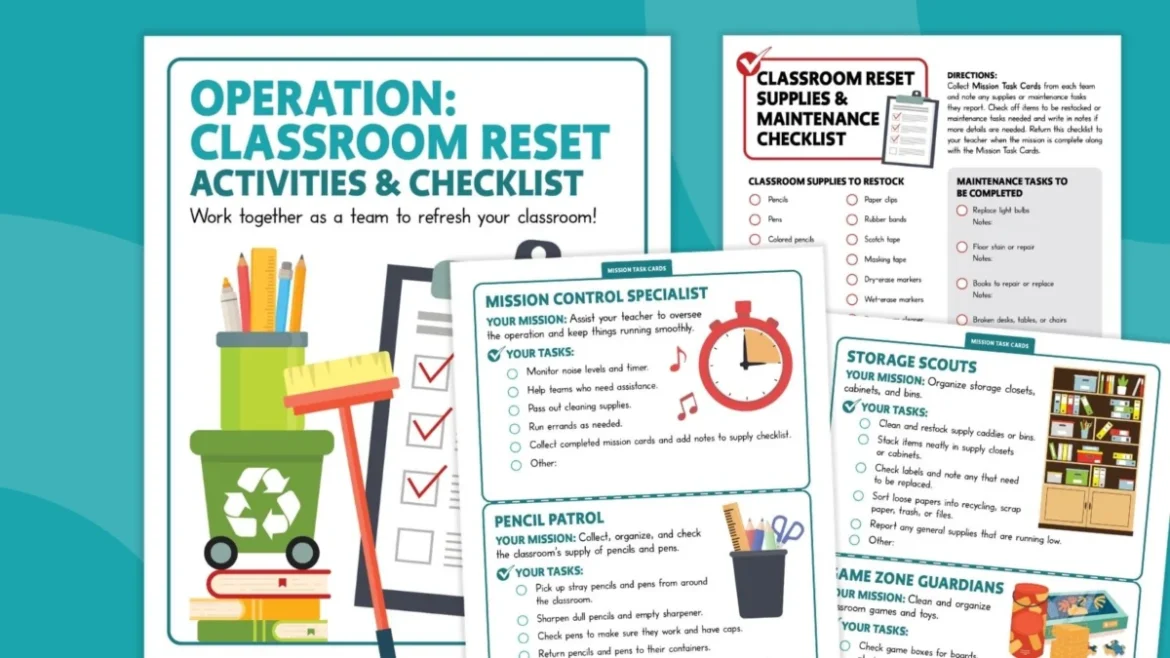
The end of a school term often brings a unique set of challenges for educators, primary among them the daunting task of auditing classroom supplies, conducting necessary repairs, and organizing learning materials that have been scattered over months of instruction. Recognizing the burden this places on school staff, a new initiative titled Operation: Classroom Reset has been introduced to transform the traditional, solitary cleanup process into a collaborative, team-based activity that engages students while optimizing the learning environment. By integrating gamification strategies into school management, this resource aims to alleviate administrative stress while fostering a sense of shared responsibility among students for their educational space.
The Evolution of Classroom Management
Historically, classroom maintenance and organization have been viewed as the sole responsibility of the teacher, often performed during unpaid hours before or after the academic school year. According to surveys conducted by the National Education Association, the average teacher spends over $800 annually on classroom supplies, with a significant portion of their time dedicated to inventory management and organization. The accumulation of paper, art supplies, and instructional materials often leads to physical clutter, which research from the University of Salford indicates can impact student academic performance by up to 16% due to distractions and lack of accessibility.
Operation: Classroom Reset shifts this paradigm by distributing the workload. By empowering students to take an active role in the stewardship of their classroom, educators are not only reclaiming their time but are also teaching organizational skills and environmental responsibility. This approach aligns with contemporary educational models that emphasize "student-led environments," where learners feel a sense of ownership over the physical space they inhabit for the majority of their day.
Anatomy of the Operation: Classroom Reset Initiative
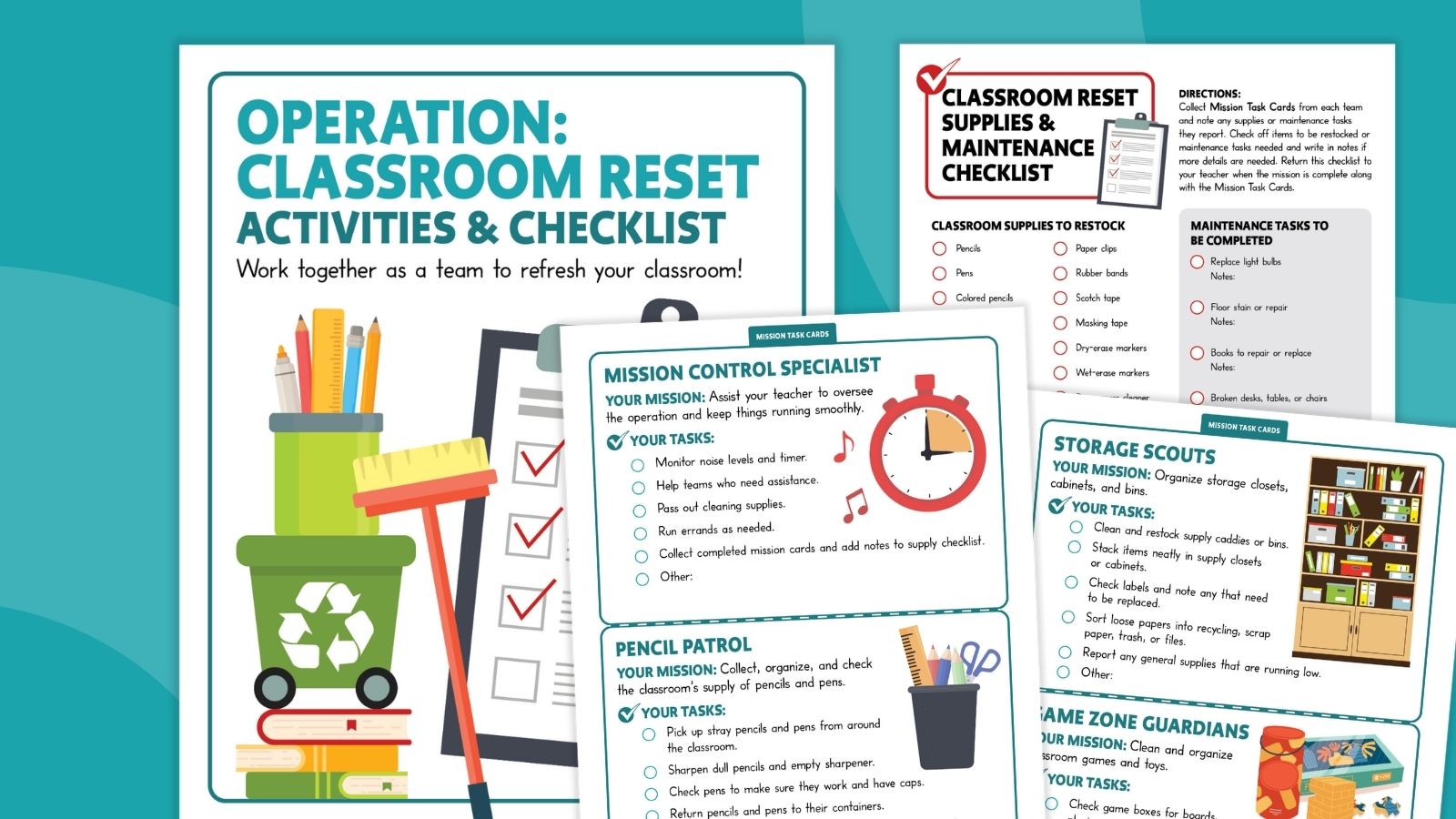
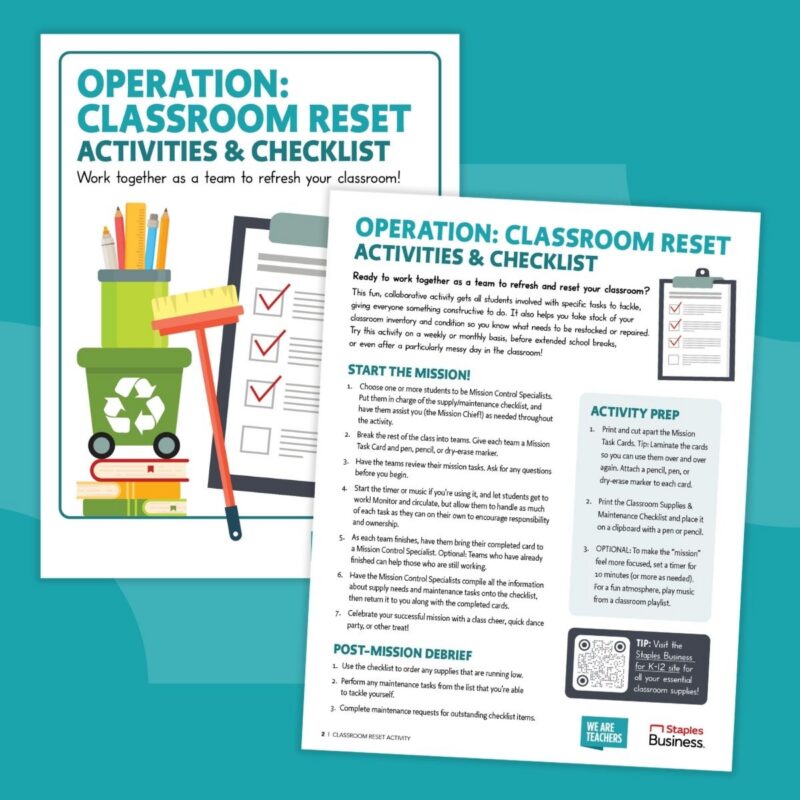
The program is structured as a modular, printable kit that provides a systematic framework for classroom reorganization. The primary components of the initiative include:
- The Teacher Guide: This document serves as the operational manual, providing a chronological workflow for initiating the cleanup. It outlines how to define the "mission parameters," organize student teams, and conduct an audit of classroom infrastructure.
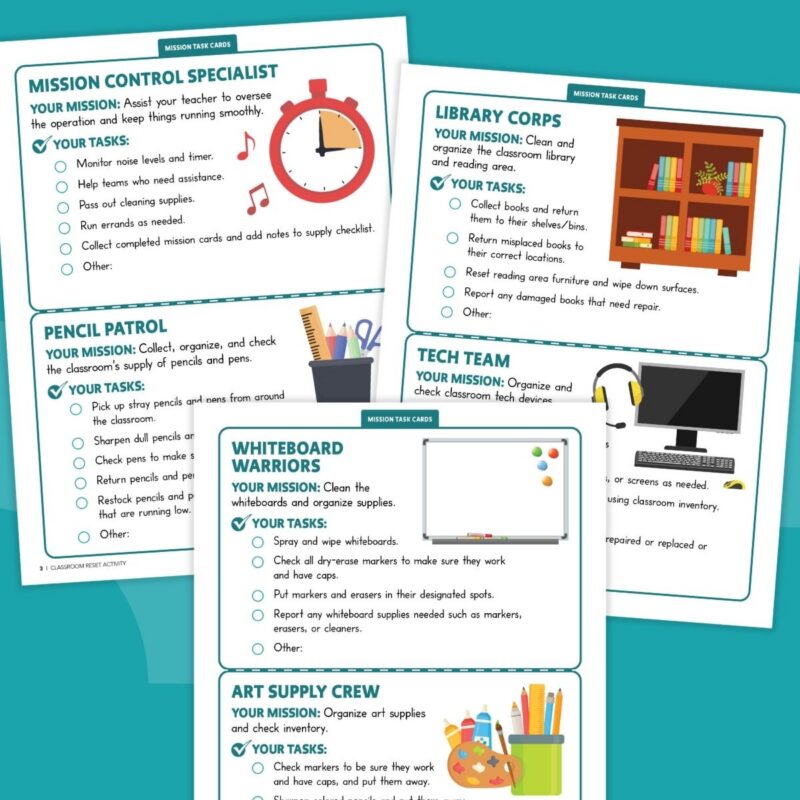
- Mission Task Cards: These act as the primary directive for students. Each team is assigned a specific zone or category of items, such as the library, supply closets, or communal desks. These cards serve a dual purpose: they provide clear instructions to prevent chaos and include designated spaces for students to report missing or damaged items, such as dry-erase markers that have dried out or broken furniture.
- Supply & Maintenance Checklist: This is the administrative backbone of the operation. It provides a structured list for teachers to track inventory deficits and record specific maintenance tasks—such as replacing lightbulbs or repairing storage units—that require school facilities intervention.
A Chronology of Implementation
The implementation of this initiative is designed to be executed in three distinct phases:

- Phase One: The Briefing (Preparation): Before engaging students, the teacher must review the classroom layout to identify high-traffic zones and areas in need of deep cleaning. During this phase, the teacher prints and organizes the Mission Task Cards and ensures that necessary cleaning supplies—such as disinfectant wipes, labels, and storage bins—are readily available.
- Phase Two: The Mission (Execution): During the activity, the classroom is divided into specialized teams. Each team operates independently, following the instructions on their Mission Task Cards. This phase typically lasts between 45 and 90 minutes. The teacher assumes the role of "Mission Control," rotating between teams to provide guidance and ensure that safety protocols are followed.
- Phase Three: The Debrief (Inventory and Follow-up): Once the tasks are completed, the teacher collects the checklists from each team. This data is consolidated into a master list, which the teacher then uses to submit requests for new supplies or notify school maintenance staff about structural repairs. This final step is crucial, as it transforms the cleanup from a one-time event into a sustainable organizational strategy.
Supporting Data and Educational Impact
The decision to implement a gamified cleanup strategy is supported by behavioral psychology principles. Gamification—the application of game-design elements in non-game contexts—has been shown to increase engagement and motivation. In a school setting, framing a mundane task as a "mission" changes the student’s perception of the work. Instead of being viewed as a chore, the organization of materials becomes a challenge to be conquered.
Furthermore, the logistical benefits are quantifiable. By utilizing student teams to identify low-stock items (e.g., glue sticks, construction paper, or printer ink), teachers can generate an accurate procurement list in a fraction of the time it would take to perform an individual audit. This efficiency is critical in budget-constrained school districts, where tracking inventory accurately can prevent redundant spending on supplies that are already in stock but misplaced.
Perspectives on Collaborative Stewardship
While the primary objective of Operation: Classroom Reset is logistical, many educators who have piloted similar programs report secondary benefits. "There is a noticeable shift in student behavior when they are invited to care for their room," notes one curriculum developer involved in the program’s design. "When students realize that a well-organized classroom makes their own learning experience smoother, they become more conscientious about how they use materials throughout the year."
From an administrative standpoint, the program also provides a paper trail for maintenance needs. When students document that a chair is broken or a storage shelf is wobbly, the teacher has a concrete record to present to the facilities department. This helps in prioritizing repairs and ensures that potential safety hazards are identified and addressed proactively rather than reactively.
Broader Implications for School Culture
The ripple effects of a well-organized classroom extend beyond mere tidiness. A decluttered environment is consistently linked to higher levels of focus and lower levels of stress among both students and faculty. By integrating the cleanup process into the curriculum, schools can model professional organizational habits that serve students well beyond the classroom walls.
Moreover, the initiative addresses the growing concern of teacher burnout. By delegating organizational tasks, educators are given the mental bandwidth to focus on more complex instructional design and assessment. The "Mission" theme encourages a collaborative spirit, reinforcing the idea that the school is a community effort where every participant has a role to play in the upkeep of their shared environment.
Conclusion and Future Outlook
As educational institutions continue to face pressure to do more with less, programs that maximize existing resources through collaborative efforts will become increasingly vital. Operation: Classroom Reset is not merely a cleanup tool; it is a systematic approach to inventory management and student engagement. By transforming the end-of-term transition into an organized, gamified process, educators can close the gap between the chaotic reality of a busy school year and the orderly environment required for high-quality instruction.
For schools looking to implement this system, the scalability of the program—which allows it to be adapted for grade levels ranging from elementary to high school—makes it a versatile addition to any school’s operational toolkit. As the educational landscape evolves, the success of such initiatives will likely rely on the continued willingness of teachers to empower their students as partners in the management of their shared academic experience. Through structured collaboration and the systematic identification of supply and maintenance needs, teachers can ensure that their classrooms remain hubs of productivity, efficiency, and discovery.