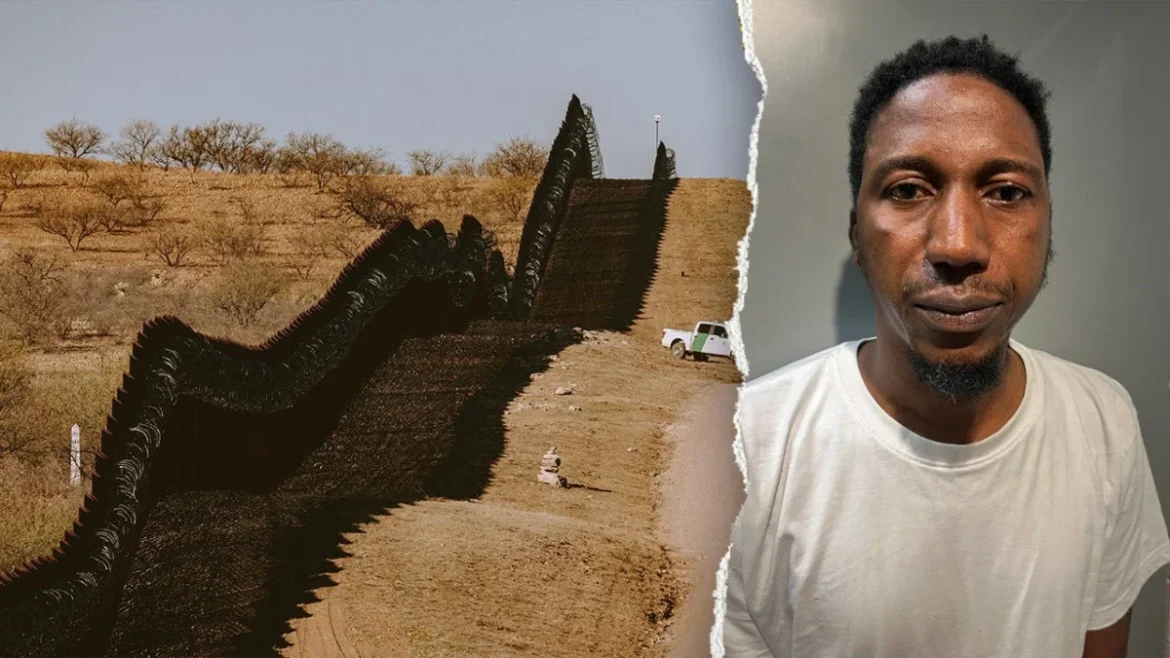
The Department of Homeland Security has confirmed the arrest of an undocumented immigrant and rideshare driver who is currently facing multiple felony charges, including first-degree rape and kidnapping, following an alleged attack on an underage female passenger in Maryland. The suspect, identified as 33-year-old Abdoulaye Dia, a citizen of Guinea residing in Lanham, Maryland, was taken into custody by local law enforcement following a coordinated investigation that utilized digital footprints from the rideshare platform he utilized.
According to federal immigration officials and local police records, the case has ignited broader conversations regarding cross-jurisdictional criminal history tracking, immigration enforcement protocols, and the safety vetting processes utilized by alternative transportation network companies. The incident underscores ongoing policy debates surrounding how individuals with prior domestic arrests navigate municipal and state justice systems, particularly when those individuals entered the country through recent humanitarian or border parole mechanisms.
Chronology of Events and Police Investigation
The sequence of events leading to Dia’s arrest began on a Tuesday when Montgomery County Police officers were dispatched to a regional hospital following an emergency call. An underage female victim had arrived at the medical facility accompanied by a guardian or medical staff to report that she had been sexually assaulted.
According to preliminary statements provided to investigators by the victim, she had hailed a vehicle using the Empower rideshare application. During the course of the trip, instead of proceeding directly to the intended destination, the driver allegedly diverted the vehicle to an isolated commercial parking lot located in Silver Spring, Maryland. It was within the confines of this location that the driver allegedly subjected the teenage passenger to physical violence and sexual assault.
Following the report, Montgomery County detectives initiated an immediate investigation, collaborating with digital forensics teams and representatives from the rideshare platform to identify the vehicle and the operator. Data retrieved from the application matched the vehicle description and user profile to Abdoulaye Dia. Armed with this information, local authorities located and apprehended Dia on Wednesday, placing him into custody without significant incident.
Formal Charges and Prior Legal History
Upon his arrest, local prosecutors and law enforcement officials filed a comprehensive slate of felony charges against Dia. The charges officially registered in Montgomery County District Court include first-degree rape, kidnapping, second-degree assault, and a third-degree sexual offense. If convicted on the primary counts, Dia faces the possibility of serving multiple decades in state prison.
However, the gravity of the Maryland indictment was compounded shortly after his arrest when the Department of Homeland Security released details regarding Dia’s prior criminal encounters in the state of New York. According to a DHS spokesperson, Dia was previously arrested in New York City on June 10 on a distinct set of serious allegations.
The New York charges included sexual abuse by forcible compulsion, forcible touching of the intimate or sexual parts of another person, acting in a manner injurious to a child less than 17 years of age, and sexual abuse committed without the consent of the victim. Despite these pending allegations in New York City, federal officials have not yet detailed the exact mechanisms of his release or whether local judicial authorities in New York had imposed electronic monitoring or pretrial supervision prior to his relocation to Maryland.
Immigration Status and Federal Entry Timeline
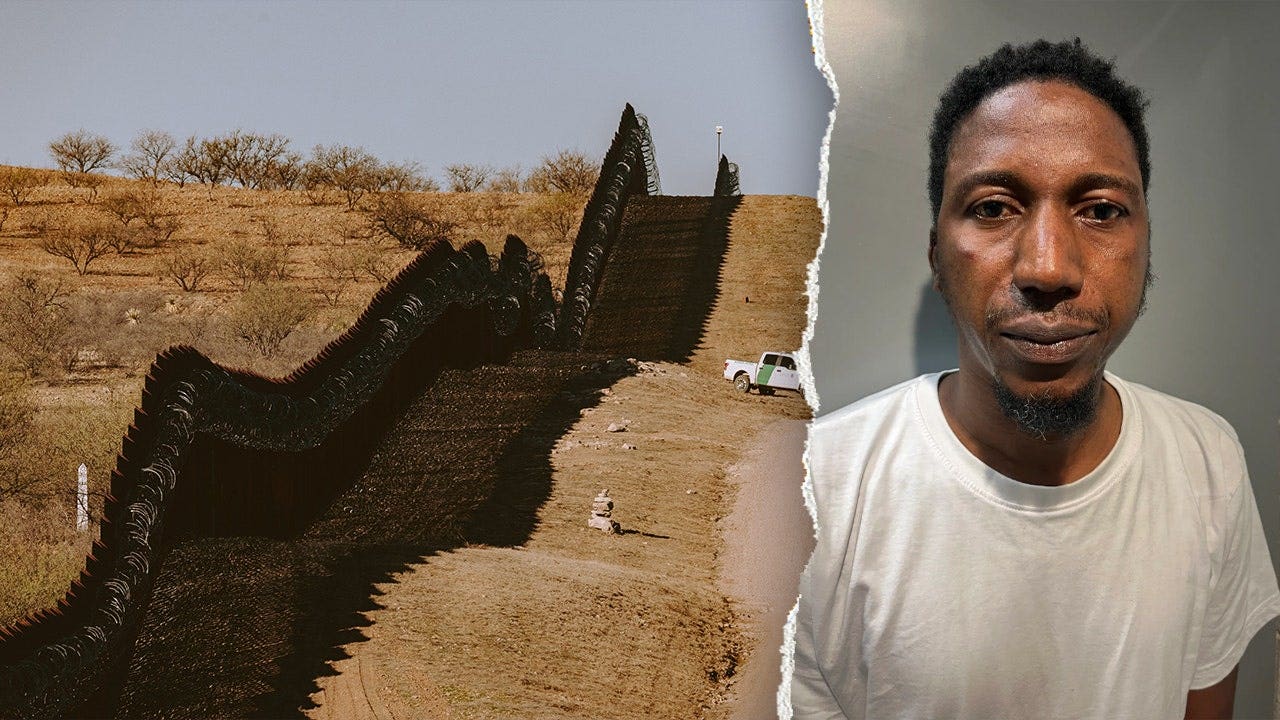
The Department of Homeland Security has confirmed that Dia is a national of the West African nation of Guinea who lacks lawful status to remain in the United States. According to federal immigration tracking databases, Dia crossed the U.S.–Mexico border near Arizona in December 2023.
Upon his arrival, Dia was processed by U.S. Customs and Border Protection (CBP). Consistent with enforcement priorities and operational protocols in place during that period, he was released into the interior of the United States pending future immigration court proceedings. The revelation of his entry path and subsequent release has intensified scrutiny from congressional critics and immigration enforcement advocates who argue that porous screening and lax interior enforcement protocols allow individuals with dangerous tendencies to blend into local communities undetected.
Federal immigration authorities have placed an administrative detainer on Dia with the Montgomery County detention center, requesting that local jail officials notify ICE prior to any potential release, bail posting, or transfer, thereby ensuring that federal agents can assume custody of the suspect for deportation proceedings should state criminal proceedings conclude without a lengthy incarceration.
Rideshare Industry Vetting and Public Safety Concerns
The arrest of an active rideshare driver facing active criminal counts in multiple states has placed intense pressure on transportation network companies to re-evaluate their background check procedures. While major transportation giants like Uber and Lyft utilize third-party screening services that conduct annual criminal history checks and driving record reviews, smaller or alternative platforms—such as Empower, which operates on a peer-to-peer subscription or software-licensing model—often utilize different onboarding frameworks.
Security analysts point out that background checks are fundamentally limited by the speed and accuracy of reporting databases. An arrest that occurs in one state—such as New York—may not immediately populate across regional law enforcement databases or commercial background screening platforms before an individual is permitted to begin accepting fares in a neighboring jurisdiction like Maryland. This information lag presents a persistent vulnerability for consumers who rely on app-based transportation services under the assumption that rigorous, real-time safety vetting has been performed on every active driver.
Advocates for passenger safety have repeatedly called for standardized federal and state regulations mandating continuous criminal monitoring for all commercial drivers, ensuring that any new arrest anywhere in the country immediately triggers an automated suspension of a driver’s account privileges.
Broader Implications and Official Responses
As the legal proceedings against Abdoulaye Dia progress through the Maryland state court system, the case has become a focal point in the broader national debate concerning public safety, border security, and the enforcement of immigration laws.
Local officials in Montgomery County have emphasized their commitment to pursuing justice for the victim through a thorough prosecution of the violent felonies charged. Meanwhile, federal immigration authorities continue to highlight the case as an example of the risks associated with the interior release of undocumented individuals who subsequently encounter the criminal justice system.
Legal experts note that Dia’s case will likely navigate a complex procedural path, involving parallel tracks: the state-level prosecution for the violent felonies alleged in Maryland, potential extradition or legal resolution regarding his prior charges in New York, and the ultimate enforcement of federal immigration removal orders once local legal liabilities are resolved. As public scrutiny remains high, representatives for the rideshare platform and local law enforcement agencies are expected to face additional questioning regarding accountability, safety protocols, and the prevention of similar incidents in the future.