
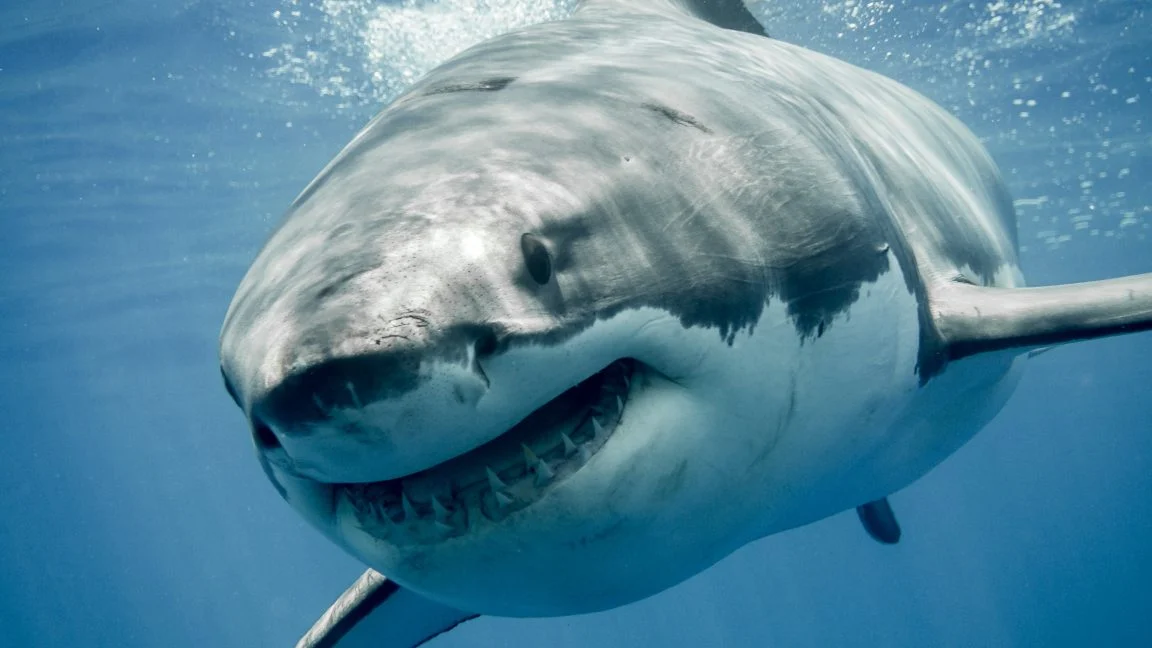
The delicate balance of marine ecosystems, particularly those in South Africa, is facing unprecedented disruption as ocean temperatures rise and fishing practices continue to exert immense pressure on apex predators. Recent research highlights the physiological vulnerability of mesotherms – animals that maintain a body temperature warmer than their surroundings – to a warming climate, pushing them closer to their thermal limits. This phenomenon, coupled with persistent threats from overfishing and bycatch, paints a grim picture for iconic species like the great white shark, which plays a crucial role in maintaining ocean health.
The Heat is On: Mesotherms at the Brink
For species like great white sharks, which are mesotherms, even slight increases in ocean temperature can have significant consequences. Edward Snelling, a physiologist at the University of Pretoria and co-author of a recent study, explains the profound impact. "These species are being pushed closer to their physiological limits, which could have consequences for where they can live and how they survive," Snelling stated in a press release. "These animals are already operating on a tight energy budget, and climate change is narrowing their options even further."
The research, which involved attaching tiny sensors to a variety of fish, including basking sharks weighing over three tons, provided real-time data on their heat production and loss. The findings revealed that a one-ton warm-blooded shark might struggle to remain in waters above 62.6 degrees Fahrenheit (17 degrees Celsius) without expending significant energy on thermoregulation. The discovery of these "hidden heat budgets" is deemed critical for any effective conservation strategies and for mapping out essential protected areas for these vulnerable species.
The Great White Shark: A Sentinel of Ocean Health in South Africa
In South Africa, the fate of the great white shark carries not only ecological but also significant cultural weight. These apex predators have become what marine conservation researcher Stephanie Nicolaides from the University of the Western Cape describes as a "sentinel species." Their presence and behavior serve as an indicator of the broader health of the marine ecosystem. "Many local and international conservation narratives now position the great white not as a villain, but as a keystone species essential to maintaining ocean health," Nicolaides commented.
Historically, great white sharks have been sensationalized as fearsome predators. However, their role has evolved, and they are now increasingly recognized as icons of marine conservation and a draw for eco-tourism. Their declining numbers in key South African bays like False Bay, Mossel Bay, and Gansbaai are a cause for concern, signaling a potential imbalance in the marine food web.
A Multifaceted Threat: Beyond Thermal Relocation
While the impact of thermal relocation due to warming waters is a significant factor, the decline in great white shark sightings is not solely attributed to climate change. Researchers and conservationists point to a confluence of man-made pressures that have historically impacted shark populations. These include a legacy of overfishing, the detrimental effects of shark netting, and ongoing habitat destruction.
The study acknowledges that warming waters exacerbate the vulnerability of mesotherms globally. However, it strongly emphasizes that other human-induced harms pose the most immediate and acute dangers. Speaking on the urgency of the situation, a researcher named Payne (affiliation not specified in the provided text, but implied to be part of the research team) stated, "If we had to say what is the one thing that we need to urgently address for these animals, it’s the fishing problem." Payne elaborated, "The most acute, urgent crisis these animals face is from overfishing, and particularly now from bycatch."
The Devastating Impact of Bycatch
Bycatch, the unintentional capture of non-target species by commercial fishing operations, represents a critical threat to marine biodiversity. This practice involves the use of massive nets or long lines, often adorned with thousands of baited hooks, which indiscriminately ensnare a wide array of marine life. This includes not only sharks but also turtles, dolphins, seabirds, and numerous fish species, many of which are then discarded, dead or dying, back into the ocean.
The sheer scale of bycatch is staggering. Globally, estimates suggest that bycatch accounts for a significant portion of total marine catch, with some studies indicating it can be as high as 40% of the world’s fisheries. For species like great white sharks, which have slow reproductive rates and long lifespans, the impact of even small numbers being caught as bycatch can have a disproportionately large effect on population recovery.
A Historical Echo: The Megalodon Precedent
The current plight of mesotherms facing warming oceans is not without historical precedent. Paleontological evidence offers a grim glimpse into the past vulnerability of large, warm-bodied species to significant shifts in ocean temperatures. The fossil record of the extinct Megalodon shark, a colossal predator that once roamed the oceans and reached lengths of nearly 60 feet, suggests it suffered immensely during periods of past ocean warming. These ancient giants likely struggled to find sufficient prey to fuel their massive metabolic needs in warmer waters, leading to their eventual extinction.
This historical parallel underscores the profound physiological challenges faced by large, endothermic or mesothermic marine animals when confronted with rapid environmental change. Their high energy requirements make them particularly susceptible to disruptions in food availability, which often accompany climate-induced shifts in prey distribution and abundance.
Unprecedented Speed of Change: Alarming Signals for Marine Life
The current pace of ocean change is unprecedented in recent geological history. "Today’s oceans are changing at unprecedented speeds," emphasized Payne. "The alarm bells are ringing loudly at this point." This rapid alteration of marine environments poses a severe challenge to species that have evolved over millennia to adapt to more stable conditions.
The implications of these findings extend far beyond the great white shark. The disruption of apex predator populations can trigger cascading effects throughout the entire marine food web. This can lead to imbalances in prey populations, changes in habitat structure, and ultimately, a decline in overall marine biodiversity and ecosystem resilience.
Broader Ecological and Economic Implications
The consequences of these ongoing environmental shifts are multifaceted and far-reaching. Ecologically, the decline of keystone species like the great white shark can lead to trophic cascades, where the removal of a top predator causes a significant increase in the populations of its prey, which in turn can overgraze on lower trophic levels. This can fundamentally alter the structure and function of marine ecosystems.
Economically, the impact on fisheries is substantial. As fish stocks become more unpredictable due to climate change and overfishing, the livelihoods of coastal communities that depend on these resources are threatened. Furthermore, the degradation of marine ecosystems can diminish the value of services they provide, such as carbon sequestration and coastal protection.
From a conservation perspective, the research highlights the urgent need for a multi-pronged approach. This includes:
- Aggressive Climate Change Mitigation: Addressing the root cause of ocean warming through global efforts to reduce greenhouse gas emissions is paramount.
- Sustainable Fisheries Management: Implementing and enforcing stricter regulations on fishing practices, including significant reductions in bycatch, is crucial. This may involve the adoption of more selective fishing gear and the establishment of marine protected areas where fishing is restricted or prohibited.
- Enhanced Monitoring and Research: Continued investment in research to understand the physiological limits and ecological roles of vulnerable species is essential for developing effective conservation strategies.
- International Cooperation: Given the migratory nature of many marine species, international collaboration is vital for coordinated conservation efforts and the establishment of transboundary protected areas.
The Path Forward: A Call for Urgent Action
The findings of this research serve as a stark warning. The interconnected threats of climate change and unsustainable fishing practices are pushing some of the ocean’s most iconic and ecologically vital species towards a precipice. The story of the great white shark in South Africa is a microcosm of a global crisis unfolding in our oceans. As Payne aptly put it, "The alarm bells are ringing loudly at this point." The time for decisive and collective action to safeguard these invaluable marine ecosystems is now, before further irreversible damage is inflicted. The scientific community is providing the evidence; the challenge lies in translating this knowledge into meaningful policy and conservation action on a global scale.
