
While declining enrollment in America’s traditional public schools is turning into a slow-moving crisis, participation in microschools is set to experience a period of unprecedented growth. Often described as the 21st-century answer to the historic one-room schoolhouse, microschools are typically private-pay institutions that serve fewer than 20 students each. This burgeoning sector, which was significantly turbocharged by the disruptions of the Covid-19 pandemic, has seen the number of operating microschools multiply to over 100,000 across the United States. According to the National Microschooling Center, the sector has reached an estimated enrollment of between one and two million students, with those numbers poised to accelerate further as federal tax credits from the Trump administration’s One Big Beautiful Bill begin to permeate the educational system and local school districts begin to explore their own versions of the model.
The Evolution of the Microschooling Movement
The trajectory of the microschooling movement can be traced through a series of cultural and legislative shifts over the last decade. Before 2020, microschools existed primarily as a niche alternative for homeschooling families seeking more structure or for parents in high-income urban areas looking for bespoke educational experiences. However, the pandemic served as a definitive catalyst. When traditional schools shifted to remote learning, many parents formed "learning pods" to share the burden of childcare and instruction. What began as a temporary survival strategy evolved into a permanent preference for many families who discovered that smaller, more intimate learning environments yielded better academic and emotional outcomes for their children.
By 2022 and 2023, national networks such as KaiPod, Prenda, and Primer began to scale the model, particularly in states like Arizona and Florida where school choice legislation provided a fertile environment for innovation. These networks offer a blend of physical space, adult supervision (often called "guides" rather than teachers), and sophisticated digital curricula. The arrival of 2026 has marked a new chapter, characterized by the implementation of federal tax incentives that lower the barrier to entry for middle- and lower-income families, effectively moving microschooling from a luxury service to a mainstream educational option.
Addressing the Gender Gap and Classroom Dynamics
One of the most compelling drivers behind the migration toward microschools is the persistent struggle of male students within the traditional K-12 framework. National data consistently indicates that the conventional classroom is not a conducive environment for many boys. Year after year, the National Assessment of Educational Progress (NAEP) shows that boys lag behind girls in reading and writing proficiency. Furthermore, the historical advantage boys once held in mathematics and science has eroded as girls have caught up, leaving many boys without a clear area of academic dominance.
Analysis by the National Center for Education Statistics (NCES) further underscores this disparity. Boys typically earn lower grades throughout their elementary, middle, and high school years. Consequently, girls are more likely to graduate from high school on time, enroll in college, and ultimately earn a university degree. The behavioral expectations of the traditional classroom—which prioritize sitting quietly, long periods of focus, and self-regulation—often clash with the developmental needs of many boys to move, vocalize, and engage in tactile learning. Gender socialization also plays a role, frequently pushing boys to suppress curiosity or vulnerability, both of which are essential components of the learning process.
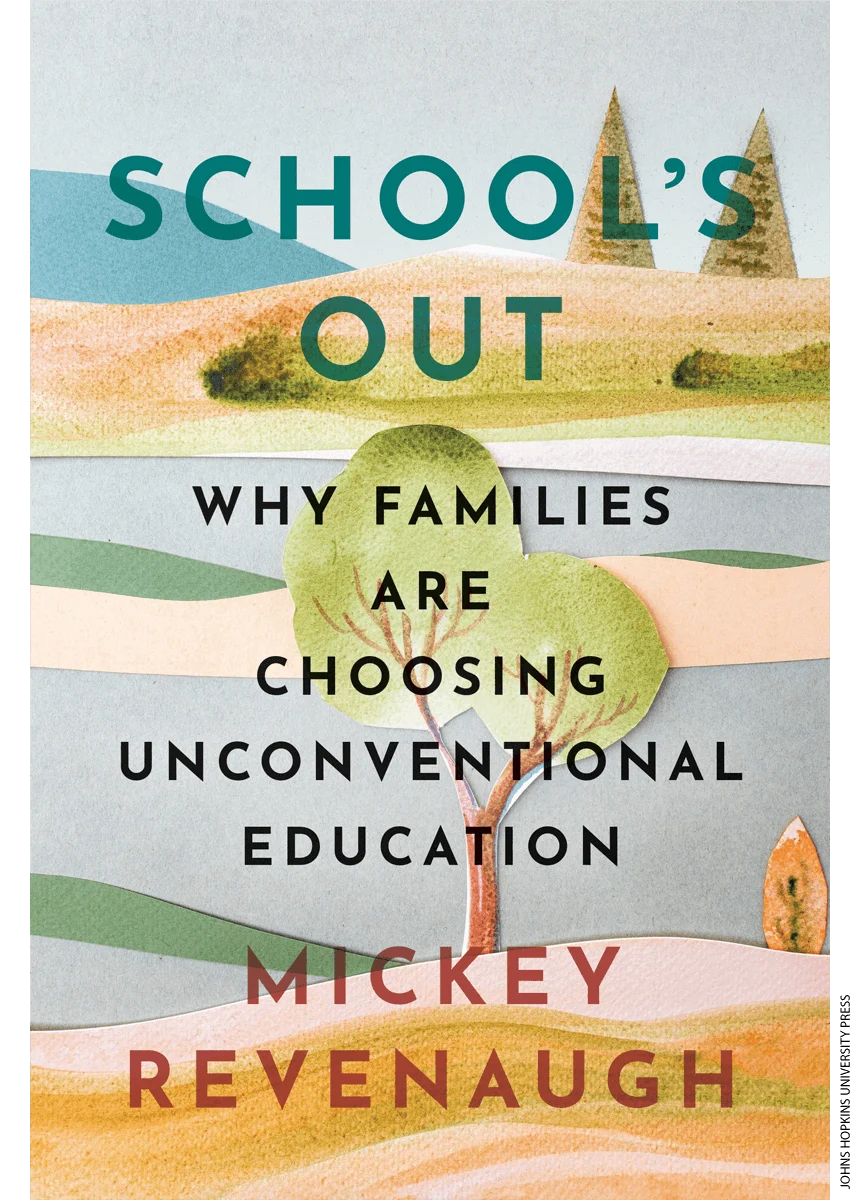
In her 2026 book, School’s Out: Why Families Are Choosing Unconventional Education, researcher Mickey Revenaugh notes that microschools offer a high concentration of neurodiverse learners and boys. After three years of researching living-room learning pods, mini-farm schools, and micro STEM academies, Revenaugh observed that the intimate scale of these schools allows for the flexibility of space and relational bonds that the American Psychological Association’s Task Force on Boys in School has long recommended.
The Intersection of Neurodiversity and Personalized Learning
Beyond gender, the microschooling sector has become a sanctuary for neurodiverse students. Data from the National Microschooling Center suggests a high concentration of students with ADHD, dyslexia, dysgraphia, anxiety, and autism spectrum disorders. Many of these students are also classified as "twice-exceptional"—possessing both a learning disability and a high level of giftedness.
Traditional school systems often struggle to accommodate these students due to rigid schedules and standardized environments. In contrast, microschool leaders report a proactive approach to accommodation. This includes adaptive classroom arrangements such as flexible seating (standing desks, floor cushions, or wobble stools), designated "sensory zones" for decompression, and indirect lighting to reduce overstimulation.
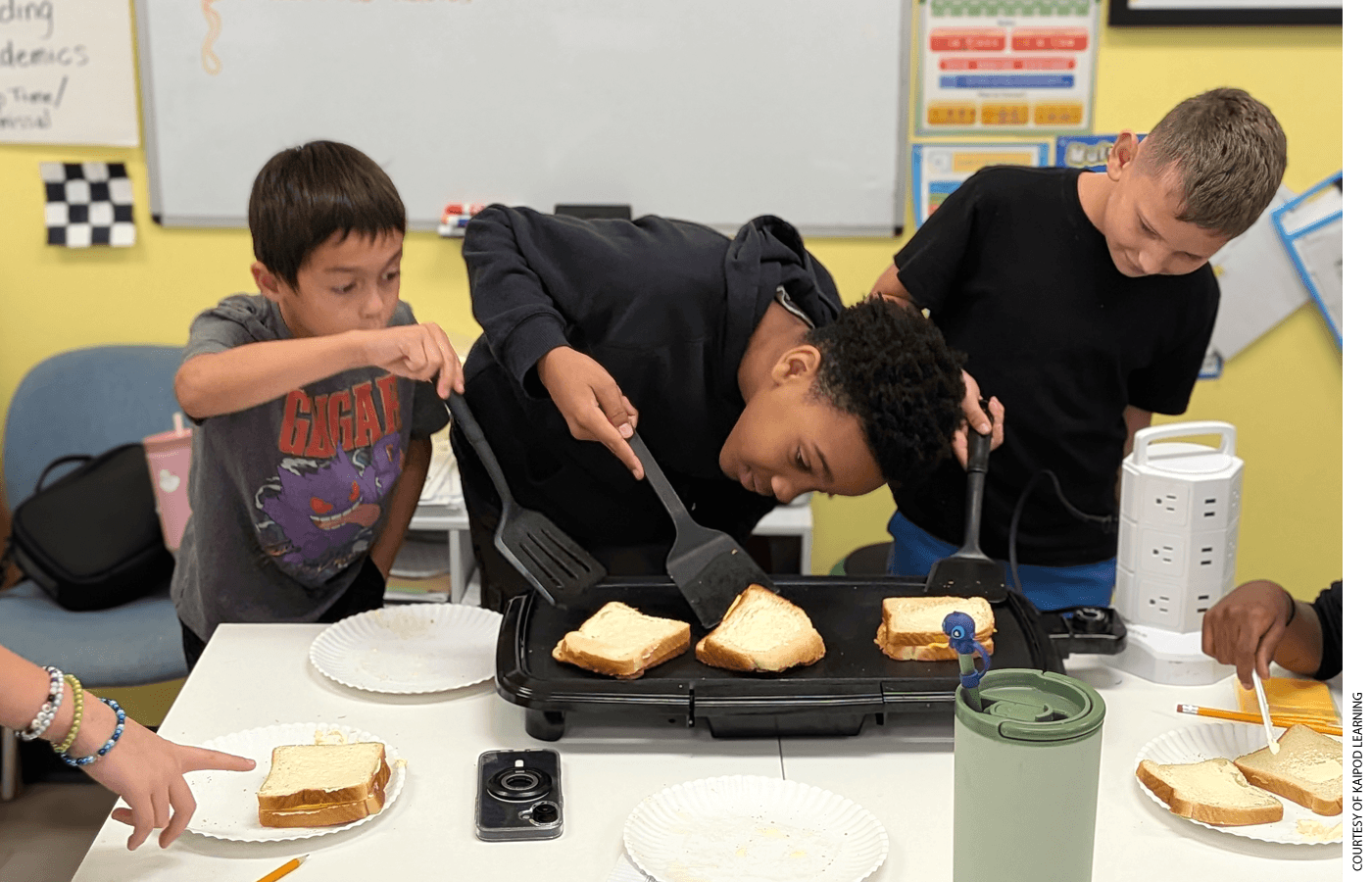
The integration of technology also plays a pivotal role. Many microschools utilize online curricula that allow for highly personalized pathways. For instance, the Ignite Academy curriculum, frequently used within the KaiPod network, offers specialized tracks. The "Fire" option includes built-in supports for students with disabilities, while the "Spark" pathway provides an accelerated curriculum for gifted learners. This allows students to progress at their own pace without the stigma of being "pulled out" of a regular classroom for special services.
The Regulatory Debate: Freedom vs. Accountability
The rapid proliferation of microschools has sparked a heated debate over regulation and oversight. Advocates for the movement argue that microschooling should be "permissionless," emphasizing parental freedom and the power of the market to reward quality. From this perspective, as long as a school meets basic fire safety standards and conducts criminal background checks on staff, it should be free from the "red tape" associated with physical location, personnel certification, or specific curriculum mandates.
Proponents of this "light-touch" approach argue that the bureaucracy of local ordinances—often designed for large-scale daycare centers or traditional schools—can be stifling for small-scale entrepreneurs. They believe that parents are the best judges of their children’s educational needs and should not require state or district approval to choose a microschool.
Conversely, critics and policy advocates raise concerns about the lack of a standardized regulatory framework. The Center for American Progress (CAP), in its February 2025 report titled The Importance of Holding Microschools Accountable, argued that the ambiguity surrounding the definition of microschools creates a vacuum of accountability. Critics are particularly concerned about the flight of neurodiverse students into an unregulated ecosystem. They argue that tiny schools with limited staff may be unable to provide the comprehensive therapeutic and academic "wraparound" services that federal law requires traditional public schools to provide. Even in states where students receive Education Savings Account (ESA) funds, some advocates worry that these children may end up underserved without institutional oversight.
Perspectives from the Field
Despite these concerns, families and educators within the microschooling community remain steadfast. Kenneth Mims, executive director of Science Prep Academy—a STEM-focused microschool specifically for students on the autism spectrum—argues that the traditional model of support is outdated. "Instead of pulling kids out of the classroom and forcing them to miss out on teaching and learning, we build our therapies right into the school day," Mims says. By integrating social-emotional learning and therapeutic practices into the core curriculum, schools like Science Prep Academy aim to normalize the experience of neurodiverse learners.
For students like Jed, a boy with ADHD attending KaiPod Gilbert, the move to a microschool was a matter of mental health. "I’d be in trouble all the time for not thinking or acting the way the teacher wanted me to," Jed recalls. "It’s much less stressful here where I can work on what I want when I want and sit wherever I feel comfortable." This sentiment is echoed by many parents who prioritize their child’s immediate emotional well-being over the theoretical benefits of a highly regulated state system.
Implications for the Future of American Education
The rise of microschooling represents a significant shift in the American educational paradigm. As traditional public schools face declining numbers and aging infrastructure, the microschooling model offers a lean, adaptable alternative that prioritizes personalization over standardization.
The broader implications are multifaceted:
- Funding Shifts: As more families utilize ESAs and federal tax credits to fund microschooling, traditional districts may face further budgetary pressures, potentially leading to more "micro" options being offered within the public system itself.
- Pedagogical Innovation: The success of flexible seating, sensory integration, and personalized digital pathways in microschools may eventually force traditional schools to adopt similar practices to remain competitive.
- Legal Precedents: The ongoing tension between "permissionless" education and state accountability is likely to result in landmark legal challenges that will define the boundaries of parental rights and state educational mandates for decades to come.
As the 2026-2027 academic year approaches, the microschooling sector stands at a crossroads. Its ability to maintain its characteristic diversity and intimacy while navigating an increasingly complex regulatory landscape will determine whether it remains a permanent fixture of the American educational landscape or a temporary reaction to a system in crisis. For now, for millions of neurodiverse students and boys who have struggled to find their place in the "big school" system, the one-room schoolhouse of the 21st century offers a promising path forward.
