A Santa Fe jury delivered a significant legal blow to Meta Platforms Inc. on Friday, finding the social media giant liable for systematic deception regarding its privacy protections. The verdict, which concludes a high-stakes two-week trial, marks a pivotal moment in the ongoing battle between state regulators and Big Tech over the handling of consumer data. The jury’s decision centers on claims that the company misled its user base regarding how their personal information was accessed and utilized by third-party entities, most notably during the fallout of the Cambridge Analytica scandal.
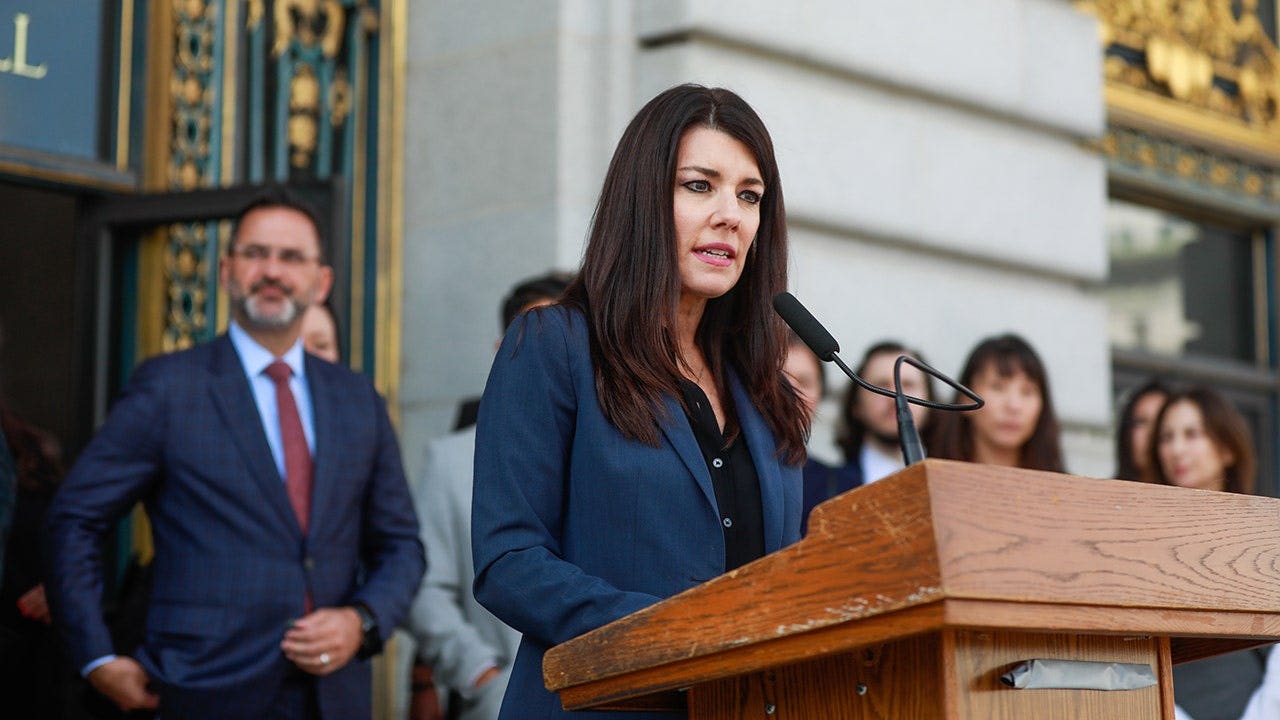
The presiding judge will now determine the specific financial penalties. New Mexico Attorney General Raúl Torrez, who spearheaded the litigation, has requested the statutory maximum of $5,000 per violation. Given that the jury found Facebook liable for over 2 million individual violations—impacting virtually every resident of the state—the potential financial liability for Meta could reach astronomical figures, potentially totaling billions of dollars.
The Core of the Litigation: The Cambridge Analytica Connection
The trial in Santa Fe focused on the mechanisms behind the unauthorized harvesting of data from roughly 87 million Facebook profiles globally. The data was siphoned through a third-party personality quiz application and subsequently sold to Cambridge Analytica, a political consulting firm that utilized the information to construct psychographic profiles and deliver targeted political advertisements. These tactics were famously employed during the 2016 U.S. presidential election to influence voter sentiment.
Prosecutors argued that Facebook was not merely a passive bystander to this breach but an active participant in obfuscating the truth from its users. The evidence presented in court suggested that Facebook failed to implement adequate safeguards to prevent third-party developers from accessing "friends’ data" without explicit consent, a policy flaw that persisted long after the company was aware of the risks. Furthermore, jurors were presented with evidence indicating that the company misled the public about the extent of its internal investigations into data brokers and the efficacy of its privacy protocols following the initial public disclosure of the scandal.
A Chronology of Conflict
The legal path to this verdict spans nearly a decade of controversy. The timeline of the events underpinning the litigation includes:
- 2014: Global Science Research, a firm associated with Cambridge Analytica, launches the "thisisyourdigitallife" app, which harvests data from millions of users.
- 2015: Facebook reportedly becomes aware that data was transferred to unauthorized third parties but fails to disclose the breach to the public or take decisive action to purge the data.
- 2018: The Cambridge Analytica scandal breaks in the mainstream media, triggering global outrage and investigations by the Federal Trade Commission (FTC) and various international bodies.
- 2019: The FTC imposes a record $5 billion settlement on Facebook for privacy violations, a move that critics at the time—including several U.S. states—viewed as insufficient to curb the company’s data-mining practices.
- 2023-2024: Multiple states launch coordinated litigation against Meta regarding child safety and data transparency.
- August 2026: Meta enters a massive $18 billion multi-state settlement regarding child safety. Crucially, the settlement includes a liability release clause for the Cambridge Analytica scandal, but New Mexico refuses to sign, opting to continue its independent legal pursuit.
- September 25, 2026: A New Mexico jury finds Meta liable for over 2 million violations of state law.
Meta’s Defense and Legal Strategy
Throughout the trial, attorneys representing Meta maintained that the state’s evidence was largely historical and failed to account for the substantial investments the company has made in privacy infrastructure over the past five years. Defense counsel argued that the state failed to identify any other meaningful instances of data breaches beyond the Cambridge Analytica case, characterizing the lawsuit as an attempt to penalize the company for outdated practices that have since been rectified.
Meta also invoked constitutional arguments, asserting that its platform management falls under the protection of the First Amendment. In a statement provided to CBS News, a company spokesperson emphasized the company’s commitment to prioritizing free speech and providing users with tools to control their data. The spokesperson stated, "We have a First Amendment right to manage those platforms in a way we believe best serves the interests of our community. This means prioritizing free speech, protecting our users’ information, and giving them control over their data."
Broader Implications and State Accountability
The outcome in New Mexico is particularly striking because it represents the only instance where a state has successfully held Meta liable for the Cambridge Analytica fallout after the company sought to close the door on such litigation via the $18 billion multistate settlement earlier this year. By choosing not to participate in the settlement—a move shared only by Florida, though Florida did not proceed with a full trial—New Mexico has effectively established a new precedent for state-level consumer protection.
Legal analysts suggest that this verdict could embolden other jurisdictions to bypass national settlements if they believe the terms do not adequately serve their citizens. "This is a historic verdict, not just for New Mexico, but for every state fighting to hold Big Tech accountable," Attorney General Torrez noted following the verdict. The ruling reinforces the capacity of state-level consumer protection statutes to challenge the business models of global technology conglomerates.
Economic and Regulatory Impact
The financial implications of this trial extend beyond the immediate $5,000-per-violation penalty. With a finding of 2 million violations, the court has provided a clear mathematical framework for future damages. Even if the judge opts for a lower per-violation fine, the total judgment could represent one of the largest privacy-related penalties in U.S. history.
Beyond the monetary impact, the trial has placed a spotlight on the effectiveness of existing data protection laws. New Mexico’s success is a direct result of aggressive litigation regarding how tech companies represent their privacy policies to the public. As the industry faces increasing scrutiny over data harvesting, AI training practices, and algorithmic transparency, the Santa Fe verdict serves as a stark reminder that legacy privacy scandals continue to pose a significant legal and financial risk to Meta’s bottom line.
Conclusion: The Warning to Big Tech
The conclusion of the New Mexico trial is unlikely to mark the end of the company’s legal challenges. While Meta has expressed its intent to appeal the verdict and defend its record, the jury’s decision has significantly altered the narrative surrounding corporate accountability for data misuse. Attorney General Torrez’s concluding statement served as a direct warning to the technology sector: "If you lie to New Mexicans about how you use their data, we will find out, and we will hold you accountable."
As the case moves toward the sentencing phase, industry observers will be watching closely to see if other states—or federal regulators—revisit their own settlements or pursue new avenues of litigation. The verdict serves as a potent example of how regional courts can influence global corporate behavior, suggesting that the era of treating state-level regulations as secondary to federal oversight may be coming to a close. For the millions of users whose data was compromised, the verdict offers a rare instance of judicial recognition of the harm caused by the unchecked commercialization of personal digital identity.