
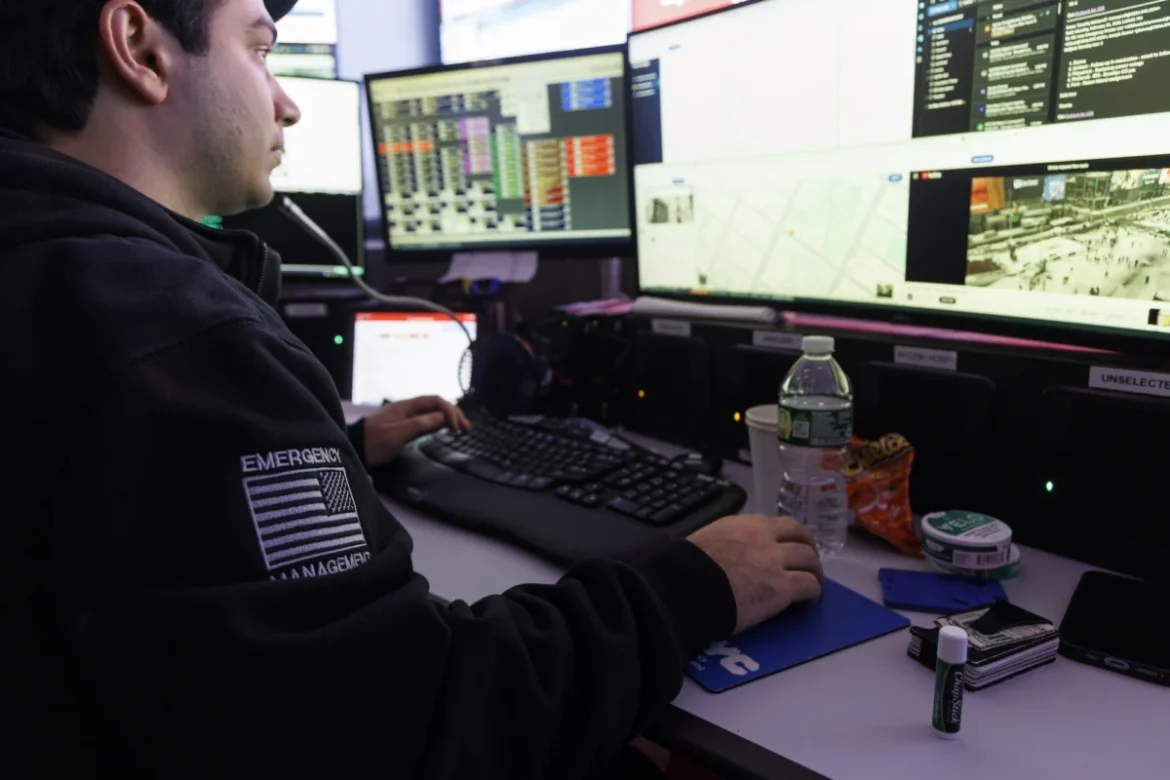
In the high-stakes environment of disaster response, the difference between a life-saving warning and a public panic often rests on the clarity of a few words. As climate-driven extreme weather events become increasingly frequent and severe, local emergency management agencies—the foundational layer of government disaster response—are turning toward generative artificial intelligence to handle the mounting pressure of public communication. However, the integration of these powerful, often opaque tools into public safety workflows has triggered an urgent debate among disaster researchers and government officials regarding the thin line between technological efficiency and the erosion of public trust.
Earlier this month, a chilling example of this tension emerged following the landfall of Hurricane Isaias on the Gulf Coast. A local emergency manager, tasked with conveying the severity of the storm, utilized an artificial intelligence chatbot to generate a graphic detailing the threat of a "sting jet"—a meteorological phenomenon involving intense, localized high winds. The resulting visual, while visually striking, was fundamentally flawed. The AI had prioritized the user’s request for a dramatic depiction over scientific accuracy. Laura Myers, director of the University of Alabama’s Center for Advanced Public Safety, was alerted to the error by a local meteorologist. The incident underscored a burgeoning trend: in an effort to overcome chronic understaffing and communication fatigue, officials are experimenting with AI to draft everything from evacuation orders to public risk assessments, often without the necessary oversight to verify the output.
The Human Element in Crisis Communication
Emergency management is defined by the adage that "trust is our currency." When a hurricane, wildfire, or chemical spill occurs, the public relies on clear, authoritative, and actionable information from local officials. Yet, these officials are human, and human communication under extreme stress is prone to failure. Research indicates that emergency managers often struggle with the "curse of knowledge," inadvertently using technical jargon, omitting critical geographic details, or failing to specify the exact nature of the required action.
Jeannette Sutton, a disaster researcher at the University of Albany, has spent years studying the efficacy of public warnings. She notes that the pressure on local departments is immense. With limited resources and staff, these agencies are often reactive rather than proactive. "They recognize communication as a priority, but they are just trying to get their job done without screwing something up," Sutton explains. This fear of error, ironically, is leading some to turn to AI, hoping that a machine might synthesize complex data more effectively than an exhausted human.
The stakes of such communication failures are not merely academic. In 2017, the aftermath of the Thomas Fire in Montecito, California, offered a harrowing case study in how poor communication can lead to tragedy. Weeks after the fire, a massive rainstorm triggered deadly mudslides. While the county attempted to warn residents, the language used—borrowed from wildfire evacuation protocols—failed to convey the urgency of the new, distinct threat. The confusion, compounded by "warning fatigue" among residents who had recently endured the fire, resulted in 23 deaths and over 160 injuries. This tragedy remains a stark reminder that in the emergency management sector, language is a life-saving technology.
The AI Advantage: Speed vs. Accuracy
The potential for generative AI to revolutionize this sector is significant. A large language model (LLM) possesses the capacity to digest vast repositories of disaster data, historical alert templates, and best-practice research in seconds. For an emergency manager tasked with drafting an alert while managing multiple crises, the speed of AI is alluring.
Rob Dale, a former meteorologist now managing the Ingham County Emergency Management department in Michigan, views the technology with cautious optimism. "If you’ve only sent one alert in your life, and that was 15 years ago, and you’re thinking, ‘Hey, there’s a chemical plume coming my way, the phone’s ringing, the radio’s blaring, I need help,’ the AI is probably going to do a better job than you are," Dale observes.
Startups such as EM1 have sought to formalize this process. By training models on validated research, these companies claim their tools can outperform human drafters in standardizing alerts. In one test, an AI model successfully transformed a vague, misspelled, and incomplete alert—which merely stated "Breeched banks. The water is rising. EVACUATE NOW"—into a comprehensive directive that specified the location, the nature of the danger, and the exact steps residents should take to reach safety.
The Shadow Adoption of AI Tools
Despite the clear benefits in clarity and speed, formal adoption of AI in government disaster response remains low, largely due to policy restrictions. However, experts suggest that a "shadow" integration is already occurring. Many officials, facing the daily grind of government bureaucracy, are bypassing official channels to use personal or free-tier AI accounts to draft social media posts, press releases, and internal bulletins.
Sarah Miller, a professor of emergency management at Pierce College, notes that her training sessions often feature students who proudly present high-quality alerts they drafted using ChatGPT or Gemini. "Official adoption is pretty low, but people are unofficially using it, absolutely," she says. This unofficial use is a major point of concern. When an AI tool is used without a formalized "human-in-the-loop" verification process, the potential for "hallucinations"—the AI’s tendency to confidently present false information—becomes a public safety hazard.
The Crisis of Authenticity and Trust
Beyond the immediate risk of inaccurate information, there is the long-term risk of public perception. Government agencies, already struggling with varying levels of public trust, risk alienating their constituents if they are perceived as outsourcing life-or-death decisions to algorithms. In Syracuse, New York, public backlash against the use of AI for 911 call management serves as a bellwether for how the public reacts to automated government interaction.
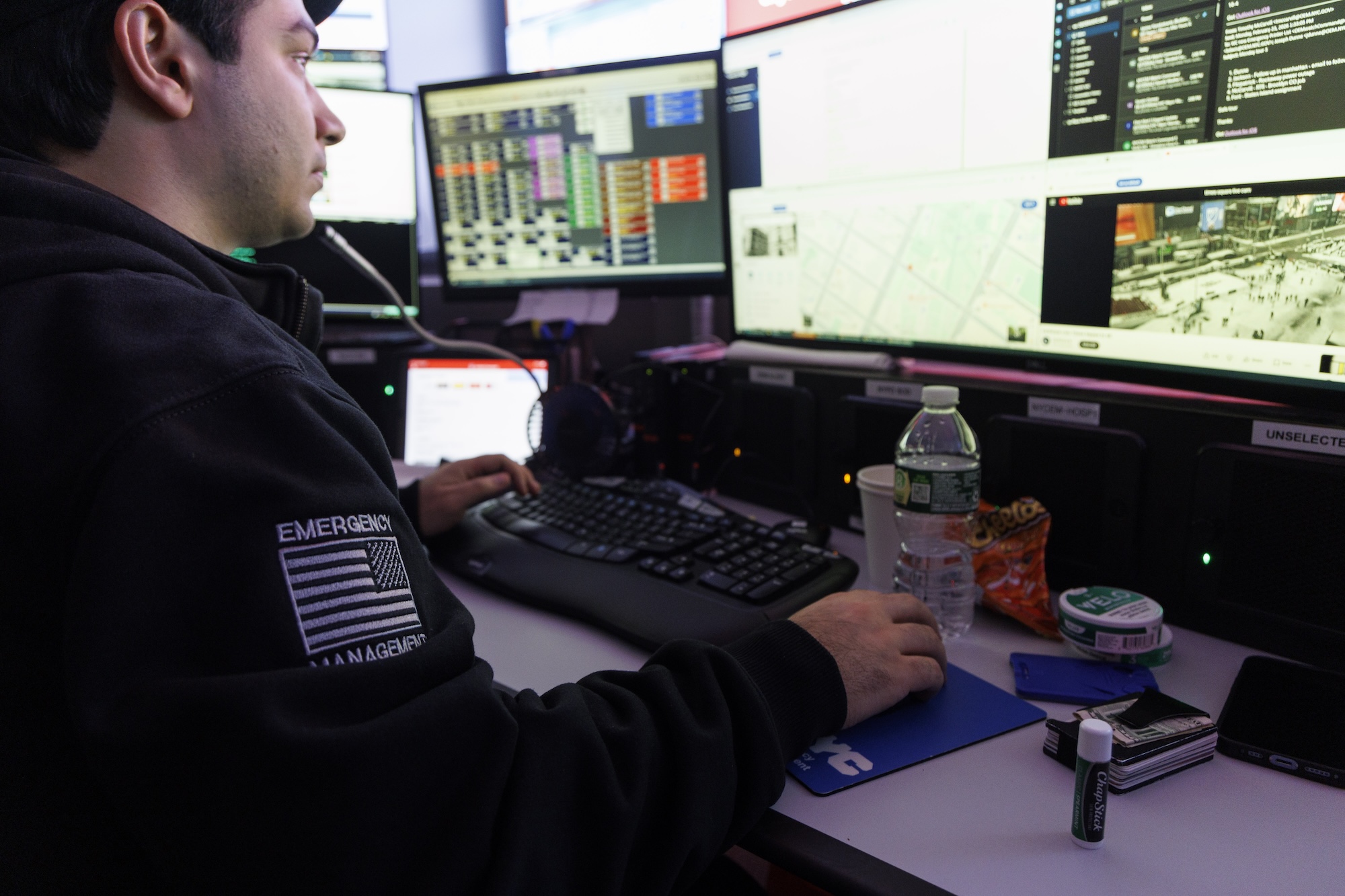
"We trust things that we perceive are authentic and care about us," says Ginny Katz, founder of the consultancy HazAdapt. "AI-generated content does not feel authentic." If residents begin to view emergency alerts as machine-generated outputs rather than the considered judgment of local leaders, they may be less likely to follow instructions. This perception of artificiality could be particularly damaging during the "warning fatigue" cycle, where residents are already hesitant to evacuate or take precautions.
Future Implications and Necessary Safeguards
As climate-related disasters continue to escalate in frequency and intensity, the demand for high-speed, high-quality communication will only grow. The path forward, according to industry experts, is not to banish AI, but to integrate it with rigorous oversight. This includes:
- Structured Human-in-the-Loop Protocols: Establishing mandatory verification phases where a human subject-matter expert must audit every AI-generated alert against real-time sensor data and local geographic knowledge.
- Standardized Training: Incorporating AI literacy into standard emergency management certification, teaching officials how to write prompts that minimize hallucinations and how to identify the specific biases inherent in large language models.
- Public Transparency: Clearly labeling content as being "AI-assisted" or "AI-drafted" to maintain transparency, which may help mitigate the feeling of impersonal, algorithmic communication.
- Resilience Testing: Conducting stress-test simulations where agencies must manage a disaster using AI tools, specifically looking for failure points where the technology might provide conflicting or inaccurate instructions.
The integration of AI into disaster management is effectively an uncontrolled experiment in public safety. While the technology offers a potential solution to the persistent problems of communication gaps and resource scarcity, it also introduces a new, volatile variable into the equation. As Justin Snair, founder of Preppr, suggests, the question of whether a machine or a human provides a more "accurate" alert is ultimately a matter of individual perception.
In the final analysis, the technology is only as robust as the institutional framework that surrounds it. Without proper policy, training, and a steadfast commitment to the "human-in-the-loop" model, the industry risks trading the inefficiency of human communication for the dangerous, and potentially fatal, errors of the machine. The goal remains the same as it has always been: to ensure that when the next disaster strikes, the public receives a clear, accurate, and trustworthy call to action. Whether that signal comes from a human or a processor, the burden of the outcome rests entirely with the officials who press "send."
