
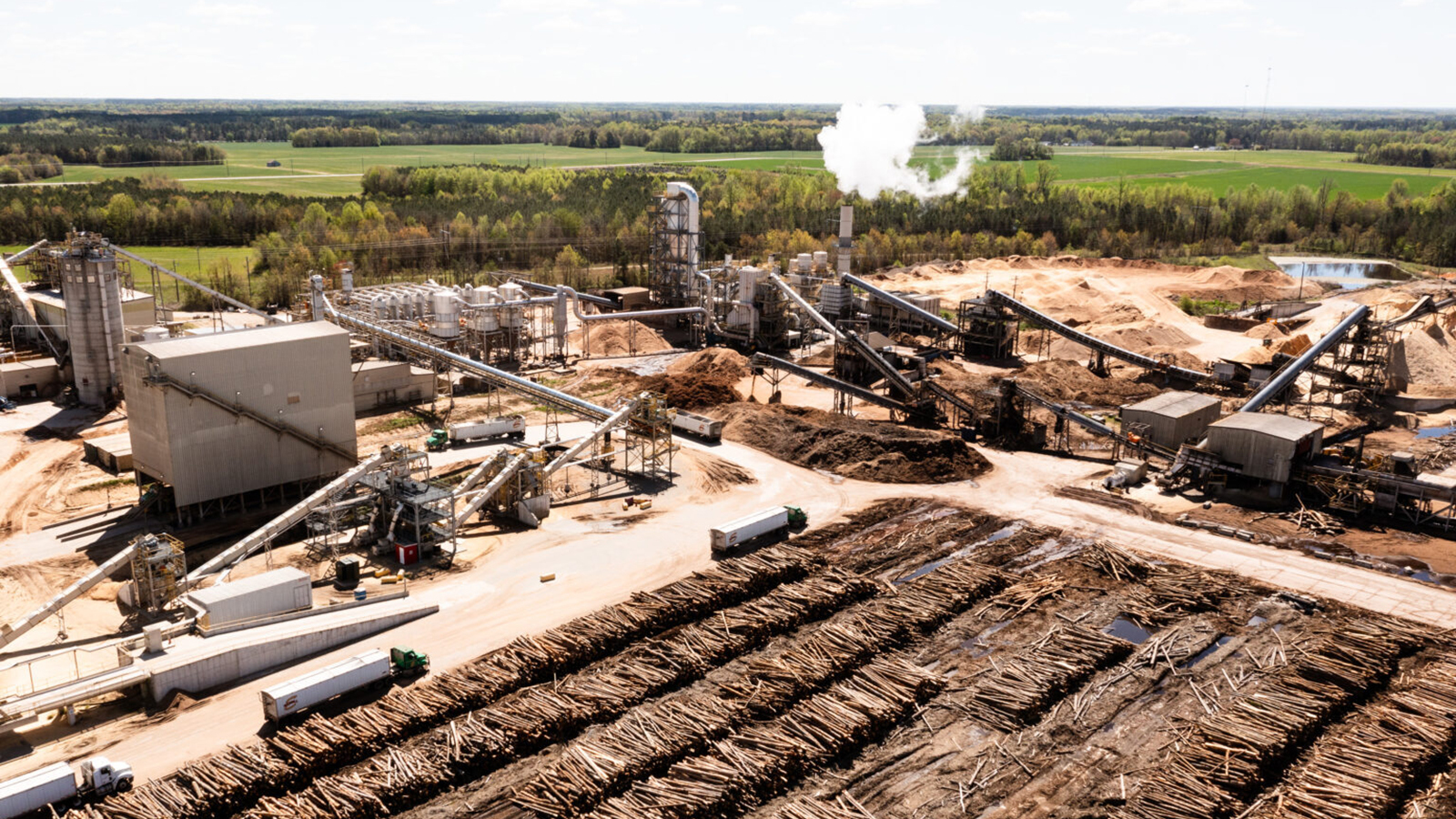
In the quiet, rural landscape of Faison, North Carolina, the arrival of a massive industrial facility was initially framed as a herald of economic progress. Enviva Biomass, the world’s largest producer of wood pellets, established what it described as a state-of-the-art facility designed to provide "green" energy to the global market. However, for residents like Ruby Bell, a retired educator, the reality of living next to the plant has been defined not by economic prosperity, but by a relentless struggle against environmental degradation and health concerns. Bell’s experience is not an isolated incident; it represents a growing friction between the international demand for renewable energy and the localized environmental justice issues that arise when industrial giants move into vulnerable rural communities.
The immediate physical impact on the community became clear to Bell during a routine afternoon spent talking to her neighbors about the facility. After only twenty minutes of sitting outdoors, she returned home to find her eyes burning, her nose running, and her clothing coated in a fine layer of industrial dust. This personal realization transformed her into a frontline advocate, joining a growing chorus of voices questioning the true cost of the biomass industry. Her story caught the attention of Sherri White-Williamson, a former federal official who returned to her home state of North Carolina after decades in Washington, D.C., to confront industrial pollution. At age 63, White-Williamson earned a law degree from Vermont Law School specifically to combat these issues, eventually founding the Environmental Justice Community Action Network (EJCAN).
The Genesis of the Biomass Boom: A Policy-Driven Industry
To understand the proliferation of wood pellet facilities in the American South, one must look toward the European Union. In the late 2000s, the European Commission implemented a series of ambitious climate and energy policies known as the "20-20-20" targets. These mandates required a 20% reduction in greenhouse gas emissions, a 20% increase in renewable energy consumption, and a 20% improvement in energy efficiency by 2020. Under these frameworks, burning wood pellets was classified as "carbon neutral" based on the logic that trees eventually regrow and reabsorb the carbon emitted during combustion.
This policy created an insatiable demand for biomass, and the American South, with its vast, fast-growing forests and established timber infrastructure, became the primary "wood basket" for Europe. Companies like Enviva expanded rapidly, positioning themselves as essential partners in the global transition away from coal. However, this transition has been criticized by scientists and environmentalists as a form of "greenwashing" that ignores the immediate carbon pulse of burning wood and the long-term ecological damage of large-scale logging.
A Chronology of Industrial Expansion and Community Resistance
The development of the wood pellet industry in North Carolina followed a predictable pattern of rapid growth often outpacing regulatory oversight.
- 2011–2013: Enviva began aggressive expansion in the Mid-Atlantic region, citing the need to meet European demand. Facilities were sited in Sampson and Northampton counties, areas characterized by high poverty rates and significant populations of color.
- 2016–2018: Local residents began reporting increased truck traffic, deafening noise levels from 24-hour operations, and a pervasive layer of dust settling on homes and vehicles.
- 2019: Despite mounting community objections and evidence of previous air quality violations, the North Carolina Department of Environmental Quality (NCDEQ) granted Enviva’s request to expand its production capacity in Sampson County.
- 2021–2024: A series of investigative reports from organizations like the Dogwood Alliance and the Southern Environmental Law Center (SELC) began to dismantle the industry’s sustainability claims, providing photographic evidence of clear-cut mature forests being used for pellet production.
The Ecological Math: Carbon Neutrality vs. Carbon Reality
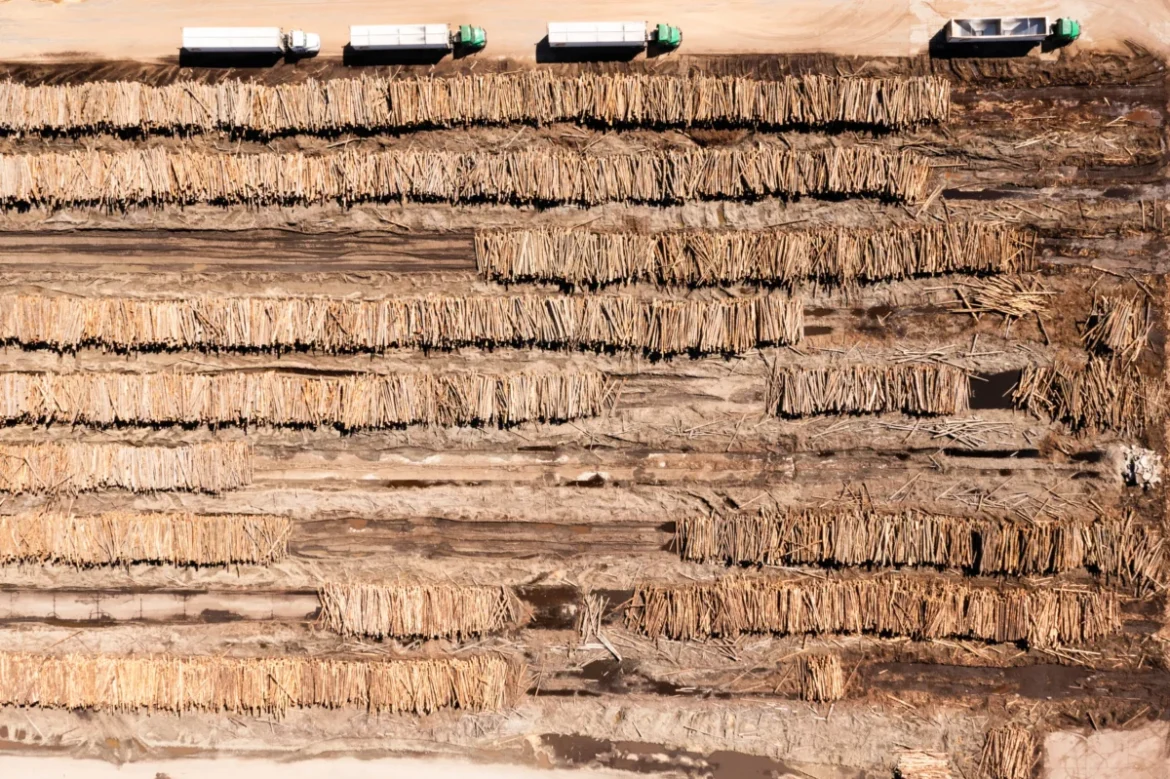
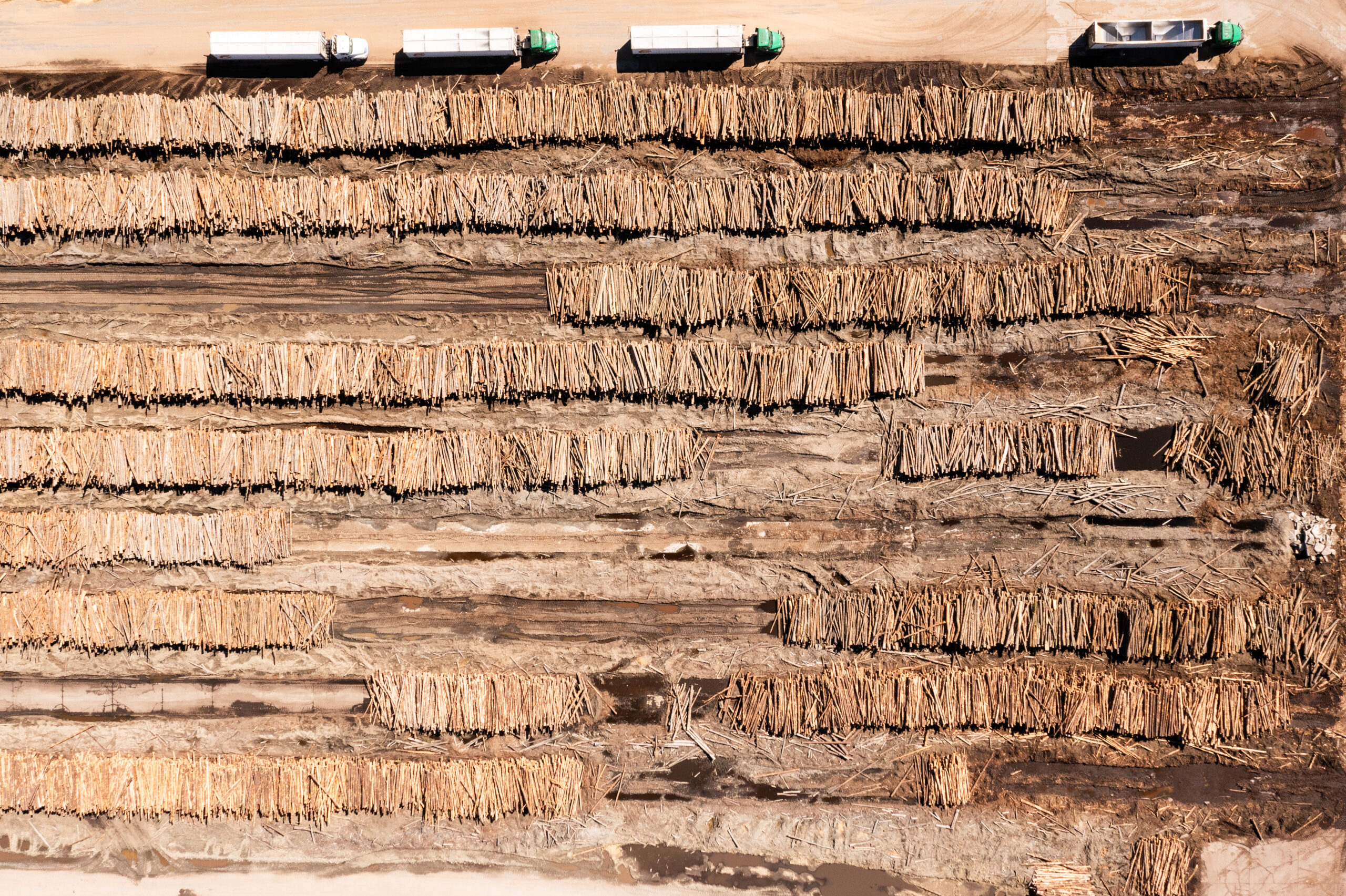
While the industry maintains that it only uses "wood residuals"—limbs, tops, and diseased trees—environmental groups have documented a different reality. The Dogwood Alliance estimates that Enviva’s North Carolina facilities consume approximately 50,000 acres of forest annually. These are not merely leftovers; they are often whole, mature trees that serve as critical carbon sinks.
The scientific community has increasingly challenged the "carbon neutral" designation of biomass. Research from the Massachusetts Institute of Technology (MIT) and other institutions indicates that burning wood pellets can actually emit more CO2 per unit of energy than coal. While it is true that forests are renewable, the "carbon debt" created by cutting and burning them can take anywhere from 40 to over 100 years to repay. In the context of a climate crisis that requires immediate and drastic emission reductions, critics argue that the world does not have a century to wait for new saplings to mature.
Environmental Justice and Social Disparities
The siting of these facilities follows a troubling trend in industrial development. Recent data analysis reveals that wood pellet plants are 50% more likely to be located in "vulnerable communities"—defined by lower wealth and higher percentages of minority residents—than in more affluent areas. This demographic reality is central to the work of EJCAN and other advocacy groups.
Sherri White-Williamson emphasizes that these communities are often targeted because they lack the political capital or legal resources to mount a sustained defense. "The community that doesn’t have the power or the access to power… is always getting the short end of the stick," White-Williamson noted. The promise of economic revitalization has also proven largely illusory. While Enviva promised hundreds of well-paying jobs to Sampson County, residents report that the actual economic benefit to the local community has been minimal, while the externalized costs—road damage from heavy trucks, decreased property values, and healthcare expenses—have been substantial.

Health Risks: The Invisible Toll of Particulate Matter
The manufacturing of wood pellets is a chemically intensive process. Log segments are debarked, chipped, dried at high temperatures, and compressed. This process releases a cocktail of pollutants into the air, including:
- Particulate Matter (PM): Fine dust that can penetrate deep into the lungs and enter the bloodstream.
- Volatile Organic Compounds (VOCs): Precursors to smog that can cause respiratory irritation and long-term organ damage.
- Carbon Monoxide and Nitrogen Oxide: Byproducts of the drying and combustion processes.
Danielle Purifoy, a professor of geography and environment at the UNC Gillings School of Public Health, warns that these pollutants have severe implications for those with pre-existing conditions like asthma or chronic obstructive pulmonary disease (COPD). The fine dust reported by Ruby Bell is not just a nuisance; it is a vector for respiratory illness. A recent survey led by the SELC confirmed these health concerns, with respondents describing the need to wear masks inside their own homes and the inability to use outdoor spaces due to air quality and noise.
Official Responses and Regulatory Gaps
The regulatory response to the biomass industry has been a point of significant contention. While the NCDEQ has issued citations to facilities for exceeding emission limits, critics argue that the penalties are often too small to act as a deterrent for a multi-billion-dollar company. Furthermore, the permitting process often fails to account for the "cumulative impact" of multiple industries. Sampson County, for instance, already hosts a massive regional landfill and a high concentration of industrial hog farms. Adding a wood pellet plant to this mix creates a compounding environmental burden that current regulations are ill-equipped to address.
In response to the growing pressure, some European nations have begun to reconsider their biomass subsidies. However, the industry remains robust, buoyed by existing long-term contracts and the continued classification of wood as a renewable resource under many international frameworks.
Broader Implications and the Path Forward
The situation in North Carolina serves as a cautionary tale for the global energy transition. It highlights a critical flaw in climate policy: the tendency to prioritize carbon accounting on paper over the lived reality of ecosystems and human communities. As the world seeks to move away from fossil fuels, the case of the wood pellet industry suggests that "renewable" does not always mean "sustainable" or "just."
For organizations like EJCAN, the path forward involves empowering residents with data and legal tools. By conducting independent air and water monitoring, these grassroots groups are building a body of evidence that can no longer be ignored by state and federal regulators. The goal is not merely to oppose a single industry, but to advocate for a "Just Transition"—one where the move toward clean energy does not come at the expense of the health and dignity of rural, low-income, and minority communities.
As the forests of North Carolina continue to be processed into pellets for export, the struggle of residents in Faison remains a poignant reminder that the true cost of energy is often paid by those who benefit from it the least. The work of advocates like Ruby Bell and Sherri White-Williamson ensures that while the industry may have the power of international policy behind it, the voices of the frontline will no longer be silenced.
