
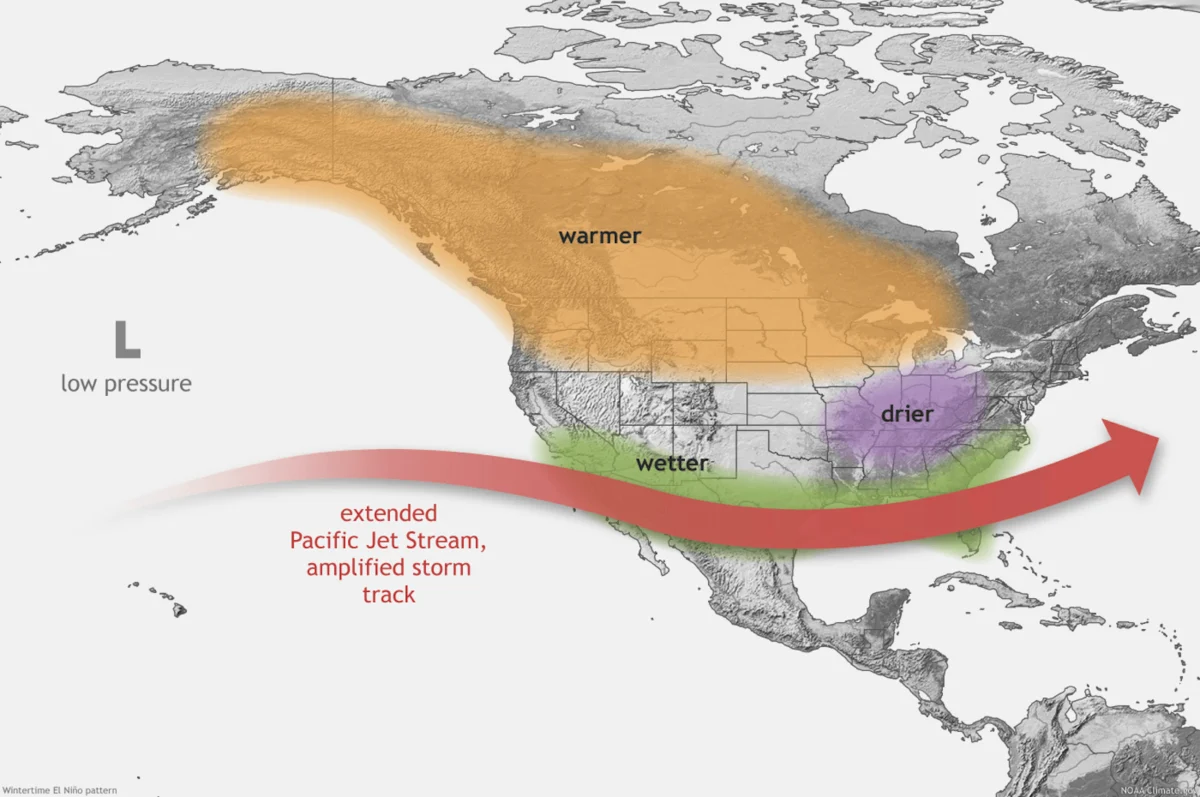
The National Oceanic and Atmospheric Administration (NOAA) has officially declared the commencement of El Niño, a major oceanic and atmospheric phenomenon characterized by the warming of surface waters in the central and eastern Pacific Ocean. This climate pattern, which has far-reaching implications for global weather, arrives at a time when the world is already grappling with record-breaking temperatures and significant geopolitical instability. Forecasters at the U.S. Space Weather Prediction Center and NOAA’s Climate Prediction Center have issued warnings that this particular cycle may intensify rapidly, potentially becoming the strongest El Niño recorded in the 21st century. The transition from the recent neutral state to a full El Niño has been swift, prompting meteorologists to monitor the situation with increasing urgency as the phenomenon threatens to disrupt agricultural production, strain global food supplies, and exacerbate the effects of human-induced climate change.
The Mechanics of a Global Climate Engine
El Niño, the warm phase of the El Niño-Southern Oscillation (ENSO), is a naturally occurring cycle that typically emerges every two to seven years. Under normal conditions, trade winds blow from east to west across the tropical Pacific, pushing warm surface water toward Southeast Asia and Australia while allowing cooler, nutrient-rich water to well up along the coast of South America. During an El Niño event, these trade winds weaken or, in extreme cases, reverse direction. This allows the reservoir of warm water to migrate eastward toward the Americas.
The name "El Niño," which translates to "the little boy" or "the Christ Child" in Spanish, was originally coined by Peruvian fishermen in the 1600s. They noticed that periodically, the usually cold and productive waters along their coast would become unusually warm around December, coinciding with the Christmas season. While the name sounds benign, the physical reality is a massive redistribution of heat and moisture that alters the position of the jet stream, the high-altitude air currents that steer weather systems across the globe.
As the warm water shifts, so does the focus of tropical rainfall. This movement triggers a domino effect: regions that are typically lush and rainy may experience devastating droughts, while arid regions may be inundated by torrential downpours. NOAA’s current data indicates a high probability—exceeding 50 percent—that this year’s event will be "very strong," with sea surface temperatures rising more than 2 degrees Celsius above the long-term average. While some scientists have adopted the term "super El Niño" to describe these high-magnitude events, the World Meteorological Organization (WMO) remains cautious, preferring standardized technical descriptors to avoid sensationalism while acknowledging the severe risks involved.
A Chronology of Extremes: Learning from the Past
To understand the potential gravity of the current situation, scientists point to historical precedents where El Niño acted as a catalyst for global catastrophe. One of the most harrowing examples occurred in 1877 and 1878. During this period, an exceptionally powerful El Niño was linked to the failure of the Indian monsoon and severe droughts across Northern Africa, Brazil, and China. Research co-authored by Deepti Singh, an associate professor at Washington State University, highlights how these weather extremes, compounded by the rigid colonial policies of the era, led to a global famine that claimed upwards of 50 million lives.
In more recent memory, the 1997-1998 and 2015-2016 El Niño events serve as benchmarks for modern disruption. The 1997-1998 cycle caused an estimated $35 billion in global economic damages and resulted in approximately 30,000 deaths due to extreme weather events, including floods in the Southern United States and massive wildfires in Indonesia. The 2015-2016 event was instrumental in making 2016 the hottest year on record at that time, a title that was only recently challenged.
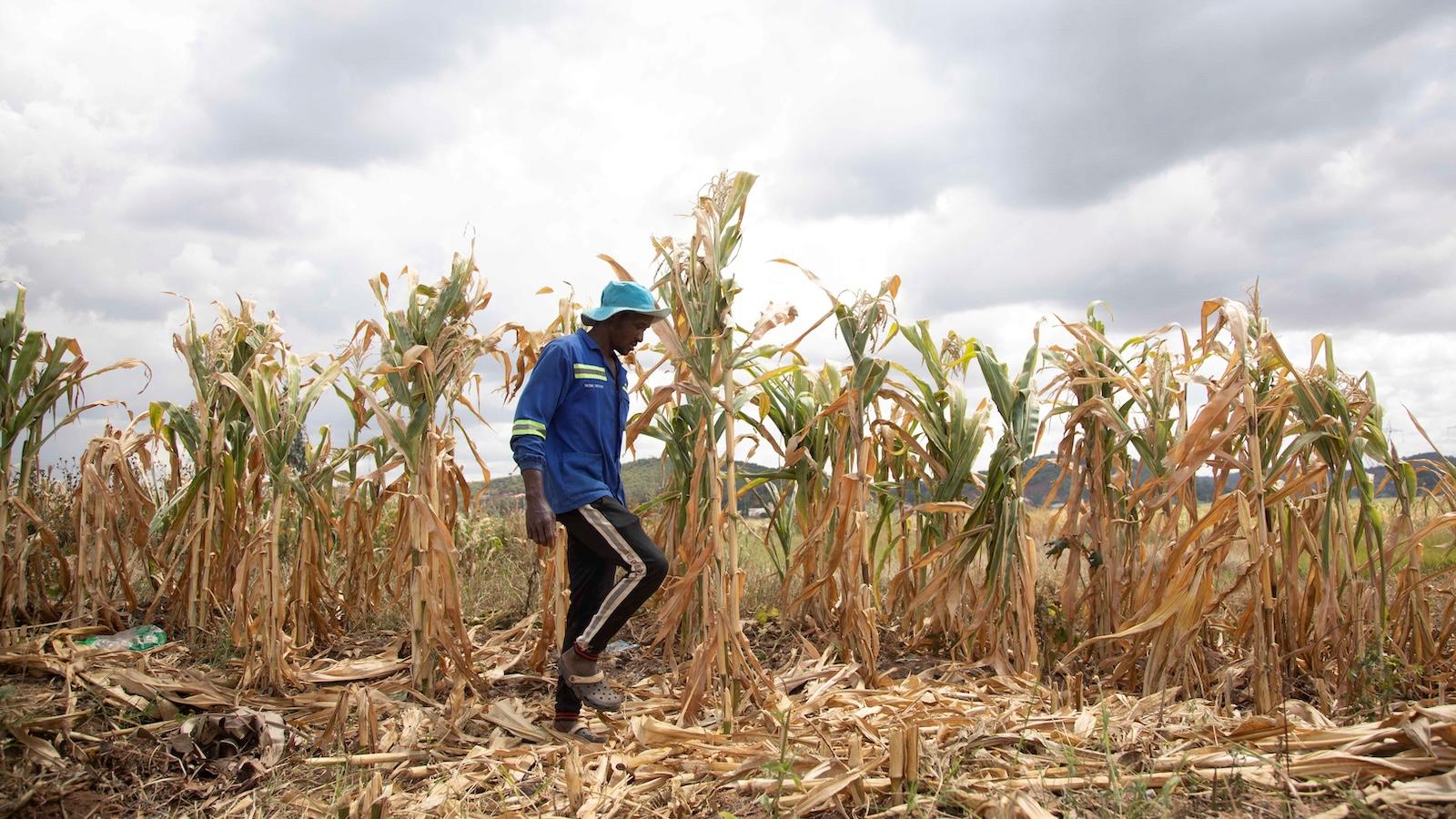
The most recent El Niño, spanning late 2023 into early 2024, has already left a trail of destruction. It contributed significantly to 2024 becoming the hottest year in documented history, pushing global temperatures past critical thresholds. In Southern Africa, the phenomenon triggered the worst drought in decades, leading to widespread crop failures and a humanitarian crisis. Countries such as Zimbabwe, Zambia, and Malawi were forced to declare national disasters as maize yields—the regional dietary staple—plummeted, leaving millions in need of food assistance.
The Intersection of Climate Change and Natural Variability
One of the primary concerns for modern climatologists is how El Niño interacts with the background trend of global warming. While El Niño is a natural cycle, it is now occurring in an atmosphere and ocean that are significantly warmer than they were just a few decades ago. Jennifer Burney, a professor at Stanford’s Doerr School of Sustainability, emphasizes that the "open science" question of how these two forces interact is critical for future planning.
A warmer atmosphere holds more moisture—roughly 7 percent more for every degree Celsius of warming. This means that when El Niño triggers rainfall in certain regions, the resulting storms are likely to be more intense and prone to causing flash floods. Conversely, in regions where El Niño causes drying, the higher baseline temperatures accelerate evaporation, leading to "flash droughts" that can wither crops in a matter of weeks.
"We are entering uncharted territory," says Deepti Singh. "While the patterns of El Niño are familiar, the environment in which they are manifesting has changed. The severity, extent, and likelihood of extreme events are all higher in today’s warmer climate." This synergy between natural variability and human-induced warming suggests that the upcoming months could see weather anomalies that exceed historical norms in both frequency and intensity.
Agricultural Vulnerability and the "Agriflation" Risk
The global agricultural sector is particularly sensitive to the shifts brought about by El Niño. Because the phenomenon impacts what Weston Anderson of the University of Maryland calls a "diverse set of geographies," the repercussions for food security are multifaceted. Key "breadbasket" regions are currently in the crosshairs of the shifting jet stream.
Asia and the Rice Crisis
India, the world’s largest exporter of rice, is highly dependent on the summer monsoon for its agricultural output. El Niño is historically associated with a "weak" or suppressed monsoon season in South Asia. A shortfall in rain could lead to a significant reduction in rice yields, potentially prompting the Indian government to impose export restrictions to protect domestic supply. Such a move would send shockwaves through global markets, driving up prices for a staple food that billions of people rely on.
Africa and Maize Production
In Southern Africa, the outlook for maize—a crop that is highly sensitive to water stress—is increasingly grim. Drier and hotter conditions are projected to persist, threatening the livelihoods of smallholder farmers who lack access to irrigation. This regional instability often leads to a cycle of poverty and malnutrition that can take years to reverse.
The Americas: Floods and Fisheries
The Southern United States, stretching from California to the Atlantic coast, typically experiences wetter-than-average conditions during El Niño winters. While this can provide relief to drought-stricken areas, it also poses a risk of catastrophic flooding and can delay planting seasons for winter wheat and other crops. Meanwhile, in South America, the warming of coastal waters disrupts the nutrient cycle, devastating the anchovy fisheries that are a cornerstone of the Peruvian and Chilean economies and a major source of global fishmeal.
Geopolitical Complications: The Iran War and Fertilizer Shortages
The timing of this El Niño is particularly precarious due to external economic pressures. Global agricultural producers are already reeling from high input costs stemming from the ongoing conflict in the Middle East, specifically the Iran War. The conflict has caused significant disruptions in the energy sector, which is inextricably linked to food production.
The Strait of Hormuz, a narrow waterway through which roughly 20 percent of the world’s oil and liquefied natural gas flows, has faced periodic closures and security threats this year. Although there are diplomatic efforts between the United States and Iran to reopen the passage, the damage to the global supply chain is already evident. Fertilizer production, which is energy-intensive and often relies on natural gas as a feedstock, has seen prices spike. Farmers worldwide are facing a "double whammy": the rising cost of essential chemicals and the unpredictable weather patterns of El Niño. This combination significantly increases the risk of "agriflation," where rising food prices contribute to broader economic instability.
Official Responses and Adaptive Strategies
In response to the NOAA announcement, international agencies and local governments are beginning to mobilize. The World Meteorological Organization has urged governments to prepare for the impacts of El Niño to limit the damage to lives and livelihoods. Early warning systems are being prioritized, allowing farmers in some regions to adjust their planting schedules or switch to more drought-tolerant crop varieties.
However, Jennifer Burney warns that while national-level policies—such as increasing food imports—might ensure that there is "enough food" in a country, they do not necessarily protect the most vulnerable. "That’s not going to take care of the people whose livelihoods depend on agriculture," Burney noted. Local farmers who lose their entire harvest to drought or flood face economic ruin, even if the national food supply remains stable through trade.
Future Outlook: A Season of Uncertainty
As El Niño is expected to peak between December 2024 and January 2025, the full extent of its impact will likely not be felt until well into mid-2025. Meteorologists will continue to monitor sea surface temperatures and atmospheric pressure changes in the Pacific to refine their forecasts.
The convergence of a "very strong" El Niño, a warming planet, and a volatile geopolitical landscape creates a complex challenge for global leaders. The coming months will test the resilience of global food systems and the efficacy of international cooperation in the face of environmental adversity. For now, the world remains on high alert, watching as the "Little Boy" begins to exert its formidable influence over the planet’s weather.

