

For decades, the prevailing logic in American political circles suggested that aggressive action on climate change was a luxury the economy could not afford. Lawmakers, wary of alienating constituents with carbon taxes or higher fuel prices, often opted for incrementalism or outright avoidance. However, a growing body of economic data and public sentiment suggests that this period of inaction has yielded a paradoxical result: by failing to curb fossil fuel emissions, the United States has inadvertently locked its citizens into a cycle of escalating costs. Today, the "price of doing nothing" is no longer a theoretical projection for the future; it is a line item in the monthly budgets of millions of Americans, manifesting as skyrocketing insurance premiums, volatile utility bills, and inflated grocery costs.
The Emerging Economic Reality of Climate Inaction
The fiscal burden of climate change has transitioned from the macro-economic level—federal disaster relief and infrastructure repair—to the micro-economic level of the individual household. According to a landmark study co-authored by Kimberly Clausing, a law professor at the University of California, Los Angeles, and Catherine Wolfram, a professor of applied economics at the MIT Sloan School of Management, American families are already bearing the brunt of a warming planet. The research, published earlier this year, indicates that the average U.S. household is paying between $400 and $900 more annually due to the direct and indirect effects of climate change.
In the hardest-hit regions, these figures are significantly more dramatic. In the top 10 percent of most-affected counties—largely concentrated in Florida, Louisiana, Nebraska, Colorado, and California—the annual cost exceeds $1,300 per household. These expenses are not always labeled as "climate costs" on a receipt, but they are embedded in the rising price of living in areas prone to wildfires, hurricanes, and extreme heat. The irony, as noted by researchers, is that the very costs politicians sought to avoid by delaying climate policy are now being paid by their constituents in the form of disaster recovery and systemic inflation.
A Chronology of Economic Pressure and Public Awareness
The current economic pinch reached a new milestone on Wednesday when the Commerce Department reported that the annual inflation rate hit 4.2 percent in May, the highest level in three years. While geopolitical instability, specifically the ongoing conflict in Iran, remains a primary driver of global energy volatility, a significant portion of the American public is beginning to attribute their financial strain to environmental factors.
This shift in public perception is documented in recent survey data from the Yale Program on Climate Change Communication. The study found that two-thirds of U.S. voters now believe that global warming is affecting the cost of living. This sentiment is surprisingly bipartisan, encompassing not only a vast majority of Democrats but also most moderate Republicans. The survey highlights a growing awareness that the environment and the economy are inextricably linked, with a majority of respondents identifying climate change as a driver of higher prices for groceries, utility bills, and home insurance.
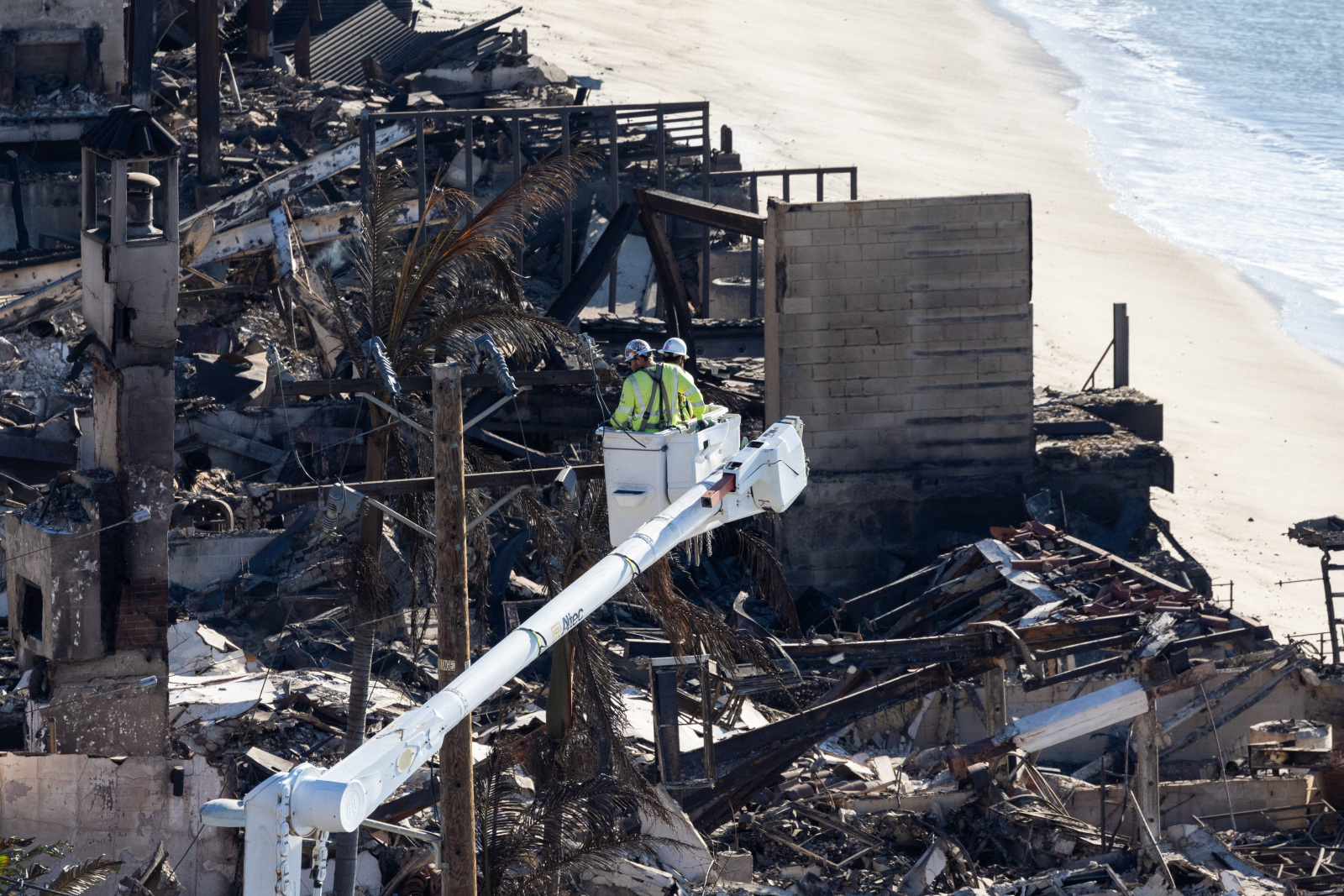
The timeline of this realization has been accelerated by a series of high-profile disasters. Following the devastating wildfires in Los Angeles in January 2025 and the subsequent grid failures during record-breaking heatwaves, the narrative surrounding climate change has shifted from "saving the planet" to "saving the pocketbook." This evolution was evident in the 2025 off-year elections in states like Georgia, New Jersey, and Virginia, where energy prices and grid reliability emerged as pivotal issues for voters across the political spectrum.
The Insurance Crisis: The Hidden Climate Tax
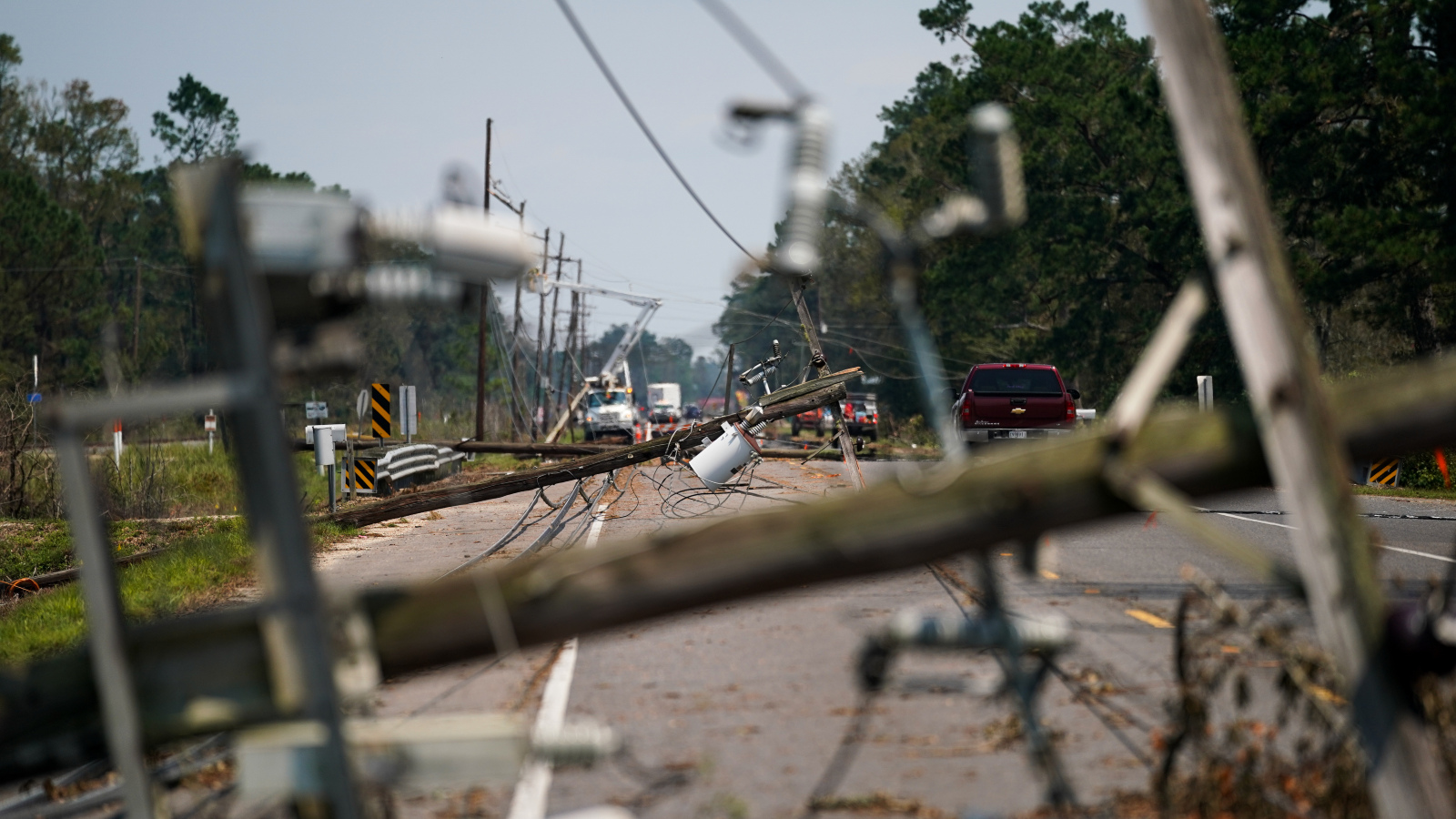
While energy prices often dominate the headlines, the UCLA-MIT study identifies homeowners’ insurance as the single largest climate-related expense for American families. While the average household spends an additional $35 per year on electricity due to climate factors, they are paying an average of $356 more in insurance premiums.
The crisis is particularly acute in states like Oregon and California. Kimberly Clausing shared a personal anecdote that mirrors the experience of thousands: her insurance premium for a home in Portland surged from $1,000 five years ago to approximately $2,200 today. Insurance providers have been transparent about the cause, citing the need to recoup massive losses from regional wildfires and the increased risk of future catastrophes. In some high-risk zones, major insurers have ceased issuing new policies altogether, creating "insurance deserts" that threaten property values and local economies.
Energy Infrastructure and the Cost of Resilience
The rising cost of utility bills is another primary concern for voters, particularly as they head toward the midterm elections this November. The factors driving up electricity prices are complex, but in many regions, the necessity of "hardening" the electric grid against extreme weather is the primary culprit.
In California, utility companies are investing billions into upgrading infrastructure to mitigate wildfire risks, often passing these costs onto consumers through rate hikes. In the Southeast, the cycle of rebuilding after increasingly frequent and intense hurricanes has led to a permanent increase in monthly utility obligations. Meanwhile, in the Desert Southwest, record-breaking temperatures have forced residents to run air conditioning for longer periods, leading to higher bills not necessarily because of rate increases, but because of sheer necessity for survival in extreme heat.
This economic pressure has birthed a new political demographic: the "energy bill voter." Organizations like the LCV Victory Fund have recognized this shift, launching campaigns to communicate how renewable energy and grid modernization can lead to long-term savings. By contrasting the volatility of fossil fuel markets with the falling costs of wind and solar, climate advocates are attempting to frame the green transition as an inflation-fighting measure.
The "Invisible" Costs: Health and Food Security
Beyond the tangible bills for insurance and power, climate change imposes "hidden" costs that are often overlooked by the general public. One of the most significant categories identified in the UCLA-MIT research is the economic impact of health complications.
As wildfire smoke becomes a seasonal reality for large swaths of the country, exposure to fine particulate matter is linked to increased rates of respiratory illness and premature death. The study estimates the economic damage of these premature deaths at approximately $103 per U.S. household annually. Furthermore, warming temperatures have extended allergy seasons and expanded the geographic range of vector-borne diseases carried by ticks and mosquitoes, leading to higher healthcare expenditures.
However, the Yale survey suggests a gap in public understanding: only 35 percent of those who see a link between climate change and inflation recognize the connection to healthcare costs. Anthony Leiserowitz, Director of the Yale Program on Climate Change Communication, emphasizes that health is one of the most potent ways to communicate the immediacy of climate change. "It’s already affecting the people and places and things that we love," he noted, suggesting that more effective communication regarding health impacts could further galvanize public support for climate action.
Similarly, "heatflation"—the impact of extreme temperatures on food prices—is becoming a recognized phenomenon. While the globalized nature of the U.S. food supply can sometimes buffer the impact of a local drought, prolonged heatwaves in major agricultural hubs like the Great Plains or South America eventually manifest as higher prices at the supermarket.
Broader Implications and the Path Toward Policy
The financial toll of climate change is not distributed equally. Lower-income Americans, who spend a higher percentage of their earnings on energy and food, are disproportionately affected by these climate-driven price increases. This reality is forcing a rethink of climate policy design.
Economists like Clausing are now advocating for policies that include robust "rebate" mechanisms. The goal is to implement carbon pricing or transition strategies that fund direct payments to low- and middle-income families, ensuring that the move toward a greener economy does not exacerbate wealth inequality.
As the 2026 political cycle approaches, the narrative is clear: climate change is no longer just an environmental issue; it is a fundamental pillar of kitchen-table economics. The data suggests that the benefits of proactive climate policy—reducing the frequency of disasters, stabilizing insurance markets, and modernizing the grid—would now far exceed the costs of implementation. For the American voter, the choice is increasingly between paying for a transition to a cleaner future or continuing to pay an ever-increasing "inaction tax" on the world as it currently exists.

