
The global climate crisis is no longer a distant theoretical threat but an immediate and primary driver of human displacement, upending millions of lives through catastrophic flooding, intensifying storms, and prolonged heatwaves. As the planet continues to overheat due to the sustained burning of fossil fuels, the number of individuals forced to flee their ancestral homes has reached unprecedented levels. However, those seeking sanctuary within the United States are discovering that the pathways to legal entry are more restricted than at any point in recent history. Despite the mounting evidence of environmental devastation, neither United States domestic law nor international refugee frameworks recognize environmental hazards or climate-related displacement as valid grounds for claiming asylum. This legal vacuum, combined with a period of aggressive immigration enforcement, has left millions of "climate refugees" in a state of permanent precarity.
The disconnect between the physical reality of a changing planet and the legal reality of immigration policy creates a harrowing bottleneck at the border. Under current international standards—specifically the 1951 Refugee Convention—asylum is generally reserved for those who can prove a well-founded fear of persecution based on race, religion, nationality, membership in a particular social group, or political opinion. Environmental collapse, regardless of how life-threatening it may be, does not currently fit into these categories. This means that a farmer whose land has turned to dust in Sudan or a family whose home was washed away by a Caribbean hurricane has no inherent legal right to protection under the traditional definition of a refugee.
The Legacy of Hurricane Mitch and the Erosion of Lifelines
The historical context of climate-driven migration to the U.S. is often illustrated by the aftermath of Hurricane Mitch in 1998. When the storm slammed into Honduras, it killed an estimated 7,000 people and decimated the nation’s infrastructure. For many, the only path to survival was northward. Evelyn, a resident of New York who witnessed the destruction as a teenager, recalls the absolute devastation that forced her family to leave. She describes a landscape of unsalvageable ruins, where bodies and livestock floated in stagnant water and basic services like electricity and clean water were non-existent.
At the time, the U.S. provided some avenues for those displaced by natural disasters, such as Temporary Protected Status (TPS), which allowed individuals from designated countries to live and work in the U.S. if their home nations were temporarily unable to handle their return. However, in the current political climate, such protections are under constant threat or are being phased out entirely. Evelyn, who has since built a life in the U.S. and raised two daughters—one a future lawyer and the other a future doctor—notes that the "door is more firmly shut than ever." The barriers to entry have multiplied, and the hope for a modernized system that accounts for climate impacts has largely evaporated.
Scientific data supports the urgency of Evelyn’s story. Researchers at Yale Climate Connections and other institutions have found that storms of Mitch’s ferocity are becoming more frequent and more intense. Warmer atmospheric temperatures allow the air to hold more moisture, leading to heavier rainfall, while record-breaking ocean temperatures provide the fuel necessary for rapid intensification of tropical cyclones. As the physical environment becomes more hostile, the legal environment in the U.S. has followed suit, creating a double-bind for those in the path of the storm.
The Intersection of Climate Change and Armed Conflict
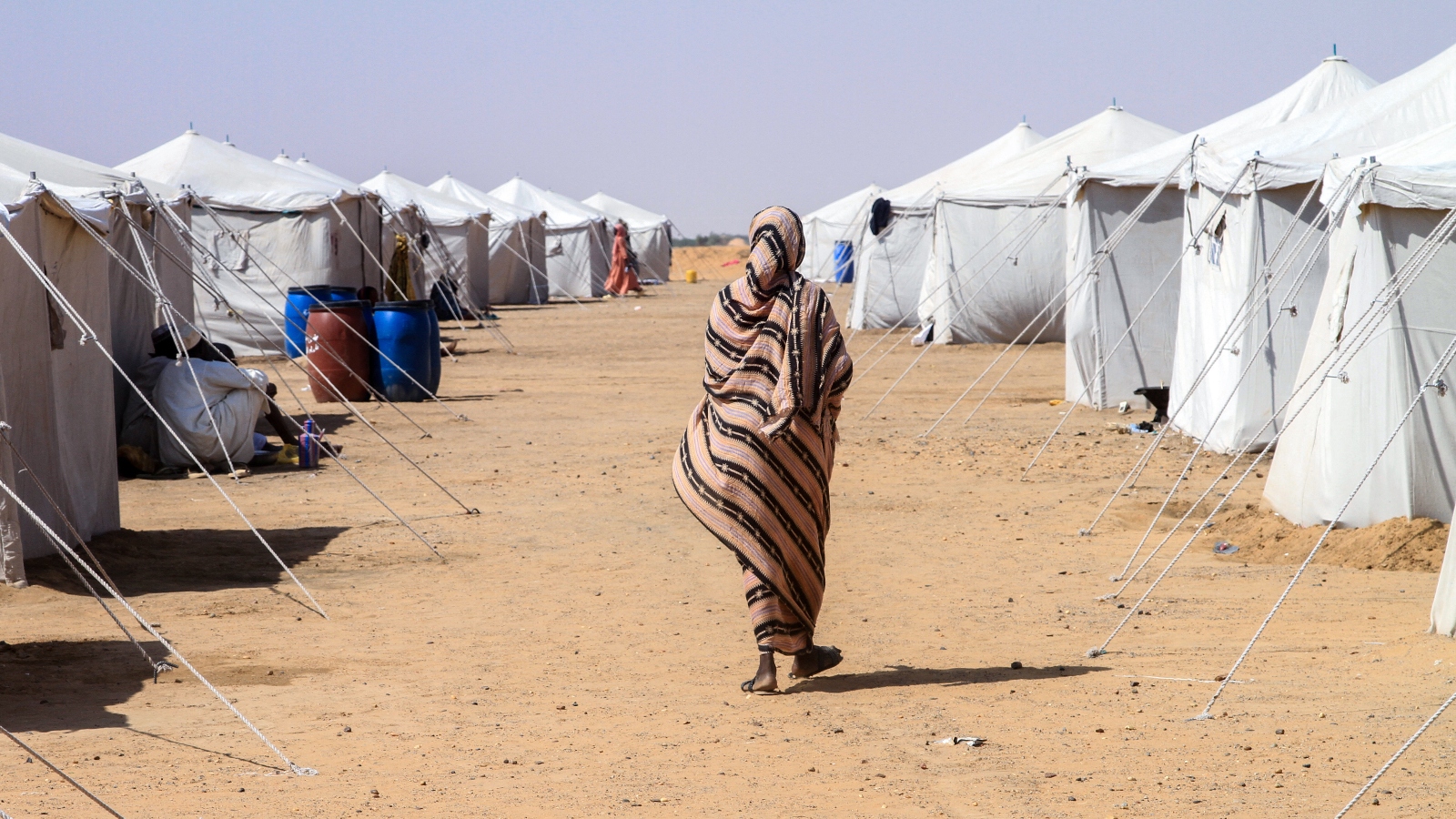
One of the most complex aspects of modern migration is the "perfect storm" created when climate change exacerbates existing social and political tensions. In regions like Sudan and Somalia, environmental factors do not act in isolation; they serve as "threat multipliers" that turn resource scarcity into violent conflict. In Sudan, a severe and prolonged drought has devastated the agricultural heartlands, pushing millions of people off their land and into crowded urban centers or across borders. This mass movement of people often leads to friction over dwindling resources, which in turn fuels civil war.
A Sudanese doctor currently residing in the U.S. highlights this grim synergy. Having moved to the U.S. to pursue medical training and contribute to the healthcare system, he now faces the prospect of deportation due to executive edicts that have blocked entry and residency for citizens of several nations, including Sudan. He explains that his flight was not a choice but a necessity born of drought-induced conflict. When the water disappeared, the social fabric of his home region unraveled. He would have preferred to stay and serve his community, but the combination of environmental collapse and the resulting war made survival impossible.
Similarly, in Somalia, the nexus of bone-dry farmland and the presence of militant groups has created a humanitarian catastrophe. A Somali asylum seeker in the U.S. recounts how the death of livestock and the drying of wells forced his community to flee to Mogadishu. Once in the city, they found themselves vulnerable to armed groups that bombed markets and forcibly conscripted children. For this man, the drought was the catalyst that led him into the path of violence. However, his claim for asylum is now caught in a system that has been effectively shuttered for most non-white applicants, leaving him in a state of constant fear of the very government he turned to for protection.
Statistical Realities and the Global Scope of Displacement
The scale of this crisis is reflected in data provided by the United Nations and the World Bank. According to a UN report, environmental factors have displaced approximately 250 million people worldwide over the past decade. The World Bank’s "Groundswell" report estimates that without urgent climate action, as many as 216 million people could be forced to move within their own countries by 2050. While much of this migration is internal, a significant portion inevitably spills across international borders as regional resources are exhausted.
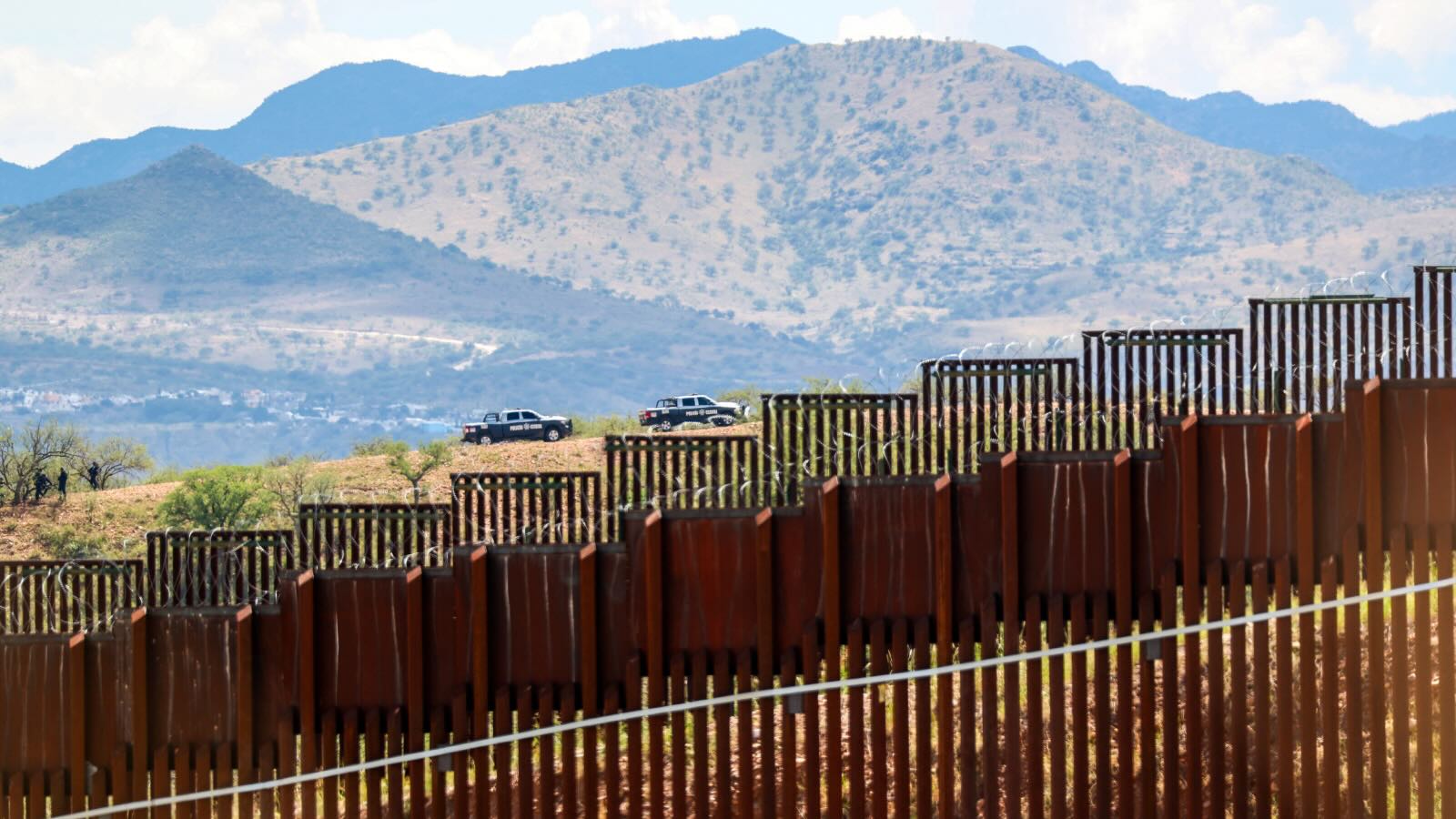
In the U.S., the response to these rising numbers has been characterized by a pivot toward isolationism. The current administration has implemented policies that treat migration as a border security issue rather than a humanitarian or environmental one. Felipe Navarro, associate director of policy and advocacy at the Center for Gender and Refugee Studies, argues that climate displacement simply does not enter the administration’s calculus. Instead, policy is driven by a broader crackdown on specific nationalities and races, with little regard for the underlying environmental drivers that force people to move.
Political Gridlock and the Failure of Reform
There have been attempts by some Democratic lawmakers to address this legal gap. Proposals for a specific "climate-related visa" have been introduced in recent legislative sessions. These visas would theoretically provide a legal pathway for individuals who can prove that their displacement was a direct result of extreme weather events or long-term environmental degradation. However, these efforts have stalled in the face of a political climate that has turned sharply against all forms of migration.
The rhetoric surrounding the border has shifted from a debate over policy to a more existential argument about national identity and resource protection. This shift has made it nearly impossible for advocates to gain traction on climate-specific reforms. Even as the number of displaced persons continues to balloon globally, the U.S. political landscape remains focused on deterrence rather than adaptation.
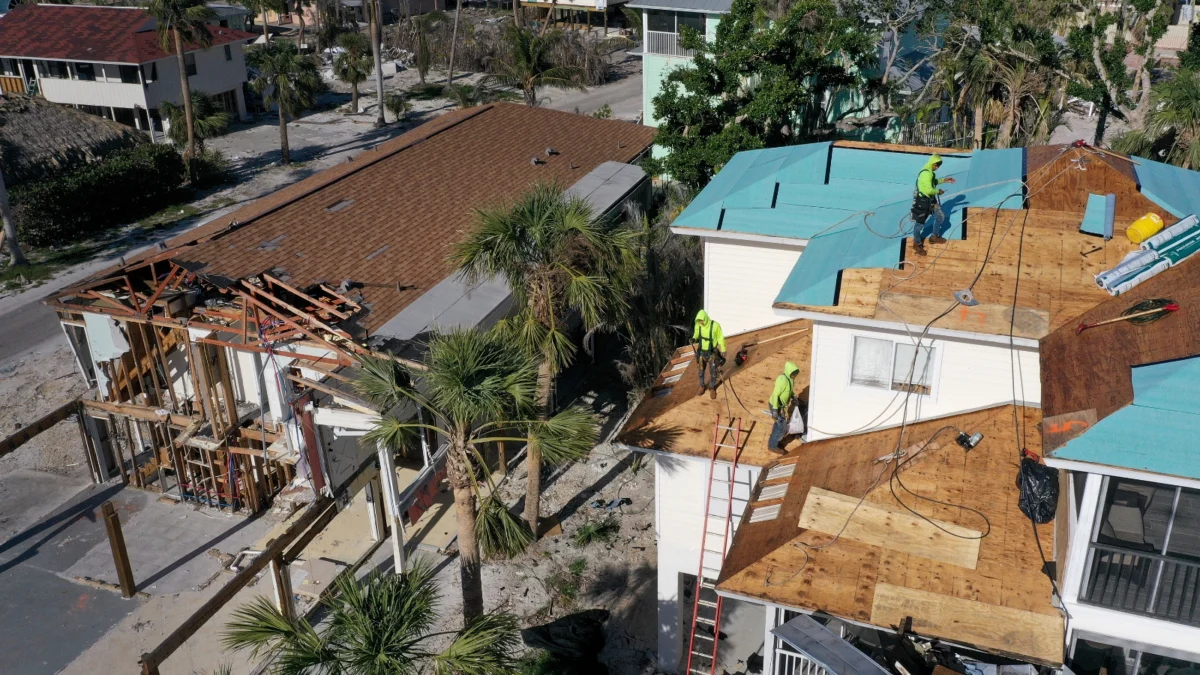
This lack of foresight may have long-term negative consequences for the U.S. itself. For instance, recent studies suggest that the U.S. disaster recovery industry relies heavily on migrant labor. As climate change increases the frequency of domestic disasters—such as hurricanes in Florida or wildfires in California—the very people needed to rebuild these communities are being barred from entry or deported. The crackdown on immigration, therefore, intersects with the U.S.’s own ability to respond to its internal climate crises.
Broader Implications and the Future of Human Mobility
The refusal to recognize climate refugees creates a global "protection gap" that leaves millions of people in a legal no-man’s-land. When legal doors are closed, individuals do not stop moving; they simply find more dangerous and irregular paths. This increases the power of human smuggling syndicates and subjects vulnerable populations to further trauma and exploitation.

The current trajectory suggests that the tension between environmental reality and political policy will only intensify. As sea levels rise and heatwaves make certain regions of the world virtually uninhabitable, the pressure on international borders will grow. Experts in international law argue that the 1951 Convention is no longer fit for purpose in the 21st century. Without a new international agreement—or a significant shift in U.S. domestic law—the millions of people displaced by a warming planet will remain "invisible" to the law, even as their plight becomes increasingly visible to the world.
In the words of Felipe Navarro, "When we close doors, people always find another path to move." The challenge for the United States and the international community is to decide whether those paths will be paved with legal protections and humanitarian standards, or whether they will continue to be marked by the peril and uncertainty that currently define the lives of those fleeing the climate crisis. For now, for the doctor from Sudan, the mother from Honduras, and the farmer from Somalia, the American dream has been replaced by a fight for basic recognition in a world that is rapidly changing around them.

