
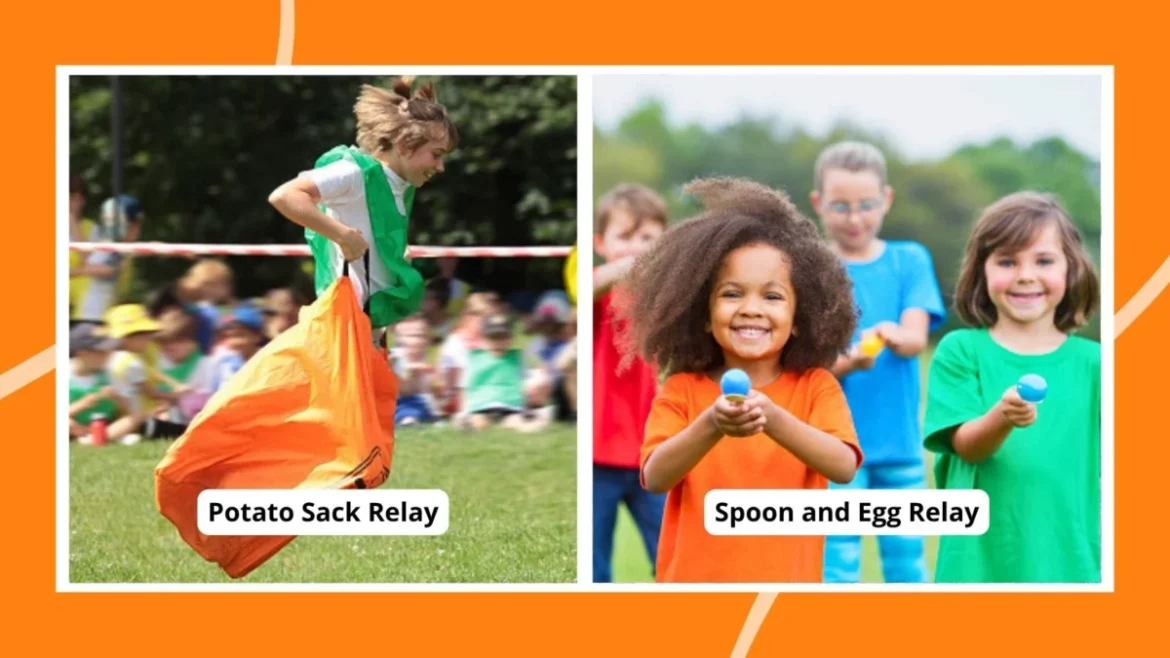
Relay races represent a foundational element of elementary physical education, serving as a versatile pedagogical tool that combines cardiovascular exercise with social-emotional learning objectives. In a traditional relay format, teams of students compete sequentially, with each member completing a specific task before transitioning the responsibility to a teammate. This structure ensures that while the physical activity is individual in execution, the outcome is collective, fostering a sense of shared responsibility and sportsmanship. To provide educators with a robust framework for implementing these activities, Coach Thomas Gelardi, a prominent physical education specialist and creator of the PhysEdZone platform, has identified a comprehensive suite of relay variations designed to maximize engagement and skill development in primary school settings.
The Evolution of Physical Literacy in Modern Pedagogy
The integration of creative relay races into school curricula reflects a broader shift in physical education from purely athletic training to the development of "physical literacy." According to the Centers for Disease Control and Prevention (CDC), children aged 6 through 17 should engage in at least 60 minutes of moderate-to-vigorous physical activity daily. However, recent data suggests that less than 25% of American children meet this threshold. Educators are increasingly turning to gamified movement, such as modified relay races, to bridge this gap.
Relay races offer more than simple aerobic benefits. Coach Gelardi emphasizes that these activities are essential for teaching children the mechanics of cooperation and the necessity of patience. "Relay races help kids learn how to work together and take turns while moving from one spot to another," Gelardi noted. "They build skills like running, balance, and coordination, and kids start to see that their effort matters to the team." This realization is a critical component of social-emotional development, as it translates individual exertion into a contribution toward a communal goal.
Expert-Recommended Relay Strategies: The Top Ten Framework
Drawing from extensive field experience, Coach Gelardi has curated ten high-impact relay races that prioritize different motor skills and cognitive challenges. These activities are designed to be inclusive, ensuring that students of varying athletic abilities can participate meaningfully.
- Tennis Ball Scramble Relay: This activity utilizes tennis balls scattered across a central zone. Teams must retrieve balls one at a time using specific locomotor movements, such as skipping, galloping, or hopping. This can be enriched with a cognitive layer by numbering the balls and requiring students to sort them into "odd" or "even" buckets, thereby integrating mathematics into physical play.
- Cone Flip Relay: A test of dexterity and speed, this race requires students to sprint to a designated area and flip a series of cones either upright or upside down. The simplicity of the task belies its competitive intensity, which encourages rapid transition and focus.
- Clean Your Room: This simulation of domestic chores involves two teams attempting to clear their respective "territories" of gym equipment by tossing or rolling items to the opposing side. The game emphasizes continuous movement and spatial awareness.
- Rock, Paper, Scissors Relay: Incorporating a classic hand game, students advance through a path of Hula-Hoops. When opposing players meet, they engage in a "Rock, Paper, Scissors" match. The victor continues their advance, while the other returns to their team line, introducing an element of chance and strategy.
- Treasure Island: This game introduces a defensive element. Students must navigate a "sea" to retrieve "treasure" (gym equipment) from a central island while avoiding designated taggers. It develops agility and the ability to track multiple moving objects.
- Hula-Hoop Pass: Unlike traditional running relays, this version requires a stationary line of students holding hands. A Hula-Hoop must be passed from one end of the line to the other without breaking the chain, requiring flexibility and group synchronization.
- Chicken Race: This balance-intensive race requires students to place a cone on their back while moving in a hunched "chicken" position. If the cone falls, a penalty of three jumping jacks is assessed, teaching students the value of controlled movement over raw speed.
- Hula-Hoop Build: This two-phase relay involves first retrieving Hula-Hoops and then collaborating to construct a "Hula Hut." This transition from individual sprinting to architectural cooperation highlights the shift from physical to cognitive teamwork.
- Ice-Cream Cone Relay: Students must balance a ball on an inverted cone while navigating a zigzag course. This activity refines fine motor control and proprioception under the pressure of competition.
- Simon Dribble: A hybrid of "Simon Says" and basketball drills, this relay requires students to maintain a dribble while responding to verbal commands. It is an excellent tool for developing multi-tasking capabilities in an athletic context.
Expanding the Curriculum: 38 Creative Variations
Beyond the expert-tier selections, a further 38 variations allow educators to tailor their field days and PE sessions to specific environmental constraints or learning goals.
Classic and Prop-Based Relays
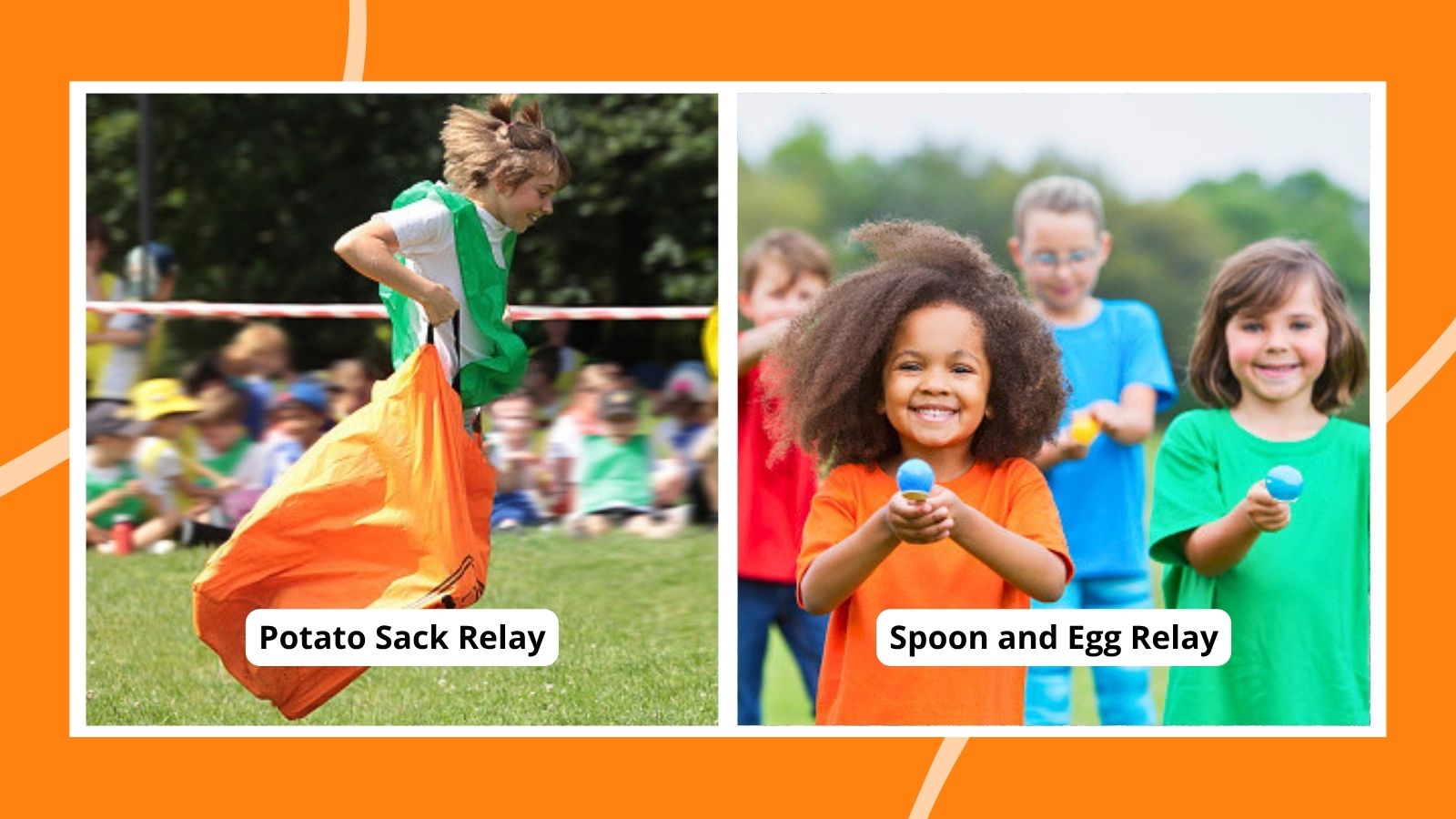
The "Classic Relay" remains a staple, utilizing batons and cones to teach the fundamentals of the hand-off. However, variations like the "Spoon and Egg Relay" (using either plastic or real eggs) introduce a high-stakes balance element. The "Dress-Up Relay" incorporates boxes of oversized clothing, requiring students to don and shed garments mid-race, which adds a humorous and tactile dimension to the physical exertion.
Aquatic and Environmental Challenges
For outdoor or field day settings, the "Fill the Bucket" relay uses sponges or cups to transport water between containers. This not only cools students down during warmer months but also introduces physics concepts related to water retention and displacement. Similarly, the "Water Balloon Relay" and the "Hula-Hoop Water Balloon Relay" (where pairs carry balloons inside a hoop) emphasize delicate handling and collaborative pacing.
Gymnastic and Locomotor Variations
Activities such as the "Crab Walk Relay," "Wheelbarrow Relay," and "Leapfrog Relay" move away from traditional upright running. These variations target different muscle groups—specifically the core, upper body, and posterior chain—while requiring high levels of coordination between partners. The "Three-Legged Relay" remains the gold standard for partner synchronization, forcing two individuals to move as a single unit.
Cognitive and Collaborative Relays
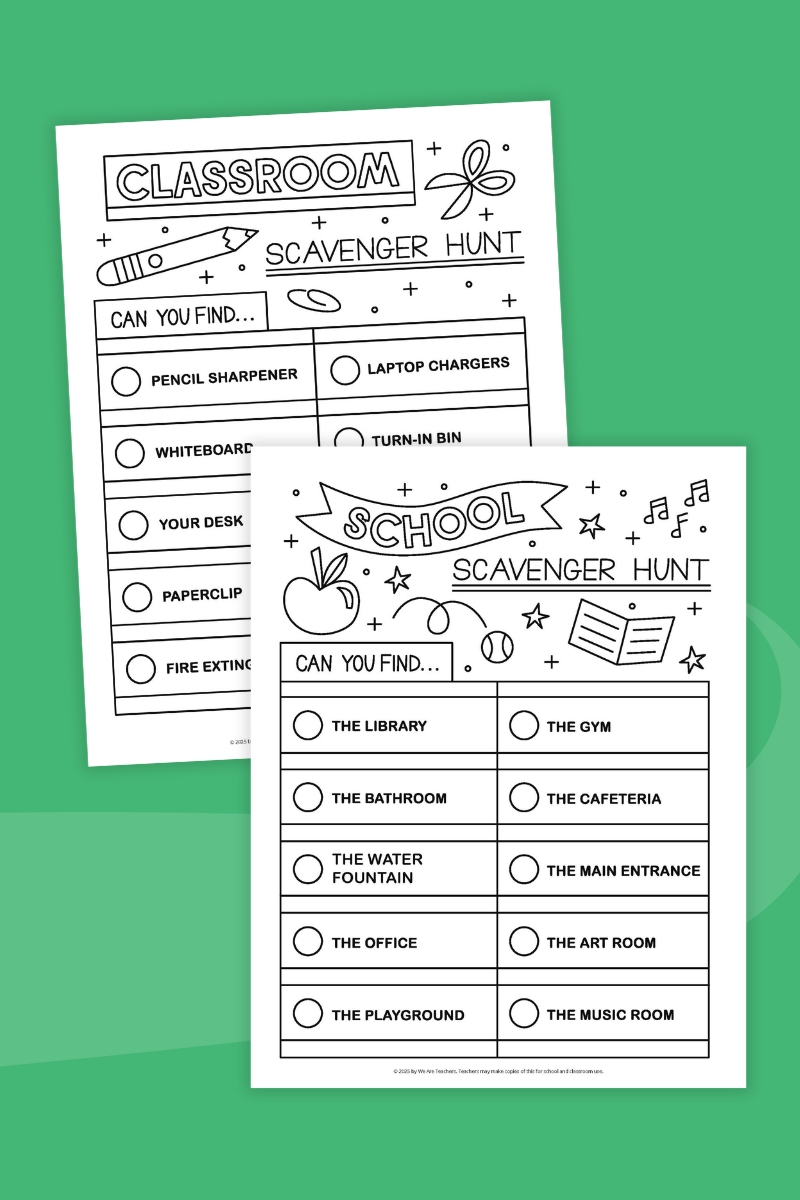
Modern PE curricula often seek to integrate classroom subjects. The "Trivia Relay" requires students to answer a question at a checkpoint before they can pass the baton, while the "Puzzle Relay" tasks a team with assembling a jigsaw puzzle piece by piece. The "Scavenger Hunt Relay" turns the gym into a search-and-find environment, rewarding observation skills as much as speed.
Supporting Data: The Impact of Movement on Academic Performance
The implementation of these diverse relay races is supported by a growing body of research linking physical activity to cognitive function. A study published in the Journal of School Health found that students who participated in short bursts of high-intensity physical activity, similar to a relay race, showed improved concentration and memory in subsequent classroom sessions. Furthermore, structured play has been shown to reduce school-related anxiety and improve social cohesion among peer groups.
By providing varied stimuli—ranging from the high-speed "Scooter Relay" to the slow, methodical "Paper Plate Relay" (where students must create their own path)—educators can cater to different learning styles. Visual learners excel in "Hula-Hoop Build," while kinesthetic learners thrive in the "Cartwheel Relay" or "Hobbyhorse Relay."
Logistical Implementation and Assessment
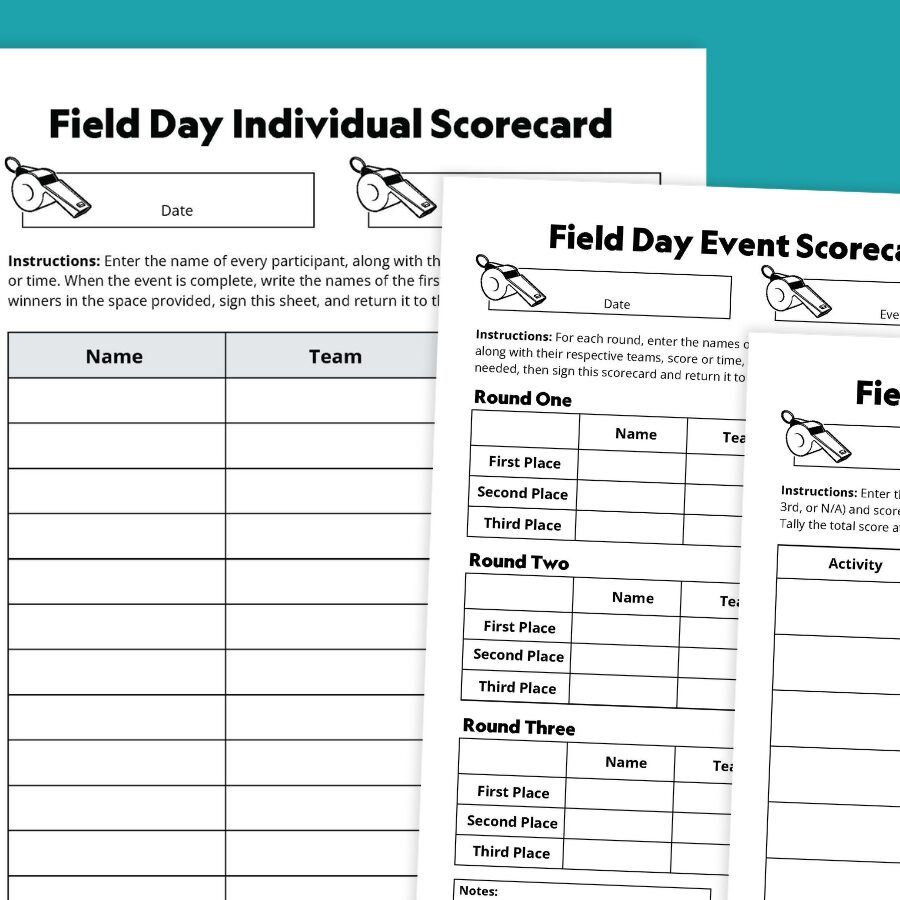
To ensure the success of a relay-based curriculum, logistical preparation is paramount. Educators are encouraged to use standardized "Field Day Scorecards" to track team progress and individual achievements. These documents serve as more than just a leaderboard; they provide data points for assessing a student’s improvement in specific motor skills over time.
Official best practices for relay races include:
- Clear Boundaries: Using brightly colored cones to prevent lane merging and collisions.
- Equitable Team Distribution: Balancing teams based on skill level to ensure competitive integrity.
- Safety Protocols: Ensuring that activities like the "Punching Bag Relay" (popping paper bags) or "Banana Pass" (using feet to pass fruit) are conducted on appropriate surfaces to prevent slips or falls.
Broader Impact and Future Outlook
As school districts navigate the post-pandemic landscape, the role of collective movement has never been more vital. Relay races serve as a micro-community where children can safely fail, recover, and eventually succeed alongside their peers. The "Mummy Wrap" (using toilet paper) or the "Shoebox Relay" (sliding in boxes) may appear lighthearted, but they are essential components of a strategy to rebuild social bonds that were frayed during periods of isolation.
In conclusion, the 48 relay race ideas championed by Coach Gelardi and physical education experts provide a comprehensive toolkit for the modern educator. By moving beyond the simple sprint and embracing the complexity of the "Ice-Cream Cone" or the "Rock, Paper, Scissors" relay, schools can foster a generation of children who are not only physically fit but also adept at the nuances of teamwork and strategic thinking. As physical education continues to evolve, the relay race will remain a cornerstone of the field, adaptable to any equipment, any space, and any student population.
