
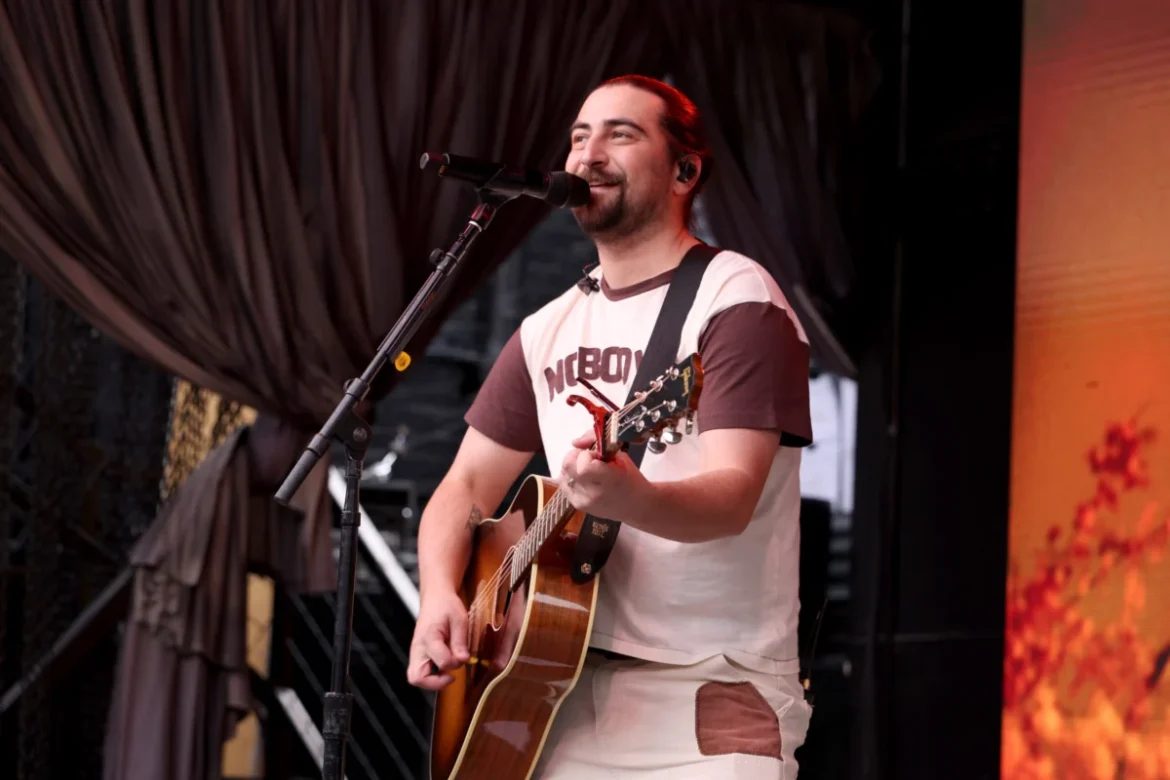
A powerful coalition of New England’s most prominent recording artists, including Grammy-nominated singer-songwriter Noah Kahan, alternative rock legends The Pixies, and punk rock stalwarts Dropkick Murphys, have united to advocate for a groundbreaking piece of legislation in Massachusetts. These artists, alongside a roster of other influential musicians, have penned an open letter urging state lawmakers to approve recently introduced bills aimed at capping the exorbitant prices charged by ticket scalpers in the secondary market. The initiative, championed by Governor Maura Healey, seeks to redefine the accessibility of live music, transforming it from a luxury commodity into an experience available to a broader audience.
The "Great Divide Act": A Proposed Solution to Scalping
At the heart of this movement is "The Great Divide Act," legislation spearheaded by Governor Maura Healey. Named in a poignant nod to Noah Kahan’s latest chart-topping album, the bill proposes a strict limit on ticket resale prices, capping them at a mere 110 percent of the original face value. This means that a ticket originally priced at $100 could, under this new law, only be resold for a maximum of $110. Beyond price caps, the legislation also targets other predatory practices within the secondary ticketing ecosystem. It aims to impose limits on fees charged by third-party resale platforms and, crucially, outlaw "speculative ticketing." This latter practice involves ticket brokers listing and advertising tickets for sale before they have actually acquired them, creating a false sense of availability and further inflating prices.
The urgency behind this legislative push is underscored by the artists’ impassioned plea. In their joint letter, the signatories articulated a shared sentiment: "Live performance should not be a luxury. Our art is not a commodity to be bought and resold at extreme markups against our wishes. People who contribute nothing to live performance should not profit more than the artists, venues, crews, and workers who bring these shows to life." This statement directly confronts the pervasive issue of scalpers and resale platforms capitalizing on the demand for popular concerts, often at the expense of dedicated fans and the very creators of the art.
Artists Speak Out Against Exploitation
The letter, dated Wednesday, revealed the deep-seated frustration and concern felt by artists who witness their fans being priced out of attending their own shows. "Few things hurt an artist more than seeing a fan exploited by a ticket reseller," the artists wrote. "It’s heartbreaking to read comments from fans who paid outrageous resale prices, knowing there’s little we can do to help. Every artist signing this letter has experienced that feeling. Predatory resale, scalping, ticket touting, whatever you choose to call it, does more than exploit fans financially. It erodes the trust between artists and the people who support us."
This sentiment is particularly resonant given Noah Kahan’s amplified advocacy for ticket reform. Kahan has been an increasingly vocal proponent of fairer ticketing practices, lending his considerable platform to not only the Massachusetts bill but also to a similar piece of legislation recently enacted in his home state of Vermont. His active involvement serves as a powerful endorsement, drawing attention to the systemic issues plaguing the live music industry.
A Growing Wave of Reform Across the Nation
The Massachusetts initiative is not an isolated event but rather a reflection of a broader, burgeoning movement across the United States seeking to curb the excesses of ticket scalping. States and municipalities are increasingly recognizing the detrimental impact of unchecked resale markets on consumer access and the economic health of the live entertainment sector.
In Maine, legislation to cap resale ticket prices was introduced last year, signaling a regional shift towards greater regulation. California and New York have also seen similar bills introduced this year, demonstrating a growing bipartisan interest in addressing the issue. Most recently, Washington, D.C., took decisive action by approving a price cap on concert ticket resales just last week, further bolstering the momentum for reform. This wave of legislative activity suggests a growing consensus among policymakers that the current ticketing landscape is unsustainable and inequitable.
Industry Support Bolsters the Cause
The artists’ call to action is amplified by the backing of several influential industry organizations. Groups such as the Music Artist Coalition, the National Independent Talent Organization, and the Future of Music Coalition have publicly endorsed "The Great Divide Act." These organizations represent a broad spectrum of music professionals, from independent artists to established industry players, all united by a common goal of fostering a more equitable ticketing environment.
Ron Gubitz, Executive Director of the Music Artist Coalition, expressed his organization’s strong support, stating, "Artists and fans want the same thing: a fair shot at getting into the room where the music happens. Speculative tickets and runaway resale fees break that deal for everyone except the industrial-scale ticket flippers. The Great Divide Act draws that line clearly. Massachusetts, led by Gov. Healey and Sen. Fernandes, is leading the country here with this strong set of reforms." His statement highlights the alignment of interests between artists and fans, emphasizing that the current system disproportionately benefits a select few at the expense of the many.
The Economic and Cultural Implications of Ticket Scalping
The economic impact of ticket scalping is significant and multifaceted. While often framed as a simple matter of supply and demand, the reality is far more complex. Large-scale ticket brokers and bots can acquire vast quantities of tickets for popular events before they are even made available to the general public. These entities then resell these tickets at prices that can be several times the original face value, pocketing substantial profits. This practice not only denies genuine fans the opportunity to attend concerts at affordable prices but also diverts revenue that could otherwise go to artists, venues, and the numerous workers who contribute to the live event experience, from roadies and sound engineers to ushers and concession staff.
Furthermore, the cultural implications are profound. When live performances become inaccessible due to exorbitant prices, it can stifle the broader cultural participation in music and the arts. This is particularly concerning for emerging artists who rely on building a dedicated fanbase. If aspiring fans are consistently priced out of shows, it can hinder their ability to connect with new music and develop a lasting appreciation for artists, ultimately impacting the future of the music ecosystem. The artists’ letter eloquently captures this concern, noting that "shows are where families make memories, where young people discover who they are, and where entire rooms of people share something that cannot be recreated anywhere else." The commodification of these experiences threatens to diminish their inherent value and accessibility.
A Historical Context of Ticketing Challenges
The current debate over ticket scalping is not new. For decades, the live entertainment industry has grappled with the challenges posed by secondary ticket markets. Early forms of scalping existed long before the advent of the internet, with individuals reselling tickets outside venues. However, the digital age and the rise of sophisticated online platforms have dramatically amplified the scale and efficiency of these operations. The development of automated ticket-buying software, commonly known as "bots," has enabled brokers to purchase thousands of tickets in seconds, overwhelming consumer access.
Legislation aimed at regulating ticket sales has been a contentious issue for years. While some argue that market forces should dictate resale prices, proponents of regulation contend that the unique nature of live entertainment, with its limited capacity and inherent cultural value, warrants intervention to ensure fair access. The naming of the Massachusetts bill after Noah Kahan’s album, "The Great Divide," is a deliberate rhetorical strategy to highlight the perceived chasm between the artists’ intentions and the reality of the current ticketing market, emphasizing the division between those who create and those who profit without contributing to the artistic endeavor.
The Road Ahead for "The Great Divide Act"
As "The Great Divide Act" moves through the legislative process in Massachusetts, the unwavering support from a broad coalition of artists and industry stakeholders positions it as a significant contender for passage. The detailed letter submitted by the musicians provides a powerful testament to the human cost of unchecked ticket scalping, resonating with the experiences of countless fans who have been priced out of their favorite events.
The implications of this bill, if passed, could extend beyond Massachusetts. It could serve as a model for other states seeking to implement similar reforms, contributing to a national conversation and potentially a more equitable future for live music. The successful passage of this legislation would represent a victory for artists, fans, and the broader cultural landscape, reaffirming that the shared experience of live performance should remain an accessible joy, not a privilege reserved for the highest bidder. The coming weeks will be crucial in determining whether Massachusetts will indeed lead the nation in ushering in a new era of fair ticketing practices.
Full Letter and Signatories
The following is the complete text of the letter penned by the coalition of artists:
We write as artists who believe deeply in the power of live performance. Shows are where families make memories, where young people discover who they are, and where entire rooms of people share something that cannot be recreated anywhere else. We want these moments to be accessible to everyone, not just those who can afford prices driven by a broken ticket resale market.
Live performance should not be a luxury. Our art is not a commodity to be bought and resold at extreme markups against our wishes. People who contribute nothing to live performance should not profit more than the artists, venues, crews, and workers who bring these shows to life.
Few things hurt an artist more than seeing a fan exploited by a ticket reseller. It’s heartbreaking to read comments from fans who paid outrageous resale prices, knowing there’s little we can do to help. Every artist signing this letter has experienced that feeling. Predatory resale, scalping, ticket touting, whatever you choose to call it, does more than exploit fans financially. It erodes the trust between artists and the people who support us.
We know how much our fans give to be part of these moments. They plan, they save, and they show up. Our fans support us without hesitation, and we owe it to them to stand up for a system that doesn’t shut them out.
Massachusetts is acting to protect our fans by capping resale at 110%, banning speculative tickets and cracking down on deceptive websites. We respectfully ask Massachusetts legislators to stand up for their constituents by protecting fair access to live performances and supporting these reforms.
Noah Kahan
Dropkick Murphys
The Pixies
Goose
Aimee Mann
Killswitch Engage
Shadows Fall
Four Year Strong
New England Metal and Hardcore Fest
A Loss For Words
All That Remains
Flawed Mangoes
Mark Erelli
Melissa Ferrick
Mission of Burma
Ryan Montbleau
