
The proliferation of generative artificial intelligence has fundamentally altered the landscape of digital fraud, shifting the paradigm from broad-based phishing campaigns to highly localized, targeted deception. A recent incident involving a popular Los Angeles eatery, Masa of Echo Park, serves as a quintessential case study in how bad actors are weaponizing synthetic media to exploit automated refund policies in the food delivery ecosystem. This confrontation highlights a growing vulnerability for brick-and-mortar establishments operating within the modern gig economy, where algorithmic dispute resolution often prioritizes customer satisfaction over merchant verification.
The Anatomy of the Deception
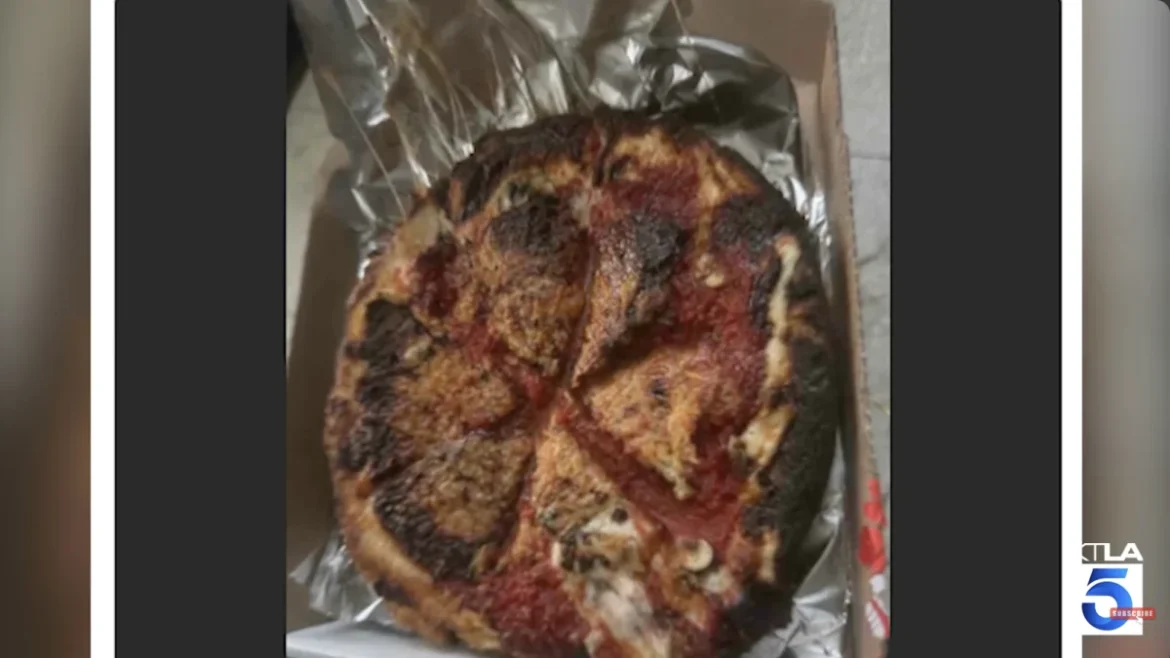
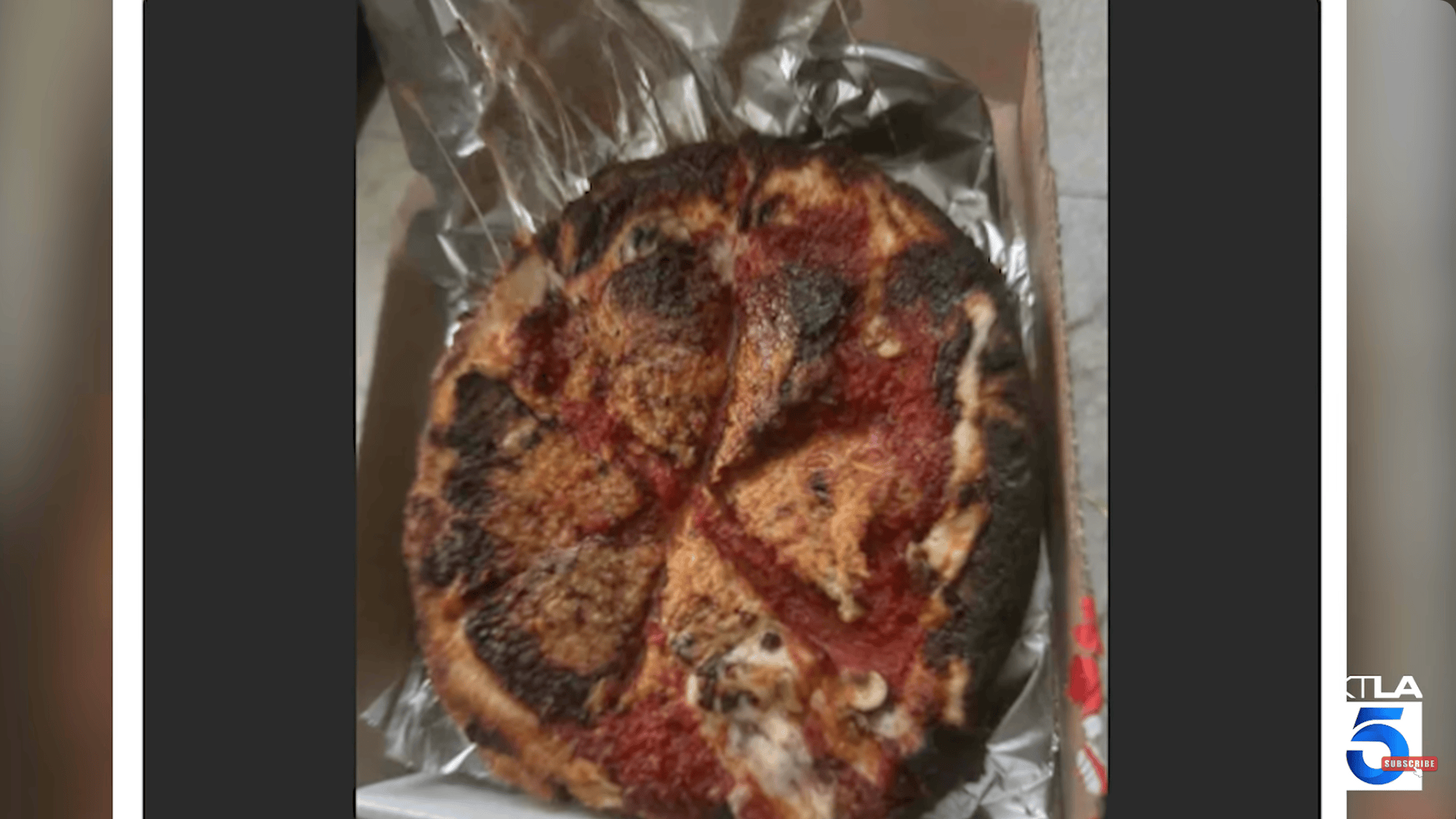
The incident began with a standard delivery order placed through a third-party service, DoorDash, from Masa of Echo Park. The customer, identified in correspondence as “Dana B,” received the order and subsequently initiated a dispute for a full refund. To substantiate the claim that the meal was inedible, the customer submitted a photograph of a Chicago-style pizza that appeared to be severely charred—virtually a disc of carbon.
The accompanying message, riddled with grammatical errors and hyperbolic language, stated: “its burnt to heck. burnt. black. cant eat it. dont wanna eat cancer…” Such tactics are common in social engineering; by utilizing urgent, emotionally charged, and visually graphic language, the perpetrator seeks to bypass the standard investigation protocols that delivery platforms typically employ. For the customer, the goal was simple: obtain a refund while keeping the meal, a form of "friendly fraud" that is increasingly common but rarely elevated to the level of technological sophistication seen in this instance.
Chronology of the Fraudulent Claim
The events unfolded with a speed that underscores the efficiency of automated systems, but also their inherent flaws.
- The Order: The customer placed an order for a Chicago-style pizza at Masa of Echo Park.
- The Fulfillment: Kitchen staff prepared the order in accordance with standard procedures. Internal security footage from the restaurant later confirmed that the pizza placed into the delivery box was fully cooked and in pristine condition, showing no signs of the charring depicted in the fraudulent image.
- The Dispute: Shortly after delivery, the customer submitted the claim through the delivery platform’s interface, attaching the AI-generated photograph of the “burnt” pizza.
- The Automated Response: The platform’s automated system initially processed the claim, likely triggering an immediate refund to the customer based on the photographic “evidence” provided.
- The Verification: Rhonda Reynolds, the proprietor of Masa of Echo Park, received notice of the refund. Recognizing the impossibility of the claim, she initiated a manual investigation.
- The Reversal: Reynolds utilized forensic tools—specifically an AI-detection application—and cross-referenced the claim with her own security logs. Upon submitting these findings to the delivery platform, the initial refund was reversed.
The Role of Synthetic Media in Modern Fraud
The photograph provided by the customer is believed to be a product of generative AI. These tools allow users to prompt a model to "create an image of a burnt pizza in a delivery box," producing a result that, to an untrained eye, looks sufficiently authentic to pass cursory digital inspection.
This represents a transition from traditional “refund fraud,” where customers might swap items or lie about missing food, to a more sophisticated tier of digital forgery. The implications for small businesses are profound. According to industry data, merchants lose billions of dollars annually to return fraud and chargebacks. While many of these are traditional in nature, the integration of generative AI lowers the barrier to entry for potential scammers, allowing them to fabricate evidence that is difficult to distinguish from genuine photographs.
Technological Countermeasures and Detection
Rhonda Reynolds’ decision to utilize an AI-detection tool—which indicated a 96 percent probability that the image was synthetically generated—is part of a growing trend in defensive technology. These detection platforms analyze pixel-level anomalies, such as inconsistent lighting, artifacting in textures, and the “uncanny valley” effects that often betray AI models.
However, the technology is currently in a state of rapid flux. As detection tools improve, generative models are simultaneously evolving to produce more convincing results. Experts in cybersecurity warn that relying solely on AI detection software is not a panacea. The most effective defense remains a combination of traditional verification—such as timestamped kitchen photography—and the willingness of platforms to allow merchants to contest disputed claims with human-in-the-loop review.
Broader Economic and Operational Impacts
The incident at Masa of Echo Park raises critical questions regarding the liability of third-party delivery platforms. In the race for customer retention, these platforms have heavily invested in frictionless refund processes. While this creates a positive user experience for legitimate customers, it creates a massive loophole for bad actors.

Small business owners are now forced to consider the “hidden cost” of delivery services. If a merchant must spend an hour of labor or management time to dispute a $30 fraudulent refund, the service effectively becomes a net loss. There is a growing consensus among restaurateurs that platforms must implement more robust verification systems, potentially requiring photographic evidence to be uploaded in real-time or allowing merchants a wider window to provide counter-evidence before funds are automatically clawed back.
The Future of Trust in Digital Commerce
The sentiment expressed by Reynolds—“If this is a new frontier, we’re not gonna make through to the other side if all of our time is spent on scams”—resonates across the hospitality and retail sectors. The democratization of AI has turned the average consumer into a potential content creator, and in the hands of malicious actors, that power is being turned against the very businesses that provide the goods and services the digital economy relies upon.
Industry analysts suggest that the next phase of this conflict will involve the implementation of "content credentials." Similar to digital watermarking, these systems would verify that an image was captured by a specific device at a specific time and location, effectively authenticating the metadata. Until such technology is standardized, merchants are encouraged to:
- Maintain internal records: Keep high-quality security footage of order preparation for a minimum of 48 to 72 hours.
- Proactive communication: Establish a direct line of communication with account representatives at delivery platforms to flag serial fraudulent accounts.
- Leverage community intelligence: Share information regarding known bad actors within local business associations to identify patterns of fraudulent activity.
Conclusion
The incident in Los Angeles is not merely an isolated case of a dishonest customer; it is a symptom of a broader societal shift. As AI tools become more ubiquitous, the digital ecosystem must adapt to a reality where “seeing is no longer believing.” For small businesses like Masa of Echo Park, the struggle is an existential one, forcing them to balance the need for digital accessibility with the necessity of rigorous, evidence-based verification. Whether the platforms that facilitate these transactions will rise to the challenge by implementing better protections, or whether the burden of proof will continue to rest solely on the merchant, remains the defining question for the future of the gig economy.
