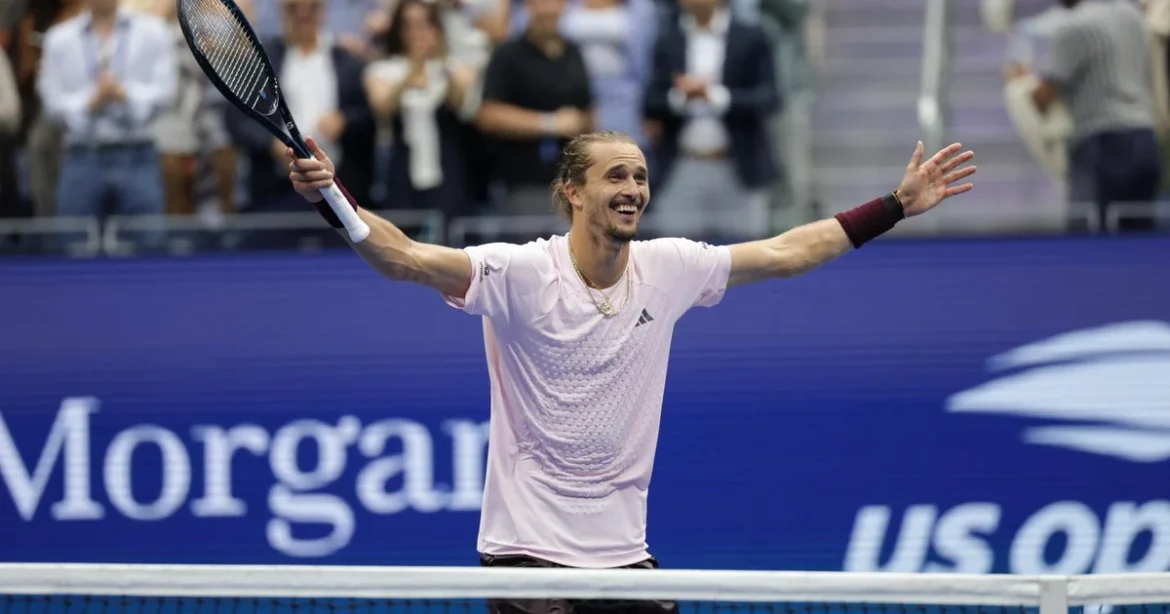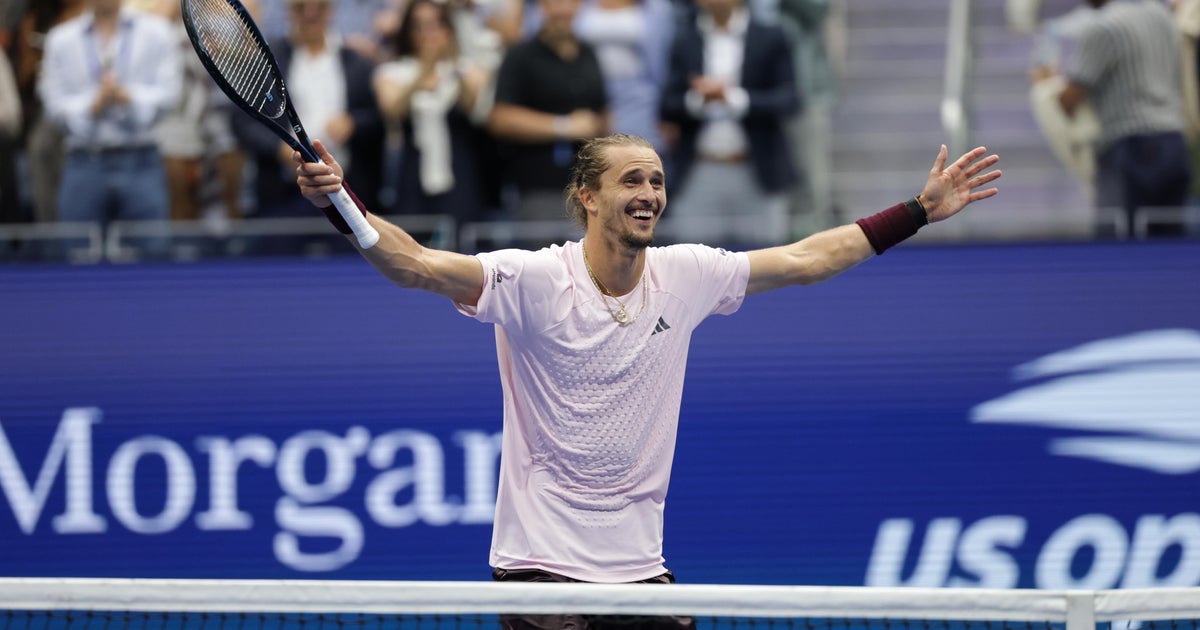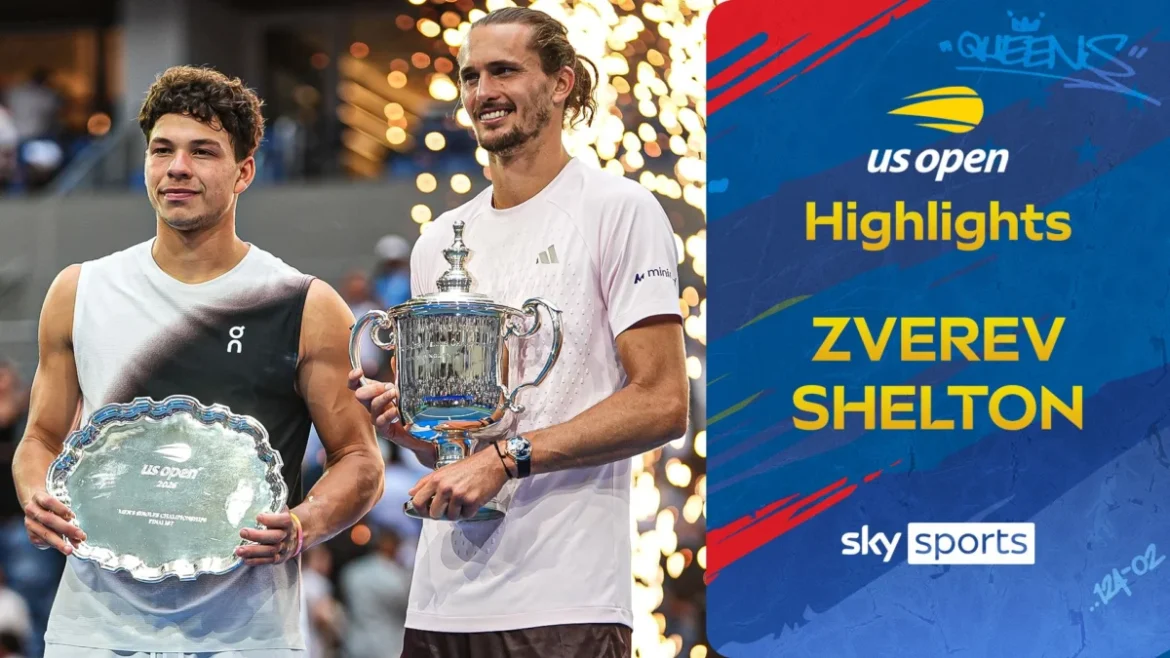
The 2026 US Open concluded on Sunday evening at Arthur Ashe Stadium with a historic performance, as Alexander Zverev secured his first career Grand Slam title in a grueling five-set encounter against the rising American star Ben Shelton. In a match that spanned four hours and 12 minutes, the German fourth seed demonstrated remarkable resilience to overcome the partisan crowd and a persistent Shelton, ultimately clinching the trophy with a final scoreline of 6-4, 4-6, 7-6(4), 3-6, 6-2. This victory marks a significant turning point in Zverev’s career, solidifying his status as a dominant force in modern tennis while signaling the arrival of a new generation of American contenders on the global stage.
A Chronology of the Final
The match began under the bright lights of New York, with both players establishing an immediate rhythm. Zverev, drawing on his extensive experience in major tournament pressure, secured an early break in the fifth game of the first set. His serve, a weapon that has been criticized for inconsistency in the past, functioned with surgical precision, allowing him to dictate rallies and close the set 6-4.
Shelton, buoyed by the raucous support of the home crowd, responded with characteristic intensity in the second set. The American utilized his explosive forehand to disrupt Zverev’s baseline dominance, securing a crucial break in the eighth game. Shelton held his nerve, serving out the set at 6-4 to level the match and shift the momentum.
The third set proved to be the pivotal juncture of the contest. Both players held serve through 12 games, forcing a tie-break that showcased the tactical maturity of both men. Zverev leaned on his backhand down the line, a shot that consistently found the corners of the court, to secure the tie-break 7-4. Despite losing the third, Shelton refused to yield, surging back in the fourth set to force a decider, capitalizing on a slight dip in Zverev’s second-serve percentage.
In the final set, the physical and mental toll of the previous three hours became apparent. Zverev, showing the fitness levels that have defined his 2026 season, broke Shelton’s serve in the second and sixth games. While Shelton attempted a late rally, Zverev remained composed, closing out the match with a dominant service game to seal his maiden Slam title.
Statistical Breakdown and Match Data
The match statistics provide a clear narrative of a contest decided by fine margins. Zverev’s service efficiency was the cornerstone of his victory; he landed 72% of his first serves and saved 11 of 14 break points faced throughout the match. His ability to navigate high-pressure points proved superior, particularly in the fifth set, where he won 85% of points on his first serve.
Conversely, Shelton’s aggressive approach resulted in 54 winners, eclipsing Zverev’s 42. However, the American also committed 48 unforced errors, compared to Zverev’s 32. The discrepancy in unforced errors highlights the tactical difference: Shelton was hunting for lines and angles to bypass Zverev’s defensive wall, whereas Zverev focused on maintaining depth and consistency to force his opponent into taking unnecessary risks.
Tournament data for 2026 indicates that Zverev had spent approximately 18 hours on court leading up to the final, slightly more than Shelton’s 16.5 hours. Despite the heavier workload, Zverev’s recovery metrics and court coverage statistics in the fifth set were among the best of the tournament, suggesting a highly optimized training regimen heading into the North American hard-court swing.
Official Reactions and Post-Match Statements
In the immediate aftermath of the trophy ceremony, both players exhibited mutual respect. Addressing the press, Zverev remarked on the significance of the victory: "This is a moment I have worked toward for my entire professional life. To win here, in this stadium, against a player of Ben’s quality, is incredibly meaningful. I had to dig deeper than I ever have before, and I am proud of the composure I maintained in that final set."
Ben Shelton, while visibly disappointed, remained optimistic about his trajectory. "I think today showed that I belong at this level," Shelton stated. "I learned a lot about how to manage the ebbs and flows of a five-set match against a top-tier opponent. Alexander played exceptionally well under pressure, especially in the fifth. I will take this experience, refine my approach, and return stronger for the Australian season."
Tournament officials and analysts were quick to praise the high quality of tennis displayed. ATP representatives noted that the 2026 US Open final reached record-breaking viewership numbers in both the United States and Europe, indicating a growing global interest in the rivalry between established stars and the emerging cohort of younger players.
Broader Impact and Implications
The victory carries profound implications for the ATP rankings and the remainder of the 2026 season. Zverev is expected to climb to the world number two position, his highest ranking since his return from injury in previous years. This victory also effectively breaks the "Grand Slam drought" that had followed him throughout his career, silencing critics who questioned his ability to secure a title at the sport’s most prestigious events.
For Ben Shelton, the run to the final serves as validation of his transition into the upper echelons of the men’s game. As the first American male to reach the US Open final in nearly two decades, his performance has catalyzed a surge in domestic interest in tennis. His ability to sustain high-level play across a two-week tournament suggests he is a viable contender for major titles in the coming years.
The match also highlights a shift in the tactical landscape of professional tennis. The 2026 season has seen a return to prominence for high-intensity, physical baseline play, with players increasingly focusing on defensive transition and serve-plus-one combinations. Both Zverev and Shelton are prime examples of this evolution, utilizing immense wingspans and athletic capability to neutralize traditional serve-and-volley strategies.
Furthermore, the economic impact of this final on the sport is significant. Sponsorship interest in both players is projected to rise, with brands looking to capitalize on the contrasting personas: Zverev’s seasoned, methodical approach versus Shelton’s energetic, charismatic playstyle. As the tour moves toward the indoor hard-court season in Europe, the momentum generated by this final is expected to dominate the conversation surrounding the ATP Finals.
Ultimately, Sunday’s final will be remembered as the night Alexander Zverev silenced his doubters and established his legacy. It was a test of endurance, a masterclass in tactical discipline, and a spectacle that underscored why the US Open remains the premier theater for tennis greatness. As the tour prepares for the final stretch of the year, the landscape of men’s tennis looks as competitive and compelling as it has in a decade, with a new champion at the helm and a challenger who has proven he is ready for the biggest stage of all.