
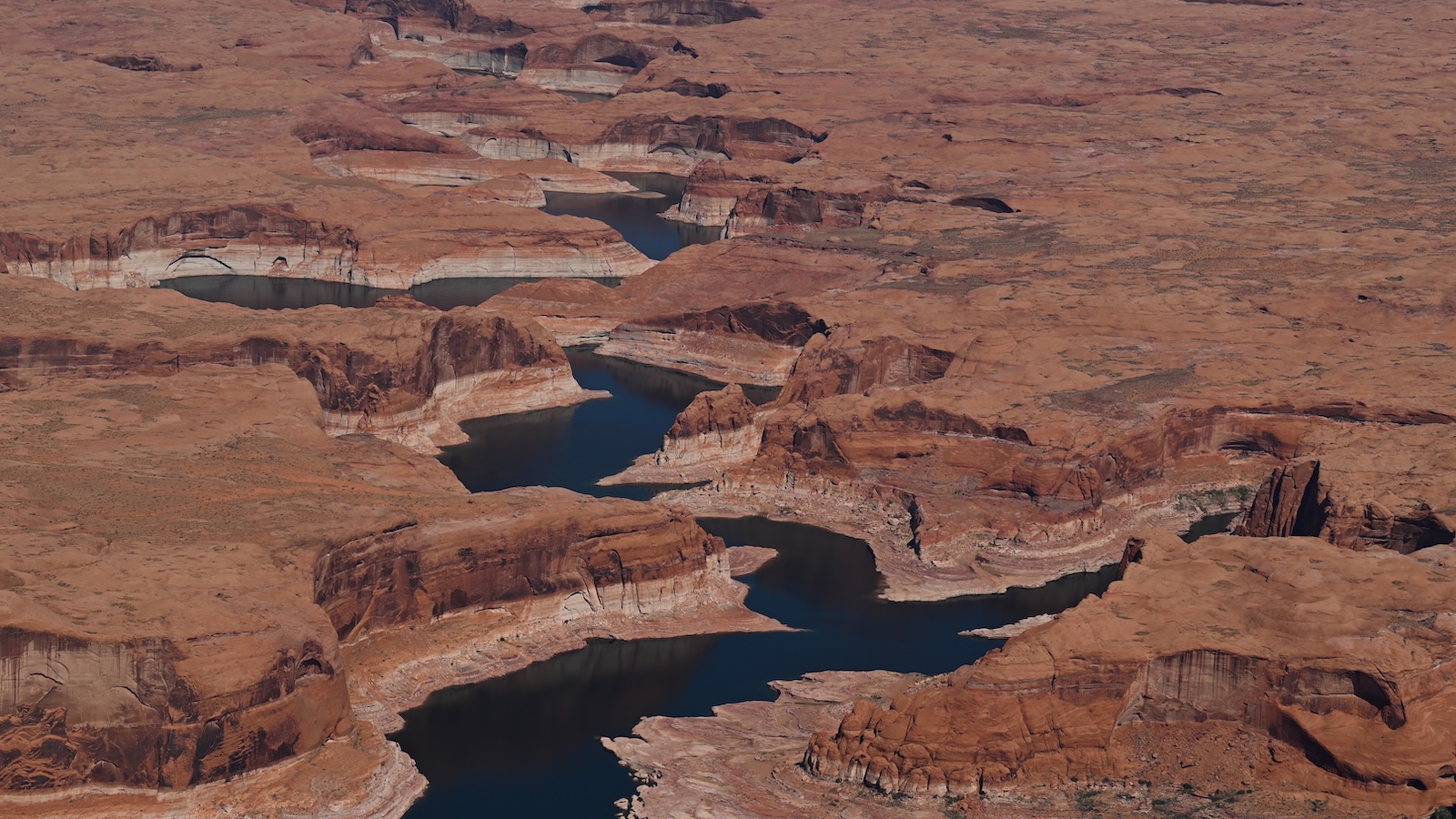
The crisis on the Colorado River is defined by a fundamental mathematical imbalance: the seven Western states that rely on this essential waterway collectively consume more water than the river provides. This chronic overuse, compounded by a twenty-year "megadrought" cycle exacerbated by climate change, has systematically drained the river’s two primary reservoirs, Lake Powell and Lake Mead. These massive man-made lakes, which serve as the bank accounts for the American West’s water supply, have hovered at historic lows, threatening to reach "dead pool" status—a point where water can no longer flow downstream to power hydroelectric turbines or provide for municipal and agricultural needs.
For years, the idealized solution to this systemic failure has been a comprehensive agreement among the basin states to drastically reduce consumption. Such a deal would require painful compromises, dictating which metropolitan areas must outlaw lawn irrigation and car washing, and which agricultural sectors must fallow their fields or abandon thirsty crops like alfalfa and cotton. However, achieving this consensus has proven to be a monumental challenge. Negotiations that intensified during the 2022 dry spell have frequently devolved into jurisdictional friction and political name-calling.
The central conflict pits the Upper Basin states—Colorado, Utah, Wyoming, and New Mexico—against the Lower Basin states of Arizona, California, and Nevada. Each faction maintains that the other holds the primary legal and moral obligation to bear the brunt of usage cuts. With a crucial September deadline looming for the design of a post-2026 operational schedule, the federal government has found itself in an uncomfortable position. While Interior Secretary Doug Burgum has largely demurred from forcing a resolution to the interstate quarrel, the administration is increasingly pivoting toward a different strategy: a massive infusion of federal capital intended to engineer a way out of the scarcity.
A Legacy of Scarcity: The Chronology of the Colorado River Crisis
The current stalemate is the result of over a century of legal and environmental pressures. To understand the gravity of the $50 billion "wish list" currently before Congress, one must look at the timeline of the river’s management.
The foundation of the river’s governance is the 1922 Colorado River Compact. At the time of its signing, the river’s annual flow was estimated during an unusually wet period, leading to an over-allocation of water rights that persists to this day. By the early 2000s, the onset of a persistent drought began to expose these flaws. In 2007, the states agreed to a set of interim guidelines for shortages, but as reservoir levels continued to plummet, these measures proved insufficient.
By 2019, the states signed the Drought Contingency Plan, a stop-gap measure designed to keep the reservoirs from collapsing. However, the extreme heat and low snowpack of 2021 and 2022 pushed the system to the brink, forcing the federal government to mandate emergency releases and pay farmers to stop irrigating. Now, as the 2026 expiration of current guidelines approaches, the states remain deadlocked on how to share the pain of a permanently smaller river.
The Shift from Conservation to Augmentation
Faced with an intractable political impasse, the Department of the Interior and various Congressional committees are weighing a series of ambitious, high-tech projects aimed at increasing the water supply. This represents a significant policy shift. Traditionally, the focus has been on demand management—using less. The new "all-of-the-above" approach focuses on supply augmentation—creating or finding new water.
Jennifer Pitt, the Colorado River program director at the National Audubon Society, notes that federal investment is a pragmatic response to the political gridlock. "It is something easier for people to agree on," Pitt explained. She characterized the situation as a "slow-moving crisis," arguing that the federal government’s history of funding disaster relief for hurricanes or wildfires should apply equally to the West’s hydrological collapse.
During a recent Senate committee oversight hearing, Andrea Travnicek, the Interior Department’s top water official, confirmed that the agency is currently reviewing a $50 billion proposal submitted by the seven basin governors. While Travnicek urged lawmakers to remain "thoughtful" regarding taxpayer expenditures, there appears to be bipartisan support for new infrastructure. Senator Martin Heinrich (D-NM) emphasized that the region should not be forced to choose between immediate stabilization and long-term negotiations.
Desalination: Tapping the Pacific and the Sea of Cortez
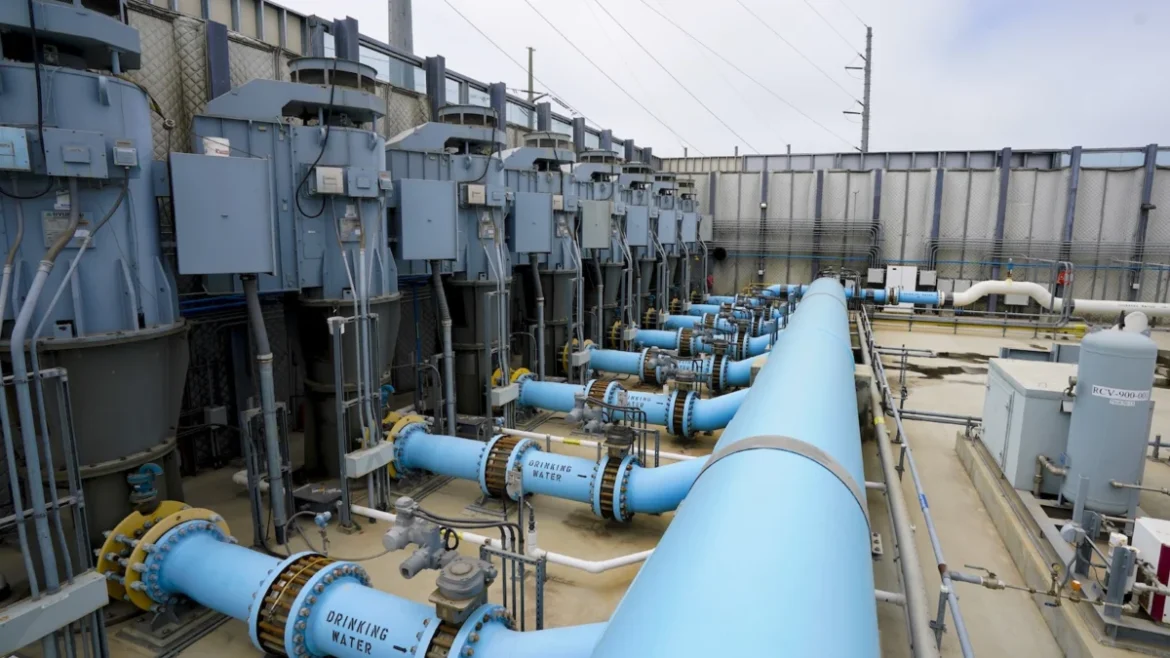
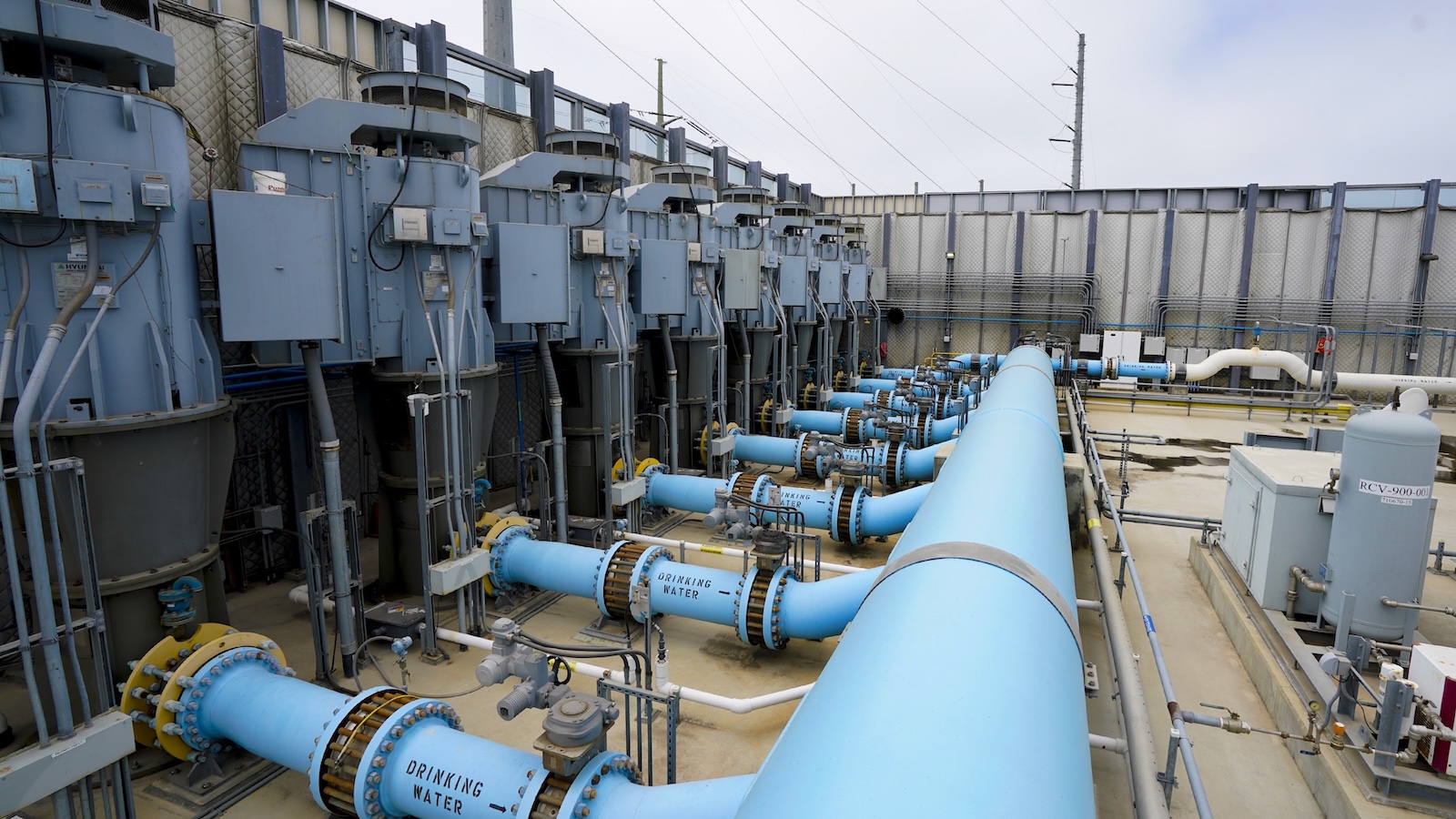
Among the most expensive items on the states’ wish list is a $6 billion proposal for large-scale desalination. The technology, which removes salt and minerals from seawater to create potable water, has long been a dream for the arid Southwest.
The strategy involves a complex interstate exchange. A proposed plant in the Mexican state of Baja California would produce fresh water for Mexican and potentially Southern Californian use. In exchange, those entities would reduce their draw from the Colorado River, allowing landlocked states like Arizona—which faces the steepest mandatory cuts during droughts—to maintain a larger share of the river’s flow.
A precedent for this exists in San Diego, where the Carlsbad Desalination Plant has operated since 2015. However, desalination remains a controversial "silver bullet." The process is incredibly energy-intensive and produces a salty brine byproduct that can damage marine ecosystems. Furthermore, the cost of desalinated water is significantly higher than traditional river water, leading to concerns about affordability for consumers and farmers.
Industrial Efficiency: Targeting Data Centers and Power Plants
While agriculture accounts for nearly 80% of the water used in the Colorado River Basin, Nevada is looking to find savings in its industrial sector. The state, led by the water-conservation efforts of Las Vegas, has already aggressive replaced natural grass with xeriscaping. Now, officials are seeking $300 million to retrofit natural gas power plants to reduce water consumption and $650 million to install zero-water cooling systems in schools, airports, and data centers.
This focus on the tech industry is timely. The boom in artificial intelligence and cloud computing has led to a surge in data center construction across the Southwest. These facilities require massive amounts of water for cooling servers. By shifting to "closed-loop" systems or air-cooling technologies, Nevada hopes to insulate its economic growth from its shrinking water budget.
Atmospheric Engineering: The Rise of Cloud Seeding
In the Upper Basin, where the river’s volume is determined by snowpack rather than reservoir releases, officials are looking to the sky. Cloud seeding—the practice of dispersing silver iodide or salt particles into clouds to stimulate precipitation—is no longer a fringe science.
Utah already invests millions annually in cloud seeding, with state officials claiming it can boost snowpack by up to 10%. The federal government is now being asked to scale these efforts. Private startups are also entering the fray, claiming they can produce enough artificial rain to close the supply gap entirely. While many hydrologists remain skeptical of the long-term, basin-wide efficacy of these "rain machines," the promise of a technological fix is proving attractive to an administration eager to support the domestic tech sector.
The Return of the Cadiz Project
Perhaps the most controversial proposal is the revival of the Cadiz project. For nearly thirty years, the Cadiz company has sought to pump groundwater from an aquifer beneath the Mojave Desert and transport it via pipeline to Southern California.
The project has faced decades of legal challenges and fierce opposition from environmentalists and the late Senator Dianne Feinstein, who argued that mining the desert’s "fossil water" would destroy fragile ecosystems. Under the Biden administration, Cadiz saw its federal permits revoked and its stock price crater. However, under the current political climate, the company has secured a new funding agreement with the Interior Department to study how its groundwater could be exchanged for Colorado River water.
Cadiz CEO Susan Kennedy describes the project as a necessary component of an "all-of-the-above" strategy. Despite its omission from the official governors’ wish list, the project’s resurgence signals a growing desperation to find new water sources at any cost.
Analysis of Implications: A Sustainable Future or a Costly Band-Aid?
The shift toward a $50 billion infrastructure-heavy strategy raises critical questions about the long-term sustainability of the American West. Critics argue that focusing on supply augmentation ignores the "aridification" of the region—a permanent shift toward a drier climate that technology may not be able to overcome.
If the federal government chooses to fund these multi-billion-dollar projects, it risks creating "stranded assets"—expensive infrastructure that may become obsolete if the river’s flow continues to decline faster than technology can compensate. Furthermore, the reliance on federal subsidies may shield states and industries from the necessary economic reality: that the era of cheap, abundant water in the desert is over.
However, proponents argue that without these investments, the alternative is a catastrophic economic collapse and a wave of litigation that could paralyze the region for decades. As the September deadline approaches, the choice for the federal government is becoming clear: force the states into a painful era of austerity, or bet $50 billion on the hope that engineering can triumph over nature. The result of this gamble will determine the survival of the 40 million people who call the Colorado River Basin home.
