
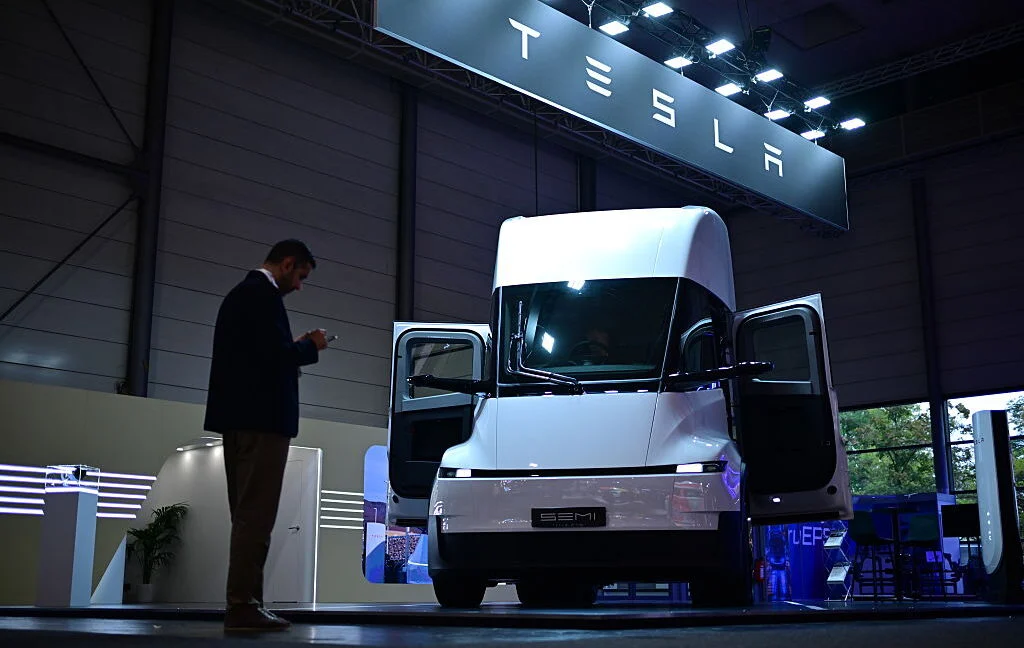
The landscape of American freight and commercial transportation is undergoing a profound and unexpected transformation, driven by a convergence of geopolitical turmoil, shifting federal regulations, and corporate sustainability mandates. In a landmark development for the zero-emission vehicle sector, a powerful coalition of major corporate shippers—featuring global giants such as Microsoft and PepsiCo—has finalized a record-shattering procurement agreement for 2,500 Tesla Semi electric trucks. This massive fleet expansion, slated for delivery beginning this year and extending over the next eighteen months, arrives during a period of acute paradox for the electric vehicle industry.
The deal materializes despite the recent policy maneuvers of the Trump administration and congressional Republicans, who slashed billions of dollars in federal subsidies and support for electric vehicles last year. Ironically, Elon Musk, CEO of Tesla, poured millions of dollars into helping secure that same political administration’s return to the White House. Simultaneously, federal regulators are advancing initiatives to relax fuel economy standards for heavy-duty truck engines—standards that were originally designed to force manufacturers to meet aggressive climate targets. Given that heavy-duty diesel trucks alone account for approximately 7 percent of total greenhouse gas emissions in the United States, these regulatory rollbacks represent a significant retreat from national carbon reduction goals.
Yet, despite the rollback of federal incentives and a loosening of environmental mandates, macroeconomic realities have conspired to create an unexpectedly fertile ground for commercial EV adoption. The ongoing conflict involving Iran has severely disrupted global energy markets, choking oil production and paralyzing shipping lanes in the Middle East. As a direct consequence, United States diesel prices have skyrocketed to unprecedented highs, surging to nearly double the rates recorded during the same period last year. This fossil fuel volatility has radically rewritten the economic equation for logistics and freight operators.
Addressing a pre-taped industry conference, Musk highlighted the shifting financial calculations facing fleet managers. The heavy-duty electric truck is rapidly becoming an undeniable economic imperative, he noted, pointing out that the cost of electricity remains substantially lower than the soaring cost of diesel, especially amid the current geopolitical chaos—a crisis catalyzed by the very federal administration he once briefly advised through the Department of Government Efficiency (DOGE) framework.
Scaling Up the Heavy-Duty Electric Fleet
If the newly ordered 2,500 Tesla Semis successfully reach their corporate destinations on schedule, the deployment will nearly double the total population of heavy-duty electric trucks currently operating on United States roadways, according to data from the national zero-emission truck deployment tracking dashboard maintained by CALSTART.
The collaborative purchasing coalition arrived at its decision to select Tesla’s platform over rival offerings only after conducting a rigorous, multi-faceted evaluation process. According to Meena Bibra, a spokesperson for the nonprofit Smart Freight Centre, which actively facilitated the landmark procurement deal, the selection committee meticulously assessed pricing competitiveness, operational performance, manufacturing capability, and robust service and maintenance support.
While Tesla emerged as the victor for this specific tranche of orders, Bibra emphasized that the commercial vehicle market remains dynamic and competitive. Logistics carriers accustomed to legacy vehicle architectures, or those whose specific operational constraints require different vehicle configurations, continue to have viable alternatives. Fleets retain the flexibility to source alternative electric heavy-duty vehicles from established and emerging manufacturers such as Kenworth, Ride, and Volvo.
A critical element of this record-setting transaction was the pooling of demand among multiple major corporate carriers. By aggregating procurement volume, the alliance successfully exerted market leverage, enabling the electric vehicle manufacturers to negotiate lower per-unit prices for the advanced commercial trucks. This demand-pooling strategy is increasingly viewed by transportation economists as a vital mechanism for accelerating commercial EV adoption in the absence of robust federal subsidies.
Technological Roadmap and Autonomy Aspirations
As Tesla prepares to ramp up production of the Semi to fulfill the massive corporate order, questions remain regarding the integration of advanced driver-assistance technologies. Full Self-Driving (Supervised)—Tesla’s proprietary, highly scrutinized automated driver-assistance software—will not be integrated into the initial batches of the Semi rolling off the production line. However, Musk indicated during his address that the autonomous capability is slated to debut on the commercial platform in the very near future.
This promise echoes the protracted development timeline that has long characterized the Tesla Semi program. The precursor technology, Enhanced Autopilot, was originally promised to prospective buyers during the vehicle’s high-profile initial product unveiling back in 2017. Years of supply chain bottlenecks, battery cell supply constraints, and engineering challenges delayed the commercialization of the Class 8 truck, making the current delivery timeline a long-awaited milestone for both Tesla and its corporate partners.
Chronology of the Commercial EV and Freight Landscape
To fully understand the current convergence of record corporate orders, geopolitical energy shocks, and political headwinds, it is instructive to examine the timeline that has shaped the modern North American freight sector:
- November 2017: Tesla officially unveils the prototype of the Tesla Semi, promising production to begin by 2019 with Enhanced Autopilot capabilities.
- December 2022: Tesla delivers its first production-intent Semi trucks to PepsiCo in a high-profile ceremony, initiating early-stage real-world operational testing.
- 2023–2024: Major corporations begin pilot programs with electric Class 8 trucks from various manufacturers, testing range, payload capacities, and megawatt-charging infrastructure.
- Early 2025: The Trump administration and congressional allies pass legislation cutting billions of dollars in federal consumer and commercial electric vehicle subsidies, while initiating rollbacks on heavy-duty diesel engine fuel economy standards.
- Late 2025/Early 2026: Escalating geopolitical tensions in the Middle East and the ongoing Iran conflict severely impact global oil supply chains, sending US diesel prices surging to historic highs—reaching nearly double the previous year’s averages.
- Current Period: An alliance of major shippers, including Microsoft and PepsiCo, announces a record-setting collective order for 2,500 Tesla Semis, structured for delivery over an 18-month window to hedge against volatile fossil fuel expenses.
Broader Economic Implications and Industry Reactions
The juxtaposition of anti-EV federal policies and soaring corporate adoption underscores a broader economic truth: commercial fleet operators ultimately make procurement decisions based on total cost of ownership (TCO) rather than political rhetoric or fluctuating subsidies. When diesel prices double due to international conflict, the operational savings promised by electric powertrains transcend partisan debates over climate goals and environmental regulations.
Logistics experts point out that heavy-duty trucks operate on tight profit margins, where fuel costs represent one of the single largest variable expenses for a fleet manager. Even with the elimination of federal purchase incentives, the immense fuel savings realized by operating on grid electricity rather than volatile diesel fuel creates a compelling financial payback period. Furthermore, corporate sustainability targets—often driven by investor pressures and Scope 3 greenhouse gas accounting standards—continue to compel Fortune 500 companies to aggressively decarbonize their supply chains.
At the same time, the broader implications for the domestic energy grid and heavy-duty charging infrastructure cannot be overlooked. Deploying thousands of Class 8 electric trucks requires the rapid buildout of megawatt-level charging depots along major freight corridors. Energy analysts warn that while the economic incentive to electrify is stronger than ever due to oil market disruptions, local utilities and grid operators must accelerate investments in transmission capacity to support the massive electrical draw demanded by commercial truck fleets.
As the first waves of the 2,500 Tesla Semis roll out onto American highways over the coming months, the experiment will serve as a definitive stress test for commercial electric mobility. If Microsoft, PepsiCo, and their coalition partners successfully prove the operational viability and economic resilience of these electric heavy-duty fleets under extreme diesel pricing conditions, it could fundamentally reshape the future of global logistics—proving that market forces and geopolitical realities can ultimately outweigh domestic political shifts.
