
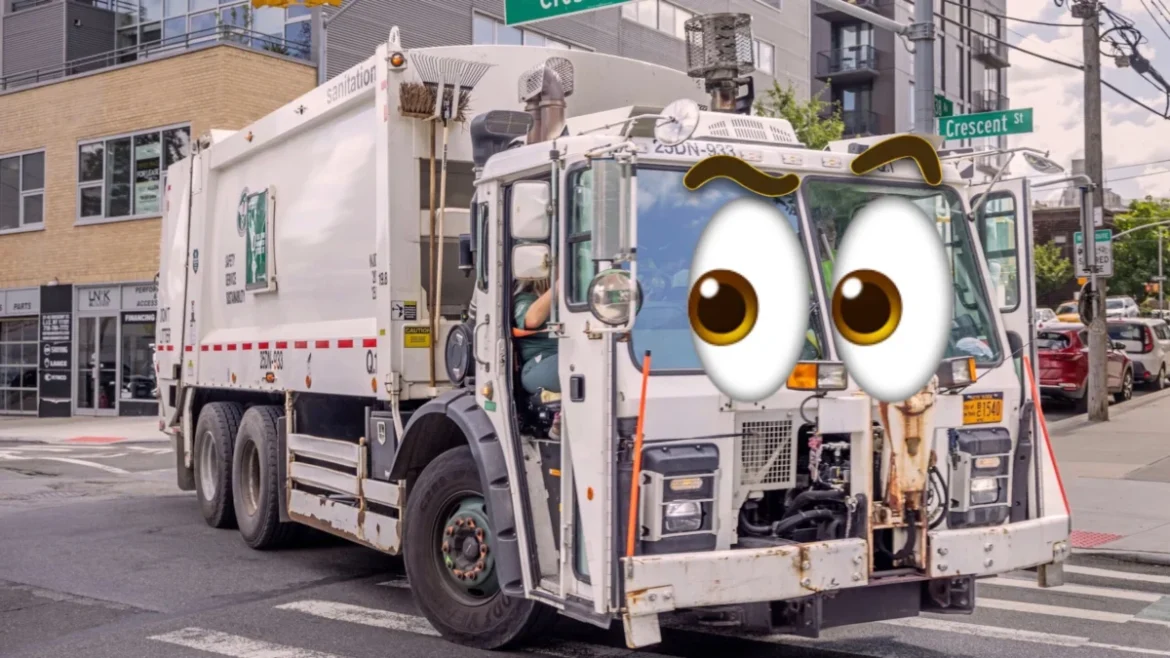
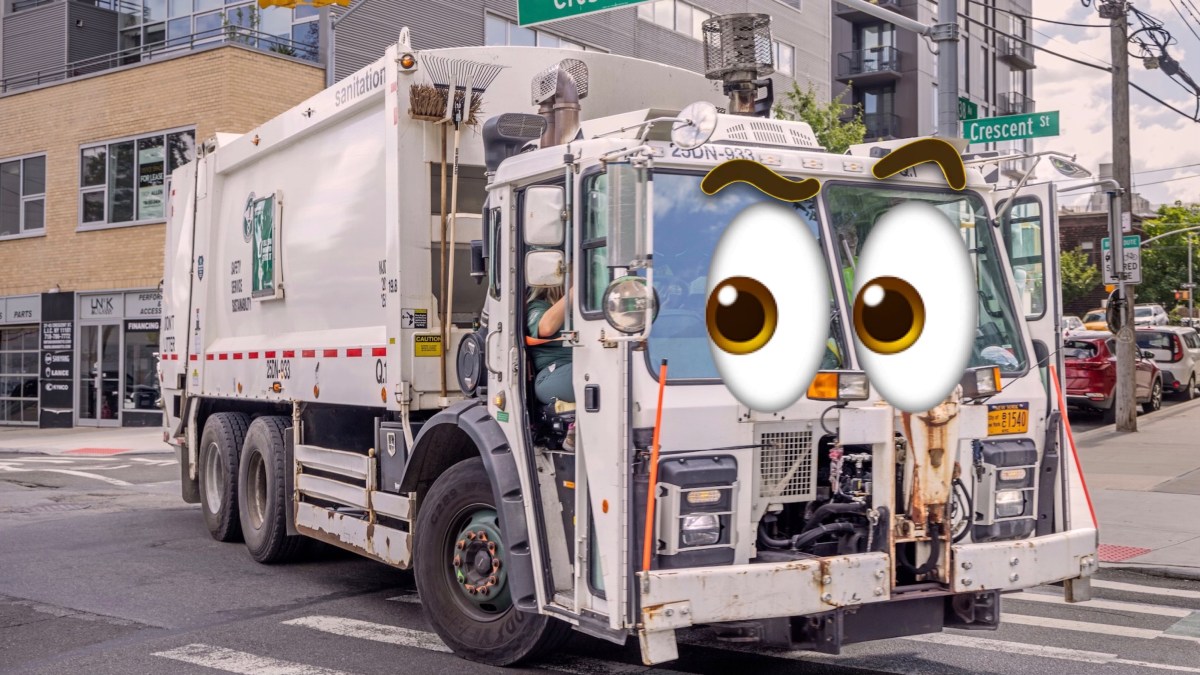
In a rapidly evolving landscape of municipal governance, city-run sanitation vehicles across California, Georgia, South Carolina, and Texas have been transformed into mobile surveillance platforms. Equipped with high-resolution, AI-powered cameras provided by the Alabama-based startup City Detect, these trucks now perform dual roles: waste collection and automated code enforcement. As these vehicles navigate their standard collection routes, they capture imagery of residential exteriors, which is subsequently processed by proprietary software to identify municipal code violations ranging from overgrown lawns and litter to structural hazards like deteriorating roofs.
The technology represents a significant shift in how local governments manage property maintenance and ordinance compliance. By moving from a reactive, complaint-based model to a proactive, automated system, cities are attempting to streamline administrative workflows that have historically been bogged down by limited staff and manual inspection cycles. However, this transition has ignited a contentious debate regarding the balance between civic order and the rights of residents to privacy and equitable enforcement.
The Mechanism of Automated Enforcement
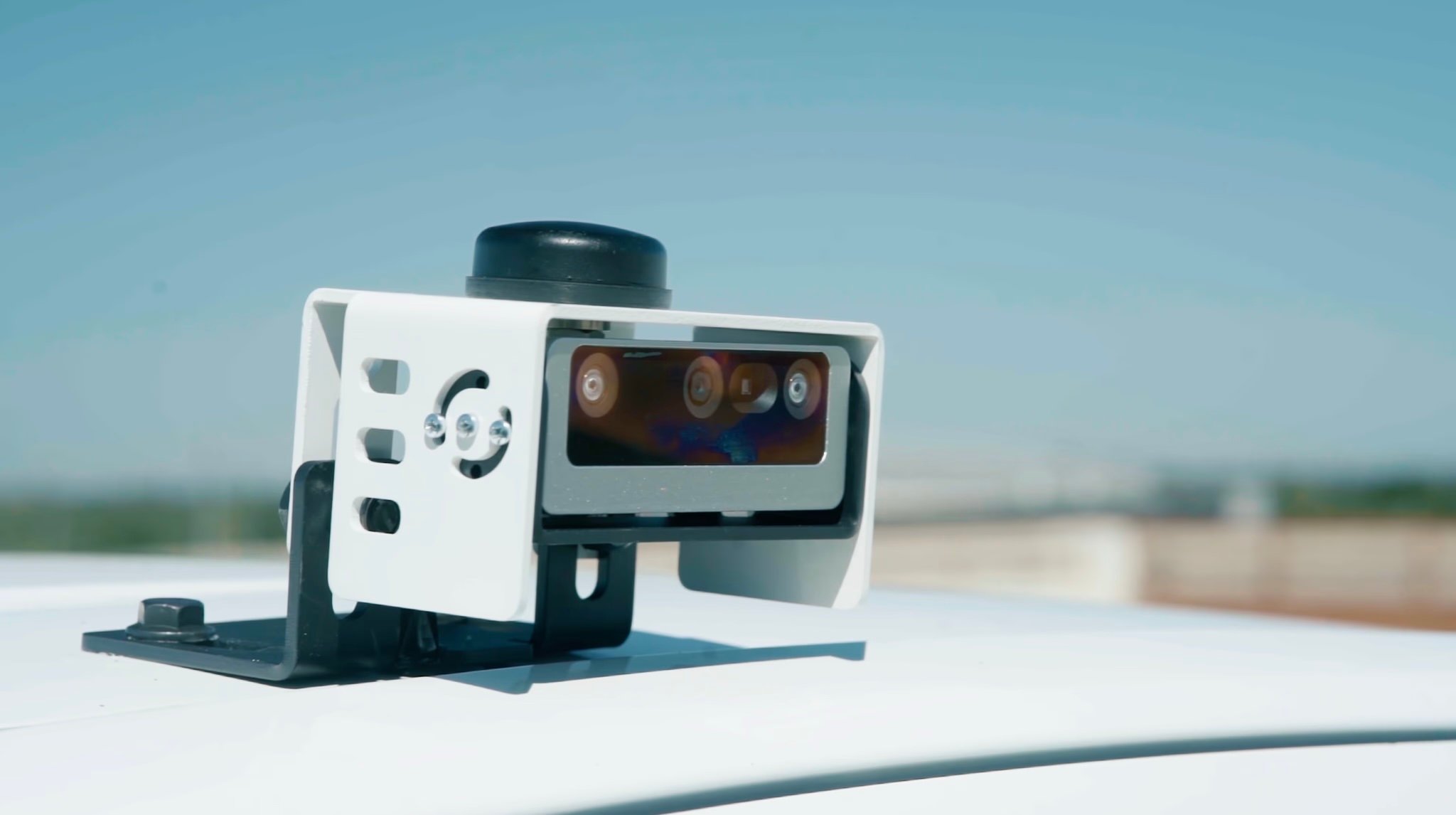
The core of this surveillance infrastructure is the PASS AI system, developed by City Detect. Since its founding in 2021, the company has sought to optimize the efficiency of code enforcement departments. The installation process is relatively unobtrusive; cameras are mounted to the sides of standard sanitation vehicles, facing outward to capture the frontages of homes as the truck passes.
Once the imagery is captured, the PASS AI software analyzes the data to identify specific violations. Each potential infraction is assigned a "Blight Score" on a scale of 1 to 4, with higher numbers indicating more severe or urgent code violations. This data is then transmitted to a centralized database where human reviewers, typically municipal code enforcement officers, assess the images flagged by the software. If the reviewer concurs with the AI’s assessment, a courtesy notice is sent to the homeowner, informing them of the violation and providing a window of time to rectify the issue before formal fines are imposed.
The efficiency gains claimed by City Detect are substantial. The company asserts that its software has already detected over 6,000,000 potential violations nationwide. In Dallas, Texas, a pilot program launched in April 2026 has already analyzed more than 21,000 properties, flagging thousands of potential code breaches. Proponents argue that this system allows cities to allocate resources toward significant safety hazards rather than spending hours responding to individual 311 complaints about minor aesthetic issues.
A Chronology of Municipal Integration
The rollout of these AI-equipped fleets has not been uniform, nor has it been universally welcomed. The adoption of this technology follows a broader trend of "smart city" integration, which gained significant momentum following the pandemic as municipalities looked for ways to automate services with reduced personnel.
- 2021: City Detect is founded in Tuscaloosa, Alabama, with the mission to automate municipal code enforcement.
- 2023: Early pilots of the camera systems begin in select Southern municipalities, focusing on high-density residential zones.
- April 2026: The city of Dallas, Texas, initiates a comprehensive testing phase, mounting cameras on sanitation fleets to monitor compliance across a wide geographic footprint.
- August 2026: A wave of public backlash hits various cities using similar AI-surveillance tools. In Huntsville, Alabama, officials move to shelve a contract with City Detect following intense scrutiny regarding privacy and the disproportionate impact on low-income neighborhoods.
- September 2026: Public discourse intensifies as heat maps of Dallas, generated by local media, reveal that the highest density of "blight" citations are concentrated in lower-income, marginalized districts.
Socioeconomic Implications and Disproportionate Impact
A central point of criticism regarding AI-assisted code enforcement is the potential for socioeconomic bias. Opponents of the technology argue that automated systems lack the human nuance required to distinguish between genuine neglect and financial hardship. If a resident lacks the funds to repair a roof or the physical capacity to maintain a lawn, a high "Blight Score" may simply serve to increase the financial burden on an already vulnerable household.
The heat mapping of Dallas, conducted by NBC 5, provided a visual representation of these concerns. By overlaying the 21,000 flagged violations against demographic and income data, the report highlighted a clear trend: automated surveillance is disproportionately flagging properties in economically disadvantaged areas. Critics argue that this creates a cycle of poverty where residents are fined for the inability to afford basic property maintenance, potentially leading to property liens or further displacement.
Councilmember Chad West of Dallas, who initially proposed a budget amendment to halt funding for the program, articulated these concerns during a council debate. "I support technology," West stated, "but we need to ensure that the benefits outweigh concerns." While West eventually withdrew his amendment, the debate remains active, signaling that the technological capabilities of these systems are currently outpacing the legislative frameworks required to regulate them.
Corporate Strategy and Privacy Safeguards
In response to growing public anxiety, City Detect has maintained a posture of transparency regarding its data protocols. On its official website, the company emphasizes that its system is designed with "privacy-by-design" principles. This includes the automatic blurring of human faces and license plates in all captured imagery. Furthermore, the company clarifies that it does not function as a revenue-generation firm; it does not receive a commission based on the number of fines issued by the cities it serves.
City Detect also stresses that its role is strictly advisory. The final decision to issue a citation rests solely with human municipal employees. By removing the need for staff to physically patrol every street, the company argues that it empowers departments to work more effectively, potentially reducing the overall frustration levels of citizens who may otherwise wait weeks for a response to legitimate community complaints.

The Broader Ecosystem of Automated Surveillance
The inclusion of cameras on garbage trucks is part of a larger, systemic shift toward the automation of civic oversight. Across the United States, municipal governments are increasingly turning to AI to solve administrative and public safety challenges.
In Los Angeles, bus-mounted cameras are now used to enforce bus-only lanes by capturing the license plates of vehicles obstructing transit. Albuquerque, New Mexico, has implemented solar-powered "SafetySticks" to monitor parking violations in bike lanes and crosswalks. Meanwhile, Austin, Texas, has equipped school buses with cameras to penalize motorists who fail to stop for children.
Each of these implementations, while designed to improve public order, contributes to a growing "surveillance grid." The cumulative effect of these technologies is a society where routine, mundane activities—throwing out trash, driving to work, or parking—are subject to constant, AI-driven review.
Public Backlash and the Future of Civic Tech
The current resistance to City Detect and similar technologies mirrors a larger, nationwide skepticism regarding the expansion of AI in the public square. Data from the Pew Research Center confirms this trend, with 40% of American adults expressing the belief that the long-term impact of AI on society will be more negative than positive.
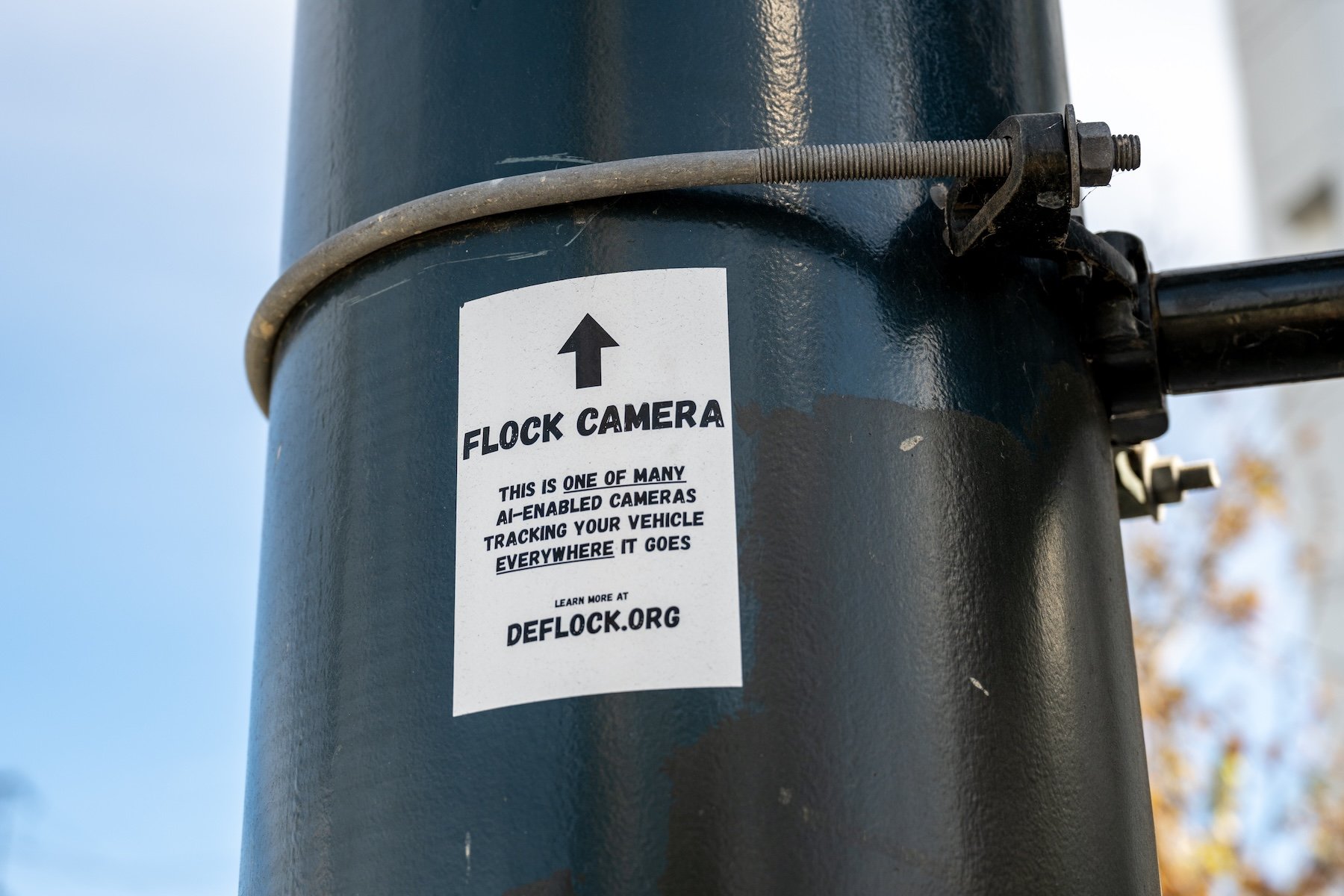
This sentiment has manifested in tangible policy changes. The advocacy group Secure Justice has tracked a record number of cities terminating contracts with automated surveillance firms. In August 2026 alone, 90 cities opted to discontinue their relationship with Flock Safety, a company specializing in automated license plate readers, citing concerns over data misuse and the lack of oversight.
The tension between efficiency and liberty remains the defining challenge of the "Smart City" era. While AI-equipped garbage trucks offer an undeniably efficient method for identifying urban decay, they also bring the weight of government oversight to the doorstep of every resident. As cities continue to weigh the benefits of these tools against the risks of public alienation, the future of automated code enforcement will likely depend on whether municipalities can establish stringent, transparent, and equitable frameworks that prioritize the welfare of their most vulnerable citizens. For now, the "blight score" remains a controversial metric, serving as a reminder that as our infrastructure grows smarter, the question of who it is meant to serve remains as complex as ever.
