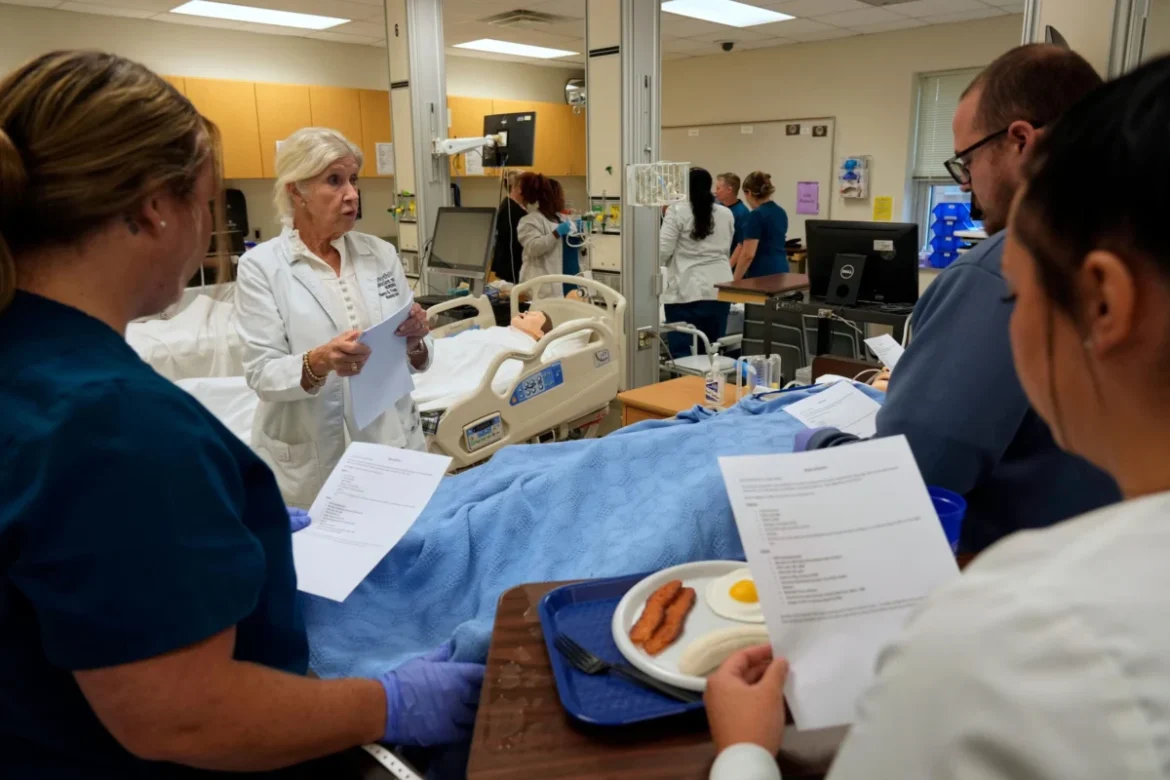
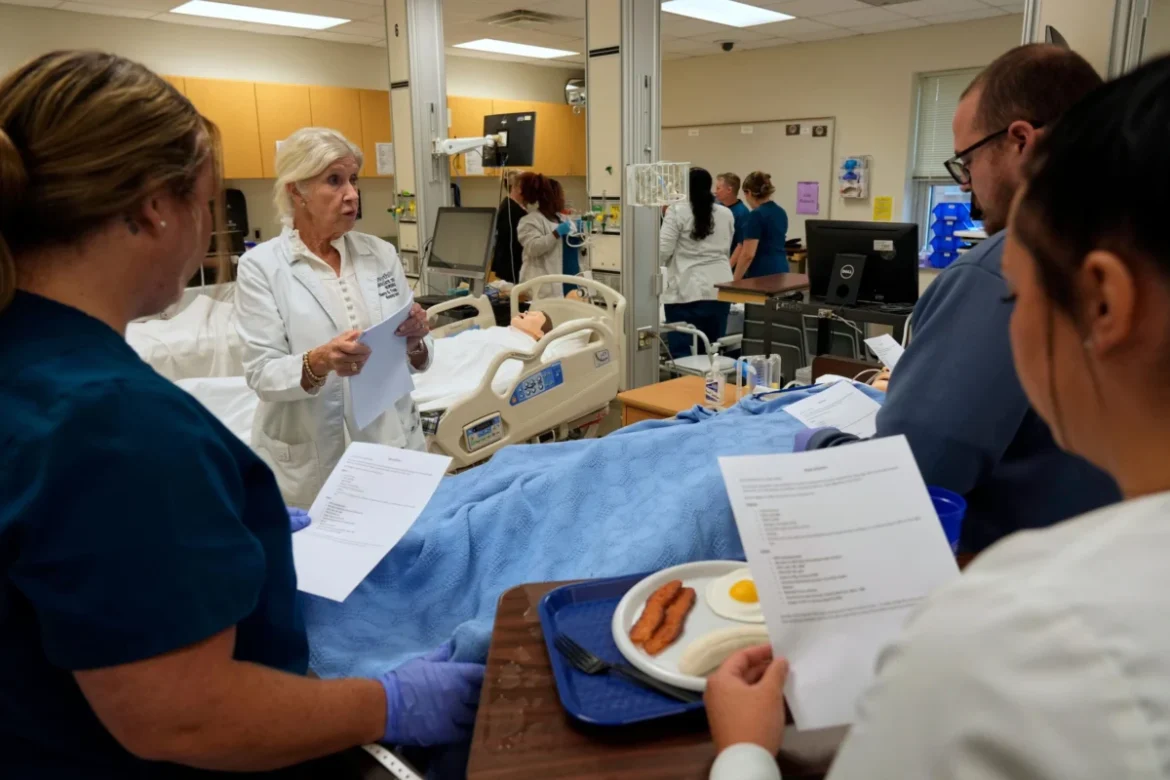
As the current academic year hits its stride, thousands of graduate students across the United States are finding themselves in a state of professional and financial paralysis. Mitzie Westgate, a 21-year-old exercise science major at the College of Charleston, is representative of this cohort. Having spent her undergraduate career preparing for a doctorate in occupational therapy—a field she chose to honor her cousin, who lives with cerebral palsy—Westgate is now forced to pause her ambitions. She cannot finalize her graduate school applications because she has no certainty regarding how she will fund her education next spring. The confusion stems from a significant legislative shift in federal student loan policy that has curtailed the borrowing power of graduate students, creating a ripple effect that is destabilizing the pipeline for critical health care and social service professionals.
The Legislative Shift: From Grad PLUS to Restricted Limits
For years, the U.S. Department of Education’s Grad PLUS loan program provided a financial safety net for graduate students, allowing them to borrow up to the full cost of attendance as determined by their respective universities. This system operated on the principle that higher education is an investment that eventually pays dividends in the form of higher lifetime earnings and societal contributions. However, a legislative overhaul enacted last year—and effective as of July 1—fundamentally altered this landscape.
The new regulations removed dozens of graduate programs from the “professional” category, effectively stripping them of their ability to access unlimited federal funding. Under the new guidelines, most graduate students are now restricted to a federal loan limit of $20,500 per year, with a lifetime cap of $100,000. While 11 select professional programs have been granted higher annual limits of $50,000 and a $200,000 lifetime cap, the ambiguity surrounding which degrees qualify—and the legal challenges currently obstructing the full implementation of these rules—has left both students and financial aid administrators in a state of profound uncertainty.
Chronology of the Policy Conflict
The trajectory of this policy shift has been marked by rapid changes and judicial intervention. The legislative effort to cap graduate borrowing was initially framed as a mechanism to curb the ballooning national student debt crisis and to discourage universities from raising tuition costs in anticipation of uncapped federal funds.
- Pre-July 2026: Students were permitted to borrow under the Grad PLUS program for the full cost of attendance.
- July 1, 2026: The new loan limits took effect, causing immediate alarm among health care graduate programs.
- Late 2026: A coalition of nursing associations, health care advocacy groups, and higher education institutions filed a lawsuit challenging the Department of Education’s reclassification criteria.
- Current Status: A federal judge has issued a temporary injunction, suspending the enforcement of the more restrictive rules until at least December. This stay has created a "policy vacuum," where students applying for the 2027-28 academic year are operating under a "wait-and-see" approach, unable to determine if their federal borrowing capacity will be slashed midway through their application cycles.
Economic Implications for Students and Lenders
The shift away from federal support is pushing students toward the private lending market, a transition that carries significant risks. Unlike federal loans, which often feature income-driven repayment plans and public service loan forgiveness opportunities, private loans are subject to market interest rates and stricter underwriting standards.
Financial aid experts, such as Mark Kantrowitz, have observed that private lenders are increasingly selective. They are scrutinizing applicants based on credit scores and the projected "earning potential" of their chosen field. For students in fields like occupational therapy, social work, and mental health counseling—professions that are essential to public health but historically undercompensated—this presents a systemic barrier. The American Enterprise Institute (AEI) has noted that for these degrees, the cost of attendance often far exceeds the salary growth associated with the credential. Consequently, private lenders have little incentive to offer favorable terms, or in some cases, any loans at all, to students pursuing these public-interest careers.
Eileen Connor, director of the Project on Predatory Student Lending, highlights the danger of this trend. "If you have bad credit, you could be looking at a 16 percent interest rate," she warns. Furthermore, she points out that private loans often lack the consumer protections embedded in federal programs, such as the ability to defer payments or the absence of predatory arbitration clauses that limit a borrower’s legal recourse.
The "Domino Effect" on the Health Care Workforce
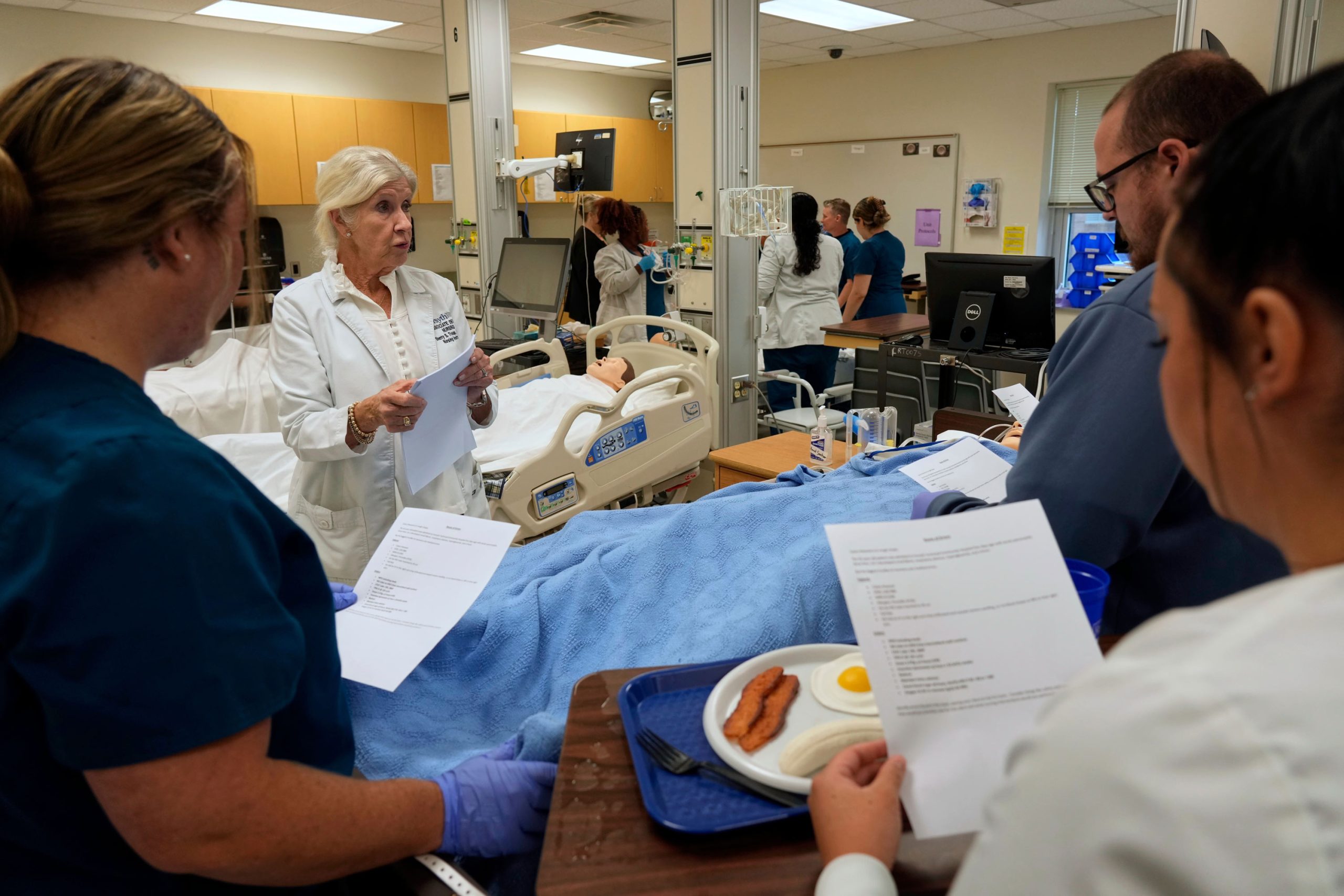
The concern extends beyond the individual student. Kayce Cordray, a 44-year-old doctoral candidate in nursing practice at Oral Roberts University, warns that these limits threaten the health care infrastructure. "We are facing a real nursing shortage and a real rural health care shortage," Cordray explains. "We’re not even going to be able to get registered nurses if we don’t have faculty. It’s a domino effect."
The demographic profile of graduate students in these fields often includes working professionals and parents who are balancing family obligations with rigorous academic training. For these individuals, the financial viability of a degree is not merely a matter of convenience; it is a deciding factor in whether they can enter the profession at all. If the cost of borrowing becomes prohibitive or requires immediate repayment, many will be forced to abandon their education, deepening the existing labor shortages in critical medical fields.

Institutional Responses and Market Pressure
Universities are currently divided on how to address the funding gap. A small number of wealthy institutions have introduced low-interest, school-backed loan programs to mitigate the impact of the federal limits. Others are providing "preferred-lender lists" to help students navigate the private market safely.
There is a ongoing debate among economists regarding whether these federal constraints will force universities to lower tuition. The AEI suggests that the market may correct itself, noting that universities with high price tags but modest career earnings returns may lose prospective students to more affordable competitors. For example, some programs at the University of Pennsylvania are facing potential competition from lower-cost institutions like Drexel or Temple, which may force the former to reconsider their tuition structures.
However, many analysts remain skeptical. Sarah Sattelmeyer of the New America think tank argues that there is currently no evidence of broad, across-the-board tuition reductions. "Right now I don’t see evidence that we’re going to see large across-the-board tuition and price reductions," she stated. "We’ll see what happens."
The Burden of Uncertainty
For students like Mitzie Westgate, the long-term impact is a loss of agency in their own career planning. Westgate’s top-choice schools, including Quinnipiac and the Medical University of South Carolina, now seem financially out of reach without the assurance of federal backing. She is considering fallback options like Johnson & Wales in her home state of Rhode Island, which would allow her to live at home but might limit her exposure to the professional networks necessary for a specialized career in occupational therapy.
This sentiment of "whiplash," as described by Megan Walter of the National Association of Student Financial Aid Administrators, is pervasive. Financial aid directors are currently unable to provide clear guidance to students, creating a climate of anxiety that discourages enrollment in essential graduate programs. As the December court deadline approaches, the future of thousands of graduate students remains in limbo. The ultimate outcome of this legal and policy battle will not only determine the cost of education for current seniors like Westgate but will also define the accessibility of the American health care and social service workforce for years to come. Whether the resolution comes through a reversal of the limits, a more nuanced classification of "professional" degrees, or a forced market adjustment, the current period of instability is already having a tangible, negative impact on the next generation of essential professionals.