
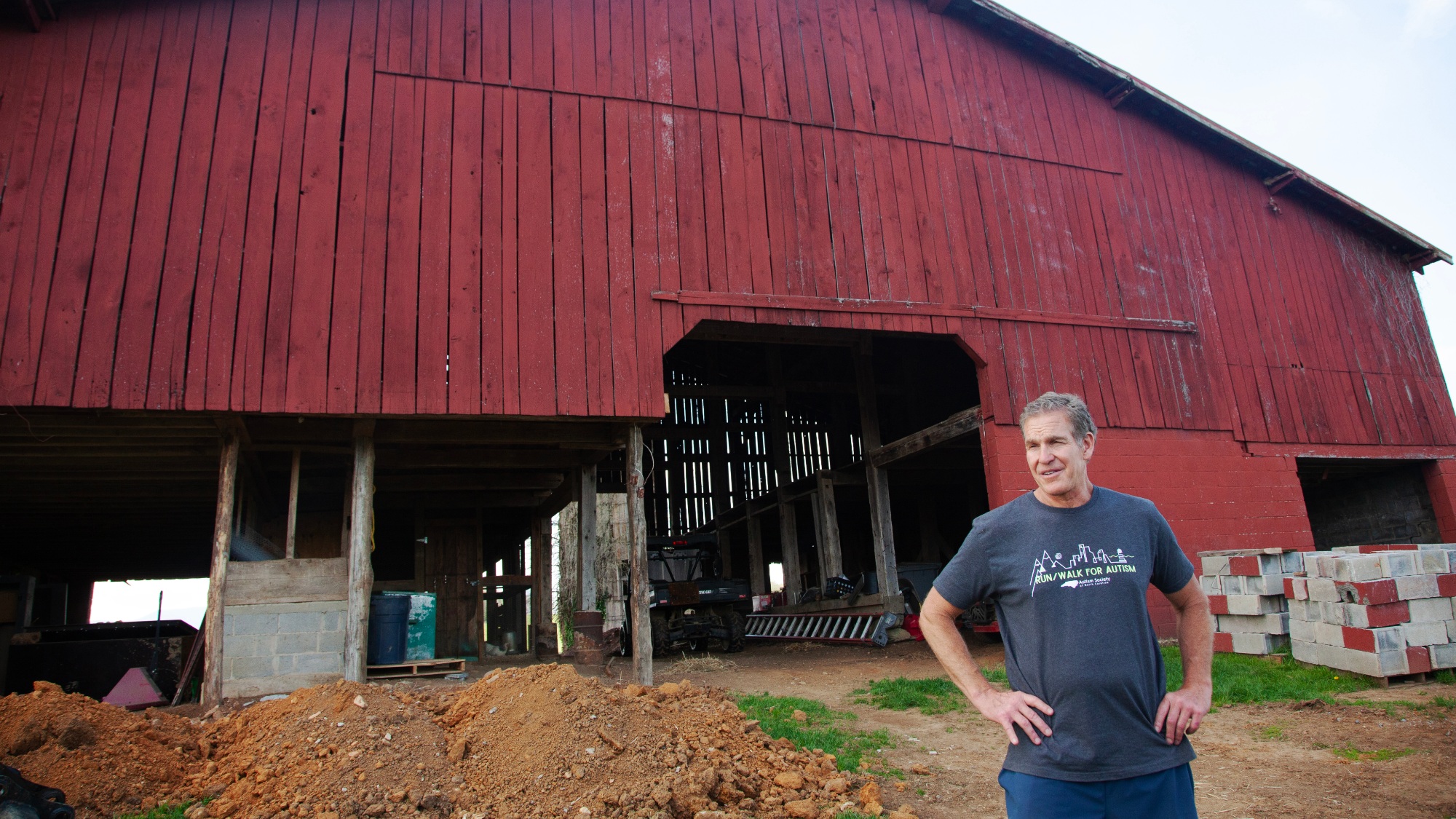
The catastrophic flooding that reshaped the agricultural landscape of southern Appalachia in late September 2024 has left farmers and scientists facing a crisis that transcends the immediate loss of crops and machinery: the literal disappearance and degradation of the region’s soil. When Hurricane Helene arced upward from the Gulf Coast, it dropped up to 30 inches of rain on a landscape defined by narrow valleys and fertile bottomlands, triggering a geological "reset" that experts say could take generations to rectify. For producers like Will Runion, whose 736-acre cattle and hay farm sits in a horseshoe bend of the Nolichucky River in northeast Tennessee, the storm did not just bring water; it brought a fundamental transformation of the earth itself.
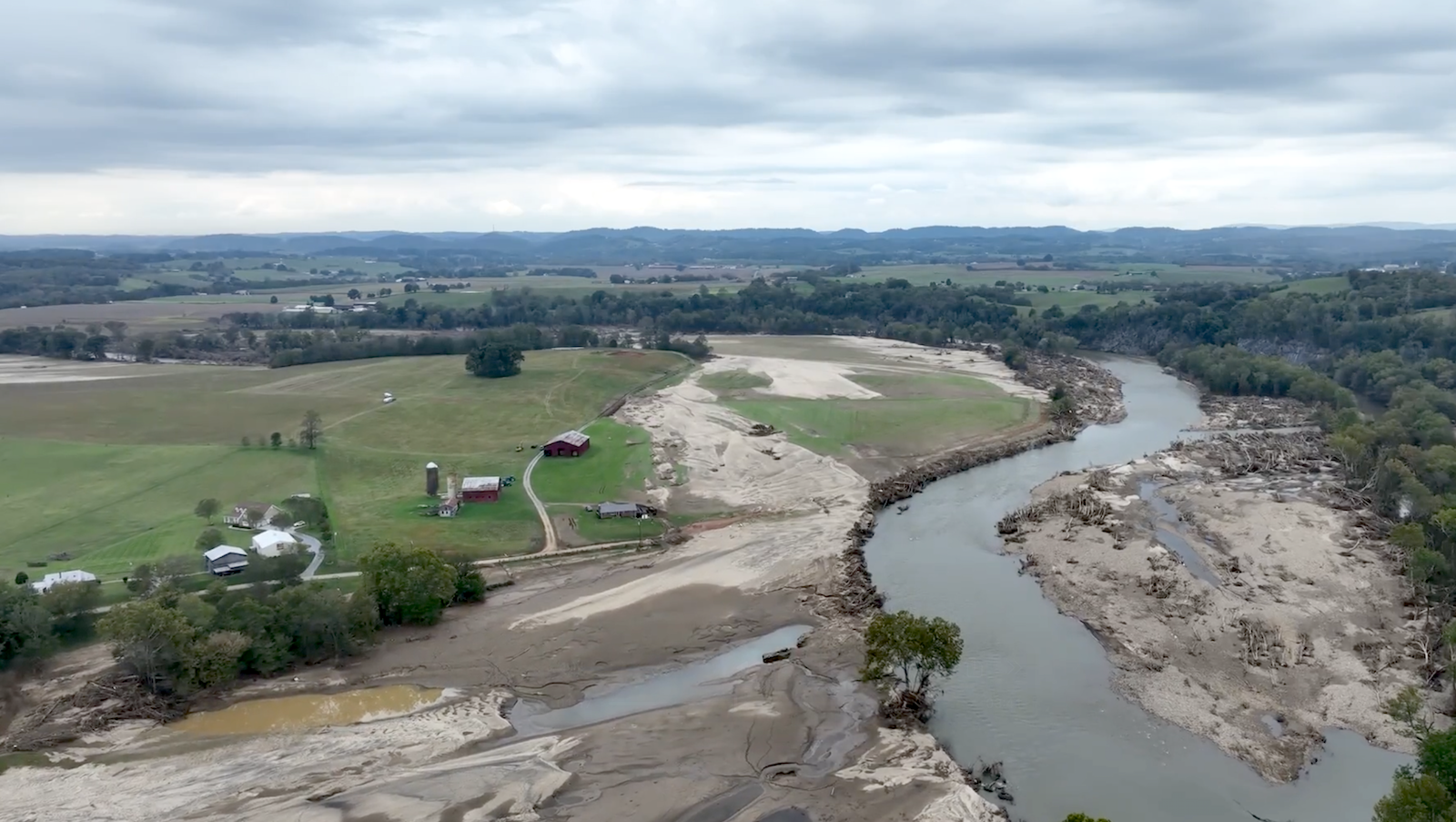
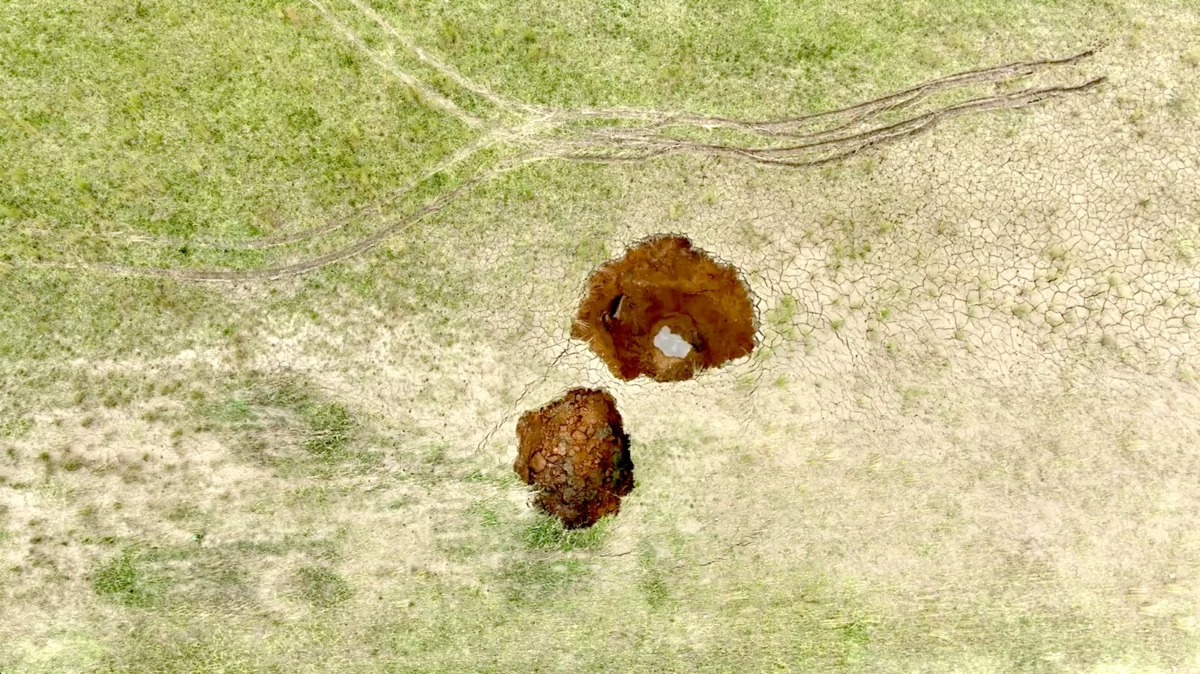
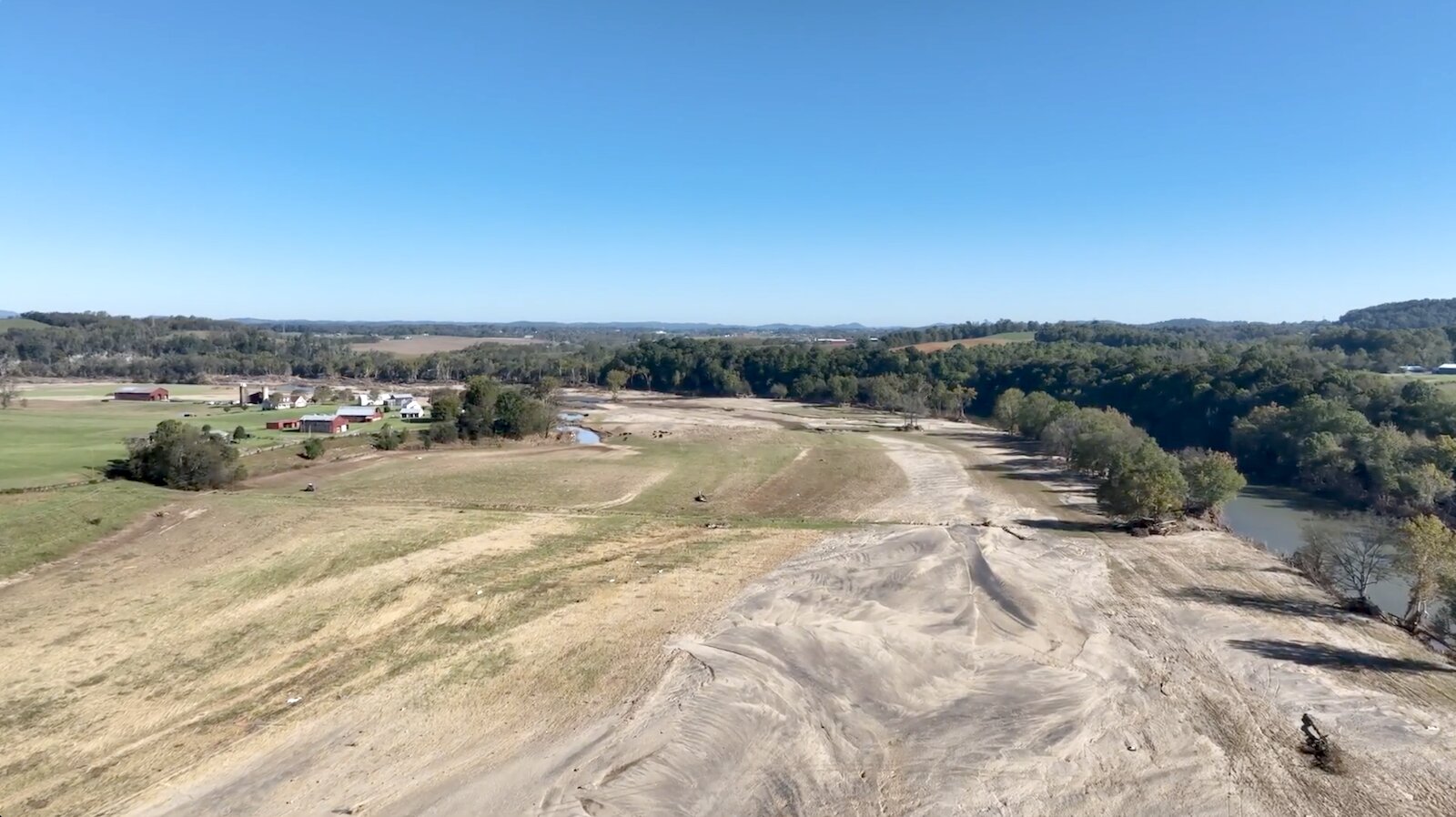
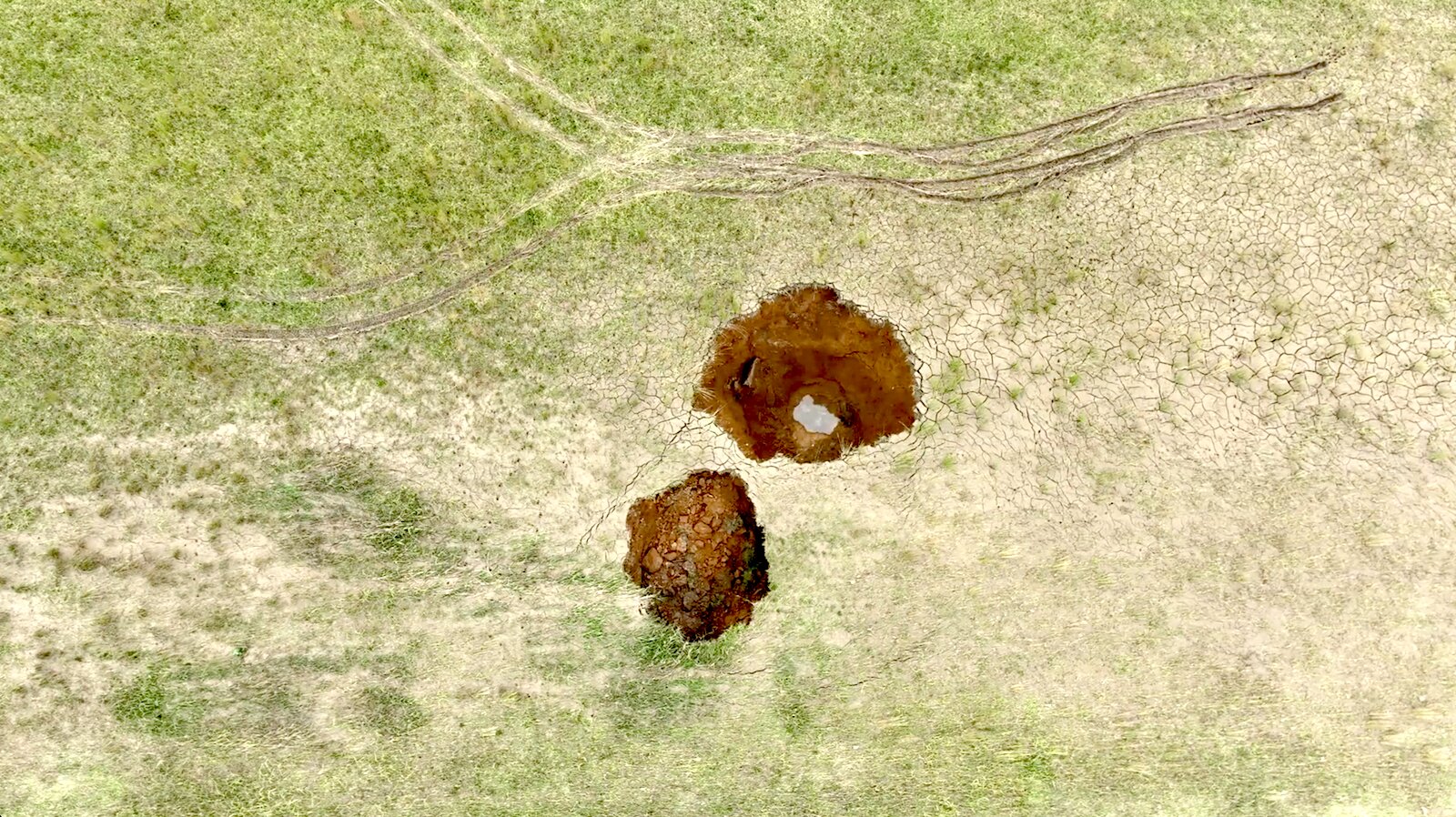
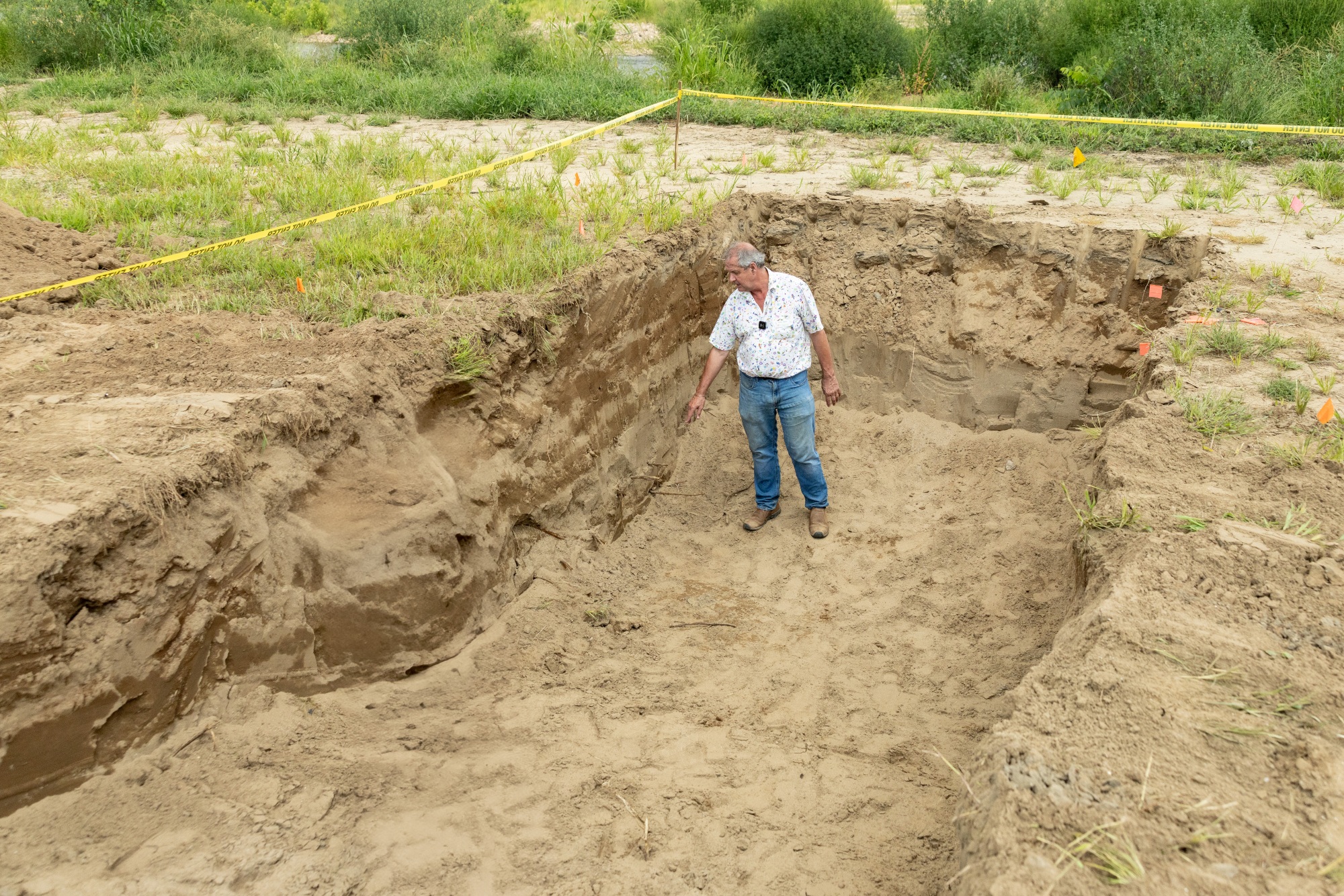
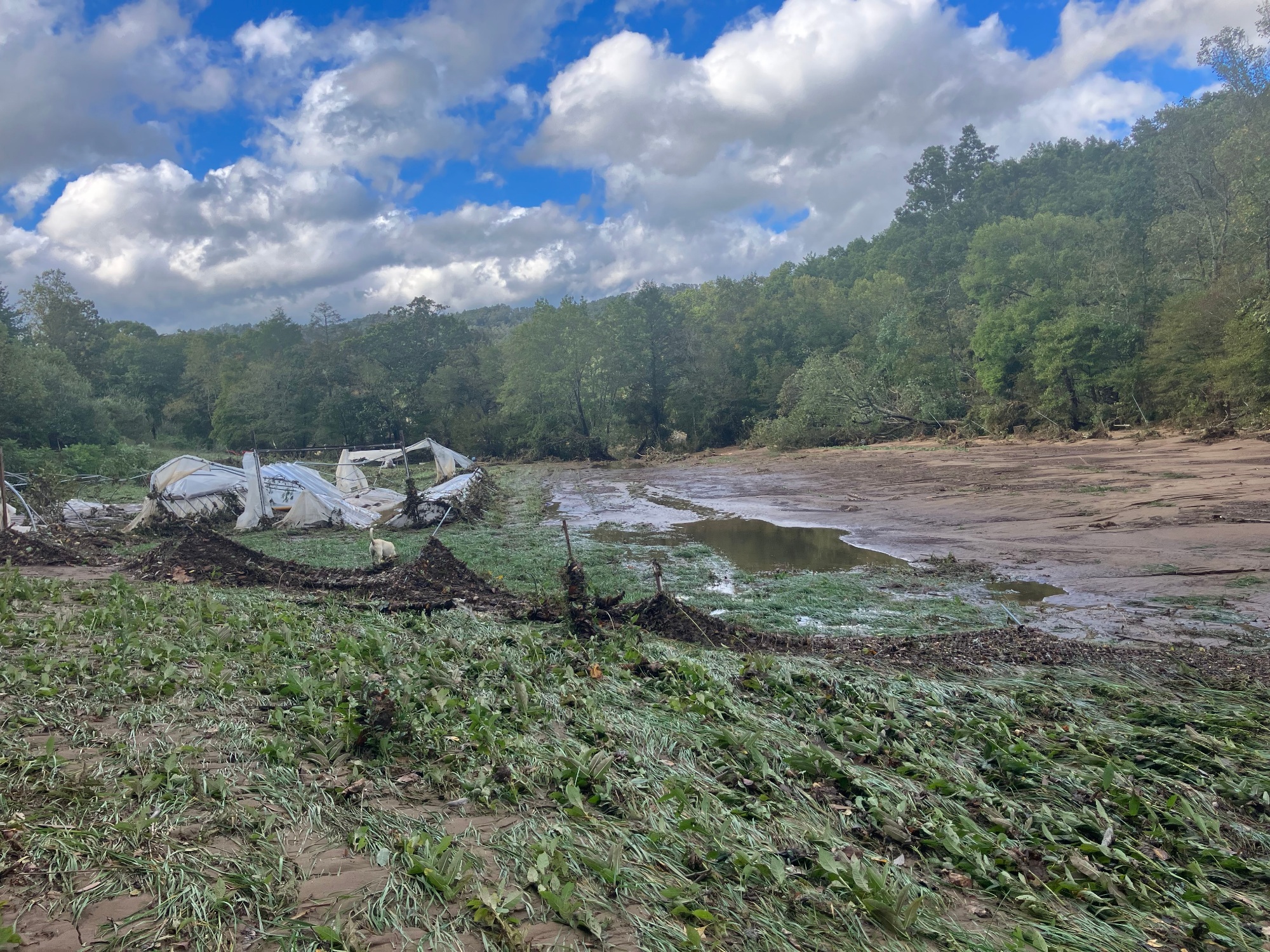
On the morning of Friday, September 27, 2024, the Nolichucky River overtopped its banks with a speed that nearly trapped Runion and his family. By that afternoon, the river had expanded to 1,200 feet wide—ten times its normal width—resembling a vast, turbulent lake that carried away barns, houses, and hay equipment. When the waters finally receded, Runion found a third of his fields unrecognizable. The flood had gouged out holes the size of football fields to depths of 12 feet, while other sections were buried under eight feet of raw sand and silt. The fertile topsoil, cultivated over decades of careful management, was gone, replaced by sterile sediment or jagged river rock.
The Economic and Cultural Toll on Appalachian Agriculture
The scale of the destruction is reflected in the staggering economic data released in the months following the disaster. In North Carolina alone, Hurricane Helene caused an estimated $4.9 billion in damage to the state’s agricultural sector. Tennessee reported losses of approximately $1.3 billion. These figures represent more than just destroyed infrastructure; they represent a threat to a cultural cornerstone. In Appalachia, the mountainous terrain forces agriculture into small, flat "bottomlands" near rivers. While these areas are historically the most fertile, they are also the most vulnerable to the "100-year storms" that climate scientists warn are becoming increasingly frequent.
For many small-scale producers, the margins were already razor-thin before the storm. According to North Carolina’s strategic plan for agriculture, of the state’s 42,500 farms, only about 8,000 produce annual gross sales exceeding $100,000. Over half of the state’s farms gross less than $10,000 annually, and only 40 percent reported a positive net income in 2022. The loss of a single season’s topsoil is, for many, a debt from which they may never fully recover.
The Science of Soil: A Clock Reset to Zero
Soil is not merely "dirt"; it is a complex, living ecosystem that takes thousands of years to form through the weathering of rock and the slow accumulation of organic matter. Healthy agricultural soil requires a precise balance of structure—allowing for water infiltration and aeration—and biological richness, driven by microorganisms that cycle nutrients like nitrogen, phosphorus, and potassium.
When Hurricane Helene’s floodwaters stripped the topsoil or buried it under feet of sand, it effectively reset the geological clock. "These aren’t soils yet," explains Stephanie Kulesza, a nutrient and soil scientist at North Carolina State University. "They are in their infancy now." Sand lacks the organic matter and physical structure necessary to hold water or nutrients, meaning that even with heavy fertilization, the land cannot currently sustain the hay or crops it once produced.
This "blind spot" in agricultural science has become a major liability. While some research exists on how soil recovers after floods, there is a profound scarcity of data regarding massive sediment deposition in mountainous regions like Appalachia. Historically, floods in this region were localized or less severe; the magnitude of Helene’s surge has left extension agents and researchers scrambling for answers.
A Chronology of Recovery and Research
The recovery process for farmers like Runion has been a grueling, multi-phase effort:
- Immediate Aftermath (October 2024 – April 2025): Farmers focused on debris removal, using bulldozers to clear sand and filling massive erosion holes. FEMA crews assisted in shredding downed timber, while state and federal aid began to trickle in. Runion received nearly $1 million in aid, though he notes that the costs of labor, fuel, and equipment replacement quickly consumed these funds.
- The First Harvest (June 2025): Growers attempted to mow fields that had escaped the worst of the flooding. While Runion managed to produce enough hay for his own 125 cattle, he had no surplus to sell—a loss of one-third of his typical annual income.
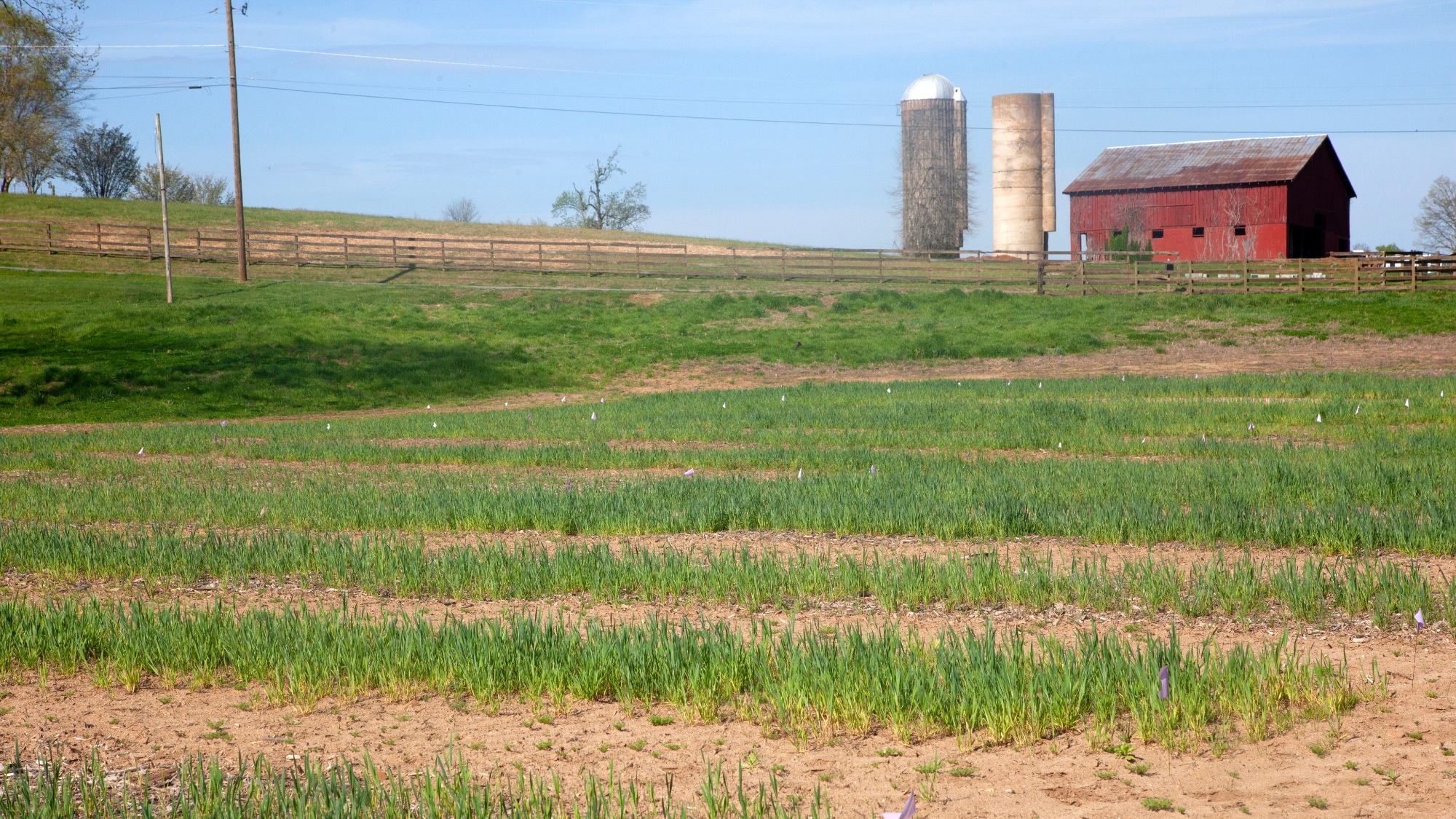
- Scientific Intervention (Late 2025 – Present): Researchers from the University of Tennessee Extension, led by environmental soil specialist Forbes Walker, established over 300 test plots on Runion’s farm. These experiments are designed to determine which "amendments"—such as biochar, wood chips, poultry litter, or synthetic fertilizers—can most effectively jumpstart the transformation of sand back into productive soil.
Walker’s research is vital because the existing academic literature on flood-damaged soils is "thin." Aimé Messiga, a Canadian soil research scientist, notes that without decades of accumulated data, predicting soil recovery is nearly impossible. This lack of information is exacerbated by the variability between farms; what works for a cattle pasture in Tennessee may not apply to a saltwater-intruded vegetable farm on the North Carolina coast.
Weather Whiplash and the Climate Context
The destruction of Appalachian soil is a direct consequence of what scientists call "weather whiplash"—the rapid transition between extreme weather states. A study by the U.S. National Science Foundation suggests that "100-year storms" are now three times more likely and 20 percent more severe than they were half a century ago. Furthermore, research indicates that rainfall from Hurricane Helene was 10 percent heavier due to man-made climate change.
This pattern is being seen across North America. In 2021, atmospheric rivers caused devastating floods in British Columbia, while the 2011 Missouri River floods left thousands of acres of Midwestern farmland looking like the "surface of the moon." In the Missouri River case, researchers found that even five years later, yield maps clearly showed the lingering effects of erosion. Areas that lost topsoil remained significantly less productive, directly impacting the long-term profitability of those farms.
Adaptive Strategies: Diversification and Organic Resilience
In the face of this uncertainty, farmers are forced to innovate. Will Runion has shifted his focus to diversifying his income, building a 45-site riverfront campground and event venue on higher ground. By moving away from a total reliance on hay and cattle, he hopes to create a more "flood-proof" economic model.
Other farmers, like Nicole DelCogliano near Asheville, North Carolina, are relying on intensive organic practices to heal their land. After Helene wiped out her barn and buried her vegetable fields in sand, she immediately sowed rye as a cover crop to prevent further erosion. By applying compost, lime, biochar, and blood meal, she managed to have a surprisingly productive harvest on her remaining four acres. She attributes this success to years of prior organic soil management. "We’re dirt farmers," DelCogliano says. "Our primary job is to tend the dirt. Because that’s the basis of everything."
Broader Implications for the Future of Food Security
The crisis in Appalachia serves as a warning for global agriculture. As climate change accelerates, the stability of the soil—the literal foundation of the food system—is no longer guaranteed. The University of Tennessee’s preliminary results offer a glimmer of hope: plots treated with mulch (wood chips) are showing better seed germination and reduced erosion. This suggests that "waste" products from the storm itself, like downed trees, could be the key to rebuilding the fields.
However, the road ahead remains long. Experts like Karen Blaedow, an agricultural educator in North Carolina, warn that it will take at least three to five years of consistent cover cropping before soil health begins to stabilize. For the thousands of small farmers in the region, the question is whether they have the financial stamina to wait.
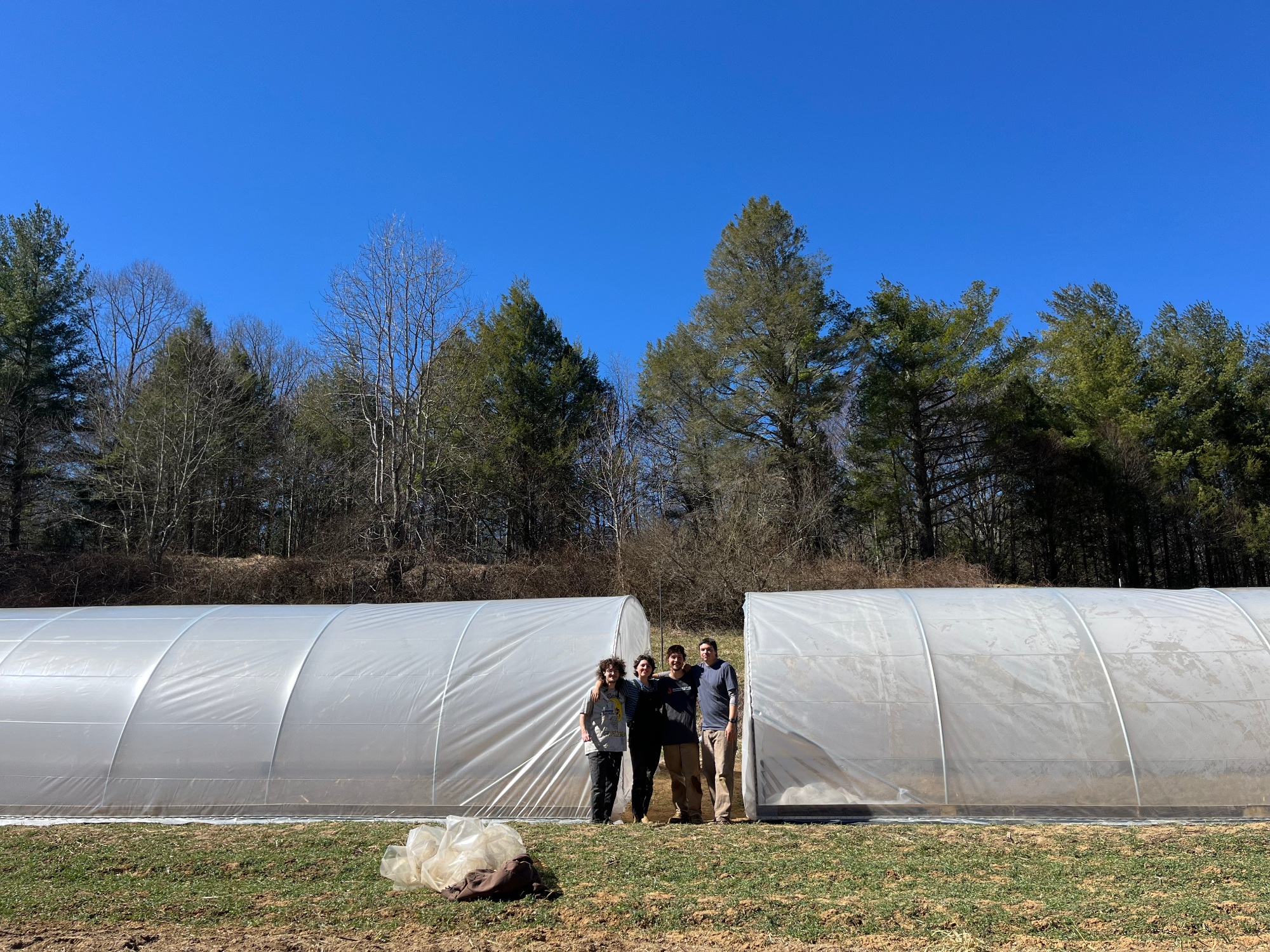
As Will Runion continues to grade the red soil of his new campground, he remains optimistic but realistic. The landscape has been permanently altered, and the "four-to-five-year plan" for recovery is both exhausting and frustrating. Yet, his efforts, combined with the ongoing scientific trials on his land, may eventually provide the blueprint for how the next generation of farmers survives an era of increasingly violent weather. The farm still has much to offer, but the "dirt" that sustains it is now a precious, fragile resource that must be rebuilt from scratch.

