
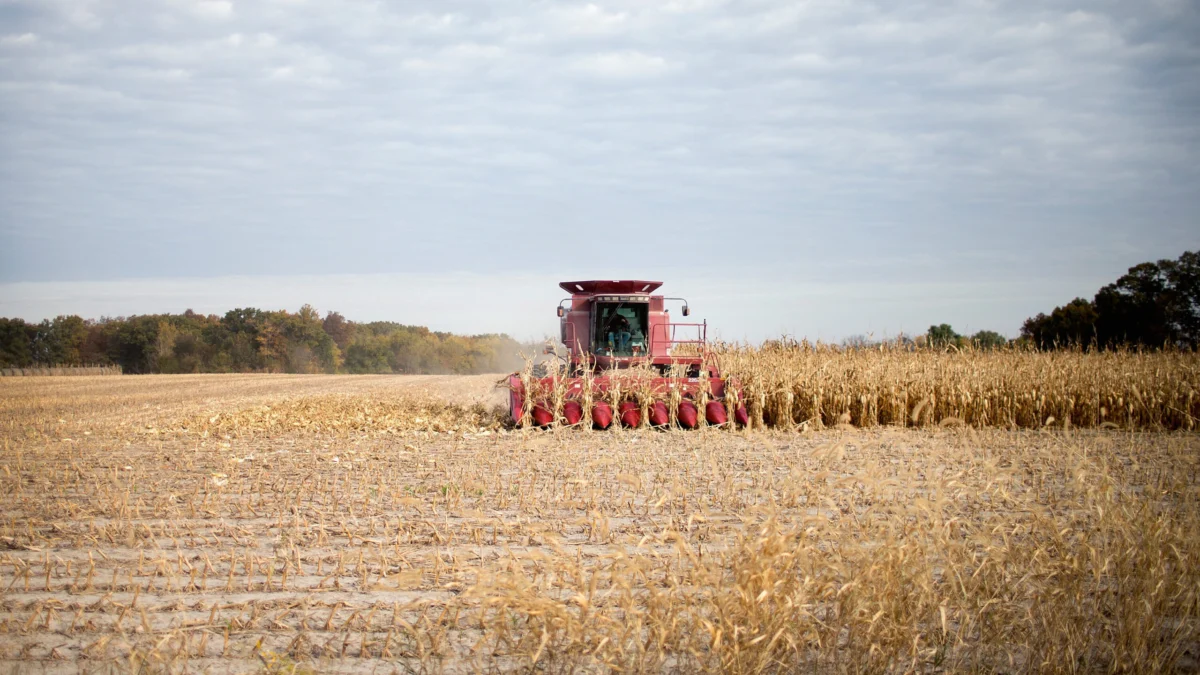
In a decisive move that reflects the growing intersection of environmental policy and industrial protectionism, the Iowa legislature has passed a bill designed to shield agricultural operations from lawsuits related to climate change and greenhouse gas emissions. The legislation, which now awaits the signature of Governor Kim Reynolds, represents a significant expansion of legal protections for the state’s most dominant industry, even as critics and agricultural advocates alike question the necessity of such measures.
The bill’s primary objective is to prevent plaintiffs from filing what proponents describe as "frivolous lawsuits" targeting farmers, ranchers, and industrial agricultural processors for their perceived contribution to global warming. Introduced by State Representative Derek Wulf, a farmer from Hudson, the legislation seeks to codify a preemptive defense against legal challenges that have yet to materialize in the state’s courts. During House debates in February, Wulf emphasized the need to protect the backbone of Iowa’s economy from litigation over "perceived greenhouse gases," arguing that the threat of climate-based legal action could stifle agricultural innovation and stability.
However, the bill has sparked a complex debate within the agricultural community. Aaron Lehman, president of the Iowa Farmers Union, has been a vocal critic, suggesting that the legislation is a solution in search of a problem. According to Lehman, the primary concerns facing Iowa’s farmers—ranging from market volatility to soil health—do not include the threat of climate-related lawsuits. The disconnect between legislative priorities and the stated needs of family farmers suggests a deeper shift in how the state handles environmental accountability.
The Legislative Context and Scope of Protection
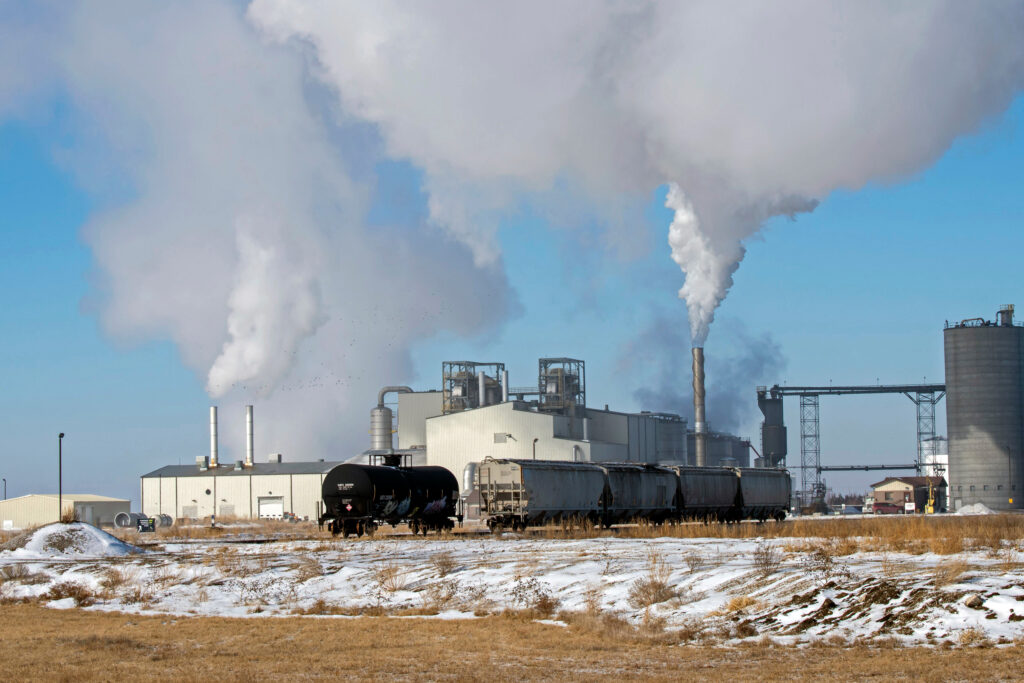
The legislation passed by the Iowa General Assembly is notable not just for its intent, but for its broad definitions. The bill defines "agricultural sources" with a wide net, encompassing any location where a farm commodity is produced, handled, stored, processed, or distributed. This definition extends the shield far beyond the family farm, providing legal cover to a vast array of industrial facilities, including livestock confinement operations, slaughterhouses, and most notably, ethanol production plants.
The timing of the bill follows a national trend where Republican-led legislatures have sought to bolster "Right to Farm" laws. These laws were originally designed to protect farmers from nuisance lawsuits—such as complaints about noise or odors—as suburban sprawl moved closer to rural operations. However, the modern iteration of these laws, as seen in the current Iowa bill, has evolved to address global environmental concerns.
Under the new Iowa law, a narrow path remains for legal action. Plaintiffs can only prevail if they can prove, by "clear and convincing evidence," that an agricultural operation has violated existing state or federal laws or specific permits that set emission limits. While Representative Wulf argued that this exception ensures "bad actors" are still held accountable, legal experts and environmental advocates contend that the high evidentiary standard makes successful litigation nearly impossible for the average citizen or environmental group.
The Ethanol Industry: A Primary Beneficiary
While the bill is framed as a protection for the individual farmer, data suggests that the industrial processing sector—specifically the ethanol industry—stands to gain the most from these legal immunities. Iowa is the nation’s leading producer of ethanol, home to 42 plants that represent nearly a quarter of the entire United States ethanol fleet.
The economic stakes are immense. Approximately 40 percent of all corn grown in Iowa is diverted to ethanol production. The fermentation process used to convert corn into fuel is energy-intensive and results in the direct release of carbon dioxide. In recent years, several ethanol plants in Iowa have faced regulatory scrutiny and fines for air quality violations:
- Quad County Corn Processors: In the summer of 2024, Iowa Attorney General Brenna Bird initiated a lawsuit against this Galva-based plant, seeking $6 million in fines for over 600 days of alleged Clean Air Act violations. The case eventually settled for $100,000, a fraction of the original demand.
- POET Bioprocessing: In 2023, this facility in north-central Iowa was ordered to pay a $10,000 administrative penalty to the Department of Natural Resources (DNR) for failing to maintain emissions-reducing equipment, leading to excess releases of carbon dioxide and other chemicals.
These cases illustrate that while individual farmers are rarely the targets of emissions-related litigation, industrial processors frequently find themselves at odds with environmental standards. By including these facilities under the umbrella of "agricultural sources," the legislature has effectively provided a buffer for a multi-billion-dollar industry that is central to the state’s political and economic identity.
A Growing National Trend of Liability Limitation
Iowa is not alone in its pursuit of legislative barriers against climate litigation. The bill reflects a broader movement across several states to insulate key industries from the legal consequences of greenhouse gas emissions.
- Utah (2024): Governor Spencer Cox recently signed a law that limits liability for damages or injuries caused by greenhouse gas emissions. Unlike Iowa’s bill, Utah’s law is even more expansive, covering any individual or corporate emitter, not just those in the agricultural sector.
- South Dakota (2023): Governor Kristi Noem signed legislation making it significantly more difficult for neighbors to file nuisance complaints or lawsuits against farms over pollution or odors, further narrowing the definition of what constitutes a "legal harm."
- Florida (2021): Florida amended its "Right to Farm Act" to include protections against lawsuits related to "particle emissions," a move widely seen as a response to litigation surrounding the burning of sugar cane fields.
This legislative wave suggests a coordinated effort to preempt the types of "greenwashing" or climate liability lawsuits that have recently targeted major oil and gas companies. By establishing these protections at the state level, lawmakers are creating a legal environment that prioritizes industrial stability over environmental litigation.

Environmental and Legal Implications
Critics of the bill argue that it undermines the fundamental principle of environmental justice. Senator Art Staed, during the Senate debate, characterized the bill as part of a "race to the bottom" regarding climate protections. He noted that the bill’s reliance on "permit violations" as the only grounds for a lawsuit is problematic, particularly given the changing federal landscape.
The legal "floor" for greenhouse gas regulation has historically been tied to the Environmental Protection Agency’s (EPA) "endangerment finding," which determined that greenhouse gases threaten public health and welfare. However, the potential for federal reversals of these findings—as seen during the first Trump administration—creates a scenario where permits may no longer include strict limits on carbon dioxide or methane.
Dani Replogle, a staff attorney for the advocacy group Food & Water Watch, pointed out that if federal and state agencies stop including greenhouse gas limits in permits, the "exception" in Iowa’s new law becomes meaningless. "It effectively removes the ability for people who are actually harmed by climate-related disasters—such as increased flooding or extreme heat—to seek compensation from the largest emitters in their own backyard," Replogle stated.
Economic Data and Agricultural Reality
The push for this legislation comes at a time when the agricultural industry is under increasing pressure to adopt "carbon-smart" practices. Federal programs, such as those funded by the Inflation Reduction Act, have funneled billions of dollars into incentivizing farmers to sequester carbon and reduce emissions.
Iowa’s agricultural sector is a significant contributor to the state’s carbon footprint. According to the Iowa Department of Natural Resources’ 2023 Greenhouse Gas Inventory, agriculture accounts for approximately 30 percent of the state’s total emissions, primarily through soil management, enteric fermentation (methane from livestock), and manure management.
Proponents of the bill argue that instead of facing the threat of lawsuits, farmers should be encouraged through voluntary, incentive-based programs. However, Aaron Lehman of the Iowa Farmers Union argues that the bill does the opposite by fostering a "cynical" political environment. He contends that by framing climate action as a legal threat rather than an economic opportunity, the legislature is hindering the long-term sustainability of Iowa’s farms.

Conclusion: The Path Forward for Iowa
As Governor Reynolds prepares to sign the bill into law, the long-term impact on Iowa’s legal and environmental landscape remains to be seen. The legislation successfully creates a formidable barrier against climate-related litigation, providing peace of mind to ethanol producers and industrial agriculturalists.
However, the bill also highlights a growing divide. On one side are lawmakers and industrial groups who view litigation as a threat to economic sovereignty. On the other are environmental advocates and some agricultural leaders who believe that accountability and transparent regulation are essential for navigating the climate crisis.
For the residents of Iowa, the bill signifies a shift toward a more protected, yet potentially less accountable, industrial sector. While the "frivolous lawsuits" mentioned by Representative Wulf have yet to appear in Iowa’s courts, the legal shield is now firmly in place, ensuring that if they ever do, the gates to the courthouse will be much harder to open. The state’s reliance on the ethanol and agricultural industries has once again dictated its legislative priorities, setting a precedent that other carbon-intensive states may soon follow.

